
Seven 'weird' ways to improve your body's performance have been trending: grounding (earthing), breathwork, red-light therapy, blue-light blockers, hot-and-cold exposure, mouth-taping for sleep, and sun-gazing during non-peak hours. The list even repeats blue-light blockers, underscoring how much light hygiene matters. These range from free, nature-based practices to tech-enabled treatments with varying evidence. Some are low-risk lifestyle tweaks; others demand caution. This post unpacks reader replies, highlights a couple of surprising suggestions like backwards walking, and gives quick, practical safety tips so you can test ideas responsibly while tracking sleep and recovery. I'll also flag when evidence is solid versus anecdotal and when to consult a clinician.
Why these hacks aren't 'weird' , normalization and evidence
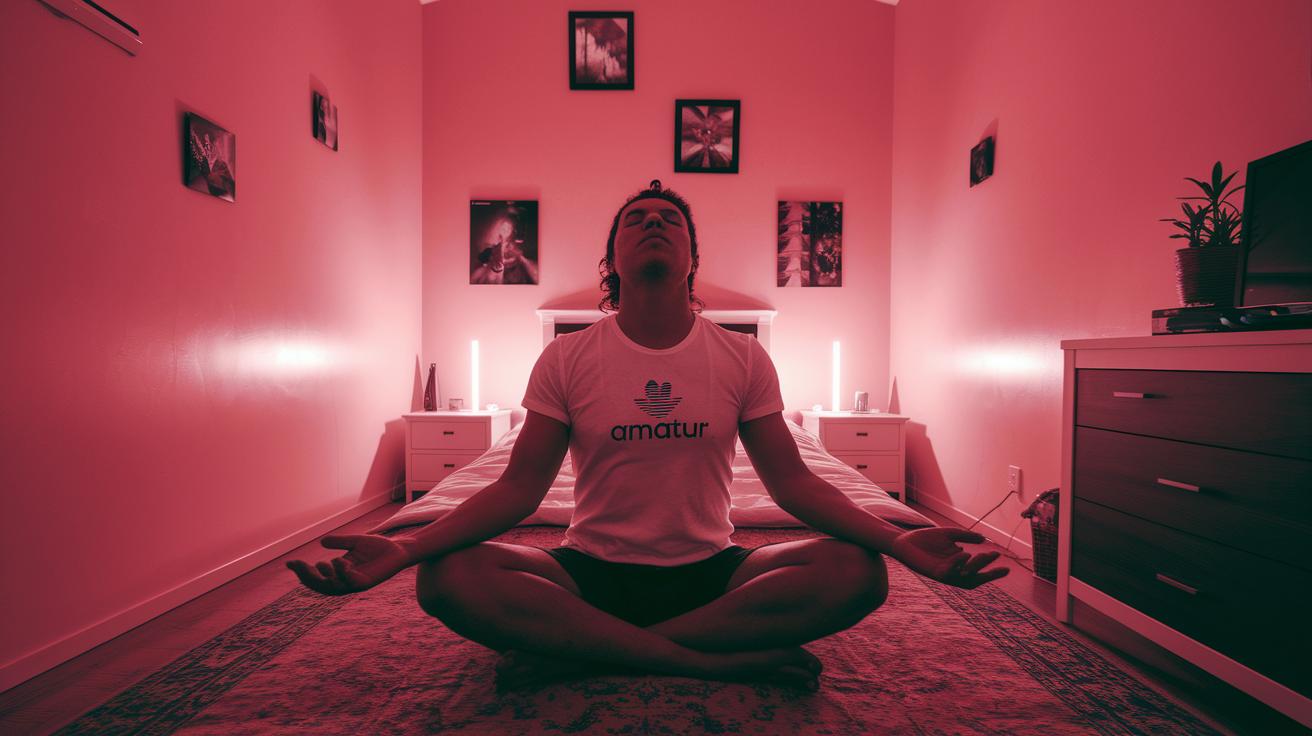
Labeling practices like grounding, red-light therapy, or breathwork as 'weird' misses the larger trend: people are returning to low-impact, circadian-friendly and nervous-system-focused strategies to reclaim energy and recovery. Many of these tactics have small but growing bodies of research and plausible mechanisms, improved mitochondrial function with red light, vagal tone with breathwork, and reduced nocturnal arousal from light hygiene, and they carry relatively low risk when done sensibly. Social perception shifts as data accumulates and early adopters share replicable protocols. Try one change at a time and track objective measures like sleep, HRV, and perceived energy.
Backwards walking: an underrated movement hack
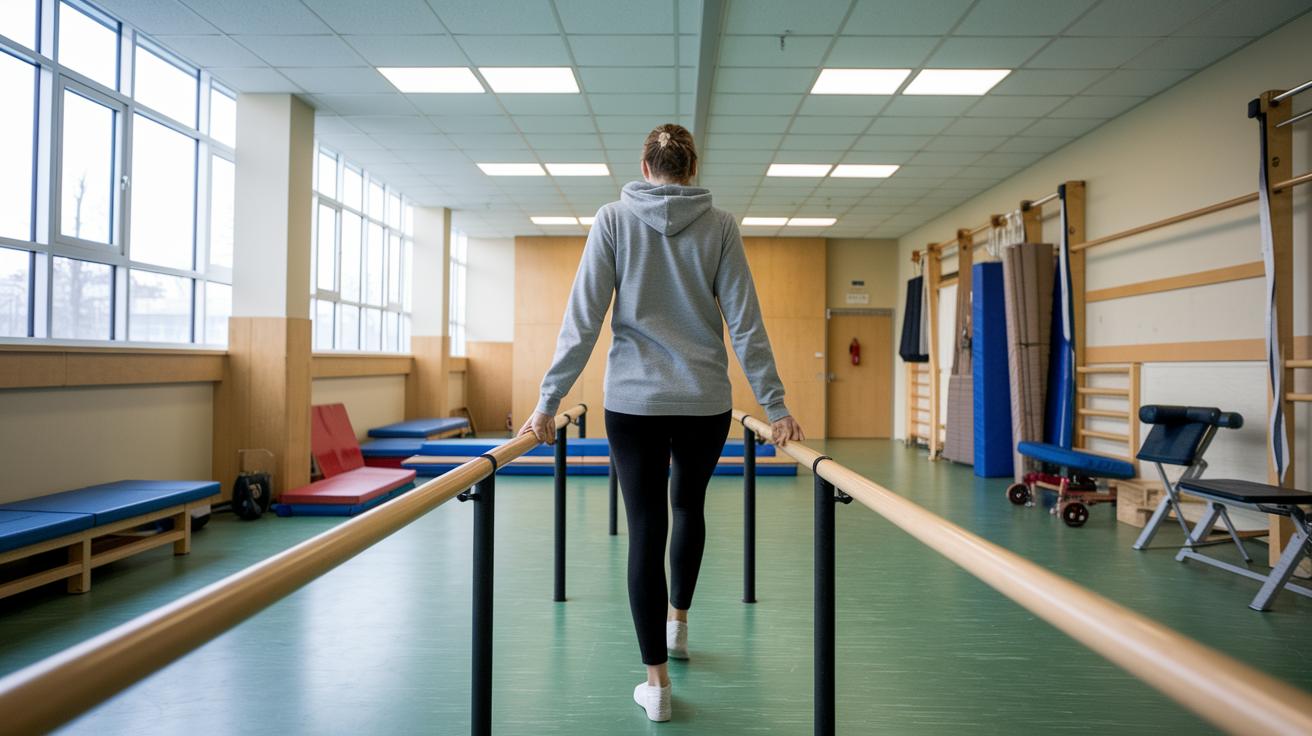
Backwards walking is a surprisingly useful movement hack: reversing gait changes joint loading, recruits different muscle patterns, and challenges balance and coordination. It's used in rehab to unload knees and retrain proprioception, and many people report improved hip activation and reduced knee pain when done carefully. Start slowly in a safe, clutter-free area, hold a rail or partner if needed, and aim for small bouts, 3–5 minutes at a time, progressing to 10–15 minutes. Try alternating with forward walking and integrate into warmups or recovery walks. If you have neurological conditions or severe joint issues, check with a clinician before adding it.
Sunrise and sunset: natural light therapy for circadian tuning
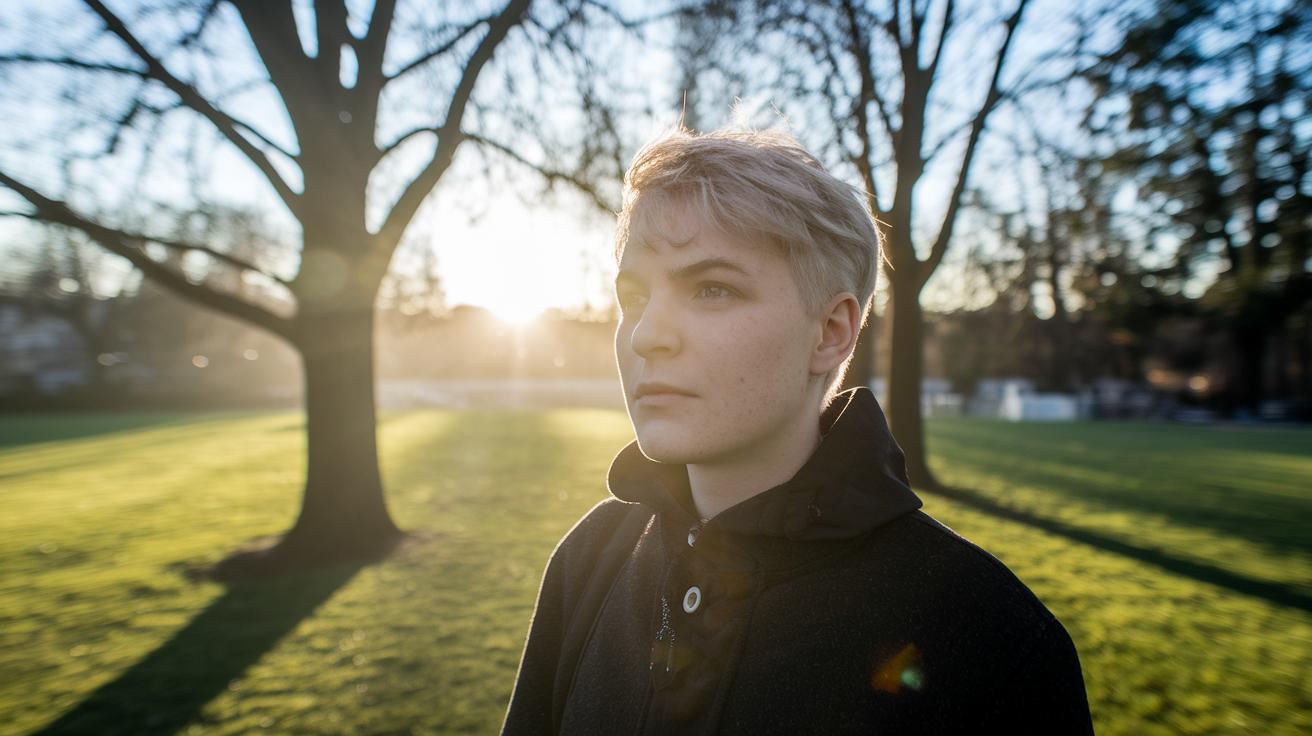
Sunrise and sunset exposure are simple, powerful ways to tune your circadian rhythm without gadgets. Morning bright light (10–20 minutes of outdoor exposure within 30–60 minutes of waking) signals day, boosts alertness, and helps set melatonin timing; evening golden-hour light and dimming indoor lights after dusk encourage earlier melatonin release. 'Sun gazing' at low angles during non-peak hours is sometimes suggested, but looking directly at the sun can harm the retina, prefer indirect exposure or very brief looks and consult an eye professional. Pair natural light with blue-light blockers at night or red-light therapy as needed for sleep hygiene.
terbinafine nail fungus improvement
terbinafine nail fungus improvement
sildenafil fake product warning
sildenafil fake product warning
avanafil cardiovascular contraindications
avanafil cardiovascular contraindications
Alcohol and Sildenafil PD
Alcohol and Sildenafil PD
Viagra vs sildenafil onset
Viagra vs sildenafil onset
Sildenafil vs Avanafil Onset Differences
Sildenafil vs Avanafil Onset Differences