
Ever wonder if your everyday meals might hold the secret to losing weight? A balanced diet for weight loss isn’t about tough calorie restrictions. It’s simply about loading your plate with lean proteins, fiber-rich carbohydrates, healthy fats, and fresh fruits and veggies. This kind of mix helps keep hunger at bay and gives your energy a nice boost. In this post, we explore seven key benefits that show how a balanced diet can change your eating habits and warm your heart, all while guiding you toward your weight loss goals.
Key Components of a Balanced Diet for Weight Loss
When you’re looking to lose weight, a balanced diet means filling your plate with lean proteins, high-fiber carbs, healthy fats, and plenty of fruits and vegetables. This kind of eating plan gives your body the nutrients it needs while helping you feel full, which can naturally control your appetite. For example, having eggs with a bit of buttered toast in the morning can keep hunger at bay for up to four hours, a finding from a 2020 study. To learn more about what makes a balanced diet, check out What is a balanced diet.
Each food group plays its own important role. Lean proteins like eggs, fish, or skinless chicken help you maintain muscle and feel satisfied. High-fiber carbs from whole grains, beans, and veggies such as broccoli and cauliflower slowly release energy that lasts. Healthy fats from foods like avocados, nuts, or olive oil help balance your energy, and leafy greens like kale and spinach add fiber while keeping you hydrated. Think of your plate as a palette where every color and texture works together to create a healthy masterpiece.
Research supports the benefits of this balanced approach. Studies show that when you eat a diet rich in whole foods while keeping your calorie intake in check, you can lose about 1–2 pounds per week. Imagine enjoying meals that consistently keep your hunger in check and give you a steady boost of energy, all while satisfying your taste buds with a delightful mix of flavors and textures.
Macronutrients and Portion-Controlled Meals for Effective Weight Loss
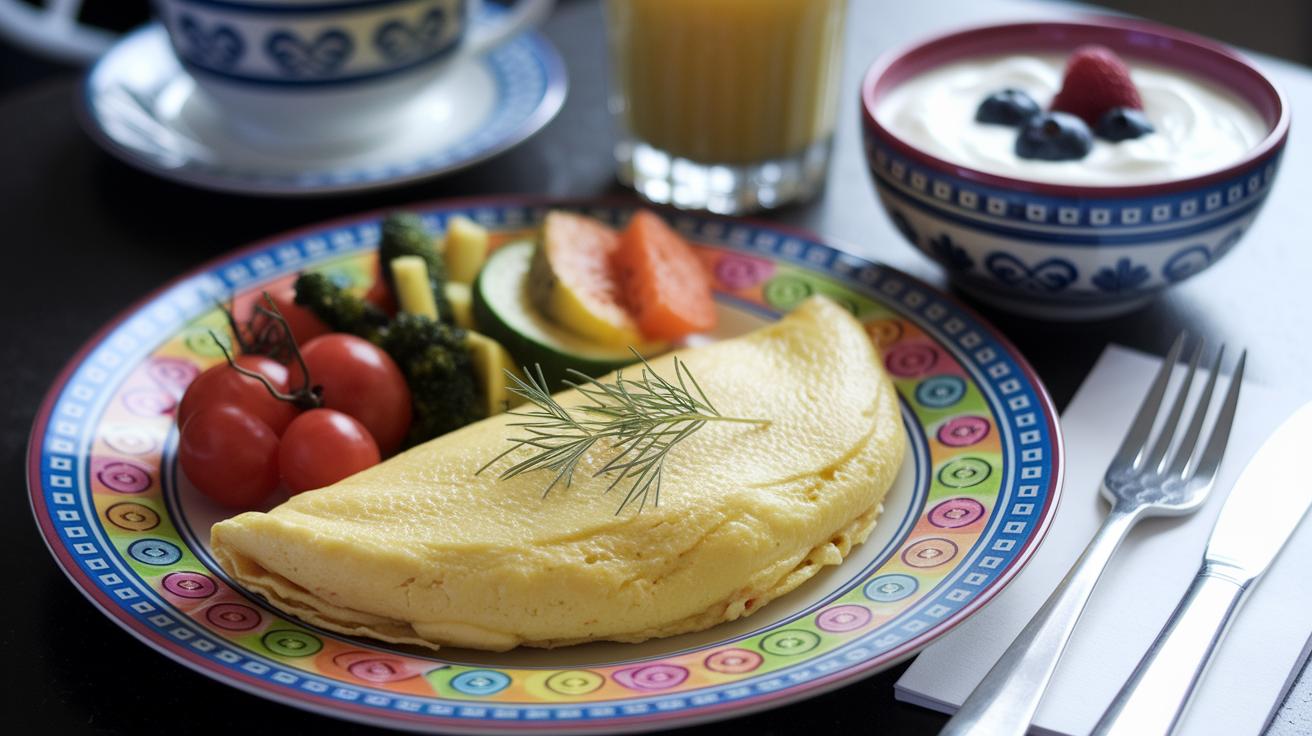
When it comes to losing weight, understanding how your body uses carbs, protein, and fats is a great starting point. Think of it like setting a budget for your calories, aim to cut about 500 calories a day, which can help you lose roughly 1 pound each week. The USDA suggests that most of your calories (45-65%) come from carbs, around 10-35% from protein, and 20-35% from fats. This simple guide is your roadmap to steady and healthy progress.
Portion-controlled meals take the guesswork out of eating well. Use everyday cues, like a palm-sized serving for protein and a fist-sized portion for carbs, so you always know if you’re eating just enough. Keeping your meals planned and tracking calories can reveal sneaky extra calories you might miss. These easy tips work perfectly with a calorie-cut plan, making sure every bite helps you move forward and keeps unnecessary snacking in check. For more details, check out the Balanced diet chart.
Combining the right macronutrient mix with simple portion control puts you on a clear path to weight loss. By sticking to a calorie deficit and measuring your food carefully, you can progress steadily without feeling deprived. Use your guide every day and keep a food log to help with portion tracking. This approach makes your journey practical and keeps you motivated as you build healthier eating habits.
7 balanced diet for weight loss wins hearts
Protein-rich foods play a big role in keeping hunger at bay. Lean choices like eggs, Greek yogurt, and skinless chicken or fish help build strong muscles and keep you full longer. Picture starting your morning with a soft omelet bursting with colorful veggies or enjoying a bowl of creamy Greek yogurt with a handful of berries. Every bite gives you the protein you need to feel satisfied and stay energized throughout your day.
Smart carb choices are a key part of a balanced weight loss plan. Instead of quick sugars, opt for whole grains, beans, and root vegetables. These foods provide steady energy and lots of fiber for smoother digestion. Low-calorie, crunchy veggies like broccoli and cauliflower also add bulk that helps you feel full. Imagine a hearty quinoa salad filled with bright bell peppers and beans, it keeps you fueled and wards off those energy dips. For a nutritious snack, try a serving of Nutrient Dense Snacks.
Healthy fats complete the picture. Foods like avocados, nuts, and olive oil give you balanced energy and even help kickstart your body’s natural fat-burning process. A dash of chili pepper or a sprinkle of chia seeds can make your meal even more satisfying. Think about drizzling a little olive oil on your salad, it adds a rich flavor while nourishing your body with essential good fats.
Sample Healthy Weight Loss Meal Plan Templates
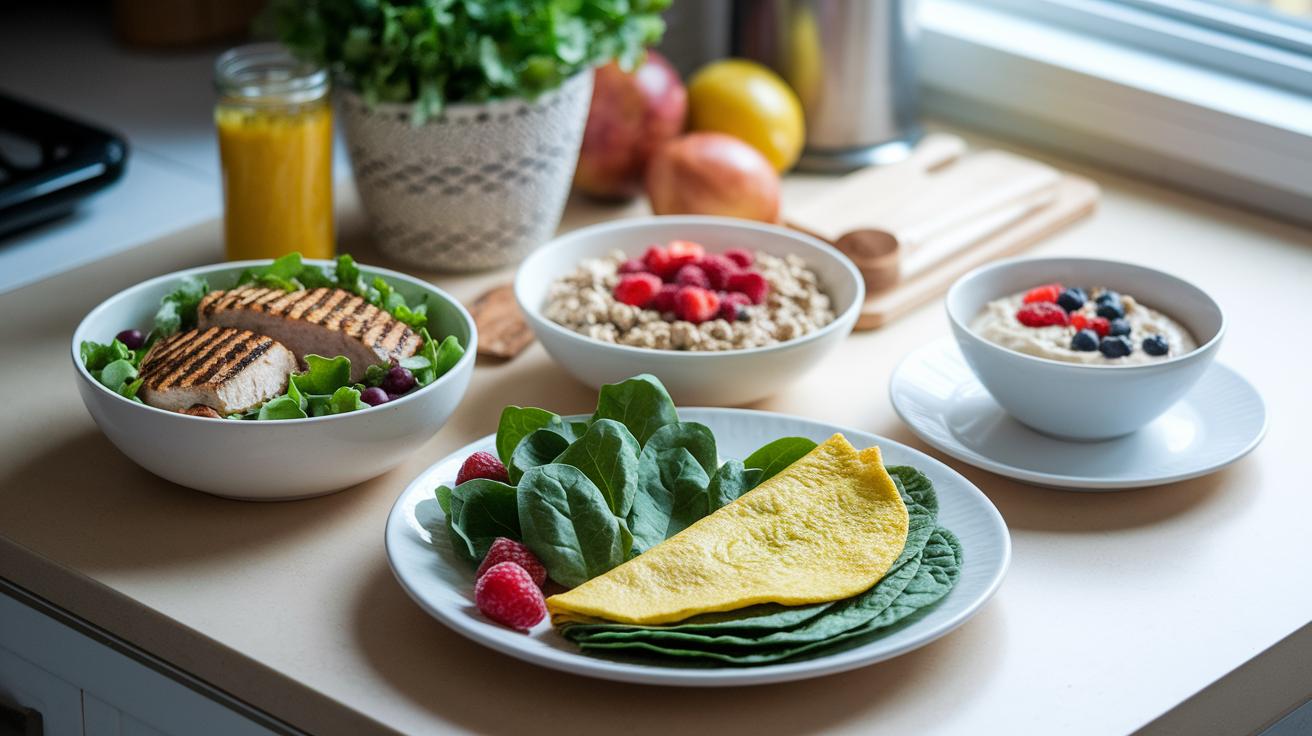
Here's a simple, five-day meal plan designed to help you lose weight while enjoying tasty, balanced portions. This easy-to-follow guide is perfect for busy folks who want to meal prep without any fuss. Start your day with a breakfast that wakes up your metabolism (how your body turns food into energy), enjoy a hearty lunch to keep you going, and finish with a relaxed, balanced dinner.
This plan is ideal if you're juggling a busy schedule and need quick yet healthy meal ideas. Feel free to mix things up, swap dishes or adjust portion sizes to match your taste and nutritional needs. Even a small change, like adding a side salad or an extra piece of fruit, can give your meals a fresh twist.
| Day | Breakfast | Lunch | Dinner |
|---|---|---|---|
| Monday | Eggs & buttered toast | Grilled chicken salad | Baked salmon with broccoli |
| Tuesday | Greek yogurt parfait | Veggie & quinoa bowl | Turkey stir-fry with mixed vegetables |
| Wednesday | Oatmeal with berries | Lentil soup & whole-grain roll | Roast chicken & root vegetables |
| Thursday | Spinach omelet | Tuna wrap on whole wheat | Beef chili with beans |
| Friday | Green smoothie with protein | Chickpea salad | Tofu stir-fry with brown rice |
This handy five-day plan is a great tool for anyone trying to eat healthier while keeping up with a busy lifestyle. Each meal is designed to boost your energy in the morning, keep you full through lunch, and offer a stress-free dinner option. With a clear, printable guide at hand, you can easily prepare your meals, experiment with new combinations, and enjoy every bite as you move closer to your weight loss goals. Happy cooking!
Practical Portion Sizing Hacks and Calorie Deficit Strategies for Weight Loss
Ever notice how a few simple objects can help control portions? Try thinking of a deck of cards as a guide for lean protein, a cupped hand for grains, and your thumb for fats. These common items serve as quick, reliable cues so you can measure your food without any fancy tools. This trick not only makes meal prepping easier but also supports a steady calorie deficit while keeping your portions satisfying.
Another handy tip is to track what you eat. Whether you jot things down in a journal or use an app, this habit reveals little patterns in your meals you might otherwise miss. By keeping track, you can spot where those extra calories sneak in and tweak your portions as needed. It’s like getting to know your eating habits up close, helping you make small adjustments that add up to real progress.
A simple glass of water before meals can also work wonders. This little step often helps your stomach feel full sooner, which can slow down overeating. Combined with visual cues and keeping a food log, this small change sets you up for a balanced, sustainable weight loss journey.
Sustainable Nutrition Plan and Healthy Habits for Weight Loss

Long-term weight control starts with a clear, simple plan. Setting regular meal times and practicing mindful eating help you listen to your body's hunger cues and control portions. It’s like having a daily appointment with yourself, your body really enjoys the consistency. A steady routine not only builds good eating habits but also keeps your energy even throughout the day.
Another smart move is to use practical planning tools. Making a grocery list and doing some batch cooking cut down on the need for takeout. This way, you know exactly what’s going into your meals and can avoid quick, last-minute decisions. When you prepare meals ahead, you stick to portion control and flexible dieting, making it easier to stay on track.
Mixing up your menu also plays a big role. By swapping similar foods, different fruits, vegetables, and protein sources, you keep things interesting and boost your nutrient intake. Following simple guidelines, like the Mayo Clinic Healthy Weight Pyramid, helps you focus on filling your plate with fruits and veggies while having richer foods in smaller portions. This approach makes healthy eating both fun and sustainable.
Final Words
In the action, the post broke down how a balanced diet for weight loss works, covering lean proteins, smart carbs, healthy fats, and plenty of fruits and veggies. It offered practical tips on portion control, calorie tracking, and easy meal planning strategies. The guide also highlighted studies and visual cues that help you stay on track. Keep moving forward with a balanced diet for weight loss and embrace small, positive steps toward lasting well-being.
FAQ
What is the best balanced diet to lose weight?
The best balanced diet includes lean proteins, high-fiber carbohydrates, healthy fats, and plenty of fruits and vegetables. This plan keeps you full while creating a gentle calorie deficit. See What is a balanced diet for more details.
How should a 7-day weight loss meal plan be structured for beginners?
A 7-day plan provides daily menus of balanced meals—like eggs at breakfast, lean protein salads at lunch, and whole-food dinners—that use portion control to support gradual, healthy weight loss.
Which five foods help support weight loss?
Foods such as lean chicken, Greek yogurt, leafy greens, whole grains, and nuts offer essential nutrients, promote fullness, and support energy balance when included as part of a well-rounded, calorie-managed diet.
What are the benefits of the Mediterranean diet for weight loss?
The Mediterranean diet features lots of fruits, vegetables, lean proteins, and healthy fats like olive oil. Its balanced eating approach supports heart health, energy stability, and effective weight management.
What is the 30 30 30 rule for weight loss?
The 30 30 30 rule divides a meal so that about 30% comes from proteins, 30% from carbohydrates, and 30% from fats, helping maintain energy levels and control hunger throughout the day.
How can I lose 10 pounds in 2 weeks or drop 20 pounds fast?
Losing weight quickly requires strict calorie control, careful portion sizing, and balanced meals. Although fast losses can happen, gradual weight reduction through moderate deficits is generally safer and more sustainable.