
Ever thought that just three simple drills might change your entire workout?
These exercises work every big muscle in your body in only 35 minutes.
Imagine doing squats, rows, and lunges that move together like a smooth, well-tuned machine.
They help build your muscles and boost your strength so you feel more powerful every day.
This plan gives you a clear, step-by-step guide to work hard and recover smart.
Ready to see real changes with a balanced, efficient routine?
Comprehensive Full Body Strength Workout Plan
This 35-minute workout is your go-to guide for building muscle and boosting overall strength. It starts with an active warm-up to get your joints and muscles ready, then moves into nine focused exercises using medium-to-heavy dumbbells (usually 15–25 lbs). Each move is chosen to work big muscle groups like your legs, glutes, quads, hamstrings, hips, core, back, chest, shoulders, biceps, and triceps. Using dumbbells gives you a clear, step-by-step plan that carefully balances building strength with proper recovery.
| Exercise | Equipment | Sets × Reps | Primary Muscle |
|---|---|---|---|
| Dumbbell Front Squat | Dumbbells | 3×6-8 | Legs & Glutes |
| Dumbbell Back Row | Dumbbells | 3×8 | Back |
| Dumbbell Lunges | Dumbbells | 3×8 each leg | Legs |
| Bicep Curl and Shoulder Press | Dumbbells | 3×8 | Shoulders & Arms |
| Romanian Deadlift and Clean | Dumbbells | 3×6-8 | Hamstrings & Core |
| Dumbbell Chest Press | Dumbbells | 3×8 | Chest |
| Dumbbell Glute Bridge | Dumbbells | 3×10 | Glutes |
| Skull Crushers | Dumbbells | 3×8 | Triceps |
| Dead Bug | Bodyweight | 3×10 | Core |
After you get through these strength moves, you wind down with an easy low-impact cardio session. This final part raises your heart rate just a bit and helps melt away any leftover tension, rounding out your workout for a full body boost.
Essential Warm-Up and Mobility for Full Body Strength Training

Begin your workout with an active, dynamic warm-up that gets your muscles moving and your joints feeling loose. It helps get your blood pumping and warms up your tissues, so you can move more easily and lower your chances of getting hurt. A good warm-up brings steadiness and alertness to your body, making it ready to take on tougher workouts.
- Leg swings
- Hip circles
- Arm crosses
- Dynamic lunges
- Shoulder taps
- Inchworms
These exercises wake up different parts of your body and boost your balance and coordination, which are key when you move on to more challenging exercises. Each move covers a different muscle group, giving you a greater range of motion and smoother movements.
Mixing in these stretches and mobility drills not only reduces the risk of injuries but also improves how well you perform. Think of your warm-up as the bridge that lifts you from a slow start to an energetic workout session, making sure every muscle is set to perform at its best. Enjoy the process and let each movement prepare you for a more effective and enjoyable training session.
3 full body strength workout drills build muscle
Dumbbell Front Squat
Start with your feet about shoulder-width apart and keep your chest lifted. Lower yourself slowly, as if you’re getting ready to sit in a chair, until your thighs are almost parallel with the floor. Keep your back straight and your stomach tight throughout the move. Breathe in when you lower down and breathe out as you stand back up. This exercise helps build strong legs and a firm butt while keeping your form safe.
Dumbbell Back Row
Bend forward at the waist with a little bend in your knees so your back is flat. Hold the weights and pull them toward your middle, like you’re gently rowing a boat. Squeeze your shoulder blades together at the top and keep your core tight to protect your lower back. Imagine a smooth rowing motion where every pull wakes up your muscles without any extra strain.
Romanian Deadlift
Stand with your knees slightly bent and slowly hinge at your hips while letting the dumbbells lower along your legs. Keep your back straight and your core engaged the entire time. Feel a gentle stretch in your hamstrings as you lower down, and then use those same muscles to lift back up. Think of it like carefully lowering a glass of water, steady and controlled to keep everything balanced.
Dumbbell Chest Press
Lie down on a bench or the floor with the dumbbells resting by your chest. Press the weights up until your arms are straight, all the while keeping your elbows at about a 90-degree angle. Focus on moving slowly and steadily, making sure your shoulder blades stay at ease. Picture pushing the weights upward confidently, knowing every push builds strength.
Tailored Variations for Beginners, Intermediate, and Advanced Levels
Finding the right workout schedule that fits both your experience level and your goals is really important for long-term success. Whether you're just starting out or you've been training for years, tweaking your workout splits and rep counts can help you build muscle safely and effectively.
• For beginners: Try a 3-day full body routine. Focus on key exercises like squats, rows, and presses, doing about 3 sets of 6 to 8 reps. This plan builds a strong base and overall strength. For more ideas, check out some beginner workout routines at home (https://siluk.net?p=).
• For those at an intermediate level: A 3- or 4-day split might be right for you. This approach adds a few extra moves for accessory muscles and bumps up the rep range to about 8 to 12. It mixes main lifts with supporting exercises so your sessions stay balanced and never feel too overwhelming.
• For advanced trainers: When you’ve got the basics down, you can consider a 4-day or even more frequent plan. Increase your workout volume with extra sets and intensity techniques. Adding active recovery days helps you manage fatigue and ensures every muscle group gets enough attention.
As you move forward, listen to your body and make note of improvements in strength and performance. If you hit plateaus or feel overly tired, it might be a good time to adjust your rep range, add more sets, or change up your training split. Gradually raising the challenge while still allowing for proper recovery is key to building lasting strength.
Equipment Options: Home Gym and Gym Setups for Full Body Workouts
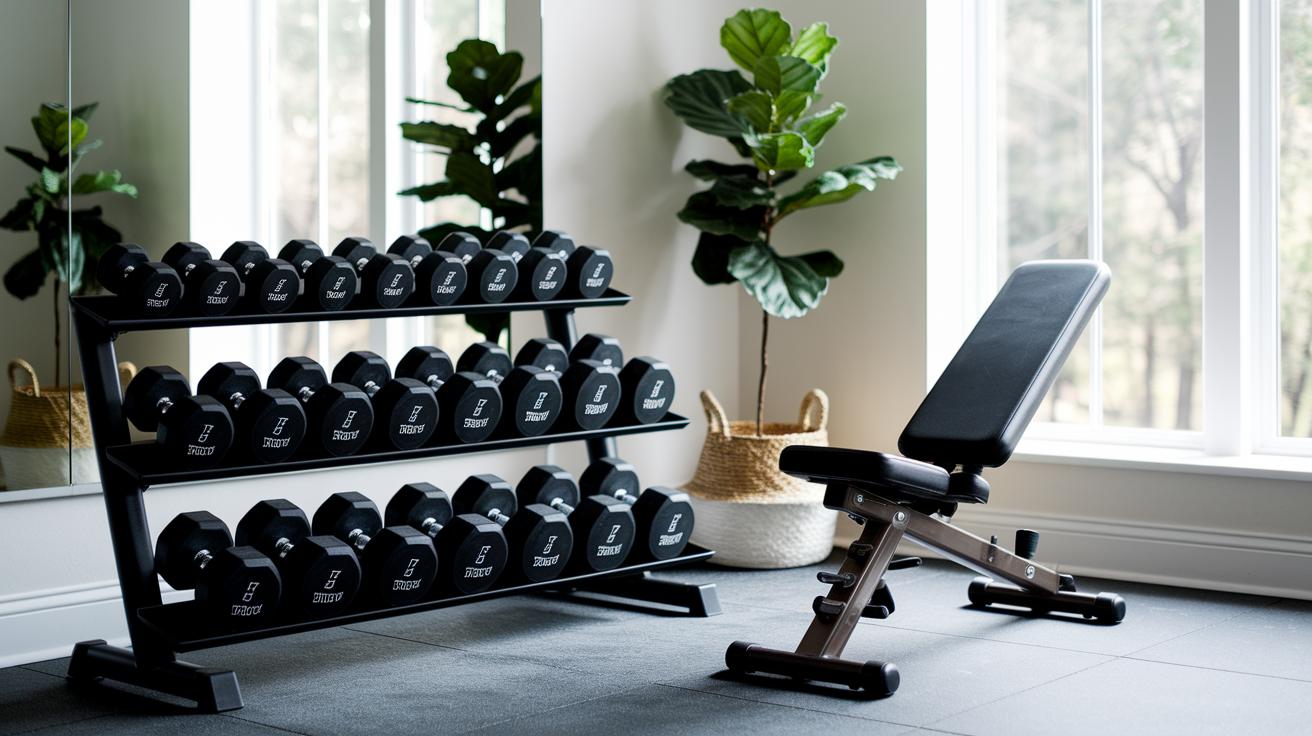
When you create a home gym, you can set up a space that feels both practical and inviting. Picture a room with a mix of medium-to-heavy dumbbells (think 5 to 25 lbs), a few resistance bands, and an adjustable bench. This simple setup makes it easy to swap between exercises and enjoy the benefits of free weight workouts right at home. It supports both steady exercises and more active strength routines without needing a lot of gear.
Going to a gym opens up even more possibilities. Here you can use equipment like barbell stations, cable machines, and kettlebells. This wider selection offers a dedicated space for heavier lifts and different exercise styles. It also lets you mimic your favorite moves and push your limits with a range of weights and machine-assisted exercises.
If you’re short on space or budget, don’t worry. Using just your bodyweight and bands can stand in for many exercises. These options still challenge your muscles and help build strength, showing that you can get a great workout even with minimal equipment.
Tracking Progress and Adjusting Your Full Body Strength Workout
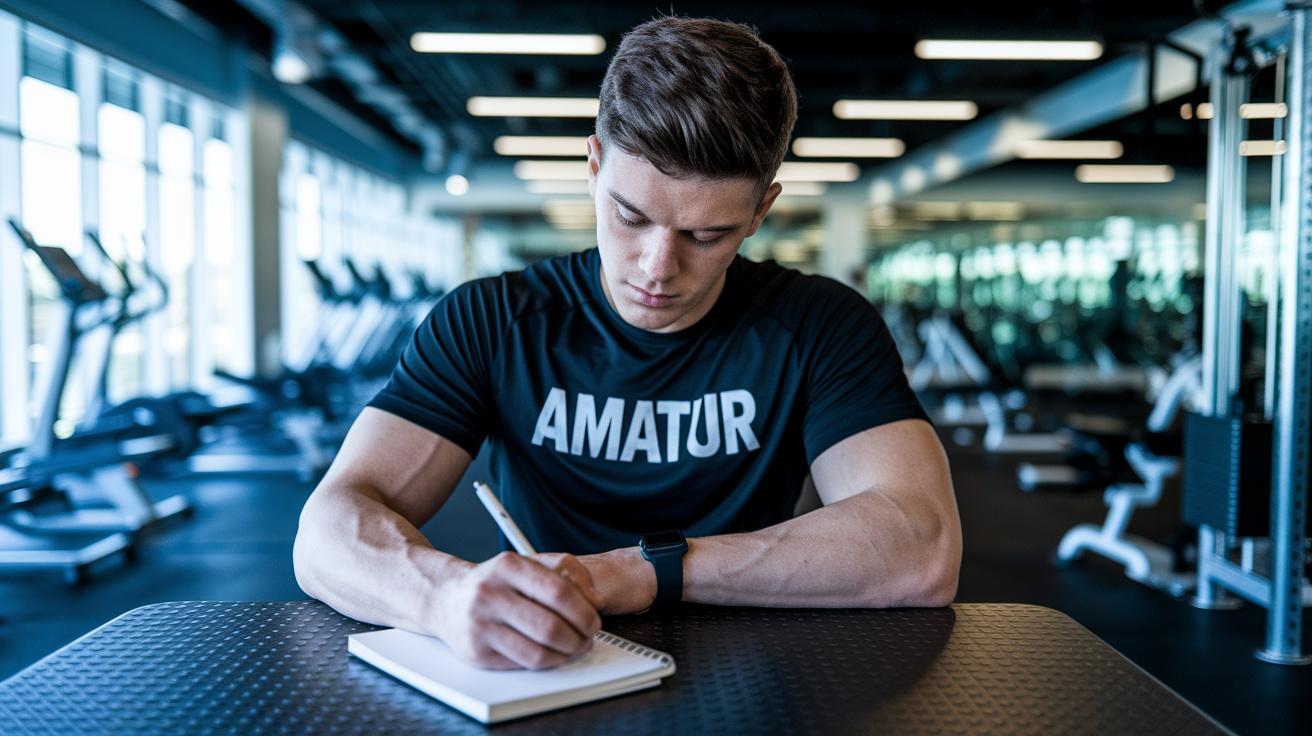
Keeping a record of your workouts is very important. You can use a phone app, a notebook, or even a simple spreadsheet to jot down your weight, sets, reps, and how long you rest between exercises. This helps you see your progress clearly and shows which parts of your workout might need a little extra attention. For instance, writing down your performance after each session can help you notice patterns and set realistic goals for your next workout.
When your routine starts to feel too easy, it might be time to push yourself a bit harder. If you finish your sets quickly or find them no longer challenging, try adding more weight or an extra rep to each set. This gradual increase, known as progressive overload, is a trusted method to steadily improve your strength and build muscle.
It’s a good idea to review your workout plan every 4 to 6 weeks. Take a look at your journal and compare your past efforts to what you’re doing now. By checking your progress and making small adjustments, you can keep your program effective and on track.
Final Words
In the action, this piece laid out a clear blueprint of a full body strength workout plan, covering everything from a dynamic warm-up to a low-impact cardio burnout. It detailed proper form, tailored variations for different skill levels, and equipment options for both home and gym setups. Tracking progress and making smart adjustments were also emphasized to help you keep advancing. Stay motivated and keep challenging yourself with this full body strength workout as you build a healthier, stronger you.
FAQ
What is a full body strength workout PDF?
A full body strength workout PDF offers a concise guide that outlines exercises, sets, and rep schemes. It’s designed to help you work all major muscle groups effectively at home or at the gym.
What is a full body strength workout at home?
A full body strength workout at home outlines exercises that target every major muscle group. It uses minimal equipment and clear directions to keep your routine effective and easy to follow.
What is a full body strength workout for females?
A full body strength workout for females delivers exercises that focus on toning and sculpting. It is designed to meet female fitness needs by targeting key areas like the legs, core, and arms.
What is a full body strength workout with weights?
A full body strength workout with weights utilizes dumbbells or barbells to challenge various muscle groups. It combines compound movements for balanced strength development and improved overall stability.
What is a full body workout plan PDF?
A full body workout plan PDF is a downloadable guide that details structured exercises, warm-ups, and rep schemes. It simplifies planning your strength training routine for balanced muscle engagement.
What does a full body workout for gym-going females entail?
A full body workout for gym-going females integrates weight training and functional moves. It offers a balanced routine that tones muscles and boosts strength efficiently in a gym environment.
What is a full-body workout routine at home?
A full-body workout routine at home includes step-by-step exercises that target all primary muscle groups. It’s designed to be adaptable with minimal equipment while providing an effective strength session.
What is a full body strength workout for mass?
A full body strength workout for mass uses heavier weights and lower reps to promote muscle growth. It targets multiple muscle groups with compound lifts, encouraging muscle hypertrophy throughout your routine.
Is it okay to do a full body strength workout?
Yes, a full body strength workout is fine since it promotes balanced muscle development and efficient training. When paired with proper recovery and technique, it’s an effective approach for overall fitness.
What is the best exercise for full body strength?
The best exercise for full body strength involves compound movements that engage several muscle groups at once. Exercises like squats or deadlifts offer efficient and balanced muscle development when performed correctly.
What is the 3 3 3 rule for working out?
The 3 3 3 rule means doing three sets of three different exercises targeting major body areas. This approach provides a balanced session that efficiently works all key muscle groups during your training.
What is 5 4 3 2 1 strength training?
The 5 4 3 2 1 strength training method uses a descending rep scheme to challenge your muscles. This structured format helps transition from higher to lower reps, boosting endurance while stimulating targeted muscle groups.