
Do you ever feel weighed down by your worries? Mindfulness can help you find a calm inner space and slow down that racing mind. When you take a deep breath or quietly scan your body, you give yourself a little break that lets the stress fade away. Imagine it like a cool breeze on a hot day, a simple pause that clears your mind and eases those overwhelming thoughts.
How Mindfulness Practice for Anxiety Provides Immediate Relief

Mindfulness is all about staying in the moment and noticing your thoughts without getting swept away by them. It can quickly calm your mind by pulling your focus away from worries and into the present. In just a few deep breaths, you can ease a racing mind almost immediately. When you pay attention to your breathing or do a quick scan of your body, it's like giving yourself a mini-break that melts away stress.
Try watching your inner world with the same curiosity you’d have for a friend. This gentle observation helps slow down your body’s fight-or-flight response, lowers stress hormones, and even sparks the release of natural, feel-good endorphins. It’s not just a way to distract yourself, it's a method that resets your body’s natural calm.
Simple steps like taking a mindful breath or doing a brief body scan work as little inner peace exercises that ease strong emotions. Over time, as you practice mindfulness, moments of overwhelm start to shrink and your body learns the art of relaxation. This lets you face stressful situations with a clear mind and calm focus. Enjoy the relief of simply being present.
The Neuroscience Behind Mindfulness Practice for Anxiety
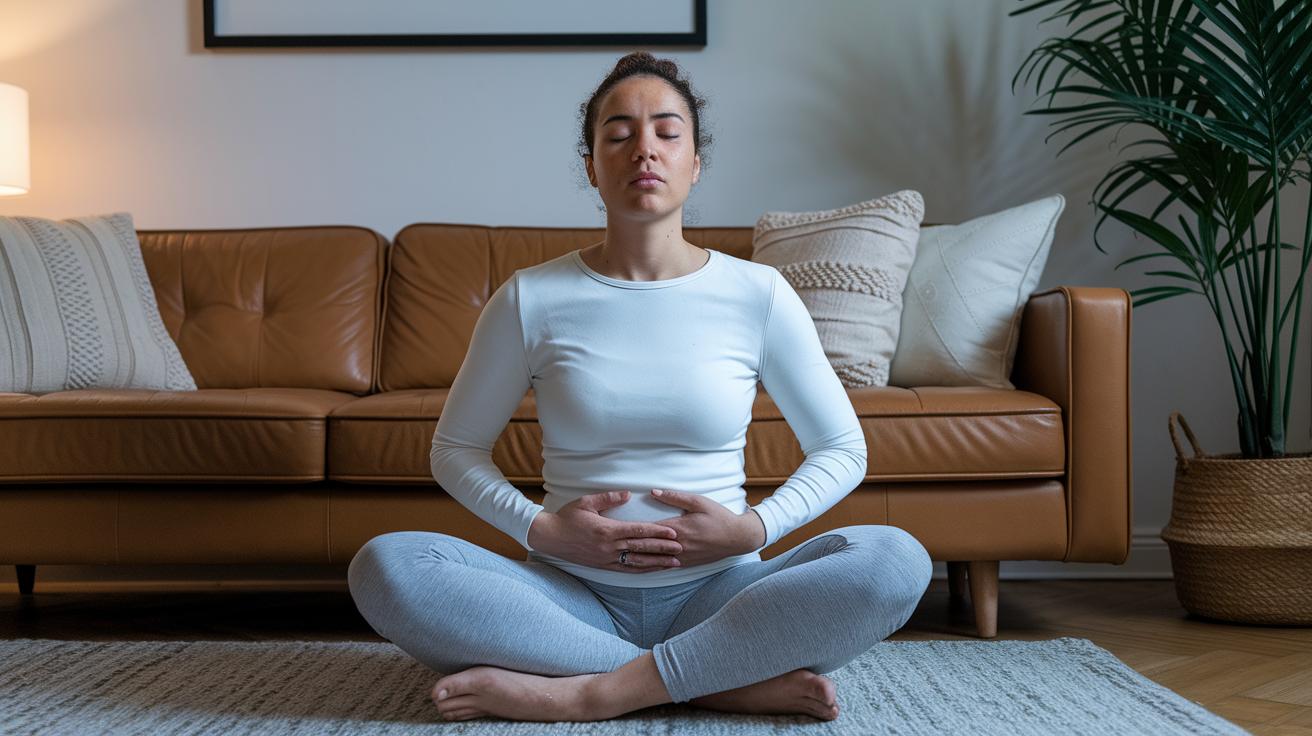
When anxiety hits, it feels like your body is hitting a panic button. Your sympathetic nervous system – the part that kicks in during fight or flight – sends out stress hormones that make your heart race, your palms sweat, and your thoughts spin. It's much like being startled by a sudden noise, and your body leaps into survival mode.
Mindfulness helps calm that busy response. When you focus on breathing, you switch on your parasympathetic nervous system, which works like a gentle counterbalance. This system slows your heartbeat and releases natural endorphins that soothe both your body and your mind. Picture taking a slow, deep breath and watching your stress melt away, like ice dissolving in warm sunlight.
By practicing mindfulness, you give your mind a break. Shifting your focus to the present moment stops the rush of stress hormones and breaks the cycle of anxious thoughts. For example, try this simple exercise: "Breathe in slowly through your nose, then exhale gently through your mouth, and feel your tension fade away." This method can help change how your brain reacts to stress, bringing along a feeling of inner peace and clearer thinking even during challenging times.
Core Mindfulness Practice for Anxiety Exercises to Reduce Worry
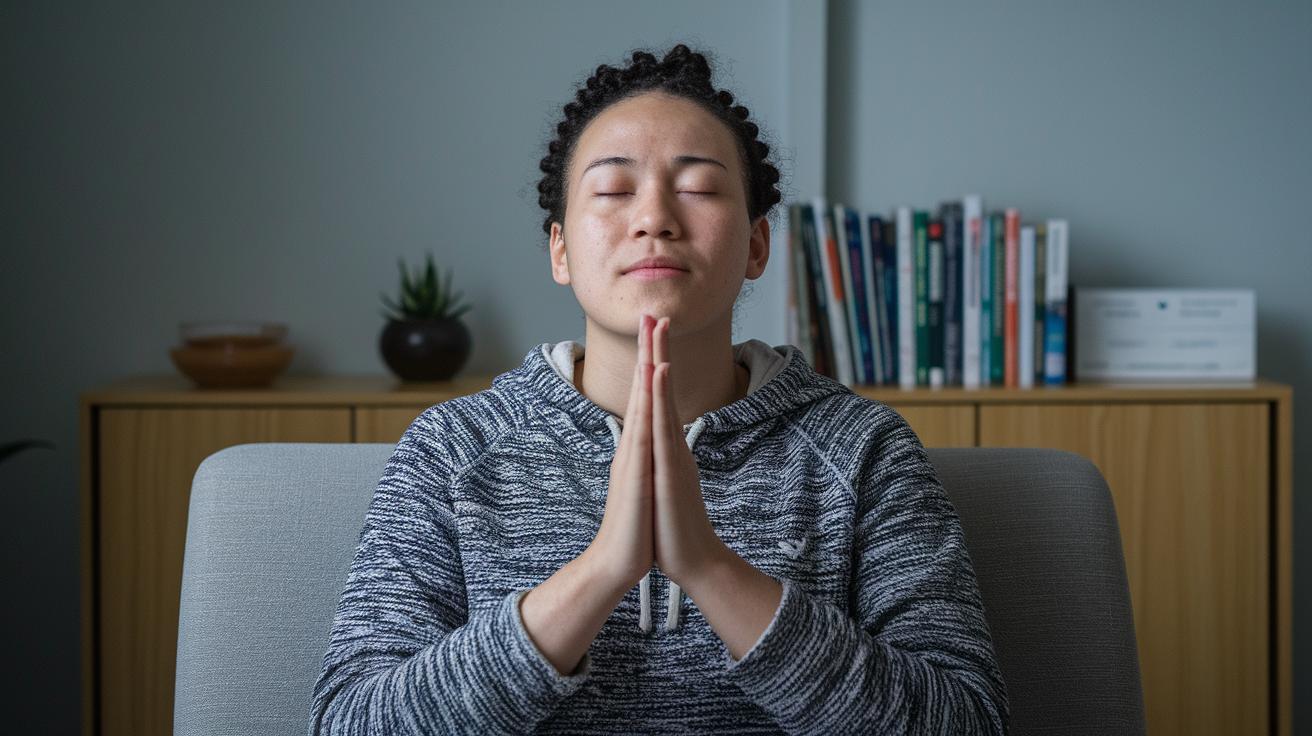
Start by paying attention to your breathing. Find a quiet spot and make yourself comfortable for a few minutes of deep breathing. Breathe in slowly through your nose and feel your chest expand, then exhale gently through your mouth. This simple practice helps shift your focus away from stress and signals your body to relax.
Next, try doing a body scan. Sit comfortably and slowly move your attention from the top of your head down to your toes. Notice any tight spots or unusual feelings without judging them. This exercise helps ground you in the present and stops you from getting lost in worries about the past or future.
Now, practice not reacting to your thoughts. When a worrisome thought pops up, take a moment to observe it instead of getting caught up in it. Think of the thought as just a passing event in your mind. This pause gives your brain a chance to let the thought drift away rather than stirring up more anxiety.
After that, take a moment to note what you feel inside. Whether it's tense muscles or a busy, racing mind, simply name the sensation either in your head or on paper. Finally, build in moments of pause throughout your day. When stress starts to build, stop, take a deep breath, and reset. Each of these steps helps form a mindful routine that gently reduces anxiety and brings a sense of inner calm.
Integrating Mindfulness Practice for Anxiety into Everyday Routines
Every day gives you a chance to add small moments of calm into your life. It’s easy to include a simple stress-busting ritual in your morning routine. Maybe start your day with a short, mindful walk. As you step outside, notice how your shoes tap on the pavement and feel the cool air on your face. Let each step remind you to be right here and now.
At work, try carving out a few minutes for a quick mindfulness break. Sit comfortably and watch your chest rise and fall with each breath. Notice any anxious thoughts drift by like clouds across a clear sky. This little practice can turn a hectic day into one with pockets of peace.
When it’s time to eat, try mindful eating. Instead of rushing through your meal, slow down and really taste each bite. Notice the different textures and flavors. This simple shift can help move your focus from stress to the comforting details of your food.
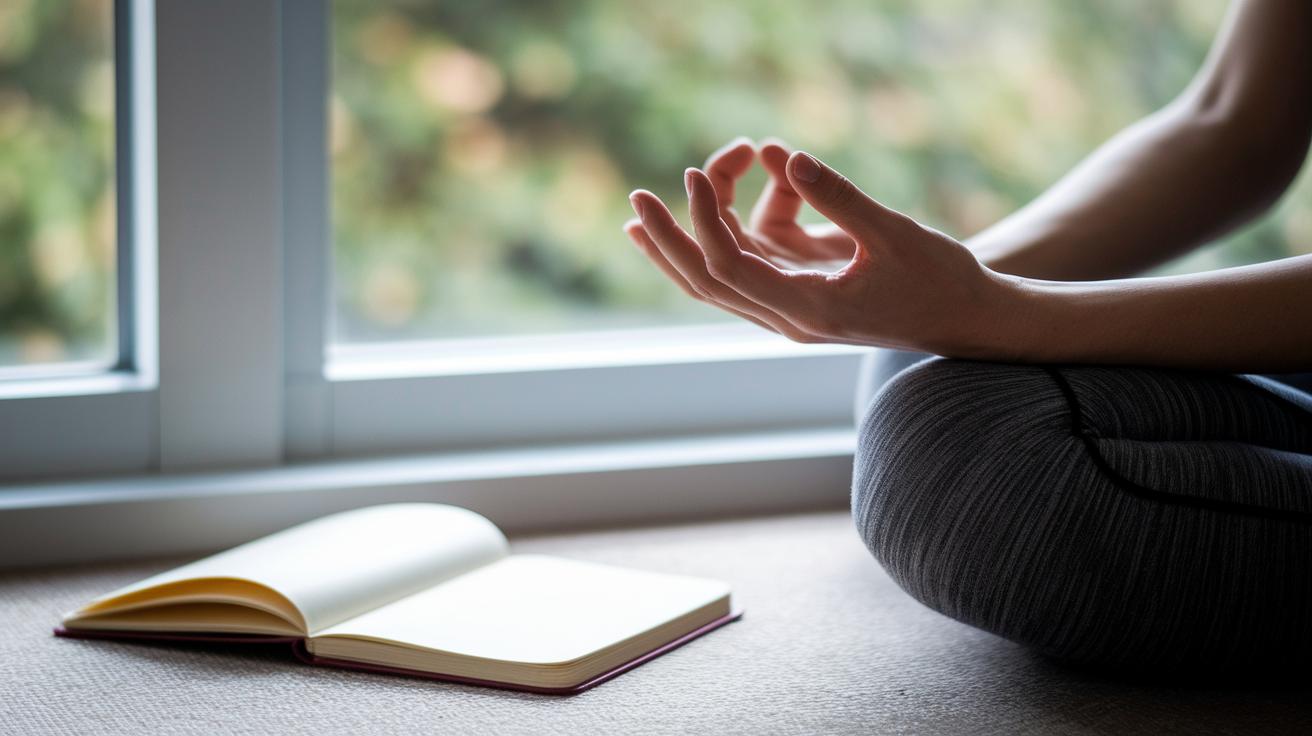
Another helpful idea is to spend a few minutes journaling in the evening. Write down what you noticed during your moments of mindfulness. Keeping track of these experiences can strengthen your daily routine and make managing anxiety feel more doable.
Advanced Mindfulness Practice for Anxiety: Guided Sessions & Formats

Have you ever tested out different guided meditation sessions to find the one that clicks with you? You might start with a simple 5-minute breathing exercise that nicely centers your focus, or try a 12-minute podcast session that flows smoothly and brings calm. Each practice is made to help you find a quiet space where even a few moments let your mind hit the reset button.
Sometimes you can go for a session that lasts about 17 to 20 minutes, giving you just enough time to notice little changes in your thoughts and feelings. If you can spare a bit more time though, a 30-minute session might be perfect, taking you through several mindfulness techniques at a gentle pace. These sessions let you choose what fits best with your schedule and how anxious you feel.
For those battling ongoing stress, mindfulness-based stress reduction, or MBSR (a set plan to ease steady tension), offers a clear structure to help unwind. Similarly, mindfulness-based cognitive therapy, or MBCT, guides you away from negative thoughts. Both methods provide a helpful route, whether you need a quick mental refresh or a deeper break.
If you’re interested in exploring guided meditation further, head over to the meditation resource for anxiety at https://siluk.net?p=134. Try out different session lengths; before long, you’ll see how these practices can smoothly bring moments of calm to your day.
Customizing Your Mindfulness Practice for Anxiety and Tracking Progress
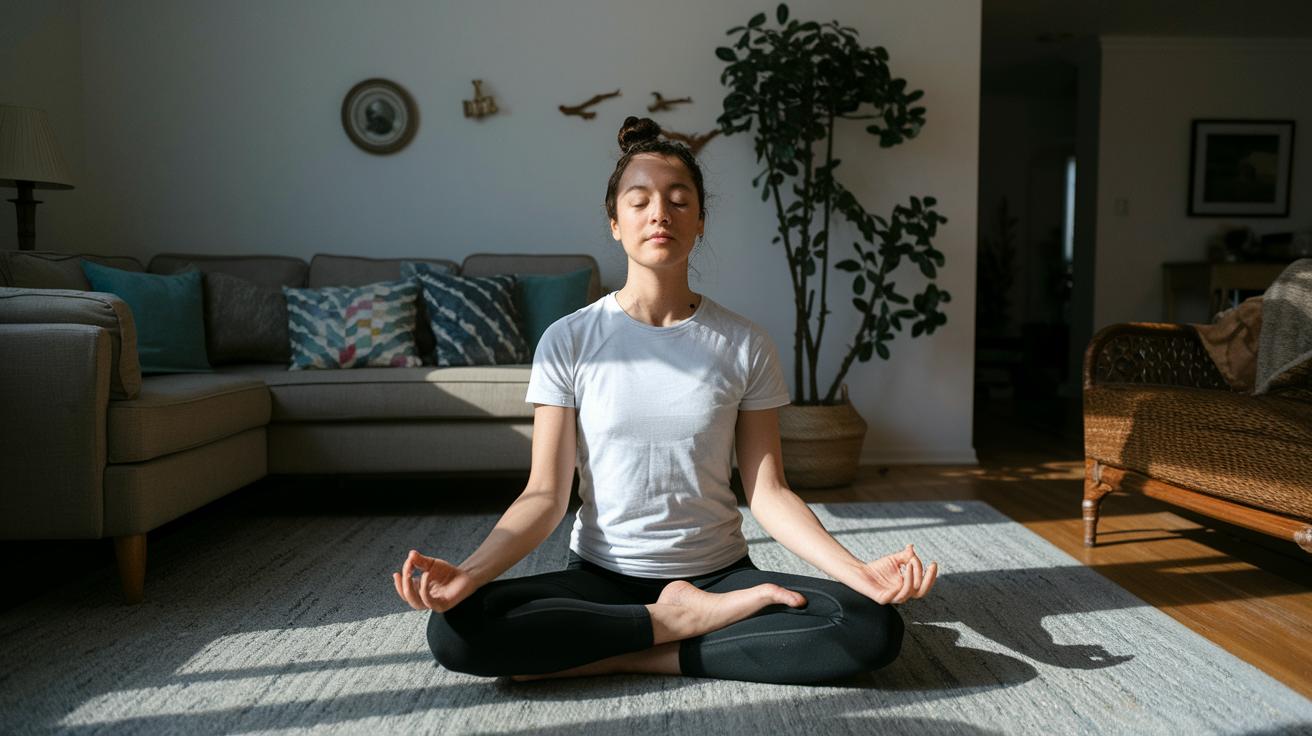
Everyone's mind deals with stress in its own unique way, so it's a good idea to adjust your mindfulness practice to fit your needs. A study from the University of Waterloo found that just 10 minutes of mindfulness each day helped ease repetitive worried thoughts in people with anxiety. Even a short session can act like a quick reset for a busy or stressed mind.
Try different techniques to see what feels best for you. It could be mindful breathing, a body scan, or even a quiet walk. For example, you might pause for a moment, take a deep breath, and notice if you feel any tension. This small step can help you start building your own way to find calm.
Keeping track of your progress can add a helpful structure to your practice. Consider jotting down your thoughts and experiences in a mindfulness journal. Habit-tracking apps can also show you how consistent you are. Noting little wins, like feeling calmer in stressful moments, can boost your commitment and help you see your growth.
As you learn what techniques work best, your routine will evolve into a personal practice that turns anxiety into lasting inner calm.
Final Words
In the action, we explored how mindfulness practice for anxiety can ease stress by shifting our focus to the present. The post broke down key exercises like mindful breathing, body scanning, and simple journaling to help quiet worried thoughts. We also looked at guided sessions and ways to fit these practices naturally into daily routines. Each strategy supports a calmer state and a smarter way to track progress over time. Keep practicing and enjoy the positive impact on your well-being.
FAQ
Mindfulness practice for anxiety YouTube
The search term “Mindfulness practice for anxiety YouTube” refers to guided video sessions that offer step-by-step mindfulness exercises, incorporating breath awareness and body scans to ease anxiety symptoms.
Mindfulness practice for anxiety and depression
Practicing mindfulness for anxiety and depression means using techniques like breath awareness and body scans to calm the mind, reduce stress hormones, and help balance mood naturally.
Free mindfulness practice for anxiety
Free mindfulness practices for anxiety include accessible online videos, apps, and downloadable guides that teach simple techniques such as mindful breathing and grounding exercises to calm the nervous system.
Mindfulness exercises for anxiety PDF and mindfulness exercises PDF
PDF guides for mindfulness exercises offer clear, structured steps like body scans and breath awareness. These resources provide a practical routine to help reduce anxious thoughts and restore calm.
Mindfulness exercises for adults
Mindfulness exercises for adults focus on routines like breathing techniques, mindful movement, and body scans. These practices are designed to lower anxiety levels and promote clarity throughout the day.
What is the 3-3-3 rule for anxiety?
The 3-3-3 rule for anxiety means observing three objects, naming three colors, and taking three deep breaths to redirect your focus from anxious thoughts to the present moment.
What is the 555 rule for anxiety?
The 555 rule for anxiety involves noticing five things you see, five sounds you hear, and five sensations you feel, which helps ground you in the present and reduce anxiety through sensory awareness.
What are the 3 C’s of mindfulness?
The 3 C’s of mindfulness often refer to curiosity, compassion, and calm. They encourage a gentle, open approach to observing thoughts and feelings without judgment, easing anxiety naturally.
What are the 5 R’s of mindfulness?
The 5 R’s of mindfulness stand for Recognize, React, Reflect, Relax, and Return. These steps guide you to pause, acknowledge your thoughts, and gently refocus on the present for anxiety relief.