
Have you ever thought that a few quiet minutes could brighten your day? Imagine stepping away from your busy life and finding a calm moment, much like watching soft waves on a peaceful lake. Mindfulness meditation helps you see your thoughts and feelings as they are, without judging them.
In a hectic world, simple ways to quiet your mind can offer relief, balance, and a fresh outlook. In this post, you'll find easy tips on how to use mindfulness meditation to bring inner peace and add little pockets of calm to your everyday routine.
Understanding Mindfulness Meditation Essentials
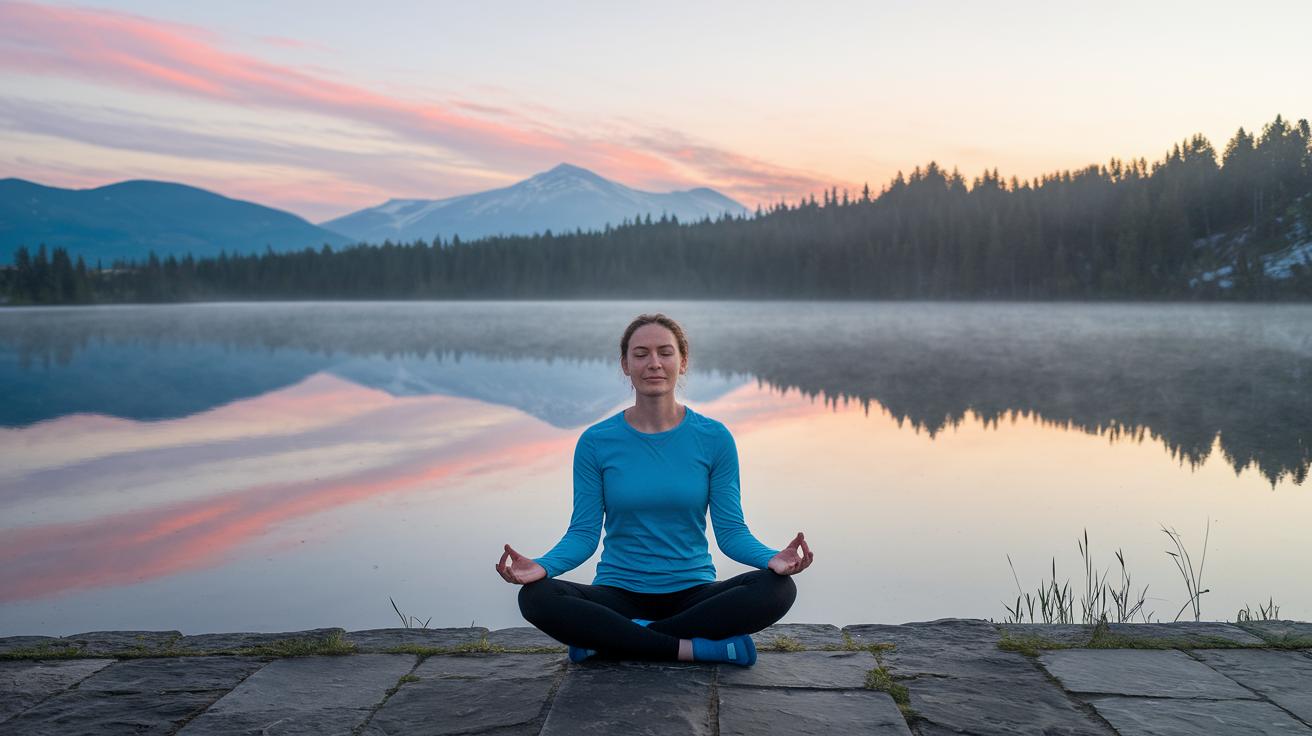
Mindfulness means truly noticing what’s happening around and inside you right now without judging it. It’s like watching your thoughts and feelings pass by, much like clouds drifting in the sky, without getting tangled up in them. We all do this naturally, and with a little bit of practice, anyone can feel its calming effect.
Taking just five minutes each day to sit quietly and focus on your breathing can help lower stress, sharpen your focus, and keep your emotions balanced. Picture yourself pausing to admire a calm, rippling lake. That simple moment of quiet can grow into a regular habit of self-care that brings more peace to your day.
You can start small with easy steps like paying attention to your breathing or noticing little details around you. Even in the middle of a busy day, setting aside a few quiet minutes can ease tension and clear your mind, helping you find a steady, natural rhythm.
Using mindfulness like this helps create more space in your day for calm and purpose. Over time, these mindful pauses gently train your mind to be more aware and relaxed, making life feel a bit more peaceful and enjoyable.
Step-by-Step Mindfulness Meditation Practice Guide

Find a quiet, peaceful spot where you won't be interrupted. Choose a sturdy seat, a chair, cushion, or even a park bench. Sit up straight so you feel both comfortable and awake. This simple setting helps you ease into a calm, focused state.
Next, set a timer for 5 or 10 minutes when you start out. Using a timer on your phone or a kitchen clock means you won't have to worry about checking the time. As you get more comfortable and notice the benefits, you can gradually stretch your sessions to 45 or even 60 minutes.
Here’s an easy way to begin:
- Pick a quiet space with as few distractions as possible.
- Sit in a way that feels relaxed yet alert, with some support if you need it.
- Start with a shorter session by setting a timer for the minutes you want to try.
- Close your eyes and focus gently on your breath. Notice the slow rise and fall of your chest.
- If your thoughts wander, kindly guide your attention back to your breathing.
- Continue until your timer tells you it’s time to finish.
Imagine taking a few quiet minutes each day just to check in with your inner calm. You might say to yourself, "I feel the soft beat of my heart like the gentle tapping of raindrops." With each session, this little moment of mindfulness grows into a steady, comforting routine of self-care.
Sitting quietly every day builds a quiet strength inside you. It’s a simple act that shows you care about your inner peace and mental clarity.
Breathing Control Methods for Mindfulness Meditation
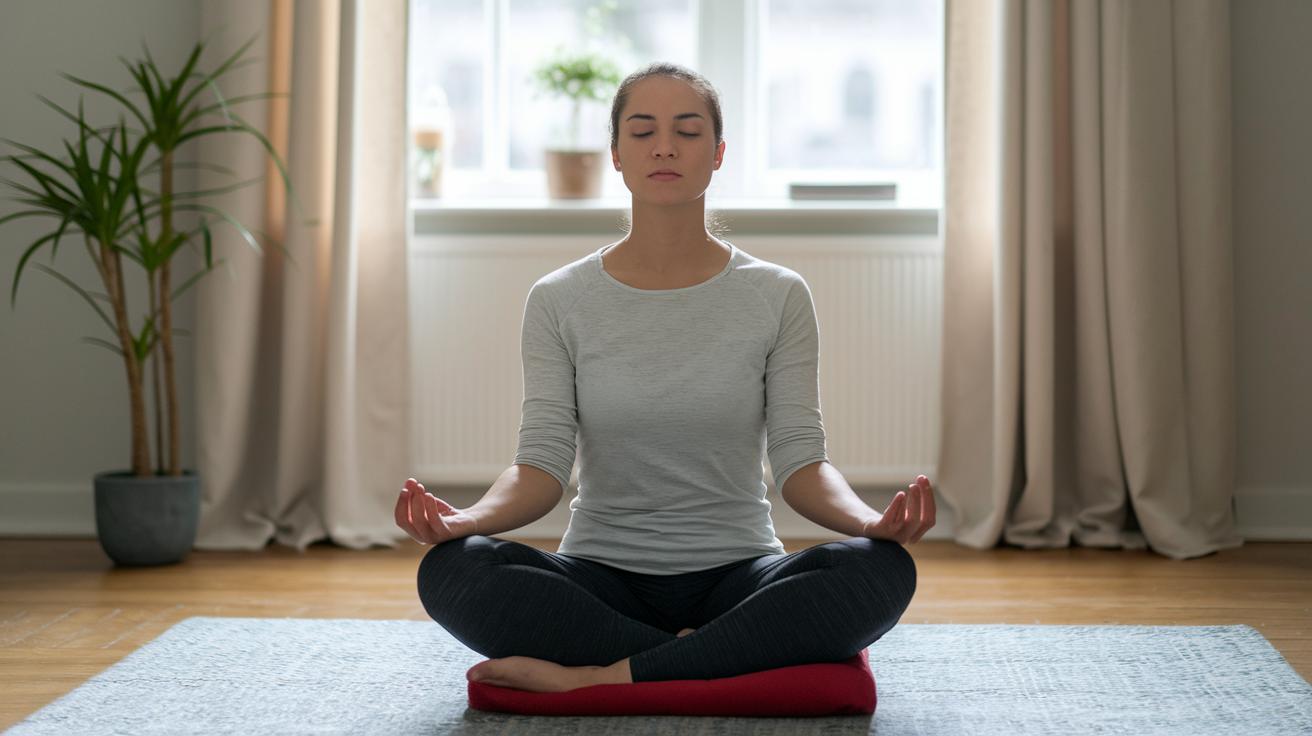
Breathing exercises can be a simple way to feel calm and centered. One method to try is the 3-Step Mindfulness Exercise. First, breathe in slowly, then hold your breath for a moment, and finally, let it out at a steady pace. You might even say to yourself, "I feel my breath keeping me in the present moment." This easy practice helps you notice your chest rising and falling while you focus on each breath.
If you're in a hurry, the 3-Minute Breathing Space is great for you. All you need is a timer set for three minutes and a comfortable seat. Close your eyes and take deep breaths. Imagine gentle waves rolling onto the shore as you breathe in and out, each wave bringing you closer to inner balance.
Deep, slow breathing not only grounds you but also helps push distracting thoughts aside. For more tips, look into mindful breathing and body awareness exercises to fit these habits into your daily routine.
Remember, even a minute of deep, mindful breathing can change your whole mood and give your day a fresh start. With regular practice, your mind learns to handle stress better and stay centered. Try out these methods and make them a part of your journey to inner peace.
Cultivating Concentration with Body Scans and Grounding Exercises

Find a quiet spot where you can truly relax. Lie on your back with your palms up or sit comfortably so your body can stay supported. Begin with a body scan by slowly turning your attention to each part of your body, starting at your feet and moving upward. For instance, you might notice, "I feel the soft pressure on my soles as my feet relax," and let that observation keep you in the moment.
Next, add some grounding exercises to boost your focus. Try these simple activities:
- Look at a leaf for five minutes. Notice its color, texture, and shape as if you’re seeing a little work of art.
- Spend four minutes eating mindfully. Enjoy each bite and be aware of the taste and crunch, thinking, "This bite feels refreshing."
- Sit quietly for 15 minutes and watch your thoughts drift by like leaves on a stream. Remind yourself, "My thoughts come and go, and I’m not holding on to them."
These exercises help you train your attention and build a strong base for calm and clear mindfulness.
Integrating Mindfulness into Everyday Activities

Mindfulness doesn't mean you need long, quiet sessions. You can easily sprinkle mindful moments into your day. For instance, while walking to work, try paying attention to each step, the feel of your feet on the ground and the cool breeze on your face. A simple thought like, "I notice the cool air and the soft sound of my steps," can help you truly live in the moment.
At mealtime, take four minutes to really enjoy your food. Use all your senses, smell, taste, and even the appearance of the dish. You might think, "This bite bursts with flavor," which turns eating into a simple act of focus and calm.
Even short breaks during your work day can be a chance to practice. When you have just a minute, close your eyes and take a few deep breaths. It’s a small pause that helps you reconnect with your inner peace without slowing you down.
When time is tight, a quick mindful check-in can make a big difference. Use a timer or keep a few affirmation cards handy to remind yourself that each little moment matters. These simple practices turn everyday tasks into mini exercises for calm and clarity, no matter how busy life may be.
Overcoming Common Mindfulness Meditation Challenges
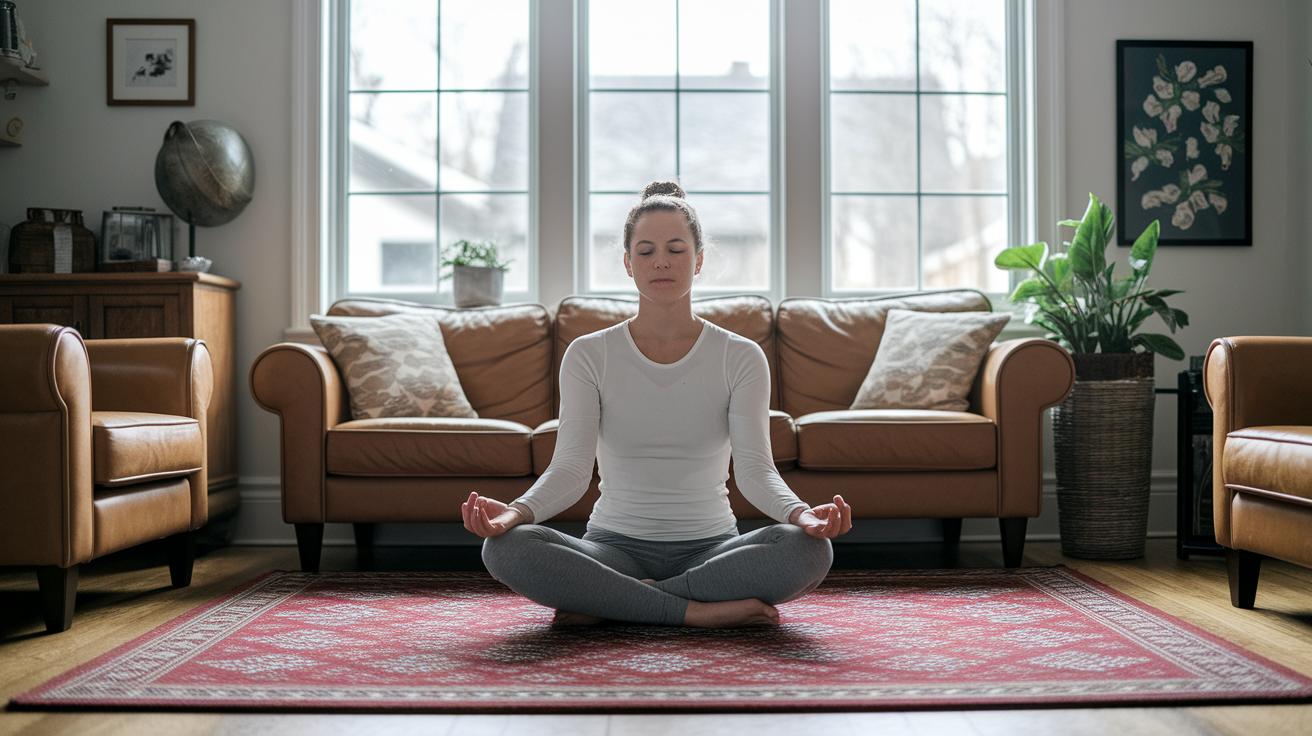
Sometimes when you're meditating, your mind wanders off, you feel pressed for time, or anxious thoughts make it tough to sit still. It might seem like you're fighting your own thoughts instead of working with them. And that's perfectly normal when you're just starting out.
A handy trick is to use a method from Dialectical Behavioral Therapy. This approach splits what you do into two parts. First, the “what” skills help you notice your thoughts and feelings as they pop up. For example, if you catch your mind drifting, you can quietly say, "I notice a worry," without trying to fix it. Then, the “how” skills guide you to describe what's happening and gently pull yourself back into the present moment. You might say, "I feel tension in my shoulders," and then focus again on your breathing.
For a quick reset, try the 3-Step Mindfulness Exercise. Take one deep breath, listen carefully to the sounds around you, and then exhale slowly while telling yourself, "I am here." Another option is the 3-Minute Breathing Space. Just set a timer, close your eyes, and breathe deeply for three minutes, letting go of any distracting thoughts.
- Notice when your mind drifts off.
- Use deep breathing to reset.
- Observe your feelings before naming them.
These little practices help turn stressful moments into chances for calm and remind you that each time you return to your breath, you're building strength and resilience.
Building a Consistent Mindfulness Meditation Routine

If you're just starting out, check out our Step-by-Step Mindfulness Meditation Practice Guide for the basics, like setting a fixed time, starting with short sessions, using a timer, and slowly making your sessions longer. Today, we're diving into how you can weave mindfulness into everyday activities with smart scheduling.
Try to add little mindful pauses into your daily routine. For example, take three slow, deep breaths right before you start a work call. It might sound simple, but before you answer a call, take a slow, deep breath and see how that small pause helps center your thoughts.
Create a routine that turns everyday tasks into calming breaks. Use a reminder on your phone so that when you change activities, you get a prompt to take a short moment to reflect or meditate. When you're walking to the bus stop, notice the rhythm of your steps and the crisp air around you, it's a chance to be present.
| Everyday Task | Mindful Practice |
|---|---|
| Morning coffee | Savor each sip and enjoy the warmth |
| Walking to work | Focus on your steps and the sounds around you |
| Before meetings | Take a brief breathing pause to reset |
| After work | Reflect on your day with a quiet moment of journaling |
Mix everyday tasks with short mindful practices. Use reminders to help you catch those moments, and soon you'll find that calmness naturally spreads into many parts of your day.
Final Words
In the action, we explored mindfulness meditation essentials, from a clear step-by-step practice and deep, calming breath techniques to grounding exercises that boost concentration. We also saw how even short mindfulness practices can integrate into everyday life and overcome common challenges. This approach builds self-care routines that support emotional balance and focus. If you're wondering how to practice mindfulness meditation, remember that even brief, dedicated sessions can spark lasting change. Keep embracing and improving your practice for a healthier, more centered life.
FAQ
How to practice mindfulness for anxiety
The method to practice mindfulness for anxiety involves focusing on your breath, observing anxious thoughts without judgment, and taking short mindful breaks throughout your day to ease stress and build calmness.
How to practice mindfulness in daily life
The way to practice mindfulness in daily life is by adding simple exercises like mindful breathing during commutes, focused attention while eating, or brief reflective pauses, which help keep you centered throughout the day.
Mindfulness meditation for beginners
The mindfulness meditation for beginners starts with short sessions of 5–10 minutes using a timer and a comfortable, stable seat. This practice builds focus gradually and reduces stress over time.
What are the 5 basics of mindfulness practice and what are 5 ways I can practice mindfulness?
The 5 basics include staying present, acknowledging thoughts non-judgmentally, mindful breathing, body awareness, and integrating mindfulness into daily tasks like eating or walking to boost calmness and clarity.
Mindfulness meditation benefits
The mindfulness meditation benefits include reducing stress, sharpening focus, and balancing emotions. Regular practice also nurtures self-awareness and steady presence, helping you feel more centered in everyday life.
Mindfulness practice examples
The mindfulness practice examples cover deep breathing, body scans, mindful walking, and eating. Each exercise directs your attention to the present, improving mental clarity and overall well-being.
Mindfulness vs meditation
The mindfulness versus meditation difference is that mindfulness means staying present in daily moments, while meditation is a formal practice that uses focused techniques to deepen awareness and tranquility.
Mindfulness exercises PDF
The mindfulness exercises PDF offers structured guides on breathing techniques, body scans, and other activities. It serves as a handy resource to support and sustain your mindfulness practice at home or on the go.
What are the 3 C’s of mindfulness?
The 3 C’s of mindfulness include being composed, connected, and compassionate. These ideas encourage a calm mind, present awareness, and kindness toward yourself and others.
What are the 8 rules of meditation?
The 8 rules of meditation advise setting a regular time, sitting comfortably, focusing on your breath, accepting thoughts, gently returning focus when distracted, keeping a steady posture, ending mindfully, and reflecting on your session.
What are the 7 principles of mindfulness?
The 7 principles of mindfulness involve being present, accepting your experience, practicing non-judgment, cultivating patience, trusting your feelings, showing generosity, and embracing a beginner’s mind for fresh perspectives.