
Have you ever wondered if there’s a gentler way to care for both you and your baby during pregnancy? Natural prenatals use whole-food ingredients to nourish your body without the extra chemicals. It’s like a burst of organic energy, sourced from things like leafy greens and algae that give you DHA, a nutrient that helps your baby’s brain develop. Many moms say this natural choice makes them feel healthier and more balanced. In this post, you’ll learn how these clean, natural supplements can give you both a boost on your journey to a well-rounded pregnancy.
What Are Natural Prenatals and How Do They Work?
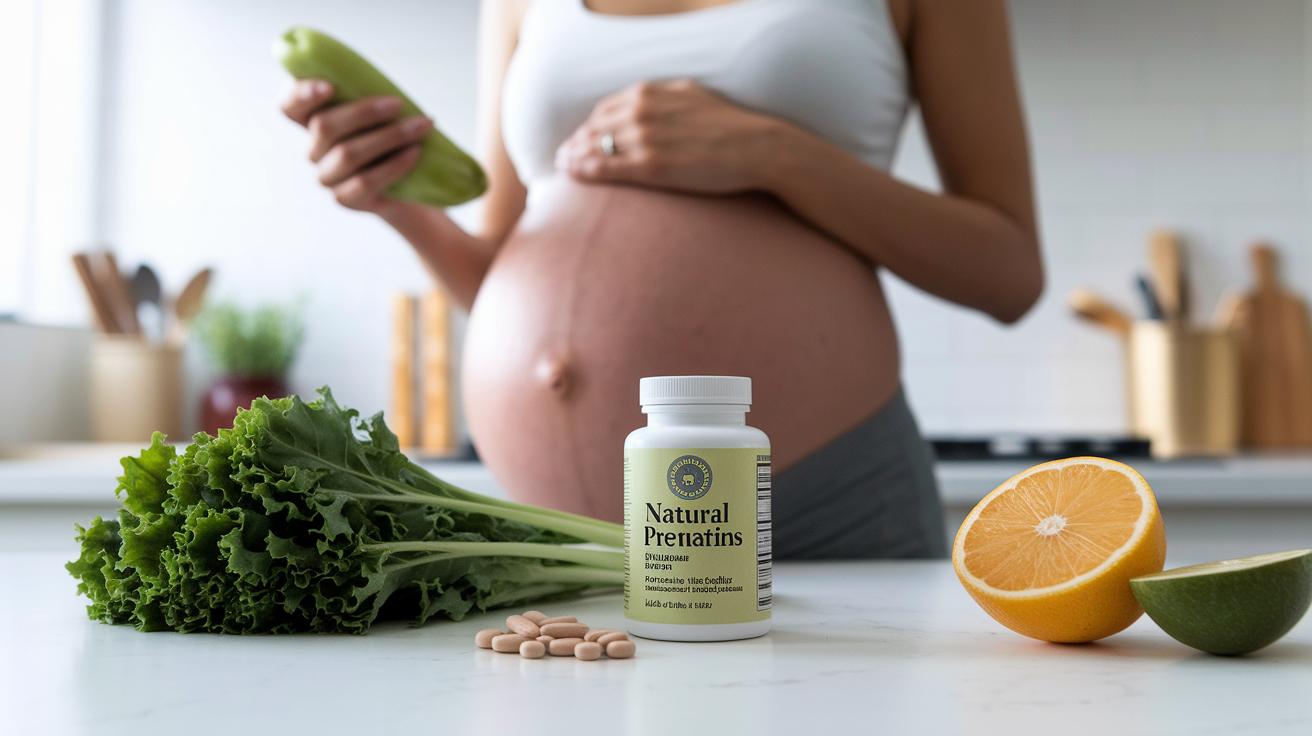
Natural prenatals are supplements made from whole foods or plant extracts instead of man-made chemicals. More and more pregnant women are choosing these natural formulas because they feel it’s a cleaner, healthier way to support pregnancy.
They use genuine ingredients to deliver essential nutrients without the extra artificial additives. I remember a friend saying, "Switching to natural prenatals felt like choosing pure, wholesome nourishment for my baby and me." That personal touch really shows how meaningful this choice can be.
These supplements get their folate from leafy greens and other nutrient-packed foods. They include minerals like ferrochel iron, a form that your body can use more easily, and vital vitamins to help with early baby development, such as supporting the neural tube. Instead of synthetic folic acid, they use L-methylfolate, which is easier for the body to process. Plus, they don’t contain common allergens like gluten, dairy, or soy, and they’re free of GMOs, making them a gentle option even for those with sensitivities.
Quality is a big deal here. Natural prenatals are often tested by independent labs and certified by groups like USP or GMP to ensure they’re free from harmful substances like heavy metals or pesticides. They even include bioactive nutrients, such as algae-derived DHA, which helps with absorption and can be easier on your stomach. In essence, this blend of naturally sourced vitamins and minerals is carefully balanced to support the body’s changing needs during pregnancy, giving both you and your baby a healthy start.
Essential Nutrients in Natural Prenatals for Pregnancy

Getting the right amounts of vitamins and minerals is really important when you’re expecting. These nutrients help both you and your baby stay healthy throughout pregnancy. When the doses are steady, your body can use each nutrient effectively to support growth and overall well-being. Below is a simple guide to the key nutrients and their recommended amounts for natural prenatals:
| Nutrient | Recommended Dose | Natural Prenatal Source |
|---|---|---|
| Folate | 400 mcg/day (up to 4,000 mcg if there’s a neural-tube risk) | Leafy greens rich in natural folate |
| Iron | 30 mg/day | Ferrous bisglycinate for gentler absorption |
| Calcium | 1,000 mg/day | Whole-food sources that boost fetal bone growth |
| Vitamin D | 15 mcg/day | Natural vitamin D to help with calcium balance |
| Vitamin A | 750–770 mcg/day | Bioavailable forms that support eye, limb, and heart development |
| Vitamins C & E | 85 mg/day and 15 mg/day respectively | Natural extracts that support collagen formation and immunity |
| Choline & Antioxidants | Varies by nutrient | Natural choline and antioxidants like selenium, manganese, and acetyl L-carnitine |
When choosing a natural prenatal supplement, make sure it meets these dose guidelines. Look for products that get their vitamins and minerals from whole-food sources, this helps your body safely absorb what it needs. It also helps if the manufacturer uses trusted, third-party testing to ensure the product’s accuracy and safety.
Benefits of Organic Pregnancy Supplements and Plant-Based Prenatal Vitamins
Organic pregnancy supplements and plant-based prenatal vitamins offer a natural way to care for your body while expecting. Many moms choose these options because they provide essential nutrients without the extra chemicals, like synthetic pesticides or GMOs.
When you pick organic supplements, you get nutrients from whole-food sources. For instance, ingredients like L-methylfolate (a form of folate your body can easily use) and vegan DHA (an important omega-3 fat) help keep your body nourished. These supplements are also free from common allergens, think gluten, dairy, and soy, which means you might have less chance of feeling queasy or dealing with constipation.
Another great aspect is that many brands focus on eco-friendly packaging and sustainable practices. This way, you’re not only taking care of your health but also giving a little back to the environment. Each vitamin is designed to work naturally with your body, letting you know you’ve made a clean choice.
Opting for these plant-based prenatal vitamins supports your overall well-being. With clean, simple ingredients and effective nutrient delivery, every dose reminds you that you’re creating a healthy space for both you and your baby during this precious time.
Choosing the Right Natural Prenatal Blend for Holistic Support
Choosing a natural prenatal blend is all about getting the best support for you and your baby during this exciting time. When you pick a product with clear ingredients and trustworthy quality, you help your body absorb essential nutrients in the best way possible.
Ingredient Transparency & Purity
Clear labels matter. Look for blends where every ingredient is spelled out and there are no secret mixes. Products that are tested for contaminants let you know you’re getting only pure, natural ingredients.
Complete Nutrient Profile & Dosage
It’s important that your prenatal blend covers your daily needs. A good blend will provide the right amounts of folate, iron, calcium, and other essentials. This careful balance helps both you and your baby stay strong and healthy.
Bioavailability & Folate Form
Pay attention to the type of folate in the mix. For example, L-methylfolate (the natural form) works better for many people than synthetic folic acid. Keep any MTHFR considerations in mind to make sure your body can use the nutrients properly.
Supplement Format & Digestive Tolerance
Whether you take your supplement as a pill, mix it in a drink as a powder, or enjoy a chewable form, the format can affect how well you absorb the vitamin and how comfortable you feel. Choose a delivery method that is gentle on your digestive system.
Certifications & Sustainable Packaging
Look for third-party certifications like USP, NSF, or GMP to verify that the product meets high standards of purity. Eco-friendly packaging is a bonus, caring for both your health and the planet.
Taking the time to check these details means you can feel confident about your natural prenatal blend. This care ensures that you and your baby get the best start with optimal nutrient support during this special phase of life.
Top Natural Prenatal Products Compared: Clean Ingredient Review
When it comes to natural prenatals, moms-to-be deserve clear and honest info to help choose the right supplement. Picking one isn’t just about getting your vitamins, it’s about trusting every ingredient in the mix. Knowing what each brand offers makes it easier to find a product that fits your diet and daily routine.
| Brand | Key Ingredients | Certifications | Price Range |
|---|---|---|---|
| WeNatal | Non-GMO L-methylfolate, Chelated Iron, Vegan DHA | USP Verified | Mid-range |
| Perelel | Plant-derived Folate, Ferrochel Iron, Choline | GMP-Certified | Moderate |
| Needed | Methylated B-Vitamins, Algae DHA, Allergen-Free | NSF Certified | Mid-High |
| Ritual | Trace Minerals, Vegan DHA, Delayed-Release Capsules | Third-Party Tested | High-end |
| Garden of Life | Whole-Food Vitamin Complex, Organic Ingredients | Certified Organic, NSF | Varied |
WeNatal is a great pick if you want a balanced mix that’s been carefully tested. It offers non-GMO nutrients that your body can easily use. If you have dietary sensitivities, Needed stands out with allergen-free and vegan ingredients that work well for delicate digestive systems. Ritual uses delayed-release capsules, which slowly let the nutrients work, perfect if you worry that fast-acting vitamins might upset your stomach.
Every product here brings its own blend of clean, natural ingredients, so you can choose the one that matches your needs best.
Integrating Clean Prenatal Nutrition with Whole Foods and Supplements
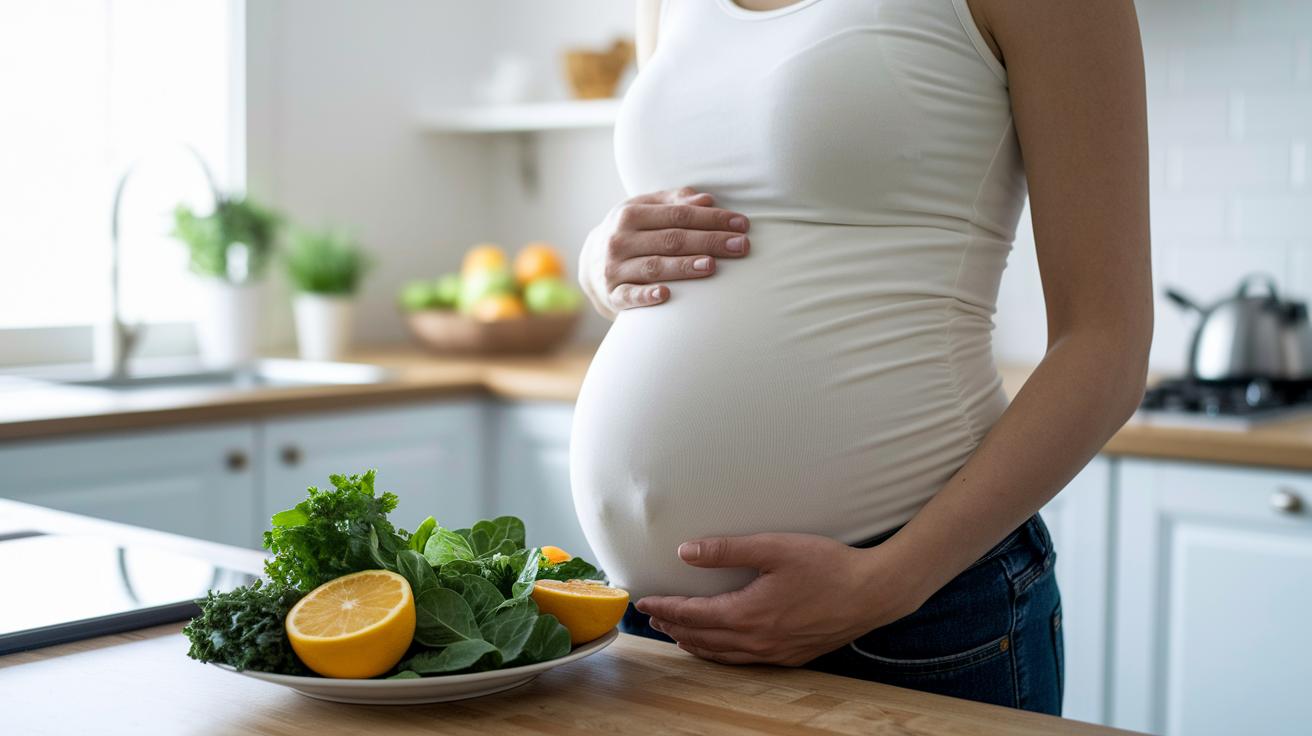
Leafy greens naturally bring folate, while foods like eggs and lean meat supply vitamin B12 (a nutrient our body easily uses) and heme-iron. Citrus fruits and bell peppers are loaded with vitamin C, which helps your body take in non-heme iron better. Whole grains and legumes add B vitamins, fiber, and magnesium. Meanwhile, healthy fats in avocado and nuts provide DHA (a type of healthy fat that supports brain development) for your baby. These foods build a strong base of nutrients during pregnancy and make every meal a delightful mix of tastes and textures.
Eating a nutrient-packed diet is only part of clean prenatal nutrition. Even when your plate is full of wholesome foods, natural prenatal supplements can fill in the gaps to ensure you and your baby get all the important nutrients. They help you stay on track with nurturing both your health and your baby's growth. For more practical advice on boosting your nutrient intake, check out the guidelines for a balanced diet for pregnant women (https://siluk.net?p=183).
Safety, Side Effects, and Expert Advice on Natural Prenatals

Many experts suggest starting natural prenatal vitamins one to three months before trying to conceive. It might feel a bit early, but giving your body a head start can really support early fetal growth. Always have a chat with your doctor before switching to a non-synthetic prenatal formula. Ask if natural folic acid, plant-based maternal supplements, or extra nutrients like omega-3 (good fats for brain and heart) or CoQ10 (helps with energy) might be the best fit for you.
Some people notice mild side effects when they begin these supplements. You might feel a little nauseous, get a bit constipated, or even see bright yellow urine because of extra B-vitamins leaving your body. Taking your vitamins with food and drinking plenty of water can ease these bumps. If you’re sensitive, your doctor might suggest adjusting your dose. And if your diet is already full of nutrients, your healthcare provider may mention that you don’t need as many extra vitamins.
Personalized prenatal planning is key. Talking with a healthcare professional about your nutrition helps make sure your supplement choice is safe and right for you. This careful approach sets you up for a positive, supportive start as you prepare for both your well-being and your baby’s health.
Final Words
In the action, this article mapped out the benefits of natural prenatals by showing how nutrient-rich, non-synthetic supplements support both mom and baby. It broke down key facts on ingredient purity, bioavailability, and safe supplementation so you can keep your health on track.
Every step was designed to help you match trusted prenatal products with your lifestyle, blending clean nutrition with whole foods. Stay positive and embrace these health tips for a brighter, balanced future.
FAQ
Q: What are natural prenatals supplements?
A: Natural prenatals supplements are made from whole-food or plant-derived ingredients instead of synthetic compounds. They provide nutrients like natural folate and iron in forms that our bodies can use easily.
Q: What are the best natural prenatals?
A: The best natural prenatals combine bioavailable nutrients with allergen-friendly, non-synthetic ingredients. They often feature dietary folate and chelated minerals to support both mom and baby.
Q: What do natural prenatals reviews say?
A: Natural prenatals reviews highlight that many users appreciate the gentle, whole-food nutrition and fewer digestive side effects compared to synthetic formulas, making them a preferred choice for sensitive stomachs.
Q: What are popular natural prenatals brands?
A: Popular natural prenatals brands include Garden of Life Prenatal and others that offer non-GMO, whole-food vitamin blends, backed by third-party certifications for purity and ingredient quality.
Q: What are prenatal vitamins?
A: Prenatal vitamins are dietary supplements designed to supply extra nutrients needed during pregnancy. They help fill nutritional gaps to support the healthy development of the baby and well-being of the mother.
Q: What are the best prenatal vitamins?
A: The best prenatal vitamins offer a balanced mix of natural folate, iron, calcium, and vitamins in bioavailable forms. They are often free from synthetic additives and common allergens for better tolerance.
Q: What are natural prenatal vitamins?
A: Natural prenatal vitamins are produced with whole-food, plant-based ingredients rather than synthetic chemicals. They focus on using bioactive compounds to support early fetal development.
Q: What is Garden of Life Prenatal?
A: Garden of Life Prenatal is a natural prenatal supplement made with whole-food ingredients. It features organic components and third-party certifications, offering gentle nutrition in a clean, accessible form.
Q: What can I take instead of prenatals?
A: Alternatives to prenatals include nutrient-dense diets rich in leafy greens, lean proteins, and whole grains. However, supplements remain a convenient way to ensure consistent intake of vital nutrients during pregnancy.
Q: What foods are high in prenatal vitamins?
A: Foods high in prenatal vitamins include leafy greens for folate, lean meats for iron, dairy for calcium, and citrus fruits for vitamin C, which help naturally boost nutrient intake during pregnancy.
Q: How do I get prenatal vitamins naturally?
A: You can get prenatal vitamins naturally by eating a balanced diet rich in leafy greens, lean proteins, and dairy while using whole-food supplements that complement your diet for complete nutrition.
Q: Are organic prenatal vitamins better?
A: Organic prenatal vitamins are often better for those looking to reduce exposure to synthetic pesticides and additives. They provide nutrients in natural, bioavailable forms that some users find easier on digestion.