
Ever notice how busy your days feel, like you’re always on the go? It’s easy to miss the chance to take a break and just be present. In this guide, I share a few simple tips to help you slow down and enjoy each moment. You might start your day with quiet minutes before the rush begins or really savor each bite during a meal. Each tip gives you a small moment of calm in the middle of your busy day. These simple habits can help you feel more relaxed and focused. Try taking a few mindful breaths and see how a little peace can make a big difference.
Practical mindfulness exercises to start today
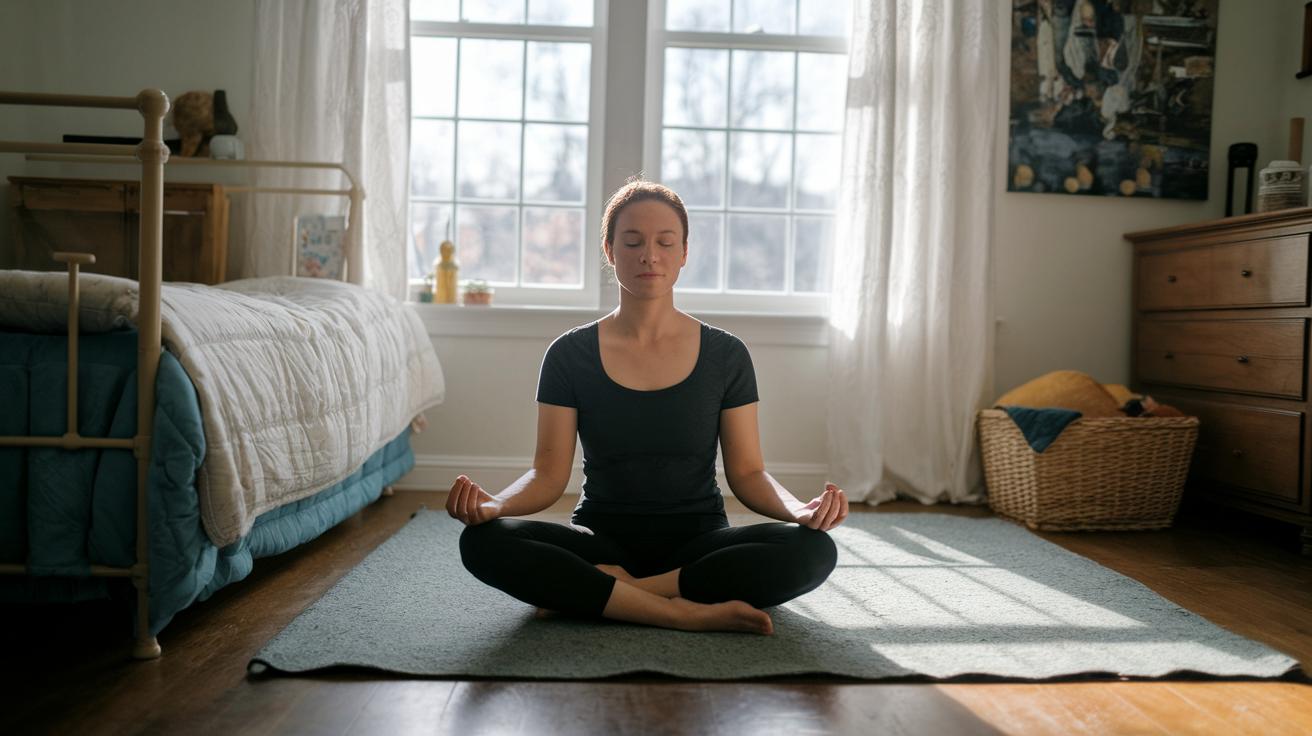
Even on a busy day, you can easily add a touch of mindfulness into your routine. These simple practices don’t take long, and they help you pause, breathe, and reconnect with yourself before life takes over.
-
Mindful Wakeup
Duration: 3 minutes
Before you grab your phone, sit quietly for a few deep breaths and set an intention for your day. It’s like opening a fresh page, letting calm settle in before distractions begin. -
Mindful Eating
Duration: 5 minutes
Right before you eat, take eight to ten slow belly breaths. Then, really notice your meal, the taste, the texture, and the aroma. This helps you slow down, enjoy your food, and even aid your digestion. -
Mindful Pause
Duration: 2 minutes
When you’re feeling rushed, take a break. Stop for two minutes and take three slow, deep breaths, noticing the sensations or sounds around you. This little pause shifts you from autopilot to the here and now. -
Mindful Workout
Duration: While you exercise
Focus on your movements, your breathing, and how your muscles feel during your workout. This turns your regular exercise into a mindful practice, deepening your connection with your body. -
Mindful Driving
Duration: As needed
Before starting your car, pause for a few deep breaths. Being present before and during your drive can keep you steady and calm, even in heavy traffic.
Practicing these steps every day builds a strong foundation for stress relief and mental clarity. Over time, these small moments of mindfulness create ripples that help you stay focused, react calmly, and enjoy a deeper sense of peace as you track your progress in a journal.
Building daily mindfulness routines

Each morning, give yourself a quick mindfulness moment before starting your day. Take a few deep breaths before breakfast or feel each step as you walk. At lunch, try a simple 3-Minute Breathing Space where you notice your thoughts, focus on your breathing, and then let your awareness grow. Later, you can carve out a small break or experiment with the Five Senses Exercise to help center your mind.
Link these mindful practices to everyday acts. Maybe use the time when you grab your coffee, glance at the clock, or wait for a text as your cue to pause. A phone reminder or a sticky note can nudge you to take a moment. For instance, when your coffee is ready, tell yourself, "This is my moment to breathe and enjoy its aroma." Keeping a habit tracker can help you see your progress and keep you motivated.
Mindfulness techniques for stress relief
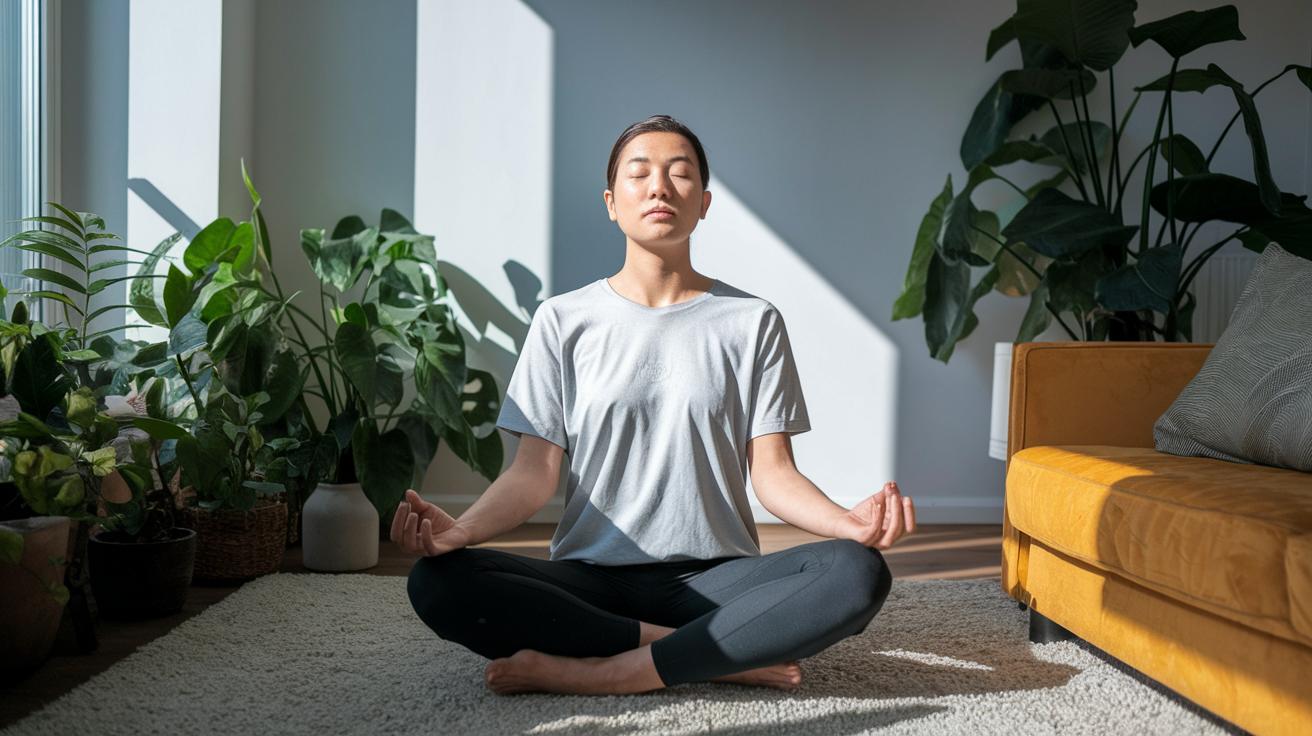
Feeling overwhelmed sometimes is totally normal. A quick mindfulness exercise can help reset your mind and bring you back to the present moment.
3-Minute Breathing Space
Give the 3-Minute Breathing Space a try. First, notice any busy thoughts or tight muscles. Then, take slow, deep breaths, let your breath be your anchor. Finally, widen your attention to include everything around you. This simple drill is perfect when you need a fast reset. It reminds you that calm is always just a breath away.
Body Scan Method
Find a comfy spot, either sitting with your feet on the floor or lying down. Start by paying attention to your toes, and then slowly move upward through your body, spending about a minute on each area. This gentle scan, which takes five to ten minutes in total, helps you notice where your tension is. It lets each body part relax gradually, making it a great tool when stress feels too heavy.
Mindful Visualization
Pick a soothing picture in your mind, like a quiet beach or a peaceful garden. Focus on the details, imagine the sounds, the colors, the smells, and even the textures. Spend three to five minutes immersed in this scene, letting your senses carry you away from worry. This practice is a quick way to shift your focus and ease that built-up stress.
Regularly taking a few minutes for these mindfulness techniques can change your stress patterns and even help lower your cortisol levels. Over time, these short exercises become a go-to way to nurture a calm, balanced state of mind.
Mindfulness practices for workday focus

Working through the middle of the day can feel really overwhelming. Emails, meetings, and urgent tasks seem to crowd every moment, making it easy to lose your focus. You might find yourself hopping from one assignment to the next without a chance to breathe. This constant pressure can scatter your thoughts and make your body feel tight, which in turn makes it tough to stay clear and energetic.
Try these three simple practices between tasks to reset your mind in as little as 30 seconds to two minutes. First, take a Mindful Pause by breathing deeply three times and noticing five different sensations in your body. If you start to feel anxious, a quick breath check could really help, if you need more advice, check out the Stress management techniques for anxiety link. Next, try a Desk Stretch Pause by pairing a gentle stretch with mindful breathing; maybe a quick arm raise or a soft neck roll can ease those tense muscles. Finally, turn your daily water break into a Mindful Water Sip by really noticing the taste, temperature, and texture of your water. Pop these moments in between emails, right before meetings, or anytime you need a break to keep your focus steady all day.
Mindfulness strategies for college and campus life

Before your classes, try a quick breathing exercise to help you relax and focus. Take a moment before entering your lecture hall to close your eyes and breathe in slowly, then exhale gently. This little pause can melt away some of your nerves and get your mind ready for learning. For instance, stand by your locker, breathe in for four seconds, hold it briefly, and breathe out slowly.
Between classes, turn your walk into a mindful adventure. As you move from one building to another, really notice how your feet touch the ground and listen to the everyday sounds around you. This mindful walk can make you feel alert and clear your mind for the next class. Think of any short break as a quick chance to refresh your focus, just like a mini study break.
After your lectures, try spending five minutes writing down your thoughts or using guided imagery. Jot down a few points about what you learned or what stood out. Picture a peaceful scene, like a quiet garden, to help ease stress and boost your self-awareness, especially during exam times.
Creative mindfulness practices for daily well-being

Creative mindfulness uses art and writing to bring you into the present moment. It’s all about letting your thoughts and feelings flow onto paper with simple tools like pens, pencils, or markers. You don’t need to be a master artist or writer, just use this chance to capture your mood or the feel of your day in a relaxed, natural way.
Here are four fun activities to help you stay mindful. First, try reflective journaling. Spend about five minutes writing down how you feel, like jotting, "I feel calm today." Next, get creative with a coloring or doodling session. Pick one color that really catches your eye, draw it, and notice its texture. Third, let your emotions guide you as you channel your feelings into shapes and colors with crayons or markers. Finally, experiment with free-form writing by writing your thoughts down quickly for 5 to 10 minutes without worrying about making it perfect. These simple routines need only a few materials and can easily become a soothing part of your day.
Nature and sensory mindfulness experiences

Taking a few moments to enjoy nature can help calm your busy mind and bring you back to the present. Try watching the little details around you or take a slow walk and listen closely to the sounds and smells. Imagine sitting in a park, focusing on the soft curves of a leaf. This simple act can sharpen your focus and make you feel right at home in the moment.
| Practice | Steps | Recommended Duration |
|---|---|---|
| Observing a Leaf | Focus on visual details | 5 min |
| Forest Bathing | Walk slowly, note five sensory inputs | 20–30 min |
| Five Senses Exercise | Identify one object per sense | 3–5 min |
When you head outside, choose spots that feel safe and make sure you dress for the weather. You might bring a light layer or wear shoes that give you good support. This way, your time in nature stays both calming and safe.
Choosing mindfulness tools and guided sessions
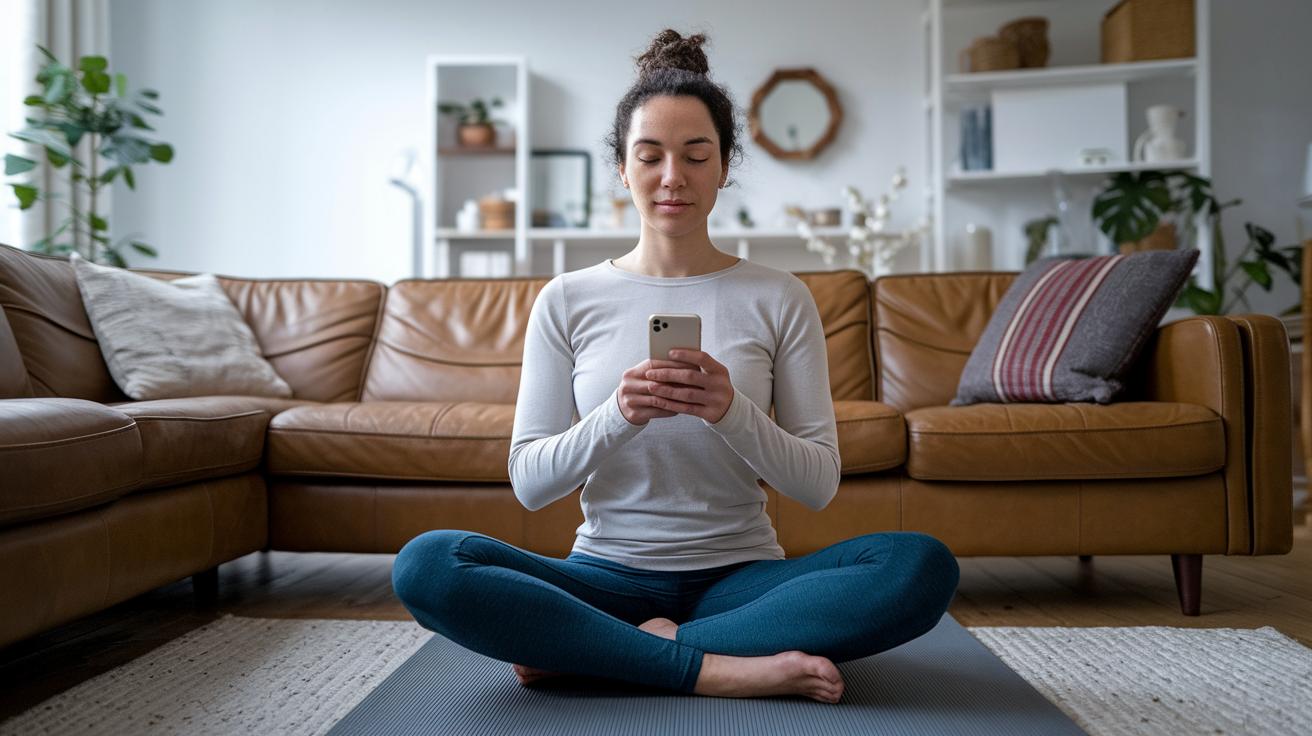
When you're looking into online mindfulness tools, start by thinking about what you need, like how long you want the session to be, the topic, the cost, and what other users say. Many handy apps offer guided meditations, breathing exercises, and ways to track your progress. If your schedule is busy, go for tools with quick exercises. If you have more time, pick ones that dive deeper into the practice. User reviews can help you see if the tool fits both beginners and those who already have some experience.
Take a look at features like breathing drills, guided sessions for easing anxiety, visualization exercises, and reminders to practice daily. Some tools mix audio with visual aids to help you picture the meditation. By combining these digital sessions with some quiet time away from screens, you can build a balanced routine that fits your everyday life. Enjoy trying out different options to find the mix that keeps you feeling calm and centered all day.
Final Words
In the action, this post breaks down simple mindfulness practices you can start today, from mindful wakeup routines and deep belly breaths before meals to quick office-friendly breaks and outdoor sensory drills. The article also shows how blending mindful living with digital guidance can fit even the busiest schedules. Regular practice builds lasting calm and clearer thinking, offering proven ways to practice mindfulness during daily challenges. Enjoy each mindful moment and feel great knowing you’re taking small steps toward lasting well-being.
FAQ
How can I practice mindfulness in daily life?
The mindfulness practice in daily life can include simple techniques like mindful waking, eating, pausing, and movement. These practices help you focus on the present and create calm moments throughout your day.
How does mindfulness help with anxiety?
The mindfulness practice for anxiety focuses on slow, deep breathing and gentle body scans to shift your attention. Techniques like the 3-Minute Breathing Space can lower stress and ease anxious feelings. Deep breathing for anxiety
What is mindfulness meditation?
Mindfulness meditation is a practice where you sit quietly, focus on your breath, and notice thoughts without judging them. This simple exercise builds clarity and calm by returning your focus to the present.
Where can I find mindfulness exercise PDFs?
Mindfulness exercise PDFs offer step-by-step guides on practices such as deep breathing, body scanning, and pausing. They provide clear instructions and visuals to help you integrate mindfulness into your daily routine.
What are the 5 R’s of mindfulness?
The 5 R’s of mindfulness guide you by encouraging you to recognize your thoughts, release them, reflect on your feelings, return to your breath, and reconnect with the moment for greater calm and focus.
What are the 7 principles of mindfulness?
The 7 principles of mindfulness emphasize staying present, accepting experiences without judgment, exercising patience, cultivating a beginner’s mind, trusting the process, and letting go to support overall well-being.
What are the 3 R’s of mindfulness?
The 3 R’s of mindfulness involve recognizing your thoughts, relating to them kindly, and relinquishing them to refocus on your breathing. This cycle helps restore calm and sharpens mental clarity.
What mindfulness activities can students try?
Mindfulness activities for students include short breathing exercises, mindful walking between classes, and reflective journaling after lessons. These practices help reduce stress and improve focus during busy academic days.