
Ever notice how taking a few slow, deep breaths can shift your mood completely? Studies show that pausing to breathe mindfully can lower stress almost as well as some medicines. In our fast-paced lives, a short moment to focus on breathing can ease tension, calm your feelings, and even slow down your heart rate. In this post, we explore a quick exercise called the 3-Minute Breathing Space that helps break the cycle of stress and builds a stronger way to face life’s little challenges. Ready to see how a regular practice of mindful breathing can bring a sense of calm and clear focus right when you need it most?
Mindfulness Techniques for Stress Relief
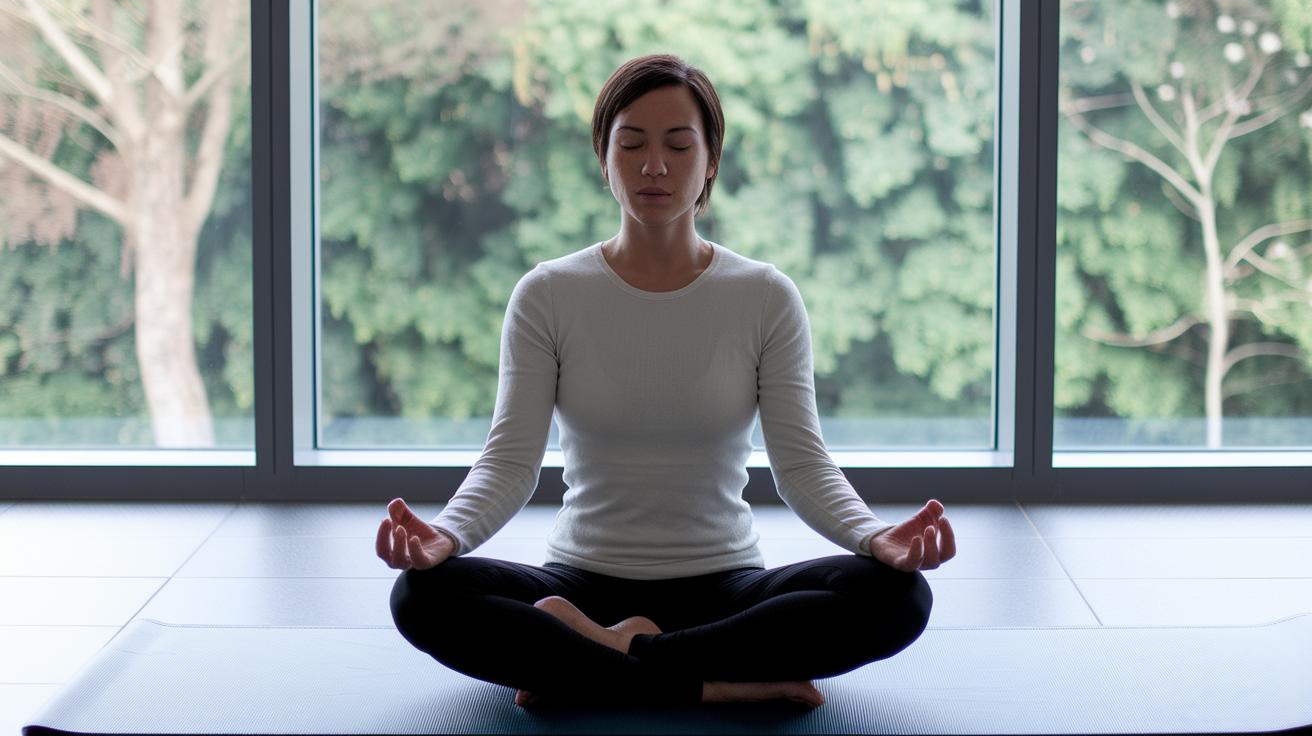
Mindfulness means noticing what’s happening right now without judging yourself. It gives you a moment to pause between feeling stressed and reacting, which helps you step away from your automatic fight-or-flight mode. Instead of letting stress take over, you gently bring your focus to the present and feel a quick shift in your mood.
Studies have found that practicing mindfulness can work as well as a common anxiety drug, escitalopram, over about eight weeks. By turning your attention to the current moment, you ease present stress and start building strength to handle challenges later. Regular mindfulness exercises, like taking deep, audible breaths, can lower your heart rate, reduce blood pressure, and help you breathe more slowly.
- Lower cortisol levels
- Bring a calm focus
- Speed up recovery from stress
- Balance your emotions
- Improve your sleep
Simple mindfulness exercises help break the cycle of stress with small but powerful breaks during your day. For example, techniques like the 3-Minute Breathing Space or the 2-Minute S.T.O.P. practice let you pause, notice your natural breathing, and gently guide your focus back to now. Imagine taking a short break in the middle of a busy lunch to breathe deeply; those two audible breaths can send soothing vibrations through your body and change how stress affects you. Even a quick full-body scan, where you check in on how each part of your body feels, can pull you out of a whirlwind of thoughts and ground you in the moment. By adding these little exercises into your daily routine, you create pockets of calm that build up to better mental clarity and a long-lasting way to manage stress.
Breathing Techniques in Mindfulness Practice for Stress

Sometimes stress makes our bodies feel tight and tense. A mindful breathing practice can help shift you from feeling wound-up to calm. This method teaches your body to stop its stress response, so you can focus on what’s happening right now, even when you’re feeling overwhelmed.
Here’s a simple way to do it:
- Sit in a comfy, upright position and let your shoulders relax.
- Notice your natural breathing pattern without trying to change it.
- Breathe in slowly through your nose, imagining your chest filling with a sense of calm. (For more details, check out deep breathing for anxiety.)
- Breathe out while making a gentle humming sound. This soft buzz helps signal your body to relax.
As you practice these steps, you might notice a slower heart rate, lower blood pressure, and an easier, more relaxed way of breathing. The humming you create also helps calm your body by stimulating the vagus nerve, a part of your body that works to make you feel more at ease.
Keep at this practice, and soon it might become a natural way to manage stress and build long-term calm.
Guided Mindfulness Meditation Sessions for Stress Reduction
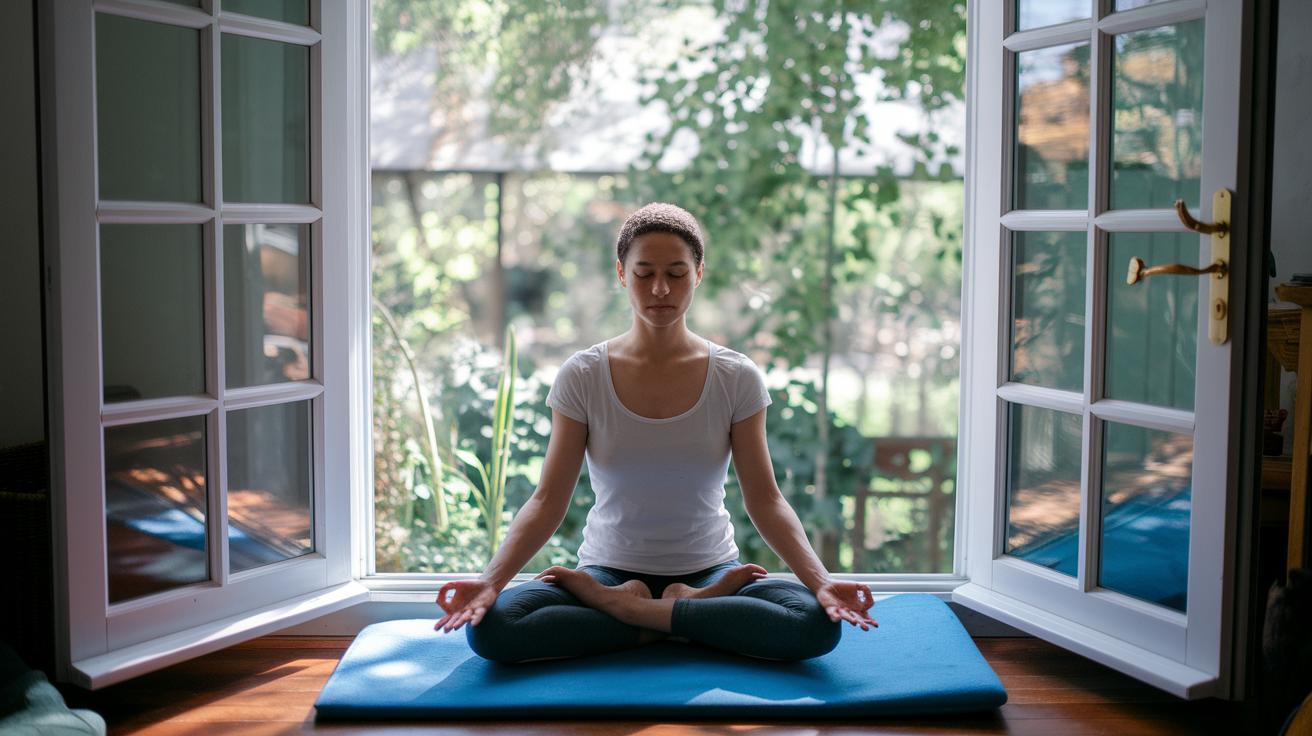
Body Scan Meditation
Sit or lie down in a cozy spot and take a few deep breaths. Slowly, let your mind wander from your feet up to your head. As you focus on each body part, notice any feelings, like a gentle cool breeze on a warm day. I suggest trying this early in the morning when the world is quiet and calm. Imagine your body welcoming you with its own little story.
2-Minute S.T.O.P. Practice
Take a moment to pause. Stop what you’re doing, breathe deeply, and watch your thoughts and feelings. Even in a busy day, this little break can help you feel steady again. One person mentioned how a quick pause during a hectic meeting brought a surprising clarity that made everything easier to handle. Picture a rush in your day when you simply stop and let your breath bring a sense of calm.
3-Minute Breathing Space
For a deeper calm, focus on just your breathing. Notice small changes in how your body feels and let your attention widen a bit before you return to your day. Some people like doing this near an open window, where the fresh air adds to the peaceful experience. Imagine pausing and feeling a soft wind whisk away any tension.
| Session Name | Duration | Key Focus |
|---|---|---|
| Body Scan Meditation | 20 minutes | Full-body awareness |
| 2-Minute S.T.O.P. Practice | 2 minutes | Pause and observe |
| 3-Minute Breathing Space | 3 minutes | Widened attention |
Integrating Mindfulness Practice for Stress into Daily Routines
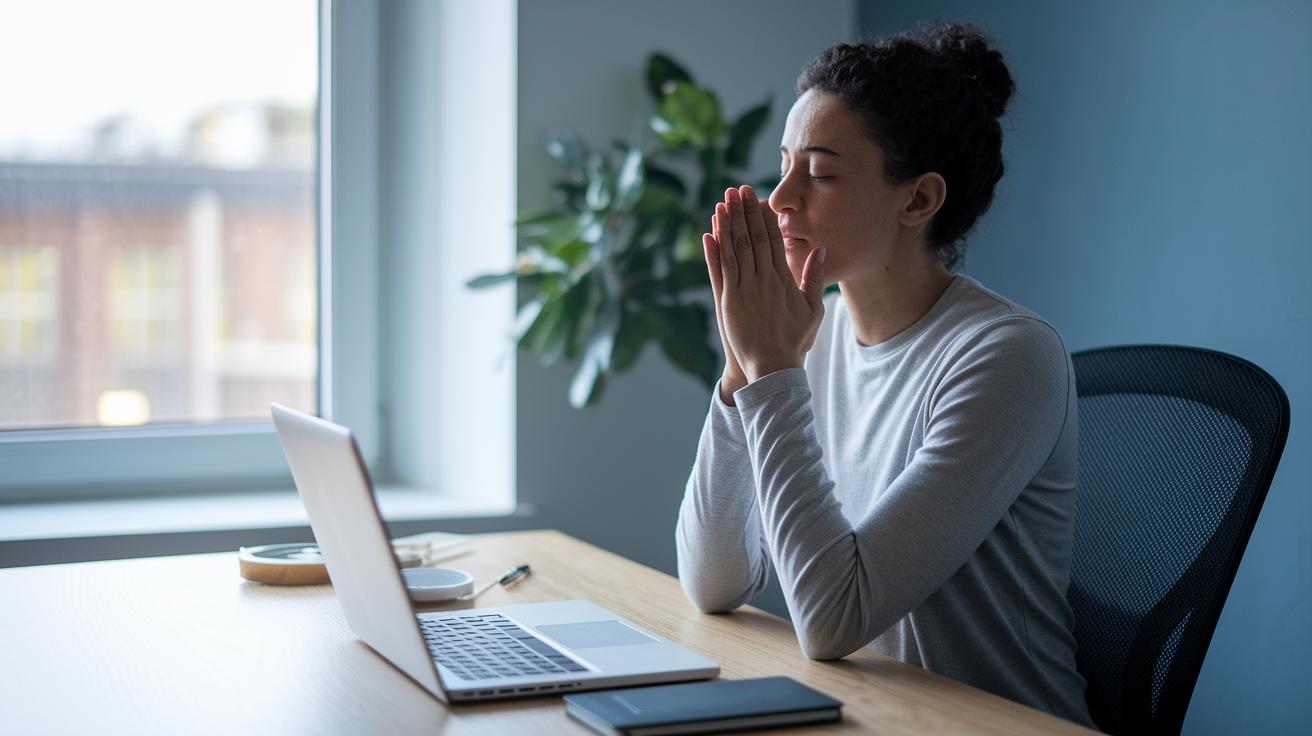
Even on busy days, you can find little ways to bring mindfulness into your routine. These tiny practices give your mind a break, letting you step away from stress and reset. They work well at work or at home, turning everyday moments into chances to relax and think clearly.
- mindful eating – Take about four minutes to really enjoy each bite, noticing its texture and flavor.
- breath pause – Pause for a moment to take a few deep, intentional breaths.
- bell chime – Do a short five-minute exercise with a bell to remind you to stay present.
- sensory check-in – Spend a minute tuning in to the feelings in your body.
- micro walk – Go for a quick walk, even if it’s just around the room, to clear your head and refresh your energy.
- body scan mini-session – Try a brief body scan to notice any tension or stress.
By adding these simple habits to your day, you can ease stress and create pockets of calm that add up over time. With regular practice, your natural response to stress can shift from a frantic fight-or-flight mode to a more balanced, mindful state. Even amidst a hectic schedule, you’ll find it easier to tap into a clear mind and relaxed body when you need it most.
Scientific Benefits of Mindfulness Practice for Stress

Many studies have shown that practicing mindfulness can help ease everyday stress and anxiety. Researchers found that a steady routine of mindfulness can reduce anxiety just as well as common medications like escitalopram over about eight weeks. When people try techniques such as the full-body scan, they often report a 30–40% drop in how stressed they feel. In group programs, mindfulness has even shown results similar to cognitive-behavioral therapy when dealing with social anxiety. Oxford research suggests that focusing on the now not only helps today, but also builds resilience for tomorrow’s challenges.
| Study | Duration | Key Findings |
|---|---|---|
| Mindfulness vs Escitalopram | 8 Weeks | Matched anxiety reduction outcomes |
| MBSR Body Scan Trials | Varied Sessions | 30–40% drop in perceived stress scores |
| Group Mindfulness Program (Fleming & Kocovski, 2007) | Program-based | Comparable relief to CBT in social anxiety |
These findings give us a clear idea about how mindfulness can be a useful tool in our daily lives. It isn’t just a trendy idea; the benefits are real and measurable. Whether you practice on your own or join a group session, mindfulness can help lower stress hormones and clear your mind. By including these techniques in your routine, you build a solid, calm mindset that can handle daily challenges with a steady focus.
Mindfulness Practices for Beginners to Manage Stress
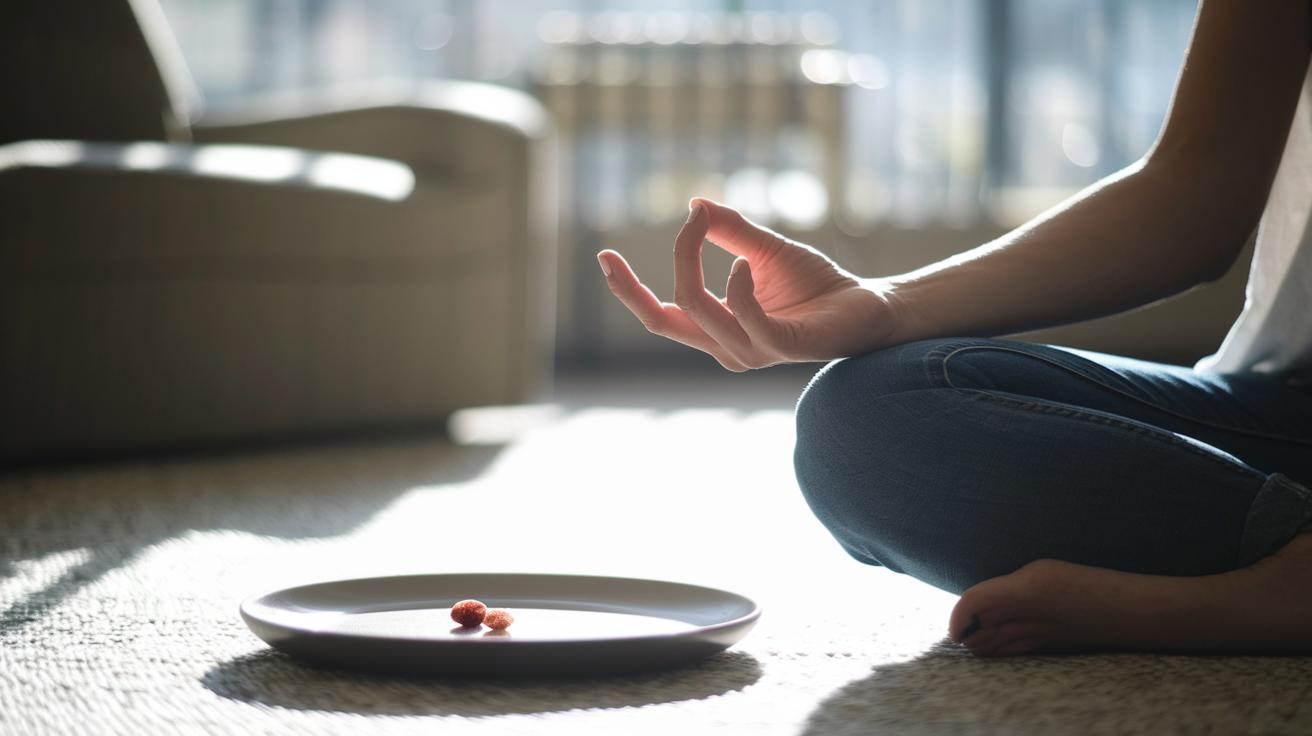
We've combined the instructions for mindful breathing and raisin mindful eating into one easy section called "Mindfulness Techniques for Stress Relief." Now, you can find all the details in one place, including a two-minute breathing drill where you gently focus on the rise and fall of your chest, and a mindful eating tip that invites you to taste a raisin like it's the only bit of sweetness in your day.
- Mindful breathing (2 minutes) – Focus on your breath as you gently notice each inhale and exhale. More details are in our techniques for stress relief.
- Raisin mindful eating (3–4 minutes) – Use all your senses as you slowly savor a raisin, almost as if it's the perfect burst of flavor you’ve been waiting for.
- Listening check-in (2 minutes) – Sit quietly and tune into the sounds around you.
- One-minute body awareness – Do a quick scan from head to toe and see where you might be holding tension.
- Gentle stretch sequence (3 minutes) – Move slowly through some simple stretches, letting each one help you relax.
- Journal three things you notice today – Jot down small observations that can help improve your focus and awareness.
Each of these simple practices can be done anytime, and you don’t need any special tools to get started.
Maintaining Stress Reduction with Ongoing Mindfulness Practice
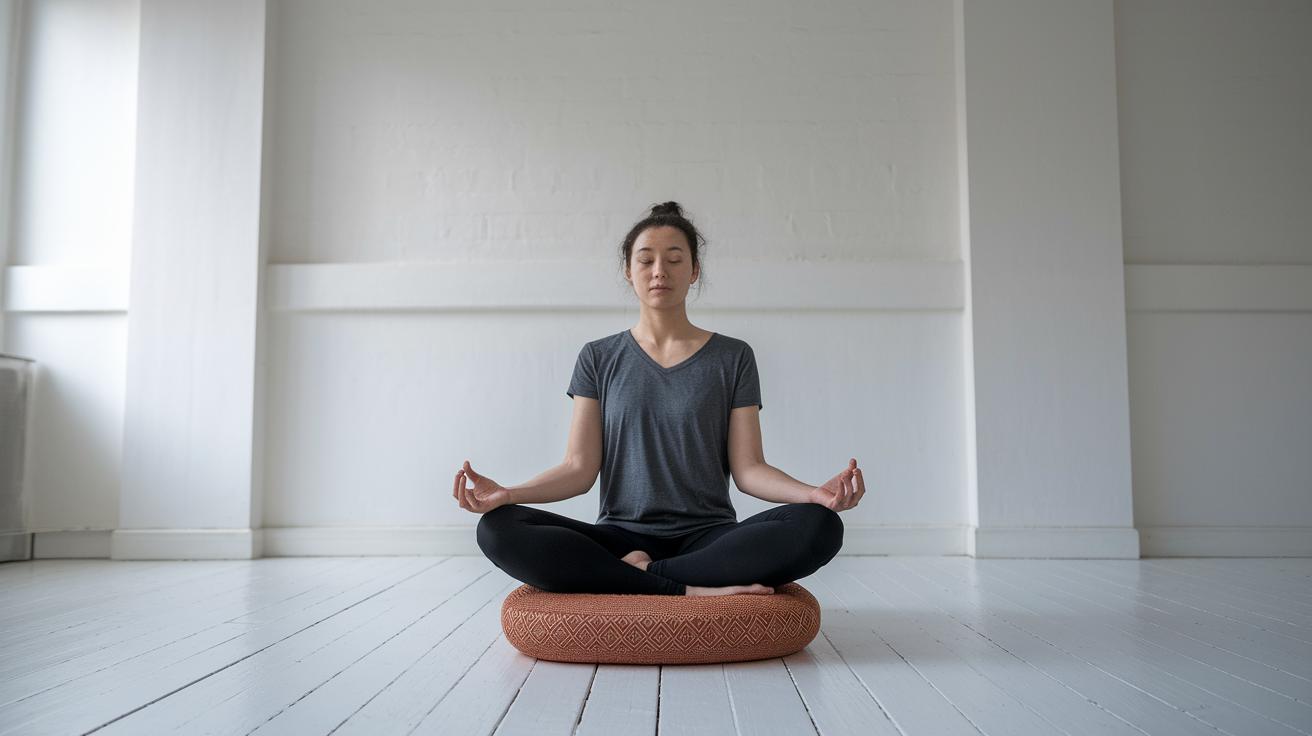
Find a calm place inside by practicing mindfulness each day. When you slowly change how you see things, you can keep a peaceful feeling even during busy moments.
Try embracing these qualities:
- non-judging
- patience
- a beginner’s mind
- trust
- non-striving
- acceptance
- letting go
- gratitude
- generosity
Final Words
In the action, we explored simple ways to use mindfulness practice for stress to bring calm into daily life. We looked at how mindful breathing, short meditation sessions, and routine practices promote focus and balance. These tips support lasting calm and help manage stress with clear, evidence-backed methods. Small adjustments make daily stress more manageable and help preserve a peaceful mind. Keep practicing and notice the shift in your day-to-day well-being. Stay positive and enjoy each mindful moment.
FAQ
What is mindfulness meditation?
The term mindfulness meditation means focusing in the present moment with self-kindness and no judgment, which gradually calms the body and eases stress.
What are mindfulness exercises for adults?
Mindfulness exercises for adults include simple tasks like deep breathing, body scans, and mindful walking to boost self-awareness and help manage stress.
Where can I find mindfulness exercises PDFs, including group formats?
Many online guides offer mindfulness exercises PDFs that provide step-by-step drills for both individual practice and group sessions, making it easier to follow along.
What are some mindfulness practice examples?
Common mindfulness practice examples feature deep breathing, body scanning, mindful eating, and gentle stretching—each encouraging a clear focus on the present.
How do you practice mindfulness for anxiety, stress, and daily life?
Practicing mindfulness for anxiety, stress, and daily routines involves pausing to breathe deeply, check in with your body, and gently guiding your focus to the present.
What are the 5 basics of mindfulness practice?
The 5 basics of mindfulness typically include paying attention, accepting the moment as it is, being present, practicing non-judgment, and cultivating self-compassion.
What are the 5 R’s of mindfulness?
The 5 R’s of mindfulness guide you to recognize, reflect, respond, relax, and resume—each step helping to break reactive patterns and foster calm.
What are the 3 C’s of mindfulness?
The 3 C’s stand for cultivating calm, concentration, and compassion, which together assist in creating a balanced and steady state of mind.
What are the 7 principles of mindfulness?
The 7 principles of mindfulness often cover openness, awareness, acceptance, patience, compassion, non-judgment, and a beginner’s mind, all supporting a balanced mental state.