
Ever notice how just a few mindful moments can change your day? Mindfulness means really focusing on what you are doing, whether you are slowly sipping your favorite coffee or enjoying the fresh breeze on your face. In this article, we share simple ways to stay in the moment and feel less stressed and more sharp. You don't need long meditation sessions; just a few deep, intentional breaths can bring a sense of calm and happiness to your daily routine.
Daily Mindfulness Techniques to Reduce Stress and Improve Focus
Mindfulness is all about focusing on the here and now without any judgment. It means noticing every small detail, from the feeling of your clothes against your skin to the aroma of your morning coffee. One busy executive discovered that just a few minutes of mindful breathing could turn her overwhelming day, filled with constant notifications, into something much calmer.
When thoughts pop into your mind, watch them pass by like leaves floating down a stream. Instead of getting tangled up in each thought, gently bring your focus back to what you’re doing. Whether you're chopping vegetables or replying to an email, try to give that one task your full attention.
Taking a few slow, deep belly breaths can serve as a quick reset for your mind. Think of these breaths as a little pause button that helps lower your stress almost immediately. Even just a minute of deep breathing can reduce anxiety and boost your concentration.
Next, try going for a mindful walk for about 10 to 15 minutes. As you stroll, feel your legs move, listen to the rhythm of your footsteps, and enjoy the fresh air on your face. Sometimes, a simple walk is all you need to invite a bit of nature’s calm into your busy day.
Whenever your thoughts start drifting again, gently steer them back to the moment. Imagine your wandering thoughts as bubbles that slowly vanish with each gentle breath. These everyday mindfulness practices are a powerful way to ease stress and keep you centered, helping you truly live in the moment.
Simple Conscious Breathing Methods for Everyday Calm
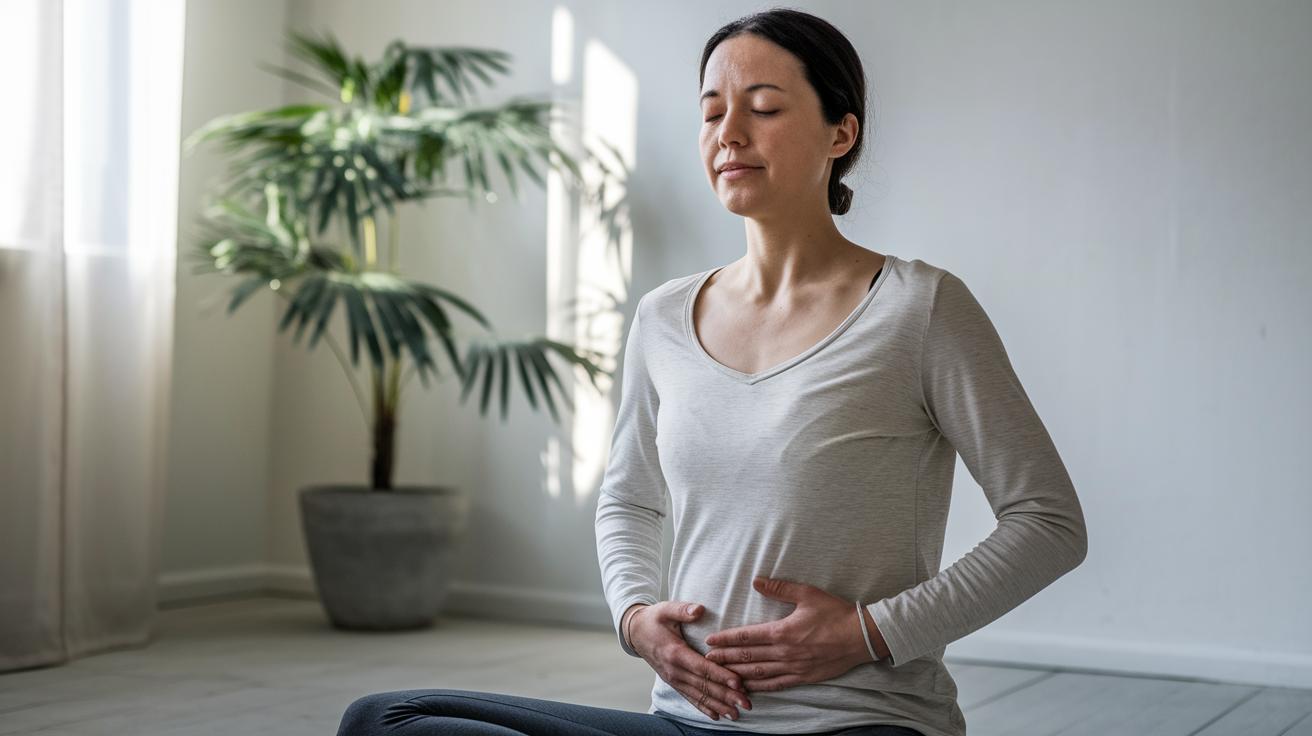
Mindful breathing helps you notice how your chest rises and falls naturally. Start by taking eight to ten deep belly breaths. As you breathe in, feel your stomach expand; as you breathe out, let it contract gently, just like the steady pull of soft waves. Before a busy meeting, try pausing for eight slow, mindful breaths to clear your head.
Then, spend one minute counting your breaths. Sit comfortably and place a hand on your belly to feel it move. Breathe in slowly for a count of four, hold for two counts, and then breathe out for a count of four. Picture each number as a step that eases your tension.
Next, settle into a five-minute quiet session where you simply observe your natural breathing. As you inhale and exhale, imagine your stress fading away with every breath out. Research shows that this kind of structured deep breathing can quickly lower anxiety and bring a sense of calm.
For more breathing exercises to help manage stress, visit stress management techniques for anxiety.
Routine Self-Awareness Practices to Cultivate Mental Clarity
Start by taking five minutes to jot down your thoughts as if you're chatting with a good friend. Writing something like "I felt a spark of calm this morning, and it brightened my day" can really open the door to deeper insight.
Next, try closing your eyes and picturing a peaceful scene, a quiet park where soft sunlight filters through the trees. Imagine hearing the gentle rustle of leaves and feeling a cool breeze on your face. Even a simple image, like a small stream soothing your busy mind, can shift your focus from stress to inner peace.
You might also enjoy adding mindful movement during your breaks. Do a few easy yoga poses or gentle stretches, paying close attention to how your muscles relax and how your breath flows. This kind of movement helps bring awareness to your body, clearing the way for a calm mind.
After a busy work session, take a moment to sit quietly. These short pauses let you regroup emotionally and give your mind a chance to reset.
Keep doing these simple exercises every day and notice how each little moment builds toward a more clear and calm outlook.
Integrating Mindfulness into Everyday Activities: Bliss

Brushing Your Teeth
When you brush your teeth, feel the soft bristles and enjoy the cool, minty taste. Instead of letting your mind wander, focus on each stroke as it cleans your mouth. Try saying something like "I'm here now" to make this routine feel more mindful and present.
Mindful Showering
Make your shower a little escape. Feel the water's gentle warmth on your skin and appreciate each shift in temperature. Listen to the calming sound of water and catch the nice, light scent of soap. Let each drop remind you to stay in the moment.
Commuting with Awareness
On your way to work or wherever you're headed, take a moment to observe the world outside your window. Notice the bright colors of buildings and the steady rhythm of traffic. Feel your heartbeat with each deep breath. Even a busy commute can turn into a peaceful pause.
Washing Dishes Mindfully
Transform dishwashing into a break for your mind. Enjoy the feel of warm water and watch the lively bubbles play on the dishes. Notice the smooth texture of each plate and the simple rhythm of your hands moving. This everyday chore can become a moment to relax and find calm.
Mindful Waiting
When you're stuck in line or waiting, take that chance to breathe slowly. Pay attention to each breath and look around at the small details, like a patterned floor or soft background sounds. Even these little moments can be a mini break to invite calm and awareness.
Quick Grounding and Reflective Routine Table for Busy Schedules
When life gets hectic, a few short mindfulness exercises can help you feel centered. These quick pauses offer you a chance to clear your mind and relax between tasks.
Take one minute to ground your feet. Feel every bit of pressure on your soles as you take deep, slow breaths. For three minutes, set a timer and notice five different sensations you feel right now. Then, try a quick stretch to help your muscles relax, watch the tension slip away. Spend five minutes sitting quietly, focusing on the natural rhythm of your breath. And every hour, take a two-minute pause to stand up, slow down, and really pay attention to each inhale and exhale.
These easy techniques only take a few minutes, yet they help keep your mind clear and your body relaxed all day long.
| Routine | Duration | Steps Summary |
|---|---|---|
| One-minute Foot Grounding | 1 minute | Feel the pressure on your feet and take slow, deep breaths |
| Three-minute Reflection | 3 minutes | Set a timer and notice five sensations you feel in the moment |
| Active Stretch Relaxation | Brief break | Do a quick stretch; watch your muscle tension ease away |
| Five-minute Silent Contemplation | 5 minutes | Sit quietly and follow the natural rhythm of your breath |
| Scheduled Two-minute Hourly Pause | 2 minutes | Stand up and focus on slow, mindful breathing |
Give these gentle pauses a try. They help create a peaceful, structured routine that adds moments of calm, even on your busiest days.
Final Words
In the action, this article shared simple daily mindfulness techniques to lower stress and boost focus. It explored calming breathing methods, routine self-awareness practices, and ways to weave serenity into everyday tasks, from brushing teeth to mindful waiting. The quick grounding routines offer a practical way to stay centered during a busy day.
By learning how to practice mindfulness in everyday life, you can bring a gentle, steady calm to each moment. Embrace these easy steps to make your day a little brighter and your mind a bit clearer.
FAQ
What does mindfulness in everyday life PDF refer to?
The mindfulness in everyday life PDF provides practical tips and clear steps to integrate mindfulness into daily routines. It outlines simple exercises like focused breathing, journaling, and mindful walking.
How do you practice mindfulness for anxiety?
Practicing mindfulness for anxiety involves focusing on the present moment using deep, conscious breathing and gentle techniques. It helps refocus your mind and reduce anxious thoughts quickly and effectively.
What are 5 ways to practice mindfulness?
Five ways to practice mindfulness include observing your thoughts neutrally, engaging in deep belly breathing, taking mindful walks, journaling your feelings, and practicing brief grounding exercises throughout the day.
What is mindfulness?
Mindfulness means paying attention to the here and now without judgment. It involves being fully aware of your thoughts, feelings, and surroundings, which can help lower stress and improve focus.
Are there mindfulness exercises available in PDF format for adults?
Yes, mindfulness exercise PDFs offer structured routines for adults. They include short practices like a 2-minute mindful exercise, guided breathing scripts, and step-by-step instructions to build a daily mindful habit.
How do you practice mindfulness in your daily life?
Practicing mindfulness daily means taking short breaks to center your attention. You might incorporate deep breathing, mindful observation of your surroundings, or a brief reflective pause during routine activities.
What are the 5 R’s of mindfulness?
The 5 R’s of mindfulness typically involve recognizing your reactions, reflecting on your thoughts, returning focus to the present moment, releasing judgment, and resetting your awareness continuously.
What are the 3 C’s of mindfulness?
The 3 C’s of mindfulness emphasize building consciousness, nurturing curiosity about your experiences, and offering compassion toward yourself and others while maintaining a balanced state of mind.
What are the 7 principles of mindfulness?
The 7 principles of mindfulness often include attitudes like acceptance, patience, non-judgment, trust in the process, letting go, gratitude, and adopting a beginner’s mind to embrace each moment fully.