
Have you ever felt like your body works nonstop even when it aches? Inflammation is more than a usual reaction; it can cause pesky, lingering pain. Today I want to share three natural ways to ease your symptoms and help you feel balanced and full of energy.
Imagine stirring a bit of turmeric into your morning drink and noticing how it adds a gentle, warm boost to your day. These simple tips are meant to give you a natural lift so you can find comfort and reclaim your energy every day.
3 natural anti-inflammatory remedies for vibrant health
Inflammation is your body’s way of fighting off infections or healing injuries. It shows up as redness, a bit of heat, and swelling where it happens. This fast response is important, but when inflammation sticks around, it can cause problems like joint pain and more serious health issues. Imagine a busy workshop where every tool is working non-stop, after a while, things start to wear out.
Natural remedies can help ease that lingering inflammation without relying only on medication. There are four key categories to consider: herbal, dietary, topical, and lifestyle. Herbs like turmeric and ginger contain ingredients that work right at the cell level to help reduce swelling. It also helps to eat foods loaded with omega-3 fatty acids, antioxidants, and other key nutrients because they support a balanced response from your body. Using essential oil blends on the skin provides focused relief, while regular exercise and relaxing routines work together to boost overall comfort.
For a simple tip, try stirring a little turmeric into your morning smoothie. It’s an easy, natural trick that might help cut down inflammation and give you a refreshing start to your day.
Herbal Anti-Inflammatory Remedies and Their Mechanisms

Turmeric has a special benefit thanks to curcumin, a natural compound that helps block COX-2 and other chemicals that cause inflammation. Studies show that taking about 500–1,000 mg of curcumin a day might help ease arthritis symptoms. You can stir a little turmeric into your food or even mix it into a warm latte. For instance, try adding a pinch to a cup of warm milk, a comforting way to give your body a natural boost.
Ginger works in a similar way, using its active ingredient called gingerol. This compound helps stop inflammatory signals like TNF-α and IL-1β that can cause discomfort. Whether you chew on a bit of fresh ginger, brew a warm cup of ginger tea, or take a supplement, a daily dose of 1–2 g may help relieve joint pain linked to conditions like osteoarthritis and rheumatoid arthritis. Imagine sipping on a spicy ginger tea on a chilly day, it can feel like a gentle hug for your body.
Garlic offers its own anti-inflammatory help with a compound called allicin. Allicin works by lowering markers that are linked to inflammation, such as CRP. Enjoy garlic raw or lightly cooked, and aim for about 2–3 cloves each day. Not only does garlic add bold flavor to meals, but it also supports your body’s natural defenses against inflammation.
| Herb | Active Compound | How It Helps |
|---|---|---|
| Turmeric | Curcumin | Stops COX-2 and other inflammation chemicals |
| Ginger | Gingerol | Blocks signals like TNF-α and IL-1β that lead to inflammation |
| Garlic | Allicin | Lowers levels of CRP and other markers of inflammation |
Diet-Focused Natural Anti-Inflammatory Strategies
Changing up your meals to include foods that naturally fight inflammation can really boost your overall health. This kind of diet helps calm swelling in your body and supports your joints, all while giving you the good nutrients you need to feel balanced.
Try these simple changes to your diet:
-
Omega-3-rich fish like salmon, mackerel, and sardines are a great choice. Aim for 2–3 servings each week, or about 1,000–2,000 mg of EPA/DHA daily. These healthy fats help calm your body’s stress reactions.
-
Green tea is another friendly option. It contains a natural antioxidant called EGCG that helps lower stress within your cells. A daily dose of about 200–300 mg is good for you.
-
Berries such as blueberries, strawberries, and blackberries pack a punch of anthocyanins. Just a half-cup each day gives you antioxidants that naturally fight inflammation.
-
Extra virgin olive oil is a tasty way to keep inflammation in check. It has a compound called oleocanthal that works a bit like ibuprofen to reduce swelling. A drizzle on your salad or steamed veggies is usually enough.
-
Probiotics found in yogurt and kefir boost gut health, which in turn can lower inflammation. If you skip dairy, there are plenty of non-dairy options to choose from.
Mixing these nutrient-rich foods into your regular meals can help reduce overall inflammation and keep your body balanced for a more vibrant, healthy life.
Condition-Specific Natural Anti-Inflammatory Treatments
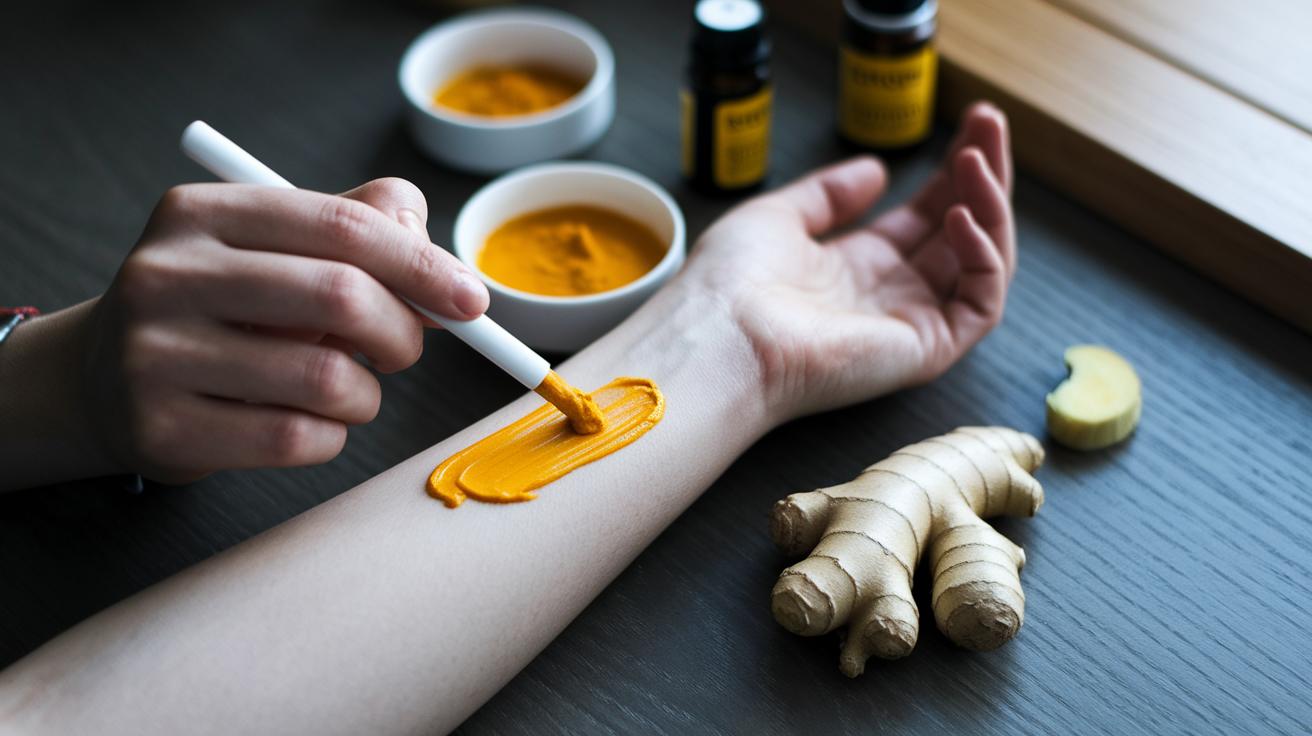
If you’re dealing with tendonitis, a simple solution can help ease your pain. Try a turmeric cream at home. Rub it on the sore spot three times a day. Turmeric helps lower swelling and softens stiffness over time. Using it every day could make a real difference in how your joints feel.
After a workout, a ginger compress might be just what you need to relax those tired muscles. Start by grating a bit of fresh ginger and soak it in warm water. Then, dab the compress gently on your sore muscles for about 15 to 20 minutes. This natural method can ease muscle soreness and help your body recover, leaving you refreshed and ready for your next session.
For those with ongoing joint pain, Boswellia serrata capsules may offer the help you need. A 300 mg capsule taken three times daily can support your joints by reducing inflammation. This natural remedy provides a gentle, botanical alternative for daily discomfort.
If back pain is troubling you, you might consider capsaicin cream. Look for a cream made with a concentration between 0.025% and 0.075%. Apply it to the affected area as needed, and be sure to follow the usage instructions on the label to avoid skin irritation.
For more easy, home-based treatments for specific conditions, check out our Natural remedies page. Each tip is designed to target pain gently and effectively using natural ingredients.
Essential Oils and Supplement Regimens for Inflammation Control
Sore muscles can feel pretty uncomfortable, but natural essential oil blends might help ease that pain. You can mix lavender, eucalyptus, and peppermint oils with a carrier oil for a soothing massage. After a long day, try dabbing a drop or two of lavender oil on your shoulders, it can relax your muscles and offer a cooling, calming feel.
Taking supplements by mouth also helps manage swelling. Curcumin, which comes from turmeric and helps reduce irritation, is a good pick. A daily dose of 500-1,000 mg can work to balance your body’s response. Imagine stirring a bit of curcumin into your morning tea for an easy health boost.
Fish oil is another friendly option. A daily intake of 1,000-2,000 mg of EPA/DHA might help lower inflammation markers. Just a word of caution: fish oil can sometimes cause a little tummy upset or interact with blood-thinning medications. If you feel any discomfort, check with your doctor.
For more tips on combining these natural approaches, visit our Natural Health page.
Lifestyle Practices to Maintain Low Inflammation Levels

Keeping inflammation low can be easier than it sounds. Regular, moderate exercise works like a charm. Try to get 30 minutes of activity at least five days a week, whether it's a brisk walk, a fun bike ride, or even dancing in your living room. It’s like giving your body a quick, refreshing boost, much like the warm feeling after a sunny stroll.
Managing stress is a big part of the puzzle too. You might try deep breathing or a little meditation each day. Picture yourself sitting calmly, taking slow, deep breaths, and feeling stress melt away. Those simple moments of quiet can really help ease your body's inflammation.
Good sleep is just as important. Aim for about 7 to 9 hours every night so your body gets enough time to rest and repair. Think of it as recharging your energy, so you're ready for a new day.
It can also help to keep a diary of your meals and symptoms. Jot down what you eat, your daily activities, and how you feel afterward. And if you have specific issues like celiac disease or gluten sensitivity, trying a gluten-free diet may lessen gut irritation and reduce overall inflammation.
Final Words
In the action, we explored how inflammation kicks in and the role it plays in our bodies. We looked at natural anti-inflammatory remedies, from herbs like turmeric and ginger to diet adjustments and lifestyle tweaks, that can ease chronic swelling and promote joint comfort. We also touched on condition-specific treatments and the use of essential oils and supplements. Each step offers simple ways to help your body feel better. Stay positive and keep embracing these natural methods for a healthier you.
FAQ
Q: What is the strongest natural anti-inflammatory?
A: The strongest natural anti-inflammatory is often turmeric because its curcumin compound targets key inflammatory markers. Regular intake of 500–1,000 mg per day may help reduce chronic inflammation.
Q: Which foods should I eat on an anti-inflammatory diet?
A: An anti-inflammatory diet focuses on nutrient-dense options like omega-3 rich fish, berries loaded with anthocyanins, extra virgin olive oil, whole grains, and plenty of fruits and vegetables for overall inflammation support.
Q: How can I reduce inflammation fast naturally?
A: Reducing inflammation fast naturally can include lifestyle changes such as moderate exercise, stress reduction, and integrating herbal remedies—like ginger or turmeric teas—along with a balanced, anti-inflammatory diet.
Q: What drinks can help reduce inflammation?
A: Drinks that reduce inflammation include green tea rich in EGCG, herbal infusions like ginger or turmeric tea, and berry smoothies, all of which provide natural antioxidants that help calm inflammation.
Q: What natural remedies help with inflammation and pain?
A: Natural remedies for inflammation and pain include herbal options such as turmeric, ginger, and garlic, as well as essential oil blends and topical applications to soothe discomfort and decrease systemic inflammation.
Q: What are the classic signs of inflammation?
A: The classic signs of inflammation are redness, heat, swelling, pain, and loss of function. These signals indicate your body’s natural response to injury or infection.
Q: How does a 21-day anti-inflammatory diet work?
A: A 21-day anti-inflammatory diet gradually replaces processed items with whole, nutrient-rich foods. This plan helps the body reduce inflammation over time while supporting improved overall wellness.