
Have you ever felt weighed down by a stressful day and thought a few mindful moments might change everything? Mindfulness helps bring a sense of calm and balance into your life. When you focus on the present, you can ease your worries, sleep better, and sharpen your focus. Just imagine splitting up a busy day into small bursts of peace and clarity.
Let's take a closer look at how even a short mindfulness practice can lift your mood and boost your overall health.
Benefits of mindfulness practice: Uplift Your Life
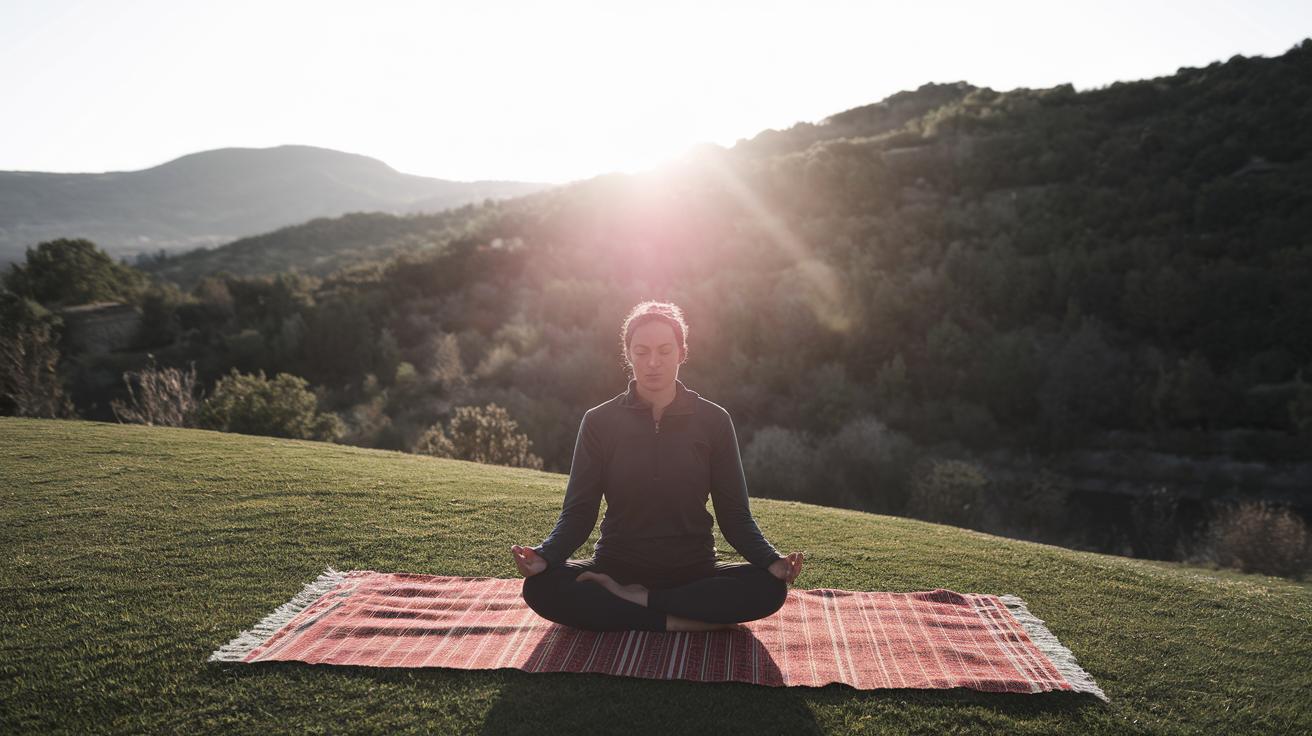
Mindfulness is a simple way to keep your mind in the here and now. It means really tuning in to your thoughts, feelings, and the little physical signals your body sends you. This practice touches on your mental, emotional, and physical health by helping you notice small shifts in your mood and body sensations, making every moment feel a bit richer.
Regular mindfulness sessions can help ease stress, anxiety, and even depression. Even a brief moment of focused calm might lower those stress hormones (like cortisol) and lift your mood. If you're looking for practical ways to manage everyday pressures, mindfulness gives you down-to-earth tools to make life feel a bit lighter.
Some key benefits include:
- Lowered cortisol levels and a steadier stress response
- Better sleep quality for both adults and seniors
- Increased self-awareness and smoother emotional ups and downs
- Healthier weight management and lifestyle choices
- A boosted attention span and clearer thinking
- Stronger resilience and improved coping skills
When you add these benefits into your daily routine, it creates a powerful impact on your overall well-being. A good night’s sleep and balanced meals fuel your energy, while less stress and improved focus help you make better decisions day by day. In short, mindfulness turns everyday moments into opportunities for growth, giving you a practical edge in both mental and physical wellness.
Scientific Evidence Behind Mindfulness Practice Benefits

Mindfulness programs, like the 8-week stress reduction course that mixes weekly classes with simple home exercises, really help calm your mind. Studies using brain scans show that these practices can change parts of the brain that help with focus and handling feelings. Even spending just 10 minutes a day on mindfulness can sharpen your attention. Recent research with early-stage Alzheimer’s patients found that these sessions can also boost mood and slow down mental decline.
| Study | Intervention Details | Key Outcomes |
|---|---|---|
| MBSR 8-week program | Weekly classes + home practice | 30–40% stress reduction |
| fMRI neuroplasticity study | 4-week meditation course | Increased prefrontal activation |
| 2018 brief session trial | 10-minute daily meditation | 20% attention span increase |
| 2023 Alzheimer’s MBI | 12-week tailored sessions | Slowed cognitive decline |
These findings shape how we approach our health. The research encourages adding simple mindfulness routines into everyday life to help clear the mind and boost focus. Health professionals often recommend beginners start with short sessions, then gradually build on that routine while keeping track of changes in stress, focus, and mood. This science not only backs up mindfulness practices but also helps guide us on a path to long-lasting well-being.
Emotional and Mental Health Benefits of Mindfulness Practice
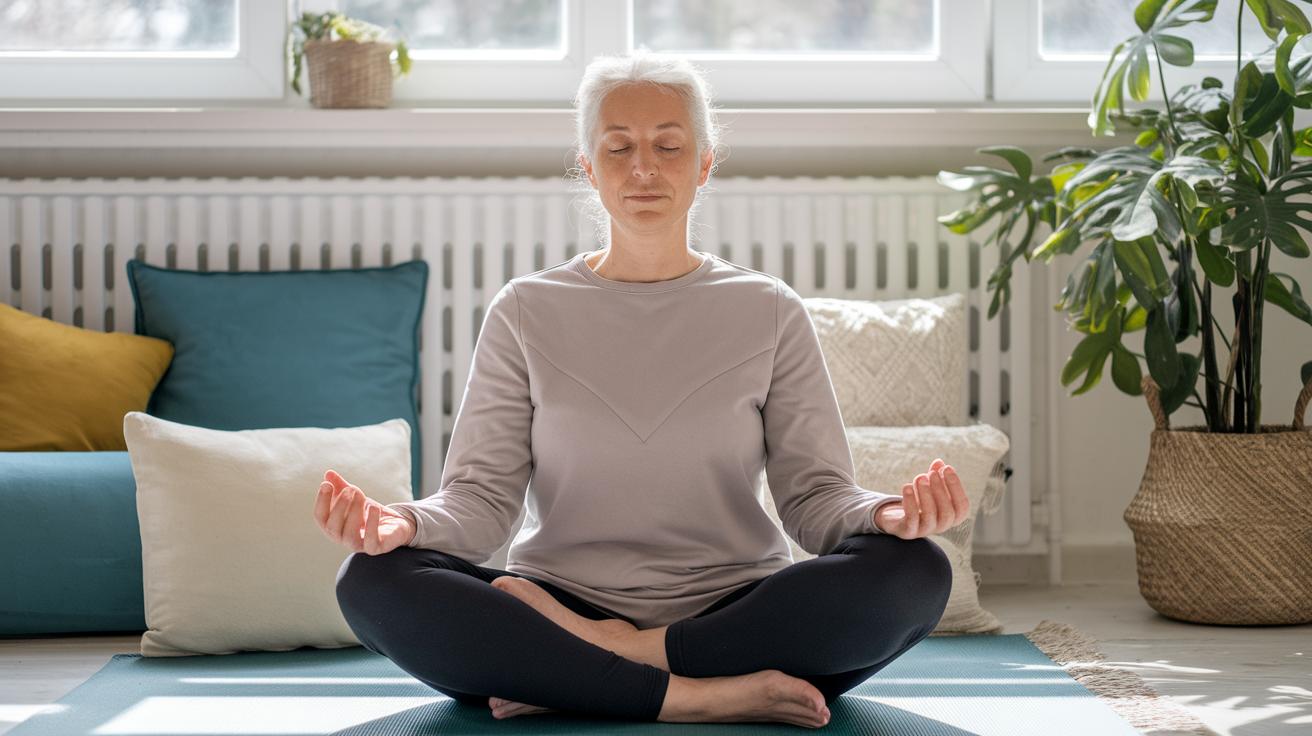
Mindfulness can really brighten your day and make you feel less alone, especially as we get older. It helps you feel more connected and balanced, lightening the load of isolation so you can enjoy a warmer mood.
Even a short mindfulness session can make a big difference. Research shows that even in just 5 to 10 minutes, a simple focus on mindfulness can ease those anxious feelings almost immediately. Plus, when mindfulness is used along with your usual care, it can help keep depression from coming back.
You can find out more about using meditation for anxiety by visiting https://siluk.net?p=134.
- Fewer signs of depression and less chance of relapse
- Quick relief from anxiety in as little as 5-10 minutes
- Added strength and resilience with regular practice
- A clearer sense of self and kinder self-reflection
- More self-compassion and better empathy
- Improved control over emotions during stressful times
When your anxiety and isolation lessen, everyday challenges start to feel more manageable. This calm paves the way for a more positive mindset and a long-lasting balance, helping you live a healthier life and build better relationships.
Enhancing Cognitive Clarity and Focus with Mindfulness Practice
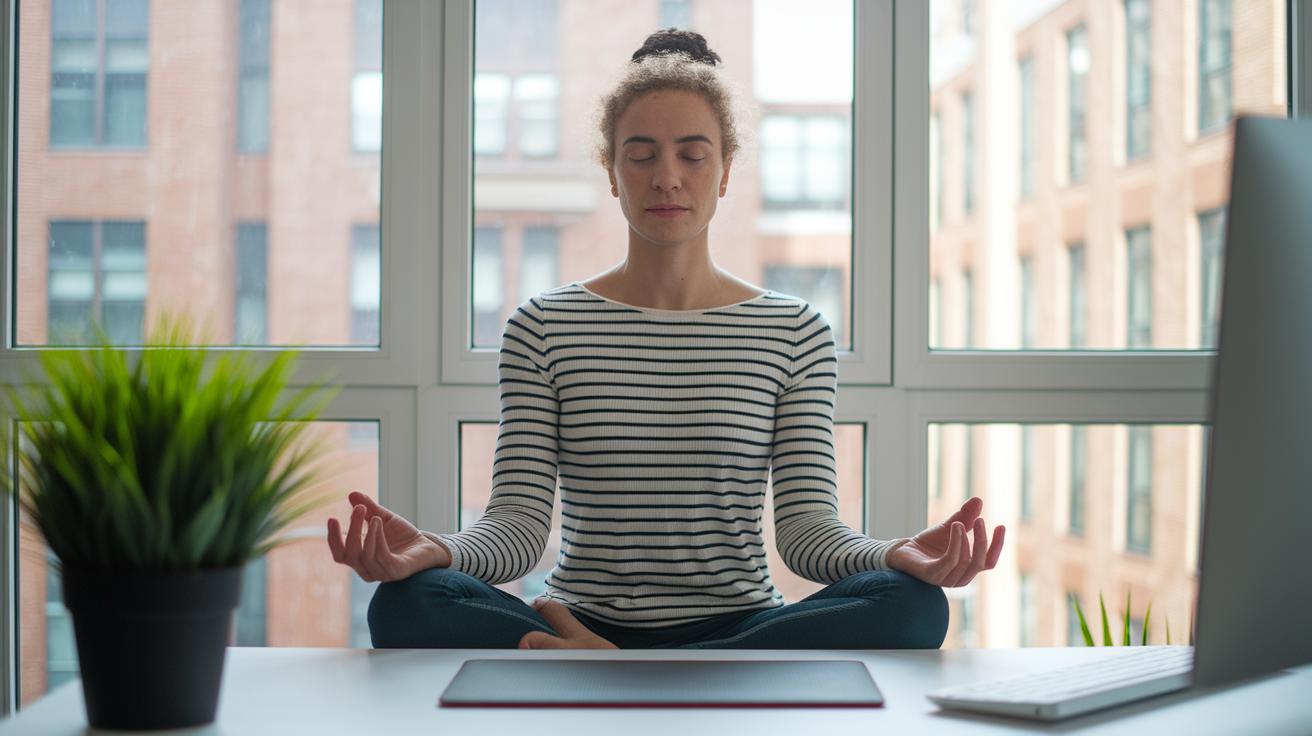
Even a short 10-minute mindfulness break can help you sharpen your focus, boost your memory, and encourage your brain to form new connections. Studies show that these brief sessions can improve not just your attention but also give you a leg up with creative problem-solving and better planning in everyday life.
In real-life terms, this means fewer distractions and smoother decision-making whether you're at work or home. When you take a moment for mindfulness, you help your brain sort through thoughts more easily. It's a bit like giving yourself a quick tune-up, so you’re ready to think clearly and even come up with new ideas when you need them most.
Physical Well-being Improvements from Mindfulness Practice

Mindfulness routines can really boost your sleep and help you feel more in tune with your body. When you practice mindfulness, many adults enjoy 7 to 9 hours of sleep, and seniors often get 6 to 8 hours of restful slumber. Simple exercises like mindful breathing for seniors help calm your thoughts before bedtime and even guide you to make healthier eating choices that keep your weight balanced. New research shows that good sleep and smart nutrition work together to ease your body’s tension.
Studies also find that mindfulness can lower stress hormones like cortisol and reduce tightness in your muscles. This helps your body relax more fully, which in turn improves recovery and everyday comfort. Many people end up feeling more peaceful and satisfied after sticking with a mindful practice.
Practical Daily Exercises for Mindfulness Practice
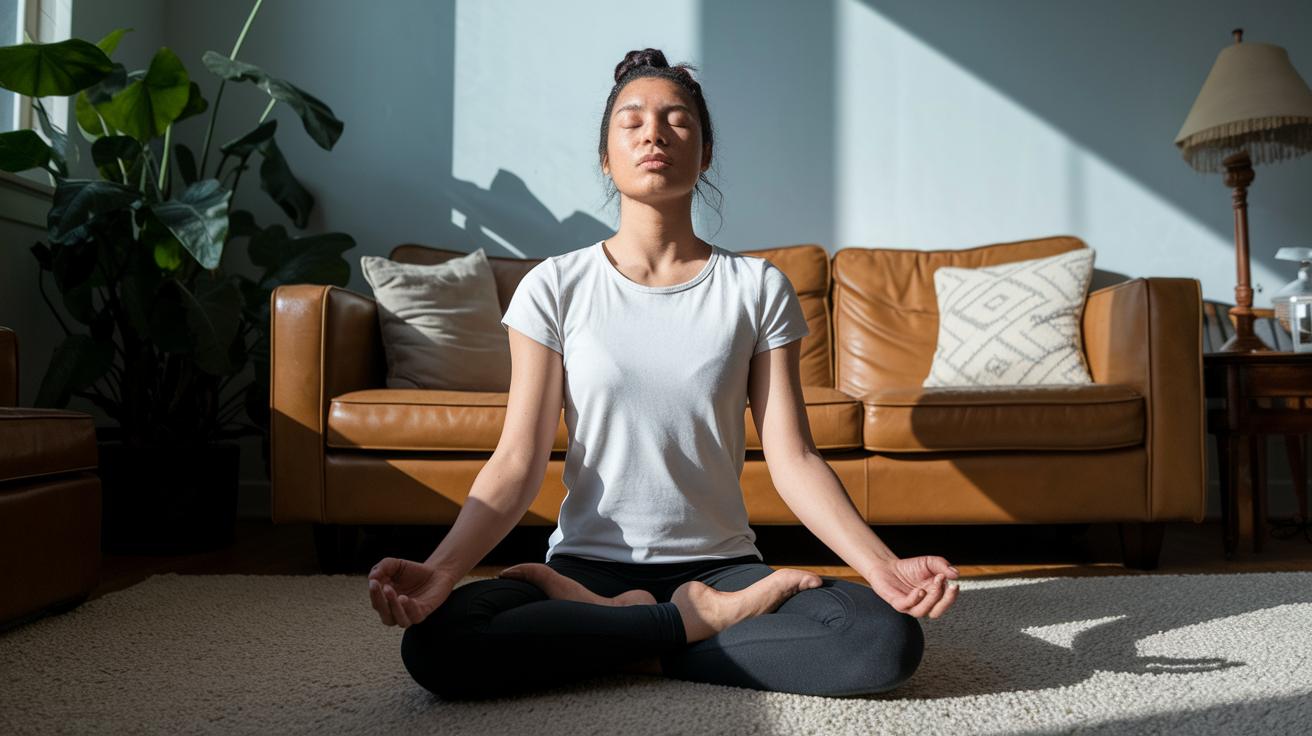
Starting a daily mindfulness routine can really help you handle stress and find a little calm in your day. Even five minutes of focused practice can build a strong habit. Best of all, these exercises don’t need any special equipment and easily fit into your everyday routine.
Guided Mindful Breathing
Give a quick 5-minute breathing break a try to soothe your mind. Sit comfortably with your back straight and close your eyes. Breathe in slowly through your nose for a count of four, hold for another four counts, and then gently exhale through your mouth for four counts. This steady, simple cycle can ease tension and help your thoughts settle.
Body Scan Meditation
Spend about 10 minutes tuning into your body. Lie down or sit in a relaxed position, and start at the top of your head. Slowly move your attention down your body, noticing any sensations without any judgment. This gentle exercise helps you tune into what your body is feeling and lets any built-up tightness fade away, leaving you more relaxed.
Walking Meditation
Take a mindful walk for 10–15 minutes where each step is intentional. Focus on the feeling of your feet touching the ground, the rhythm of your breathing, and the sounds around you. Paying attention to these little details can really help ease anxiety and keep you centered during your stroll.
Final Words
In the action, we explored how mindfulness tunes your mind, body, and spirit. It illuminates stress reduction, improved sleep, emotional balance, and sharper focus, all anchored by both scientific evidence and daily practices you can easily fit into your routine.
We wrapped up practical tips like mindful breathing and walking, showing you real ways to experience the benefits of mindfulness practice. Embrace these strategies for a healthier, more centered life and feel the positive change every day.
FAQ
What are the key benefits of mindfulness practice?
The benefits of mindfulness practice include improved mental clarity, enhanced emotional regulation, reduced stress, better sleep, improved self-awareness, and enhanced focus for students and adults.
Where can I find detailed information such as a PDF on mindfulness benefits?
A benefits of mindfulness PDF compiles comprehensive lists and explanations that outline both the mental and physical improvements associated with regular mindfulness practice.
What are the disadvantages of mindfulness?
The disadvantages of mindfulness may include a time commitment, the potential for discomfort when facing challenging thoughts, and difficulty staying focused during initial practice sessions.
What are the 3 C’s of mindfulness?
The 3 C’s of mindfulness typically emphasize cultivating Consciousness, Calmness, and Clarity, which guide you to remain centered and aware in the present moment.
What are the 5 R’s of mindfulness?
The 5 R’s of mindfulness involve Recognizing your thoughts, Reflecting on your feelings, Responding mindfully, Refreshing your perspective, and Reframing negative views into more positive insights.
What happens when you practice mindfulness every day?
Daily mindfulness practice builds emotional stability, strengthens focus, and reduces stress, which cumulatively leads to improved overall well-being and resilience.