
Have you ever wondered if your eating habits are the secret to building stronger muscles? Even if you work out hard, skipping a balanced mix of protein (which repairs muscles), carbohydrates (that fuel your energy), and fats (which support long-lasting energy) might be holding you back.
Relying solely on exercise can slow down recovery and stall gains. A meal plan that adds just a bit more energy helps your body get the tools it needs to repair and grow lean muscle.
Today, we're taking a look at how the right balance in your diet can turn your meals into a steady source of strength and endurance.
Macronutrient Balance to Fuel Muscle Growth
Building strong muscles means giving your body the right mix of nutrients. It all starts with a balance of good protein, steady-energy carbohydrates, and healthy fats. For muscle repair and growth, aim for about 1.6–2.2 grams of protein per kilogram of body weight each day (that's roughly 0.7–0.8 grams per pound). Carbs, at 3–5 grams per kilogram, keep you energized during workouts and refill your energy stores, while fats, at 0.5–1 gram per kilogram, help balance the hormones that repair muscles.
Think of it like a Mediterranean meal, full of colorful plant foods, lean proteins, and heart-healthy fats. A little extra in calories, just a slight surplus, can give your body the fuel it needs for muscle repair and steady progress in training. This lets you enjoy a balanced diet that supports your strength gains.
Here are some simple guidelines for fueling muscle growth:
- Protein: 1.6–2.2 g/kg/day (≈0.7–0.8 g/lb)
- Carbohydrates: 3–5 g/kg/day
- Fats: 0.5–1 g/kg/day
- A small calorie surplus for muscle repair and growth
| Nutrient | Percentage of Total Calories |
|---|---|
| Protein | 30% |
| Carbohydrates | 50% |
| Fats | 20% |
This approach sets clear targets for your macronutrients while giving you the extra energy needed for lean muscle gains.
High-Protein Foods for Muscle Gain
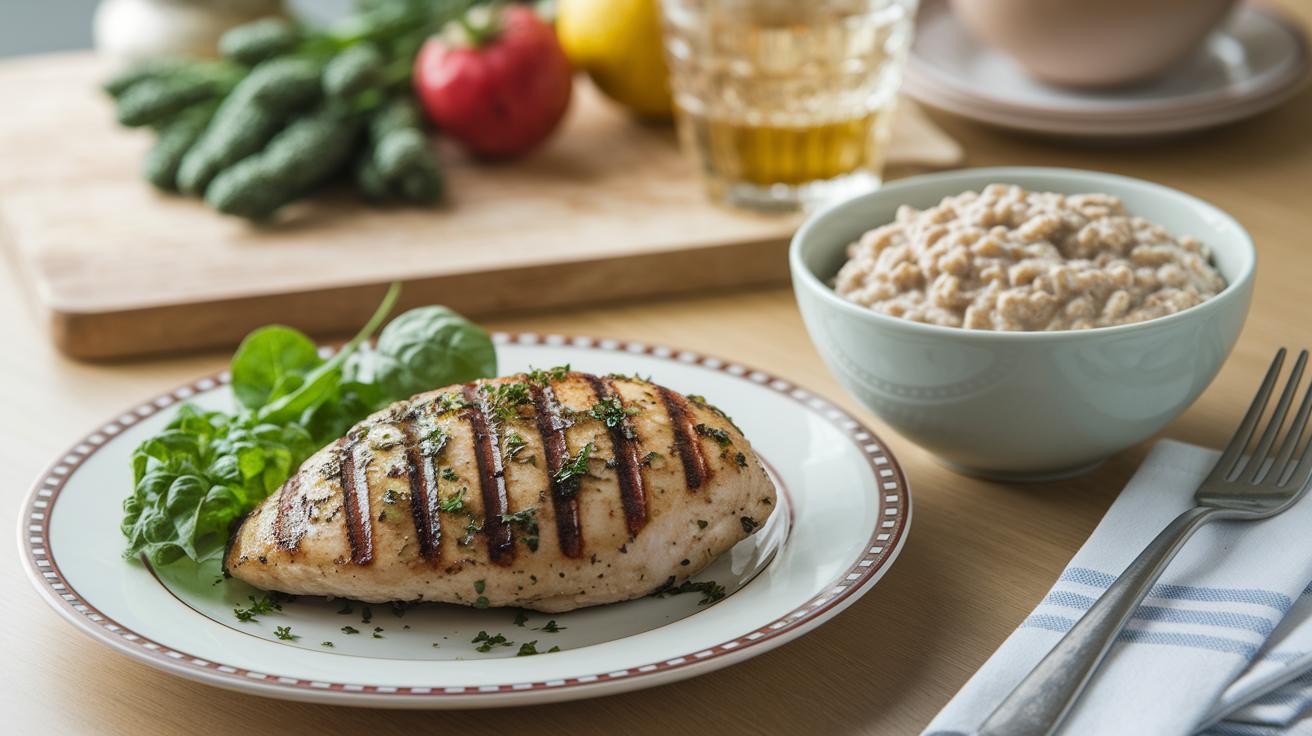
To build and repair your muscles, it’s important to enjoy quality protein. Lean cuts like skinless chicken and turkey pack a lot of protein and include leucine, an amino acid that helps your muscles grow after a good workout. Seafood such as wild salmon, tuna, and shrimp brings not just protein but also omega-3 fats, which are good for keeping your muscles healthy. Eggs, which offer about 5 grams of protein each, are a simple way to boost your protein intake. Greek yogurt is a standout choice because it has a mix of whey (a fast-acting protein) and casein (which works more slowly). For those who lean towards plant-based foods, tofu is a great option since it provides all nine of the essential amino acids you need.
Here’s a quick guide to some top high-protein foods:
| Food | Protein Content |
|---|---|
| Chicken Breast (3 oz) | 26 g |
| Turkey Breast (3 oz) | 25 g |
| Wild Salmon (3 oz) | 22 g |
| Tuna (3 oz) | 20 g |
| Shrimp (3 oz) | 20 g |
| Medium Egg | 5 g |
| Greek Yogurt (6 oz) | 15–20 g |
| Tofu (3 oz) | 8 g |
If you’re looking for dinner ideas to build muscle, check out high protein dinners for some tasty inspiration.
Complex Carbs and Healthy Fats for Muscle Energy and Recovery
Complex carbs, like sweet potatoes, brown rice, oatmeal, and many fruits and vegetables, give you steady energy for your workouts. They work like a slow-burning fuel that keeps you strong all through your exercise. Picture enjoying a warm bowl of oatmeal before heading out, it slowly fills up your energy tank so you can power through your routine.
Healthy fats, from foods such as olive oil, avocado, and nuts, help with muscle repair and recovery. These fats support hormone production needed for rebuilding muscles and ease any inflammation after a tough workout. Imagine drizzling a bit of olive oil over your salad after training, it not only adds a tasty touch but also helps your body bounce back.
Timing is key when you eat these nutrients. Try to have a balanced meal about 1 to 1.5 hours before exercising so your body has time to digest and power up. After your workout, a meal or snack that includes both carbs and fats can help reduce any inflammation while refilling your energy levels.
Here are the basics:
| Nutrient | Benefit |
|---|---|
| Complex Carbs | Provide slow-burning, lasting energy |
| Healthy Fats | Aid in muscle repair and help balance hormones |
Mixing these nutrients smartly gives your body the boost it needs during workouts and helps with a speedy recovery afterward.
Strategic Nutrient Timing Around Workouts for Muscle Growth
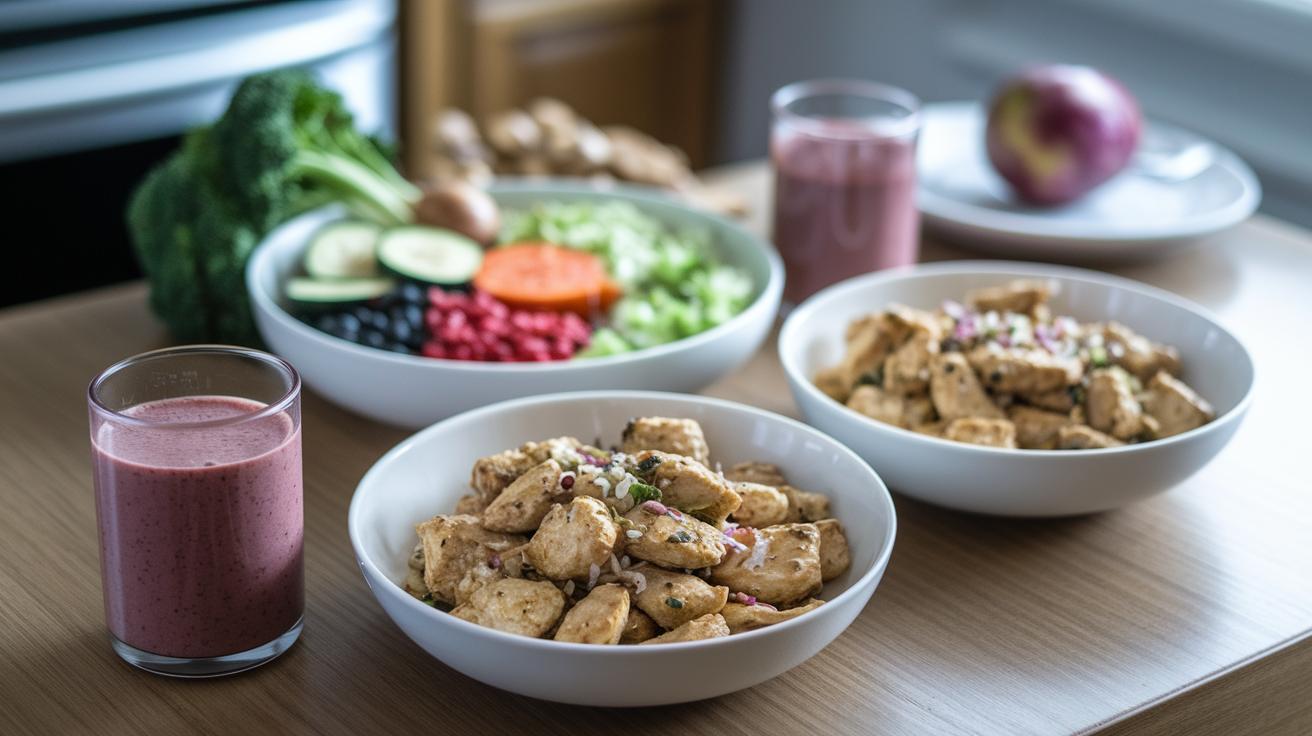
Timing your meals right can really boost your energy and help your muscles repair. Try eating a healthy meal around 1 to 1.5 hours before you exercise. For example, a small bowl of oatmeal topped with fruit gives your body the steady fuel it needs before a hard workout.
When you’re in the middle of a long session, sip on a drink rich in carbohydrates. A refreshing sports drink or a small carb snack providing 30 to 60 grams of carbs per hour can keep your energy steady as you push through.
After your workout, focus on foods that help reduce swelling and rebuild muscle. Go for anti-inflammatory choices like berries, leafy greens, and a little olive oil. Adding potassium-rich foods like bananas or potatoes can support muscle function, and a protein source such as salmon helps repair your muscles, salmon, for example, offers about 20 grams of protein per 100 grams.
Here are some simple tips to keep in mind:
- Pre-workout: Eat a balanced meal 1 to 1.5 hours before training.
- During long workouts: Try to get 30 to 60 grams of carbs each hour.
- Post-workout: Choose foods that soothe inflammation, boost potassium, and are high in protein.
Using these meal timing ideas can help you stay strong and support muscle growth effectively.
Meal Planning Strategies for Sustainable Muscle Growth
When you're looking to build muscle, eating a balanced diet is key. Spreading your protein and nutrients evenly throughout the day can really help your muscles repair and keep your energy steady. Splitting your meals into four to six smaller portions is a smart way to do that. Imagine starting your day with a Power Bowl breakfast that includes 3 oz of chicken to kick off your protein, followed by a Muscle-Building Smoothie with a scoop of protein to keep you going until lunch.
At lunch, a Cashew Chicken Stir-Fry with 5 oz of chicken, fresh vegetables, and whole grains can be just the ticket. This dish gives you muscle-friendly protein and slow-burning carbohydrates to support you during your workout. Then, for dinner, a Curried Chicken dish with red lentils and 6 oz of chicken will supply your body with the nutrients needed to recover while you sleep.
Planning ahead can make meal prep fun and stop you from eating the same things over and over. Mixing up your lean proteins or changing your vegetable mix each week keeps meals fresh and full of nutrients. Batch cooking on a day off and portioning your meals in advance can really save time during those busy weekdays.
Below are some simple tips to keep in mind:
| Tip | Why It Helps |
|---|---|
| Spread protein evenly | Supports muscle repair and steady energy |
| Mix up your ingredients | Keeps meals interesting and nutrient-packed |
| Pre-cook meals | Makes busy days run smoother |
For more ideas on meal planning and budget-friendly recipes, resources like Nutritional Weight Wellness (https://medsfax.com?p=1626) can offer great guidance on efficient meal prep.
Supplements and Recovery Considerations for Muscle Gain

Using a high-quality whey protein supplement can really boost your protein intake, which helps repair muscles after a workout. It works well for many, though a few folks might feel a bit of tummy discomfort. Creatine monohydrate is another friend in the gym; it gives your muscles a quick burst of energy during tough workouts so you can push a little longer before getting tired. And then there are BCAAs, which work much like whole foods to ease your recovery and reduce muscle soreness.
Staying well-hydrated is key. Drinking water mixed with electrolytes helps your muscle cells work properly and can stop cramps from sneaking in during and after exercise. This simple habit speeds up the recovery process and makes sure you’re ready for your next workout. It’s also wise to review any medications with your doctor since some, like statins, zidovudine, or corticosteroids, might weaken muscles or slow recovery.
| Supplement/Tip | Benefit | Note |
|---|---|---|
| Whey Protein | Boosts muscle repair | May cause mild stomach upset for some |
| Creatine Monohydrate | Provides fast energy for intense workouts | Helps extend workout performance |
| BCAAs | Aids in muscle recovery | Works similarly to whole foods |
| Proper Hydration | Supports cell function and prevents cramps | Add electrolytes to your water |
And remember, checking in with your healthcare provider about any medications you take can be a game changer for your muscle-building journey.
Final Words
In the action, we broke down the building blocks of muscle growth, from meeting precise macronutrient targets to pairing lean proteins with complex carbs and healthy fats. We shared meal planning tips, nutrient timing strategies, and supplement suggestions that support muscle repair, boost energy, and promote recovery. Each strategy helps create a practical approach to meeting daily goals while keeping personal health secure. Remember, following a balanced diet for muscle gain can keep your progress steady and your energy high. Keep moving forward with confidence and care.
FAQ
What is a balanced diet for muscle gain and fat loss for beginners?
A balanced diet for muscle gain and fat loss means eating enough protein, carbs, and fats in a slight calorie surplus. This supports muscle repair and growth while helping trim excess fat.
What are the key elements of a 7-day meal plan for muscle gain, including versions available as PDFs and for males?
A 7-day muscle gain meal plan highlights consistent protein intake, proper carb fueling, and healthy fats. Many plans offer PDF formats, and they cater to male nutritional needs through balanced, timed meals.
What does a gym diet plan for muscle gain include?
A gym diet plan for muscle gain includes high-quality protein, energy-providing carbs, and beneficial fats. It schedules pre- and post-workout meals to boost energy levels and aid muscle repair.
What is the best diet to gain muscle?
The best diet for muscle gain combines sufficient protein, energizing carbohydrates, and healthy fats with a slight calorie surplus. This balance drives muscle building and supports active workouts.
Can you gain muscle with a balanced diet?
Gaining muscle on a balanced diet is possible if meals provide the needed protein, carbs, and fats along with a small calorie excess to fuel muscle repair and growth.
What is the 60 25 15 diet?
The 60 25 15 diet splits calories into 60% carbohydrates, 25% protein, and 15% fats. This nutrient breakdown is designed to support energy and recovery, though other ratios might suit muscle growth better.
How do you bulk in 7 days?
Bulking in 7 days involves slightly increasing your calorie intake and focusing on protein-rich meals alongside resistance training. This short-term focus kick-starts muscle repair, though sustained changes yield the best results.