
Ever wonder if being healthy is more than just not being sick? Imagine if taking care of your body, mind, and feelings made your days brighter. Holistic wellness means looking after every part of you – from staying active and keeping good friendships to even managing your money wisely. This way of living shows how small, everyday choices can bring balance inside and a glow to your life. In this article, we'll explore how caring for each part of yourself can help you feel strong and steady every day.
What is Holistic Wellness: Radiant Living
Holistic wellness is all about taking care of every part of you. It isn’t just about avoiding sickness, it’s about feeding your body, calming your mind, and nurturing your emotions, spirit, social ties, and even your work life. Some experts also include financial health, because money matters can affect how we feel overall.
Instead of seeing health as simply not being ill, holistic wellness views life as a mix of many connected parts. Authorities like the National Wellness Institute mention six key areas. And many people add a seventh area, financial stability, to that list. This broader view helps you make choices that care for every important piece of your life.
The key parts are:
- Physical
- Mental
- Emotional
- Spiritual
- Social
- Occupational
- Financial
Taking care of all these parts means building everyday habits that keep you fit, thinking clearly, feeling balanced, finding a sense of spirit, connecting with others, and doing work that matters. Whether you stick with the six parts or add financial wellness too, this approach lights the way to a vibrant life filled with energy. Every little step you take in caring for yourself paves the path toward strength and steady growth.
Physical and Nutritional Practices for Holistic Wellness

Getting regular movement into your day can truly boost your energy and well-being. Aim for about 150 minutes of moderate exercise or 75 minutes of more active movement each week. Even a brisk 30-minute walk daily or a couple of short cardio sessions can really add up, kind of like that refreshing jog a friend mentioned that kickstarted her day. And don’t forget to add muscle-strengthening activities a couple of times a week to keep your body strong, even if it’s just 60 minutes total.
Eating the right foods is just as important to feel your best. Try "eating the rainbow" by including colorful fruits, veggies, whole grains, lean proteins, and low-fat dairy in your meals. Think of each meal as a puzzle, where each piece of food fits together to give your body the nutrients it needs.
Mixing regular exercise with these healthy eating habits creates a full, balanced plan for life. When you move your body and choose nutritious foods every day, you lift your mood, boost your energy, and build overall strength. Small, everyday choices in walking, stretching, and fueling with good food lay the groundwork for lasting and vibrant health.
Mental and Emotional Dimensions of Holistic Wellness
Taking care of stress and staying in touch with your feelings is key to feeling balanced. Mindfulness and meditation help clear out mental clutter so you can really take in each day. Even simple tricks, like deep breathing or writing down a quick note about how you feel, can improve the way you think and boost your emotional smarts. For instance, try this: breathe in slowly, pause for a moment, then let it all go with a long exhale. Afterward, jot a note about your mood. You can check out more ideas in this handy guide on stress management strategies. By facing stress head-on, your mind stays sharp and your spirit remains steady.
Opening up about how you feel, instead of tucking it all away, builds real mental strength. When you treat every emotion as important, whether it’s a burst of joy or a moment of sadness, you build resilience and keep a balanced view of life. This approach helps you meet challenges with a calm mind and a warm heart.
Even simple practices can make a huge difference. Just five minutes of focused breathing or a brief journal entry can clear your head and help steady your emotions.
Spiritual and Social Aspects of Holistic Wellness
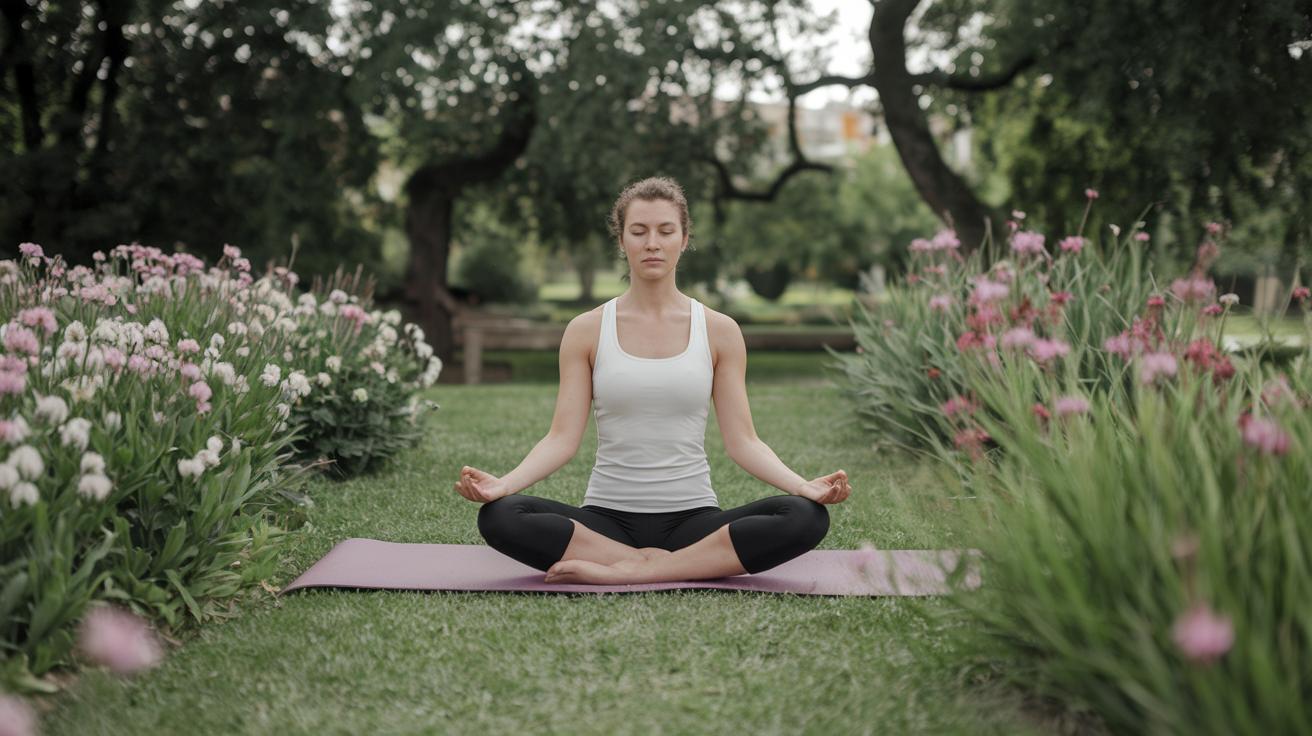
Spiritual wellness helps us feel connected to a deeper purpose by using simple practices like meditation, yoga, tai chi, and aromatherapy. These activities can ease stress and bring you a sense of peace. Try this: close your eyes, slowly breathe in, and gently let the air out. It may seem small, but such mindful moments can turn a busy day into a pause of calm.
Social wellness is all about building strong relationships and finding a good balance between work and personal life. It might be as simple as having a relaxed coffee chat with a friend or joining a local community event. These moments are the support we lean on and they encourage us to be our true selves.
When you mix quiet spiritual practices with warm social interactions, you create a solid foundation for a balanced and healthy life. By adding regular meditation and thoughtful check-ins with people who matter, you nurture both your inner spirit and your sense of community while paving the way to a life filled with balance.
Daily Integration of Holistic Wellness
Every small choice you make each day helps build a balanced life. Over time, adding little routines can create a steady rhythm that makes self-care feel natural and easy.
- Spend about 20 minutes a day on mindfulness, like meditation or deep breathing, to help clear your mind and find a moment of calm.
- Plan meals that mix fruits, vegetables, whole grains, lean proteins, and low‐fat dairy. This balanced diet gives your body the fuel it needs.
- Get around 30 minutes of exercise, whether it’s a brisk walk, a bike ride, or a quick home workout, to naturally boost your energy.
- Touch base with a friend or family member each day, even if it’s just for a few minutes, to keep your social connections upbeat.
- Take short, mindful breaks during work or study sessions to relax and recharge. Learn more about how to live a healthy lifestyle: https://siluk.net?p=
- Try to stick to a regular sleep schedule by aiming for 7 to 8 hours each night, so your mind and body get the rest they need.
- Finish your day with a bit of gratitude journaling, noting the positive moments and little wins that brought you joy.
Building these simple habits into your day not only boosts your physical and emotional health but also lays the foundation for lifelong wellness. When self‐care becomes a natural part of everyday life, you’ll find it easier to handle life’s ups and downs with balance and strength.
Holistic Wellness Versus Conventional Healthcare
Conventional healthcare usually focuses on treating the problem once symptoms appear. It often means using medicine or surgery to deal with a specific issue. In contrast, holistic wellness is all about prevention and taking care of the whole you, your body, mind, and emotions. Instead of just reaching for painkillers when you have a headache, you might consider improvements in sleep, diet, and how you handle stress to stop problems before they start.
Holistic care mixes physical, mental, and emotional support with any medical treatment you may need. It looks at everyday habits like sleep patterns, food choices, and exercise to help your overall well-being. By paying attention to more than just one symptom, this wellness approach aims to boost long-term vitality, making it easier to enjoy a balanced, healthy life.
Key Benefits of Holistic Wellness
Holistic wellness is more than just daily self-care. It helps you see the big picture of your health, giving you a boost of energy, sparking creativity, and calming your mind. Imagine taking a quiet moment during a busy day that clears your head and makes you feel ready to take on the world.
This way of living can also help you focus better and handle stress in new ways. Think of it like pausing for a quick mental reset that leaves you feeling refreshed and accomplished. These little breaks can help you make smarter choices and feel more in control of your life.
Over time, looking after your whole self builds a strong, steady spirit. Even small tweaks, like a few mindful breaths during a hectic day, can lead to real improvements in your overall well-being and keep you healthier in the long run.
Final Words
In the action of exploring what is holistic wellness, we saw how embracing physical, nutritional, and mental practices can build a balanced lifestyle. We also touched on the role intensive self-care, social connections, and even spiritual moments play in fostering overall well-being. The article highlighted the contrast between traditional healthcare and a complete health concept that nurtures every facet of life. Every small, positive step taken daily reinforces the power of this unified vitality model and leaves us feeling hopeful, empowered, and ready to lead healthier lives.
FAQ
What is holistic health?
Holistic health means looking at all parts of your life—physical, mental, emotional, social, spiritual, and sometimes financial—to keep you balanced and feeling good.
What are examples of holistic health and wellness?
Examples include practices like meditation, yoga, balanced nutrition, and exercise routines, as well as natural approaches like herbal remedies. These methods help address both body and mind.
What is holistic medicine and why is it considered a better approach?
Holistic medicine is about caring for the whole person, not just treating symptoms. It uses natural treatments, lifestyle changes, and mind–body practices to help you achieve overall health.
What are the 8 pillars of holistic wellness?
The 8 pillars of holistic wellness include aspects such as physical, mental, emotional, spiritual, social, occupational, and sometimes financial health. They create a framework for achieving complete balance.