
Ever wonder if delicious meals can help you manage diabetes? A balanced diet doesn't mean you have to give up flavor. In fact, mixing foods like high-fiber carbs (think whole grains), lean proteins, and healthy fats can help keep your blood sugar steady. Imagine swapping out white bread for a warm bowl of oatmeal or enjoying grilled chicken with a rainbow of veggies. These small changes can really boost your well-being. Read on to see how a balanced meal can both satisfy your taste buds and support your health.
Core Components of a Balanced Diet for Diabetics: Enjoy Healthy Eats
Eating right when you have diabetes means keeping your blood sugar steady while getting all the nutrients your body needs. Aim to get about half of your daily calories from carbohydrates. Try to choose high-fiber, complex carbs like whole grains and beans. For instance, swapping white bread for oatmeal can help slow the rise in your blood sugar by taking in sugar more gradually.
Lean proteins are also very important. Options like fish, chicken, or even plant-based proteins help build and repair your body while keeping you full longer. Picture a simple meal with some grilled chicken next to a serving of quinoa, it's a tasty way to stick to a diabetes-friendly plan.
Healthy fats play a role too, but enjoy them in moderation. They slow down digestion, which can help keep your blood sugar levels steady, but too much fat might lead to problems like insulin resistance. A few walnuts or a light drizzle of extra-virgin olive oil on your salad can add flavor without causing a spike.
Non-starchy vegetables, such as leafy greens, broccoli, and bell peppers, are like tiny nutrient powerhouses. They provide vitamins, minerals, and plenty of fiber while filling up a big part of your plate. A colorful mix not only makes your meal more appealing but also helps maintain a balanced diet.
Finally, don’t forget about staying hydrated. Drinking water or low-calorie beverages is key to keeping your body happy without adding extra sugars. Think of it as the final touch that ties your healthy meal together.
Macronutrient Breakdown for Diabetes Blood Sugar Control

Good balance of nutrients helps keep your blood sugar in check. Try to fill your plate with about 50% fiber-rich carbs, 20% lean protein, and 30% healthy fats. Fiber from whole grains and veggies slows the rise in sugar levels, while lean protein from fish or beans supports your muscles and keeps you feeling full. Healthy fats from sources like olive oil and nuts give you steady energy without causing spikes in blood sugar.
One handy tip is to include both a fiber source and a bit of protein in every meal. For example, you might add a sprinkle of seeds to your salad. This little crunch not only boosts taste but also helps slow down how quickly sugar is released into your blood.
Imagine your plate as a canvas where each section has its own part to play. Half of it could be filled with bright, colorful whole grains and veggies that gently release sugar, keeping your energy even.
| Nutrient | % of Daily Calories |
|---|---|
| Carbohydrates | 50% |
| Protein | 20% |
| Fats | 30% |
Planning your meals ahead of time can really help keep your plate balanced and your blood sugar steady.
Implementing the Diabetes Plate Method in a Balanced Diabetic Diet
This method is a straightforward way to build balanced meals. Grab a 9-inch plate and imagine it split into three parts. Fill half with non-starchy veggies like spinach, broccoli, or bell peppers. Then, put lean proteins such as fish, chicken, cheese, or soy into one quarter. Finally, use the remaining quarter for foods that provide carbohydrates, like whole grains, starchy vegetables, beans, fruits, or dairy. This simple layout takes the guesswork out of portion sizes and makes it easier to stick to your diabetic diet without any complicated measuring.
Adapting the Plate Method for Mixed Dishes
For meals that mix different foods, think tacos or stir-fries, try breaking the dish into its main parts. For example, pick out the lettuce, tomatoes, or other veggies, set aside the grilled meat or tofu for protein, and treat items like tortillas or rice as the carbohydrates. This trick helps you make sure every bite fits neatly into your balanced plate.
Recommended Beverage Choices
When it comes to drinks, plain water is always a good choice. Stick with water, unsweetened herbal tea, or sparkling water. It’s best to avoid sugary sodas, fruit juices with added sugar, and drinks that use artificial sweeteners.
Top Diabetes-Friendly Foods to Include in a Balanced Diet
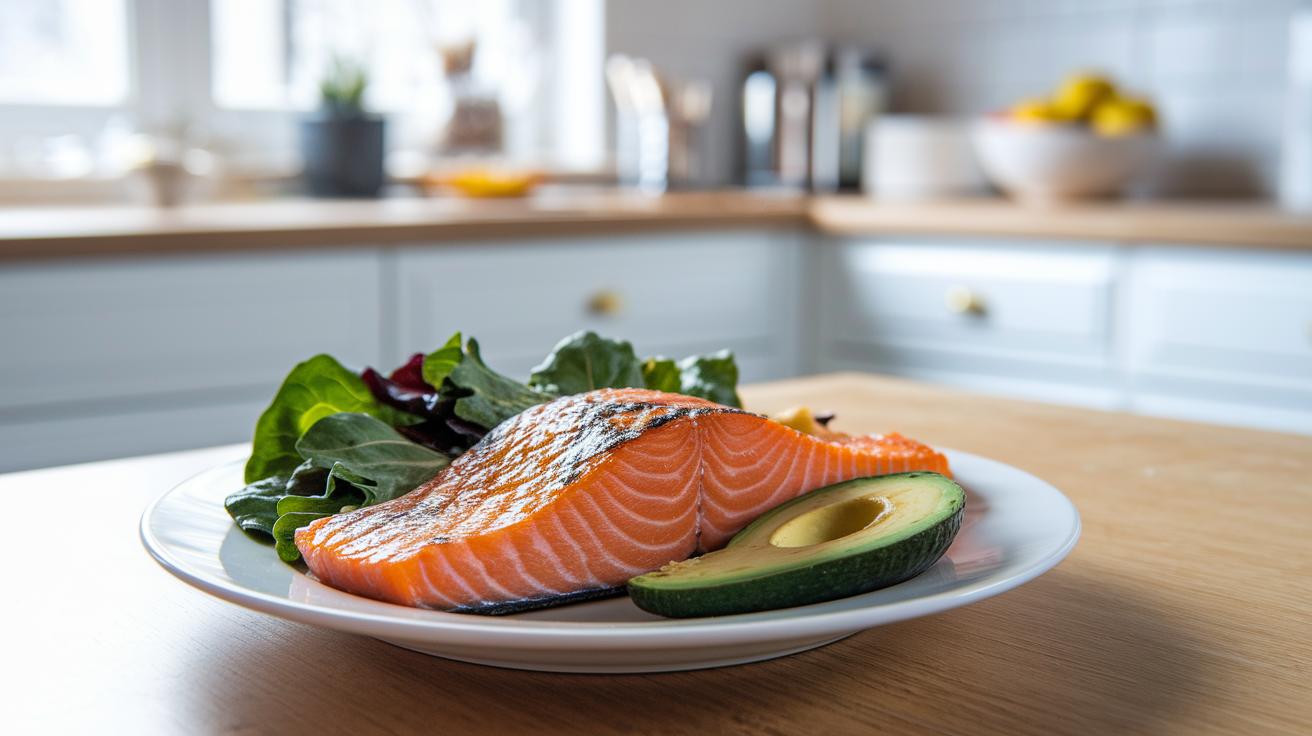
Eating foods that are good for diabetes can help keep your blood sugar steady every day. These choices not only taste great but also give you steady energy all day long. Imagine enjoying a plate of grilled salmon that not only delights your taste buds but also fills your body with heart-healthy omega-3 fats.
- Fatty fish like salmon, sardines, herring, anchovies, and mackerel provide omega-3 fats that help keep your heart strong.
- Leafy greens such as spinach and kale are packed with vitamins and have very few carbohydrates.
- Non-starchy vegetables, like broccoli and squash, add fiber and important minerals to your meals.
- Avocados offer healthy fats and contain less than 1 gram of sugar per serving.
- Eggs give you high-quality protein that might help lower the risk of heart disease.
- Chia seeds are loaded with fiber and can slow down how fast sugar enters your bloodstream.
- Beans are great for giving you B vitamins and vital minerals.
- Greek yogurt has been shown to lower the risk of type 2 diabetes by 18%.
- Nuts deliver a satisfying crunch and are a nutrient-rich snack as seen in this nutrient dense snack.
- Extra-virgin olive oil is full of monounsaturated fats that are good for your heart.
- Flaxseeds add extra omega-3 fats and fiber to your diet.
- Apple cider vinegar might help keep your blood sugar from spiking.
- Strawberries offer natural sweetness along with antioxidants.
- Garlic not only boosts flavor but also supports overall heart health.
- Shirataki noodles work as a low-carb alternative to regular pasta.
- Blueberries are another tasty treat that provides antioxidants and fiber as another nutrient dense snack.
Common Foods to Limit or Avoid in a Diabetic Meal Plan
When it comes to keeping your blood sugar levels steady, knowing what to eat matters a lot. Some foods can cause a quick spike in your blood sugar or even make your body handle insulin less effectively. For example, refined grains like white bread or pasta are low in fiber and can push your blood sugar up fast.
Sugary drinks such as sodas and sweetened teas carry lots of sugar in one go, which your body finds hard to handle. Fried foods, like fried chicken or French fries, are packed with extra calories and bad fats that make balancing blood sugar tougher. Drinking alcohol on an empty stomach might drop your blood sugar too low, and many breakfast cereals are loaded with added sugars that can overwhelm you first thing in the morning.
Candy, too, gives your body a rush of sugar that can throw off your balance. Processed meats not only link to heart problems but can also be a poor choice when watching your blood sugar. Even fruit juice, which might seem healthy, often doesn’t have the fiber that whole fruits do, meaning it can also cause a sharp sugar spike.
Choosing whole, unprocessed foods can help keep your blood sugar steady and support a balanced diet overall.
Meal Timing and Portion Control Strategies for Effective Blood Sugar Management
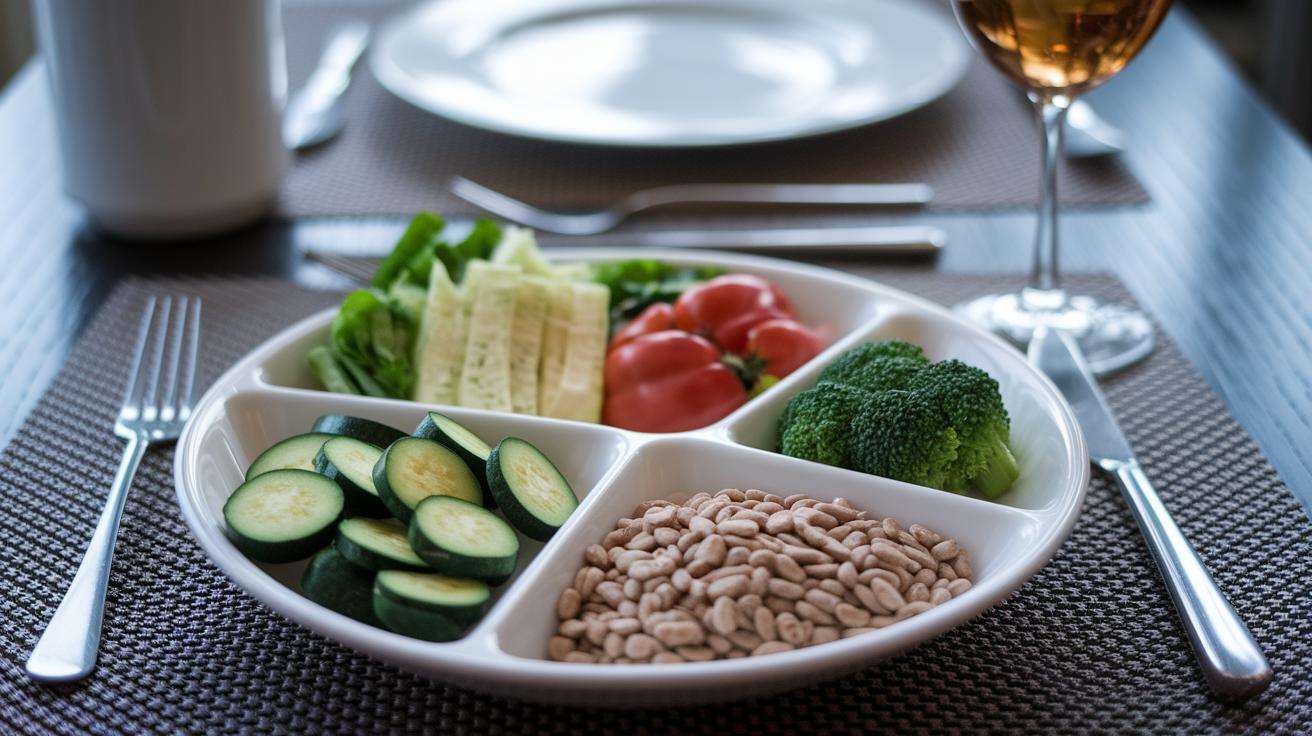
Keeping your meal times steady really helps keep your blood sugar in balance. Try to enjoy three healthy meals and two snacks every day, about every 3 to 4 hours. This way, you'll dodge those energy dips. Using a measuring cup or splitting your plate into sections can make it easier to control how much you eat. Imagine your plate cut into parts that match your own carb needs, it’s a simple trick that keeps your meals consistent.
- Stick to a set schedule every day.
- Use measuring cups or plates with marked sections to keep portions in check.
- Plan for three main meals and two snacks throughout the day.
- Give your portions a quick look before you dig in to keep your sugar levels steady.
- Check out this helpful resource on a balanced diet when planning your meals: tips for balanced diet.
These practical steps can keep your energy flowing smoothly and your blood sugar steady. It takes the stress out of planning your meals and helps you avoid those sudden hunger pangs and energy crashes.
Sample Balanced Menu and Meal Ideas for Diabetics
Imagine setting up a week of meals that help keep your blood sugar steady. This three-day rotating plan makes it easy to control portions and balance your nutrients.
On Day 1, start your morning with whole-grain toast topped with mashed avocado and soft scrambled eggs. For a mid-morning boost, have a bowl of Greek yogurt with a handful of berries. At lunch, enjoy a crisp salad loaded with grilled chicken and quinoa, giving you lean protein and healthy carbohydrates. Later, munch on crunchy carrots with a side of hummus for a light snack. Dinner brings baked salmon with steamed broccoli and a scoop of brown rice, creating a meal that supports your heart and overall well-being.
Day 2 brings some variety with a breakfast of chia-seed pudding, a tasty option rich in fiber and healthy fats. Lunch is served in the form of a warm bowl of lentil soup, packed with protein and B vitamins. For dinner, savor a colorful turkey stir-fry full of lean protein and fresh, crisp vegetables.
Day 3 begins with a warm bowl of oatmeal sprinkled with crunchy nuts for a satisfying start to your day. At midday, enjoy a light tuna salad that’s also a great source of omega-3 fatty acids. End your day with shrimp tacos wrapped in whole-grain tortillas to balance lean protein with fiber-rich carbs.
For more tips on keeping meals both healthy and budget-friendly, check out this advice from balanced meals on a budget.
Overcoming Common Challenges and Myths in Diabetic Nutrition
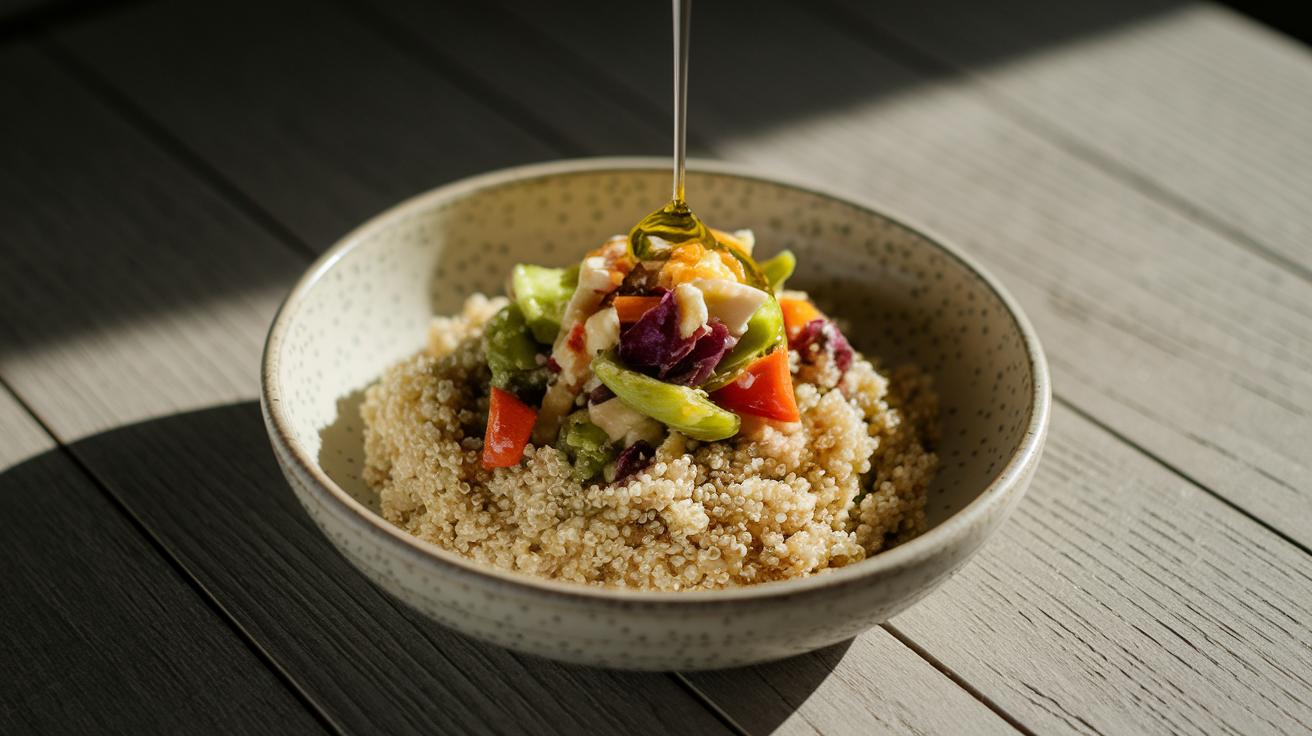
Sometimes you might hear that all fats are harmful. But the truth is, a little healthy fat can actually help keep your blood sugar steady. A drizzle of olive oil or a handful of nuts can be a smart choice.
Another common myth is that people with diabetes need to skip fruit altogether. Whole fruits give you fiber and important nutrients without causing a big sugar spike when eaten in the right amounts. Imagine biting into a crisp apple, its natural fiber gently balancing your blood sugar.
Some folks assume that low-fat sweets are a safe option. In reality, sugar-free products can hide extra carbs and affect your gut health. Taking a moment to read labels closely can help you spot these hidden ingredients.
Even small changes can make a big impact. For instance, swapping white rice for quinoa adds extra nutrients and fiber to your meal. Choosing whole foods and making informed choices can make managing blood sugar feel much easier.
Final Words
In the action, our blog covered how to build a balanced strategy for blood sugar management using clear plate methods, macronutrient balances, and meal timing tips. We broke down the importance of nutrient diversity, highlighting foods that work best and those best to steer clear of.
This balanced approach puts proven diabetes nutrition into simple, everyday steps that support stable energy and overall well-being. Embrace this balanced diet for diabetics and feel inspired every day.
FAQ
What does a 7-day diet plan for diabetic patients include?
A 7-day diabetic diet plan includes balanced meals featuring non-starchy vegetables, lean proteins, whole grains, and healthy fats. The plan also emphasizes consistent meal timings to help maintain stable blood sugar levels.
What foods should I avoid if I have diabetes?
Foods to avoid with diabetes include refined grains, sugar-sweetened beverages, fried items, processed meats, and high-sugar snacks that can raise blood glucose levels and increase the risk of insulin resistance.
What are three rules of a diabetic diet?
Three rules for a diabetic diet are to balance meals with controlled portions, limit high-sugar and refined carbohydrate foods, and choose whole, nutrient-dense ingredients that assist with blood sugar control.
What is a good balanced meal for a diabetic?
A good balanced meal for a diabetic fills half the plate with non-starchy vegetables, one quarter with lean proteins, and one quarter with fiber-rich carbohydrates, helping to maintain steady energy and blood sugar levels.
What is the 40 30 30 diet for diabetics?
The 40 30 30 diet for diabetics assigns roughly 40% carbohydrates, 30% protein, and 30% healthy fats. This balance supports steady blood sugar control while delivering vital nutrients throughout the day.
What foods are on a diabetic food list or Type 2 diabetes food list?
A diabetic food list typically features non-starchy vegetables, whole grains, lean proteins, fatty fish, fresh fruits, nuts, and seeds. These foods provide essential vitamins and fiber while helping to manage blood sugar levels.