
Ever wonder if simple changes could help lower your chance of cancer? When you choose smart foods, get a little exercise, and take a moment to relax, you're giving your body a real boost. Imagine biting into a crisp apple or savoring a bowl of steamed vegetables, they help keep your cells strong and healthy. Even a short walk or a few deep breaths can clear your mind and energize your body. By making these small shifts each day, you're setting up a safer, more vibrant life that may help reduce your cancer risk.
Actionable Healthy Lifestyle Changes for Cancer Prevention
Start by filling your plate with plenty of fresh veggies, fruits, whole grains, and lean meats. Swap out red meats and processed foods as much as you can. People who eat more plants usually have lower cancer rates because fiber and antioxidants help keep cells healthy and fight off bad substances.
Try to move your body regularly. Aim for about 150 minutes of moderate exercise each week, even if it’s just a brisk walk around the neighborhood. A good walk can boost your immune system and help balance hormones, which is important since extra weight can raise cancer risks. Keeping a healthy weight is key, as managing it well helps keep hormones like estrogen and insulin in check.
Take a few moments each day to relax and reduce stress with simple practices like deep breathing or meditation. These small habits, recommended by experts like those at Dartmouth Cancer Center, can lower stress hormones that might weaken your immune system. You might also explore other mind-body methods from guides like the one on the holistic wellness page at Siluk.net.
Avoid harmful things by staying away from tobacco and keeping your alcohol intake low. Regular checkups can catch problems early, when they are easier to treat. And don’t forget to drink plenty of water throughout the day. Cooking methods like steaming or gentle boiling are great ways to keep your food nutritious while avoiding the creation of harmful compounds.
Anti-Cancer Nutrition: Building a Balanced Anti-Tumor Meal Plan
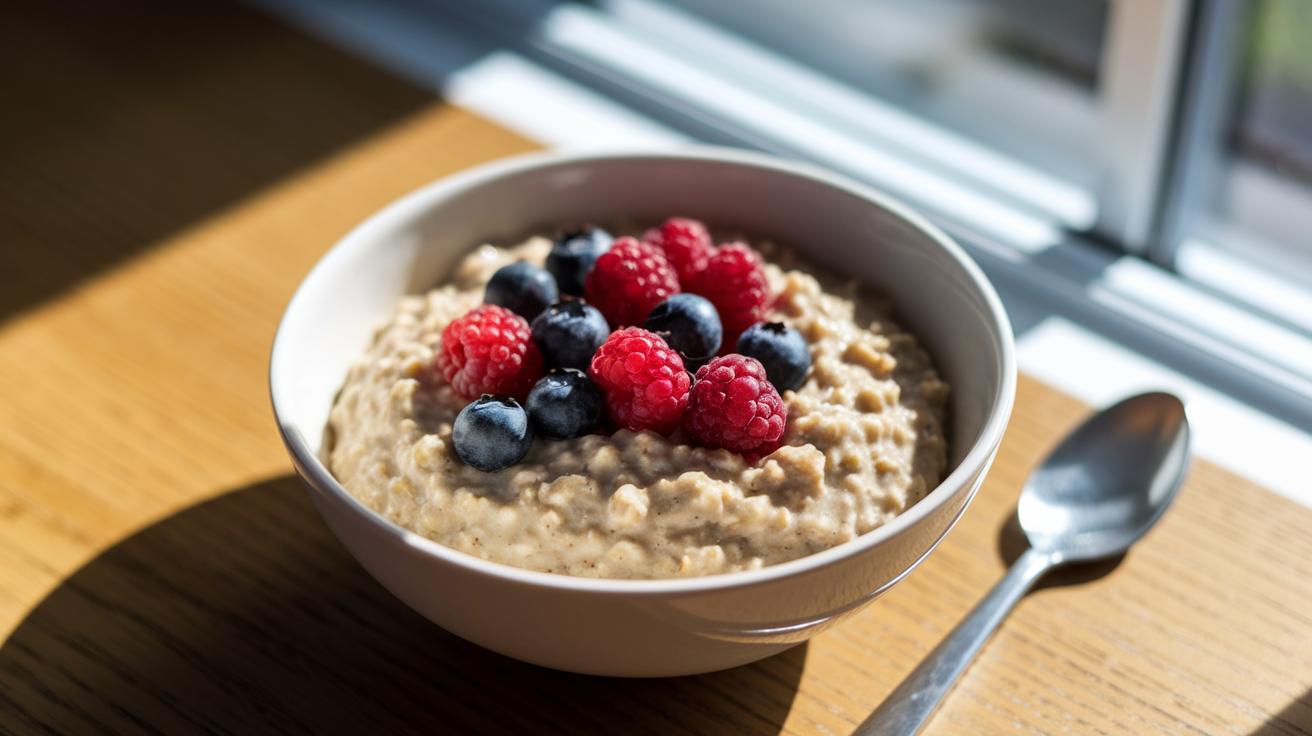
Eating well might be one of the simplest ways to lower your cancer risk. Studies suggest that nearly half of preventable cancers are tied to our eating habits. A meal plan centered around plants, fruits, and whole grains can protect your cells. Imagine starting your day with a warm bowl of high-fiber oatmeal topped with bright, antioxidant-packed berries, it fills you up while powering your body with key nutrients.
Switching to a Mediterranean-style diet can really boost your health. This way of eating includes lots of vegetables, fruits, whole grains, and healthy fats like olive oil. Try replacing red or processed meats with lean proteins such as fish or plant-based options. Adding veggies like broccoli or cauliflower to your stir-fry brings in natural compounds that help neutralize harmful substances in your body.
When planning meals, focus on low-glycemic carbohydrates like quinoa, barley, or sweet potatoes. These foods give you steady energy without sharp sugar spikes. Mix raw and lightly cooked veggies to keep the fiber and vitamins intact. And by using herbs and spices in your cooking, you add extra antioxidants while cutting back on salt and other additives.
Planning ahead makes it easier to keep your meals balanced. Consider setting up a weekly menu that cycles through different fruits, vegetables, whole grains, and lean proteins. This variety not only makes meals more interesting but also ensures you get a wide range of nutrients to help keep your cells healthy.
Physical Activity Strategies to Lower Malignancy Risk
Regular physical activity can really help lower your chance of developing cancer. When we carry extra weight, our bodies produce more hormones like estrogen and insulin, which can be linked to cancers such as breast, prostate, lung, colon, and kidney. Getting moving each day supports your immune system and helps balance these hormones. Experts say aim for about 150 minutes of moderate exercise or 75 minutes of more intense activity each week.
Cardio exercises are a fun way to boost your stamina. Try a brisk walk or a light jog around your neighborhood, for instance, imagine setting off on a lively ten-minute walk that lifts your mood in the morning. And don’t overlook strength training; simple exercises with light weights or even using your own body weight can build muscle, spark your metabolism, and help lower your cancer risk.
Staying active doesn’t mean you have to overhaul your life. Small changes can add up quickly. You might swap the elevator for the stairs or enjoy a few quick stretches during your breaks. Building a regular exercise habit not only improves your physical health but also clears your mind, setting a positive tone for the rest of your day.
Every extra movement builds strength, sharpens your focus, and steadily plays a part in long-term cancer prevention.
Stress Management and Mind-Body Practices for Cancer Prevention

Mindfulness Meditation
Try a simple breathing exercise: breathe in slowly for a count of four, hold it for two, and breathe out for four. This easy method helps lower your stress hormone levels. Imagine yourself on a calm beach or in a quiet forest during a guided imagery session, letting your mind settle while stress drifts away. A gentle body scan, paying attention from your toes up to your head, can reveal where you’re holding tension and help you let it go. Even a few minutes each morning using stress management tips can build long-term wellness by lowering stress hormones and strengthening your immune system.
Yoga Practices
Easy yoga moves can help reduce inflammation and keep your body and mind balanced. You might start with poses like a seated forward bend, gentle neck stretches, or a standing pose, all paired with mindful breathing. A short routine right after waking or before bed can help your body settle into relaxation and recovery. Adding these yoga practices into your daily routine can lower your stress and support overall health.
Weight Management, Body Composition, and Sleep Quality
Keeping your weight in balance can help lower your risk of some cancers. Research shows that carrying extra pounds may increase your chance of getting at least thirteen different cancers. When you maintain a steady weight, it also helps keep important hormones like estrogen and insulin in order. Think of it like a well-tuned engine, when every part works right, your body runs smoother.
Simple changes can make a big difference in weight control. It might be as easy as choosing healthier foods day by day or fitting in a short, brisk walk. Adding a bit of strength training can also play a key role in keeping your body composition on track. For more clear tips on living a healthy lifestyle, you could check out advice on how to keep your body in balance.
Sleep is another important part of feeling well. A good night's sleep helps your body fight off illness and repair itself. Aim for about seven to nine hours of sleep each night. Creating a calm bedtime routine, maybe leaving off screens and taking some time to unwind, can help you sleep like your phone charges overnight. When you wake up feeling rested, it’s easier to take on the day with energy.
By balancing smart eating, a bit of exercise, and proper sleep, you set a strong foundation for better health and lower cancer risk. These small changes, made one day at a time, can lead to lasting benefits for your body and overall wellness.
Avoidance of Known Carcinogens: Tobacco, Alcohol, and Environmental Toxins

Smoking is one of the biggest threats when it comes to cancer. It causes about one in four cancer deaths and is linked to nearly 90% of lung cancer cases. Even breathing in smoke from others adds risk. Quitting smoking helps clear these harmful chemicals from your life. Try joining a support program or counseling group to help break the habit.
Drinking too much alcohol can also raise your cancer risk. It may lead to cancers in the mouth, throat, esophagus, liver, and breast. Keeping your drinking to an occasional drink instead of regular use can make a big difference.
Every day, we face harmful substances at home and work, like asbestos or some pesticides. Cutting down on these toxins is a smart step to feel healthier. Here are some simple tips:
- Avoid contact with harmful chemicals by following safety rules.
- Wear protective gear when dealing with chemicals.
- Open windows and keep indoor air fresh to lower toxin levels.
Taking these steps helps remove hidden dangers, letting you enjoy a cleaner and safer life.
Preventive Healthcare: Screenings, Vaccinations, and Family History
Routine health checks like mammograms, colonoscopies, and Pap tests help spot cancer early. They can catch problems before they turn into bigger issues. For example, sticking to your mammogram schedule can give you a head-start on treatment if something is found. You might want to check out how these screenings can even save money by preventing costly treatments later.
Regular checkups aren’t only about getting tests done. They offer a chance to talk about your overall health and update the vaccines that can lower your risk of cancer. Hepatitis B shots, for instance, help protect your liver from cancer, and the HPV vaccine is a smart move to lower the chance of cervical and other cancers. These immunizations work hand in hand with early screenings to keep your health on track.
It’s also important to think about your family’s health history. If cancer runs in your family, sharing that information with your doctor can help create a screening plan that fits your unique needs. Knowing your genetic background means you can set up the right checkup schedule and preventive measures just for you.
By keeping up with screenings, staying current on vaccinations, and discussing your family history, you build a strong defense against cancer. Small, regular steps can really empower you to take control of your health. Here are a few simple tips:
- Keep up with your routine health screenings
- Schedule regular checkups to review your overall wellness
- Stay informed about your family health history
- Get the vaccinations your doctor recommends
Hydration, Detox Methods, and Cooking Techniques for Cellular Health

Hydration Strategies
Drinking enough water is key to keeping our cells in top shape. Our cells use a process called osmosis, that’s when water moves in and out to keep things balanced, sort of like how well-watered soil helps plants grow strong. Imagine starting your day with a refreshing glass of water at room temperature, then sipping throughout the day to help your body naturally flush out waste and regulate temperature.
Nutrient-Preserving Cooking
How we cook our food can make a big difference at a cellular level. High heat can sometimes break down valuable vitamins and enzymes, while gentler cooking methods can keep those nutrients safe. Steaming or slow boiling, for example, lets vegetables and lean proteins warm up gradually, keeping their goodness intact. Picture carrots softly simmering until their natural sweetness shines through without losing precious antioxidants. Even poaching fish helps hold on to essential fatty acids, supporting healthy cell membranes and overall vitality.
Integrative and Sustainable Lifestyle Habits for Long-term Cancer Defense
Leading cancer centers are now combining healthy eating, daily movement, and mind-body techniques with community events. Local programs host group walks, simple cooking classes, and sessions to ease stress. Imagine joining a cooking class where a diet expert explains how fresh fruits and vegetables boost your health while you chat and share ideas with your neighbors.
Doctors and coaches now work closely together to mix wholesome meals with mindfulness. They often suggest light exercise paired with a short meditation to keep you relaxed after a brisk walk. Picture ending an outdoor stroll with a few mindful breathing exercises that help calm both your mind and body.
These new habits are designed to support your long-term defense against cancer, making wellness a natural and enjoyable part of everyday life.
Final Words
In the action, you explored practical tips for a healthy lifestyle for cancer prevention. Simple shifts in diet, exercise routines, stress management, and careful choices about toxins can help lower risk. We looked at plant-based meals, regular movement, mindful relaxation, and smart cooking methods. These steps pack a punch for overall health. Keep these tips in your daily routine and feel empowered by the positive changes you can make every day. Stay hopeful and keep moving forward!
FAQ
What are 10 ways to prevent cancer and reduce everyday risk?
A healthy lifestyle can include eating plenty of fruits and vegetables, staying active, managing stress, maintaining a healthy weight, cutting back on alcohol, avoiding tobacco, getting regular screenings, staying hydrated, choosing safe cooking methods, and reducing exposure to toxins.
What stops cancer cells from growing?
Healthy lifestyle choices help support the immune system, which in turn can slow abnormal cells from multiplying and keep your cells functioning normally.
What should I eat to prevent cancer and what is the number one food for cancer prevention?
A plant-rich diet filled with fruits, vegetables, whole grains, and cruciferous vegetables offers antioxidants and fiber that can help reduce cancer risk, though no single food guarantees prevention.
What is considered the number one preventable cause of cancer?
Tobacco use is widely recognized as the top preventable cause of cancer, so avoiding and quitting smoking is a critical step.
How can I find detailed guidelines on cancer prevention?
A Prevention of Cancer PDF provides detailed tips on lifestyle modifications, including diet, exercise, stress management, and screening, to help lower your risk effectively.
How can I prevent cancer if it runs in my family?
Even with a family history, adopting nutritious eating habits, staying active, managing stress, following routine screenings, and speaking with your doctor about personal risks can help reduce your chances.
Can medicine help in cancer prevention?
Certain medicines may reduce cancer risk in high-risk individuals, but using them alongside healthy lifestyle practices like proper diet and exercise yields the best overall protection.