
Have you ever wondered if one herbal remedies book could transform your daily health routine? This friendly guide gives you clear, easy steps for using herbs safely, from brewing a warm tea to whipping up a gentle salve. Each herb is explained in simple words so you feel comfortable trying natural cures at home. Even if you're new to herbs, you'll find trusted advice mixed with steps that easily fit into your everyday life. Get set to naturally boost your wellness with practical, garden-inspired tips that work for you.
What to Look for in a Herbal Remedies Book

Herbal remedies books give you lots of helpful tips about using nature’s cures. They usually have clear profiles of plants that explain what common herbs do, safe dose amounts, and simple ways to make teas, tinctures, and salves. For example, a book called "Herbal Antibiotics" shares 45 plant-based cures with easy-to-follow steps.
These books work like friendly guides, mixing advice from your garden with old-school herbal wisdom. They break down each herb’s perks, tell you how much to use, and even point out any side effects. This makes it easier for both beginners and experienced users to pick the right method for natural healing.
- Detailed herb profiles with botanical names
- Clear directions on how much to use and mix
- Step-by-step recipes for teas, tinctures, and salves
- Helpful scientific notes and a bit of history
- Warnings about safety and possible side effects
Focusing on these features turns an herbal remedies book into a trusty tool on your journey to natural wellness. It helps you make and use plant-based remedies safely, letting you feel confident about taking care of yourself with nature’s gifts.
Key Herbal Remedies in the Complete Plant Healing Handbook
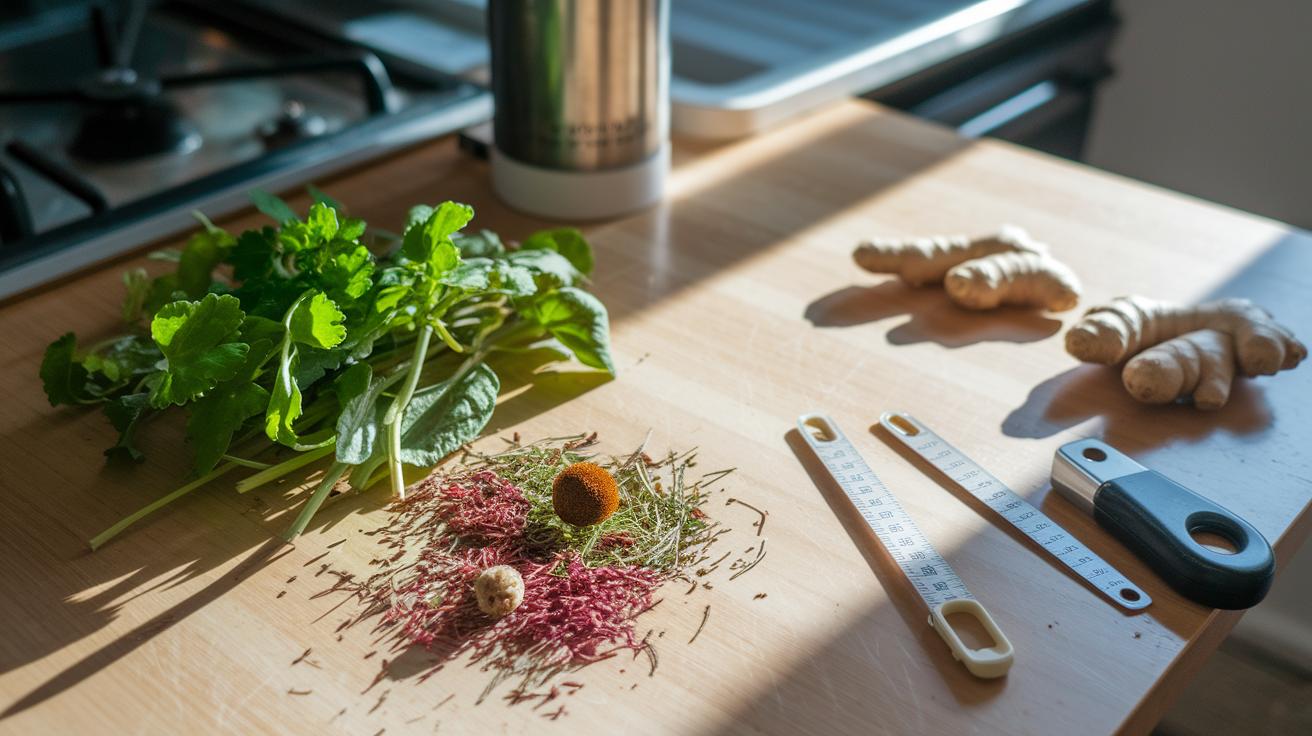
The herb profiles in this guide give you more than just the basics. They come with a handy table that shows clear details like dosage guidelines and even hints about possible side effects that you might usually miss. You can quickly spot both well-known and lesser-known remedies for your health needs.
| Herb | Use | Dosage |
|---|---|---|
| Echinacea | Immune support | 300 to 500 mg tincture |
| Ginger | Nausea relief | 2 g dried root infusion |
| Peppermint | Digestive aid | 1 tsp fresh leaves in tea |
| Garlic | Antimicrobial | 600 mg extract capsule |
| Chamomile | Sleep support | 2 g flowers per cup infusion |
This clear layout makes it easy to find what you need at a glance. For example, while Echinacea is used as a 300 to 500 mg tincture for boosting your immune system, Ginger is best prepared as a 2 g dried root infusion to ease nausea.
How to Prepare Remedies with a Natural Remedy Manual

When you’re mixing natural herbs, choosing the right way to prepare them is very important. A good herbal guide shows you different techniques so you can match the method to the herb and the issue you're treating.
Infusions
Infusions are great for gentle herbs. You simply pour hot water over them and let them sit for 10–15 minutes using about 1 teaspoon for every 8 ounces of water. A simple tea made this way brings out the herb’s mild benefits without extra steps.
Decoctions
For tougher parts like roots and barks, decoctions do the trick. You simmer the herbs in water for about 20–30 minutes. This method helps break down the stronger parts of the herb, releasing more powerful healing compounds that need a bit more heat.
Tinctures
Tinctures use alcohol to draw out the herb’s properties, making a strong remedy. Mix your herbs with a liquid at a 1:5 ratio and let it sit for 2 to 6 weeks. The result is a concentrated liquid that keeps the herbal benefits intact for a long time.
Salves and Oils
If you need something for your skin, salves and infused oils work well. Start by gently melting some beeswax, then mix it with oil and let your herbs infuse for 4–6 hours. This creates a smooth, effective remedy you can apply directly to your skin.
Scientific Evidence in an Herbal Medicine Encyclopedia

Good herbal guides mix old, trusted traditions with today's science. They explain how herbs have been used for years while also sharing results from modern studies. For instance, research has shown that ginger helps ease nausea, backing up what herbal experts have long observed. This clear blend of history and hard science makes it easy to learn about both the traditional uses and proven benefits of herbal remedies.
Several well-known books, like Herbal Materia Medica, add detailed dosage tips and list possible side effects alongside herb profiles. They include real-life case studies and clinical data that support age-old practices. Many readers say these guides have helped them manage symptoms like IBS and mild anxiety. Seeing modern research support traditional methods really builds trust.
Using proven research in herbal guides makes them more reliable and guides users to apply these remedies safely and effectively. When science and tradition work together, you feel more confident in nature's cures. This thoughtful mix is a solid foundation for both newcomers and seasoned herbal lovers, ensuring that each remedy is backed by clear, trustworthy research.
Tracing Ancient Plant Medicine in Traditional Botanical Guides
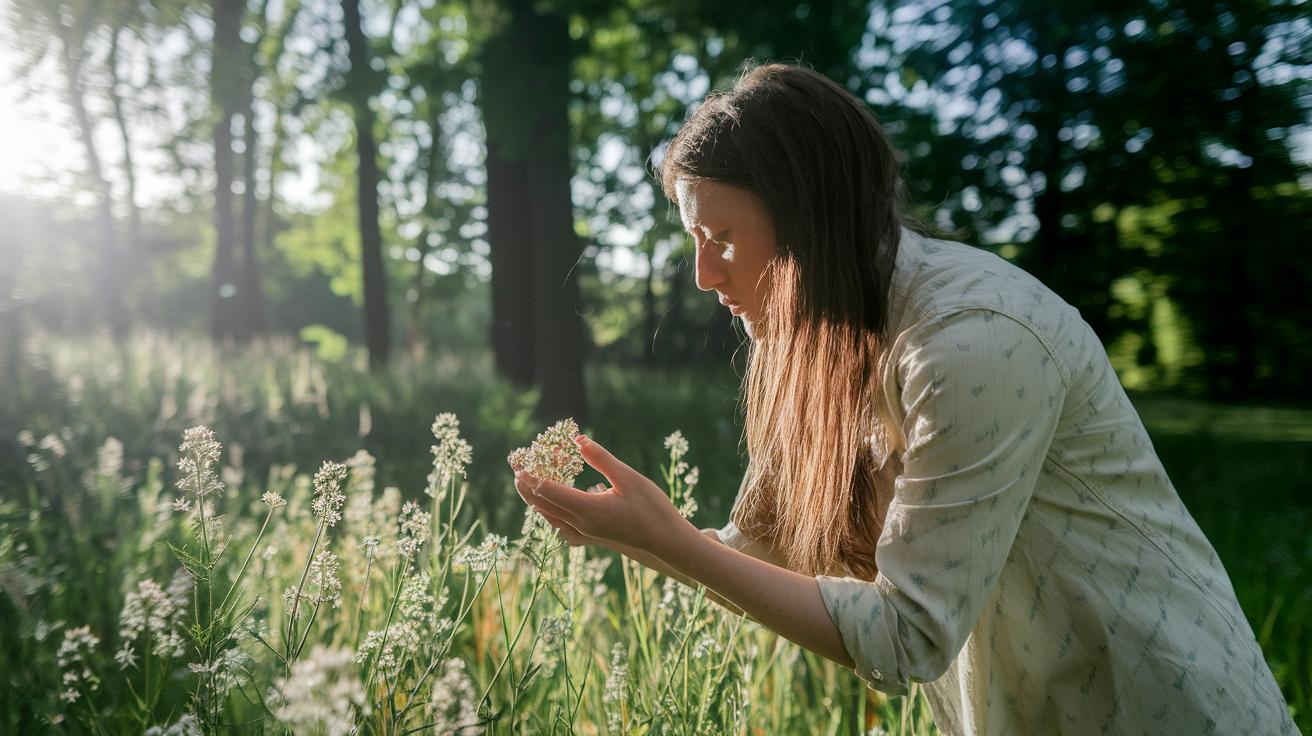
Ancient plant wisdom has always played a key role in natural healing. Old herbal guides show how traditions passed down from generation to generation continue to help with today's health needs. They share simple stories of using herbs like willow bark to ease pain and yarrow to help heal cuts. People from many backgrounds, including Indigenous communities, Appalachian families, and African diasporic groups, have trusted these remedies for years.
| Region | Herb | Use |
|---|---|---|
| Scandinavia | Meadowsweet | Pain relief |
| Appalachia | Black Cohosh | Women’s health |
| Africa | Neem | Antimicrobial |
| Native America | Yarrow | Wound care |
These age-old traditions still shape how we think about herbal medicine today. Using elderberry to boost immunity or willow bark to soothe aches reminds us that many natural remedies come from careful observation over time. By mixing traditional lore with modern science, herbal guides act as a bridge between the past and the present. This friendly blend helps beginners and seasoned herbal fans alike choose treatments that feel both comfortable and new, making natural wellness clear and trustworthy for everyone.
Choosing the Best Botanical Healing Compendium for Every Skill Level
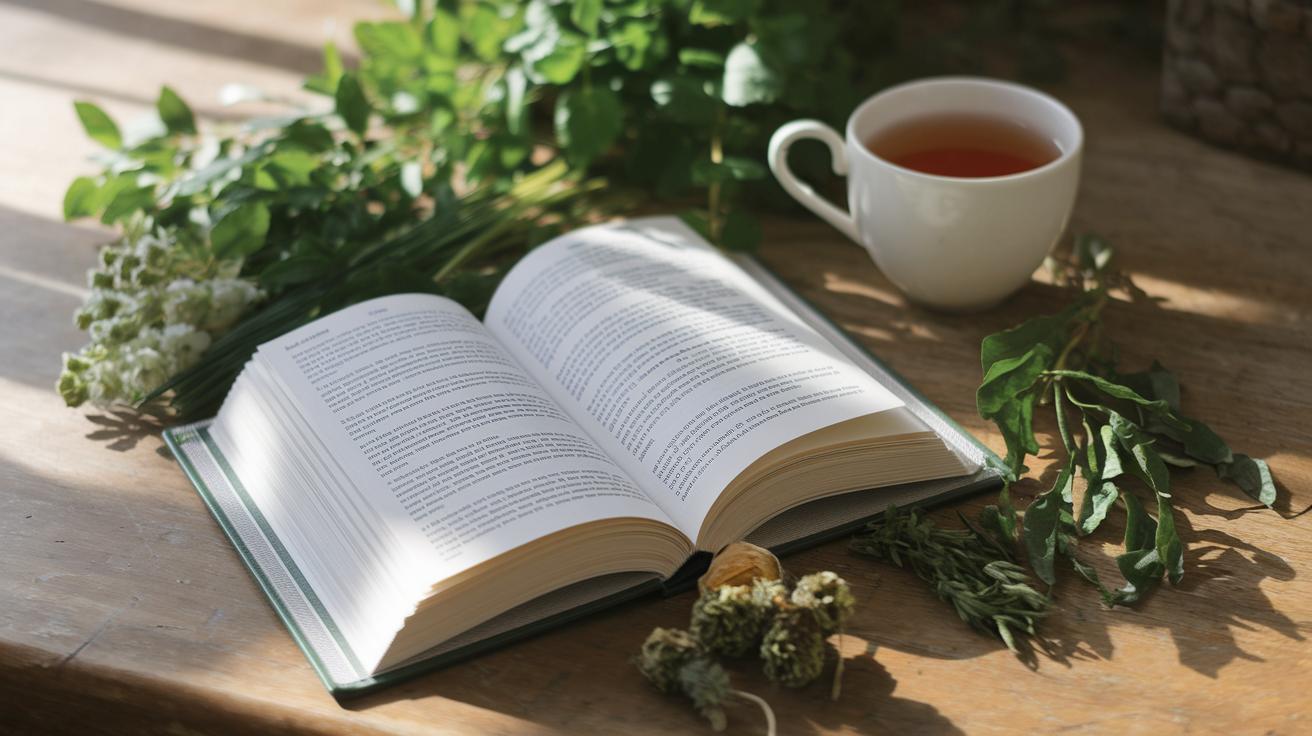
Picking the right herbal guide is all about matching your current skills. If you’re just starting out, you’re best off with a book that breaks things down simply, with clear photos, easy steps, and simple recipes. These beginner texts help you learn basic plant names, safe usage, and easy-to-make infusions.
If you’ve been at it for a while, you might crave more details. Advanced guides talk about things like how to carefully extract plant properties, proper dosing, and even the science behind how herbs work in our bodies. That extra detail can help you take your herbal practice to the next level.
Here are some types to consider:
- Beginner’s Botanical Manual
- Materia Medica Reference
- Hands-on Medicine-Making Guide
- Advanced Formulation Compendium
If you’re new to herbal healing, the Beginner’s Botanical Manual gives you a solid start with simple herb profiles and recipes. The Materia Medica Reference digs a bit deeper into what makes each plant special, blending traditional wisdom with modern insights. A Hands-on Medicine-Making Guide walks you through making your own remedies step-by-step. And when you’re ready for more challenges, an Advanced Formulation Compendium offers detailed techniques and methods to perfect your herbal extractions.
Also, keep an eye out for extra courses and community programs. They often come with these books and offer hands-on classes and friendly support with topics like safe foraging and even starting your own herb business.
Essential Tips for Using Your Herbal Remedies Book Safely and Effectively
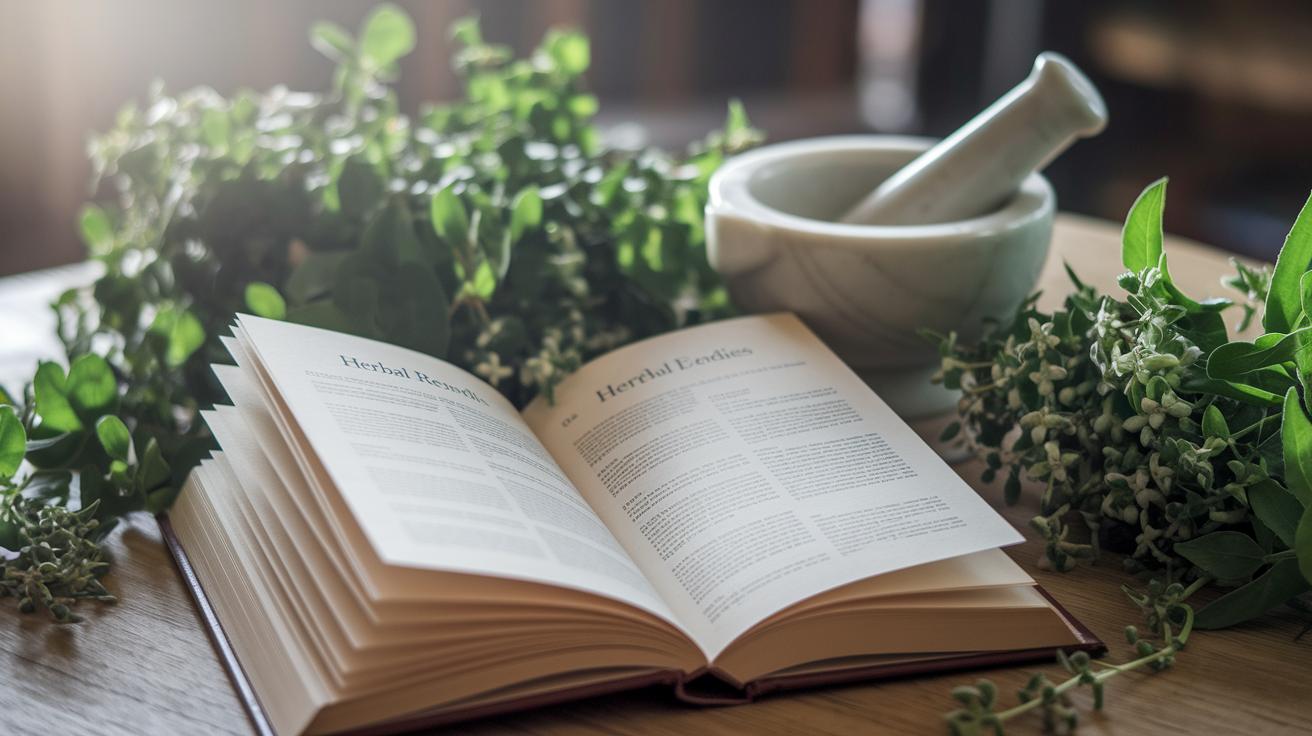
A good herbal remedies book can really open your eyes to the benefits of natural treatments. But don’t forget, safety comes first. When you read about cautions, like the advice to avoid mixing St. John’s Wort with certain antidepressants (called SSRIs), it’s best to start small, maybe even at half strength. These guides often include allergy alerts to help you steer clear of any unwanted reactions.
When you explore herbal self-care books, look for clear, step-by-step directions on proper dosages and warnings about what to avoid. A trustworthy book explains exactly how to mix herbs safely, where to source the best quality ingredients, and the right herb-to-solution ratios. Plus, handy indexes and cross-references mean you can quickly find any details you need, even if you’re double-checking a recipe or checking for interactions.
Sometimes, the pages of a thorough herbal guide can feel a bit overwhelming. It might seem like there’s just too much information. That’s why picking a book with a clean, simple layout helps a lot. Always confirm that your herbs are top-quality and that you have the latest safety info. This extra step lets you confidently support your natural wellness every day.
Final Words
In the action of exploring herbal literature, the article brought a clear focus on plant profiles, dosage guidelines, and safe preparation techniques. It walked through everything from ancient remedies to modern clinical studies.
The guide shared practical tips to select the right resource based on your skill level and health needs.
Every page of a herbal remedies book opens a pathway to well-being, encouraging you to embrace natural methods safely and confidently.