
Have you ever noticed that pausing for a moment can truly change your day? In our nonstop world, even one minute of calm is like a little treasure.
Mindfulness techniques offer simple steps, like easy breathing exercises or smooth, gentle stretches, to help ease stress and sharpen your focus. Each method acts as a quick reset for your mood and spirit. In this post, you'll discover how small, daily breaks can turn ordinary moments into a refreshing chance for self-care.
Comprehensive Mindfulness Tools Overview

Mindfulness tools offer a variety of simple practices tailored to your needs. Whether you're just getting started or already have a routine, there’s something here for you. Many of these tools include guided meditation sessions that help calm your mind, show you how to be gentle with yourself, and ease stress. For example, one exercise might ask you to take a deep breath, feel the cool air coming in, and slowly let it out, just like watching a quiet stream flow.
Mindful breathing keeps your focus on the present by making you aware of every breath you take. Even basic movements, like a slow walk or a gentle stretch, can help you feel more connected with your body. Sometimes these methods are bundled together in lists like "10 Tools for Living Mindfully," so you can easily pick an activity that fits into your day.
Mindfulness practices aren’t just for personal time. In classrooms, a short mindful break can help kids concentrate during lessons. At work, a quick breathing exercise might be just what you need to pause, relax, and refocus.
There are plenty of resources available that offer ways to manage your emotions, lower stress, and boost compassion. You’ll find options perfect for individual reflection, group activities, or even brief moments of calm during a hectic day.
- Guided meditation sessions
- Mindful breathing exercises
- Mindful movement routines
- Curated mindfulness collections
- School and work mindfulness practices
- Tools for managing stress and emotions
Guided Meditation & Audio-Based Mindfulness Tools
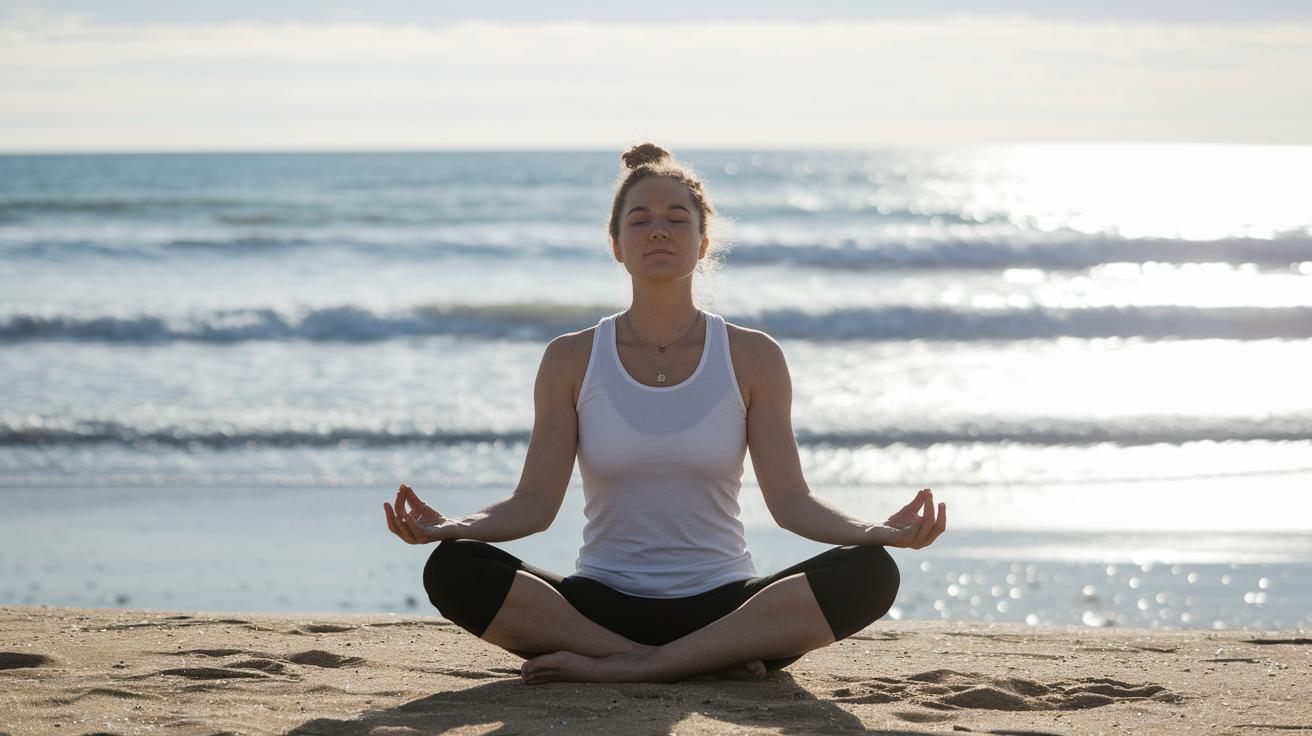
Audio meditation sessions offer a welcome break during a busy day. Imagine spending 12 minutes shifting your focus from stress to trust in yourself. These tools include body scan meditations that help you relax before bed and simple exercises that turn tension into moments of self-care. Picture a session where you visualize a calm, sunny beach to reconnect with deep peace.
The different formats are flexible to fit any lifestyle. You could choose a special set of short guided meditations or stream a mini-course that teaches the basics of mindful breathing. Some sessions even mix gentle music with clear instructions to boost your focus and compassion.
Popular guided meditation formats include:
- 10-minute body scan meditation for relaxation
- 12-minute emotion-management practice for self-trust
- Loving-kindness meditation to foster compassion
- Sleep-prep body scan for a peaceful night
- Guided imagery session with calming nature scenes
- Mini-course collection introducing mindful breathing
Each tool is designed to fit easily into your day, helping you find little moments of calm whether you're at home or on the move.
Breathwork & Pranayama Mindfulness Tools for Stress Relief
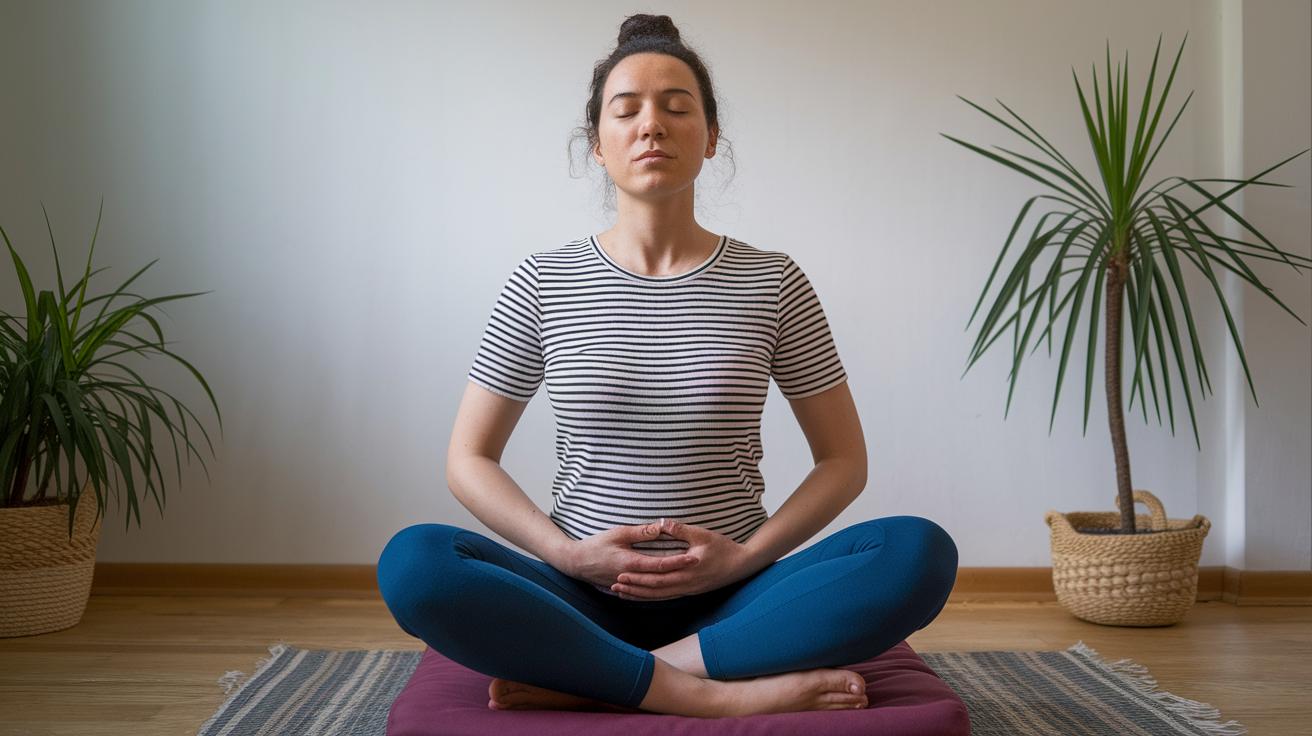
Breathwork exercises are a simple way to quiet your mind and ease stress. They help lower stress hormones and clear your thoughts, making it easier to handle your emotions. For example, try a basic deep-breathing method for anxiety (https://siluk.net?p=130) to feel relief fast. There are also detailed pranayama routines (https://worthykaws.com?p=904) that guide you step by step, turning tension into a steady inner strength.
If you're in a rush or just need a quick break, these short breath drills can really help. They help center your mind when things feel overwhelming and may even ease symptoms of ADHD and anxiety. Imagine taking a small pause during a hectic day and instantly feeling calmer, that’s the goal.
Here are five quick breath-drill exercises you can try:
-
Three-Minute Focused Breathing
Sit in a comfy spot and take slow, steady breaths. Breathe in for three counts and out for three counts. This can help shift your mind away from stress. -
One-Minute Deep Breath Drill
Spend one minute taking deep breaths. With every exhale, picture stress leaving your body. -
Rapid Centering Routine
For 30 seconds, quickly switch between short, sharp inhales and exhales. This rapid pattern can help clear your head. -
ADHD Breathing Burst
Do a one-minute session of quick, rhythmic breaths. This helps cut through distractions and reset your focus. -
Self-Trust Breath Booster
Slowly breathe in, then take a long, deliberate exhale. This simple practice invites a sense of self-confidence into your day.
Mobile Serenity: Apps & Digital Mindfulness Tools
Mobile mindfulness tools bring calm directly to your phone. Whether you choose a free app or subscribe for extra features, you get guided sessions, offline content, themed courses, and new updates every month. This setup makes it easy for anyone just starting a mindfulness routine, while also giving extra depth to those who are more experienced.
Many of these apps come with simple dashboards that remind you to take a moment and track your progress. For example, some offer sessions focused on easing anxiety. Ever wonder how targeted help can really change your day? One neat trick is to set a daily reminder. Research shows that even a few minutes of meditation a day can lower stress hormones and lift your mood.
Digital libraries on these apps offer more than just quick fixes, they provide content for a soothing break or an in-depth mindfulness session. You might even mix in some digital detox tips to manage screen time and keep your mind at ease.
Key features to look for include:
- Guided meditation sessions and mindfulness exercises
- Offline libraries and themed courses
- Monthly content updates and progress tracking
- Built-in reminders to help maintain your practice
This mix of technology and self-care offers a simple way to find moments of peace wherever you are.
Mindfulness Tools Spark Your Daily Calm
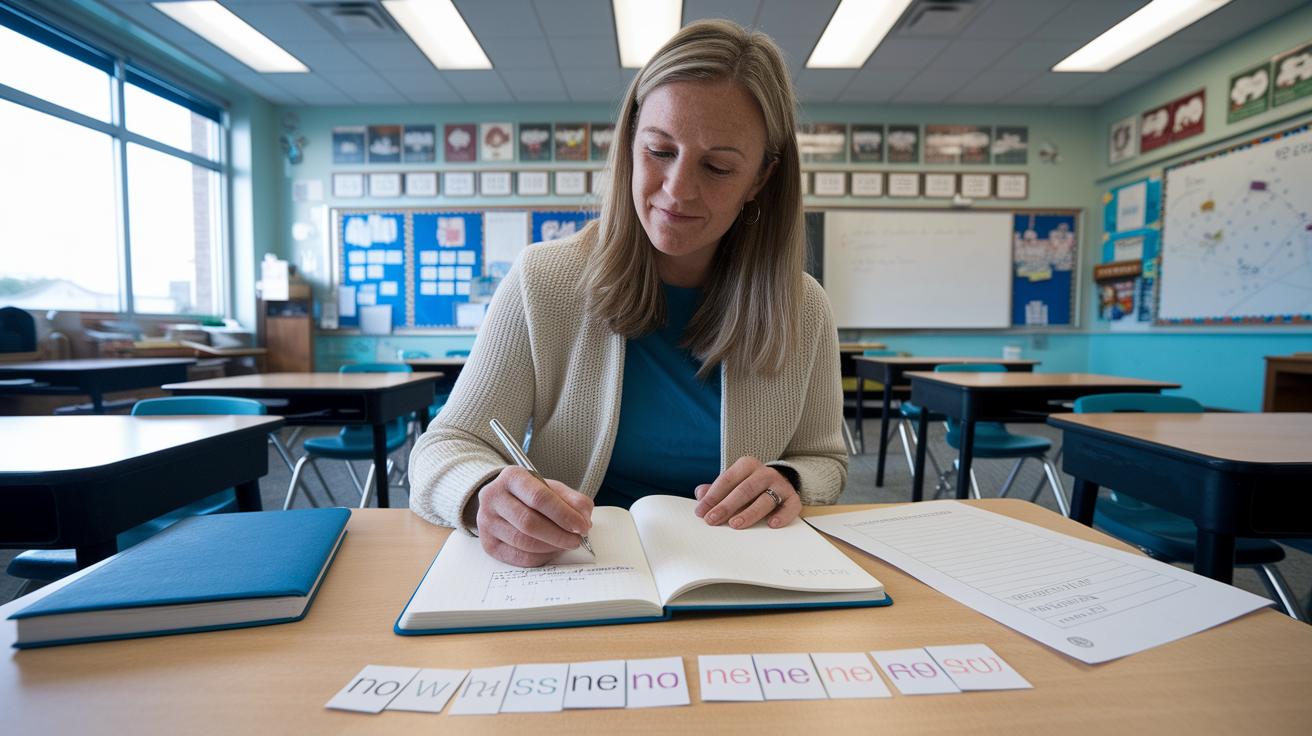
Offline tools like journals, prompt cards, and printable workbooks are friendly ways to bring mindfulness into your daily routine. They let you step away from screen time and connect with the present moment through simple, hands-on activities. With over 17 free worksheets and an easy-to-follow PDF toolkit, these resources help you jot down your thoughts, track your progress, and reflect on your feelings. For example, the Positive Psychology Toolkit offers more than 500 science-based exercises you can use on your own or with a small group.
Imagine starting your morning by writing a few intentions in your mindfulness journal. You might use prompt cards to explore your feelings or ease moments of stress. Meanwhile, printable workbooks guide you through simple steps to clear your mind and find calm. These tools work well both for solo practice and in group settings, letting you share and learn from each other. They easily fit into different routines, whether you’re working at home or discussing insights during group sessions.
Here are some ideas to try:
- Use your journal for a quick daily mindfulness check-in
- Grab a prompt card to steer a short meditation session
- Work through printable worksheets that encourage thoughtful reflection
Each resource is designed to be simple and accessible, making it easy for you to weave mindfulness naturally into your everyday life.
Mindfulness Tools for Classrooms & Workplaces

Teachers and managers can set the stage for clearer thinking with simple mindfulness exercises. In classrooms, brief focus drills, interactive group practices, and centering routines help students settle down and sharpen their focus. Picture a quick five-minute breathing session before tackling a tough math problem. One good method is to have students close their eyes, take three slow, deep breaths, and then open their eyes feeling calm and ready.
At work, these same techniques work wonders for easing stress and clearing mental fog. Short guided breaks give employees a chance to recharge. For example, an audio reminder might prompt someone to take a minute for deep breathing during a busy day. Even a group mindfulness session can help lower social anxiety by sharing a peaceful moment together.
Both educators and employers use these tools to build a supportive environment. Here are a few examples:
- A centering routine at the start of a class to set a friendly tone
- A short, guided session during meetings to lift stress
- Group exercises where everyone shares simple, calming strategies
These activities are quick and easy to fit into any schedule. Whether it’s a teacher leading a mindful break or a manager reminding the team to pause, these practices help refocus attention and ease tension. They make classrooms feel livelier and workspaces more caring, so everyone can enjoy a more balanced sense of well-being.
Research-Backed & Scientific Mindfulness Tools
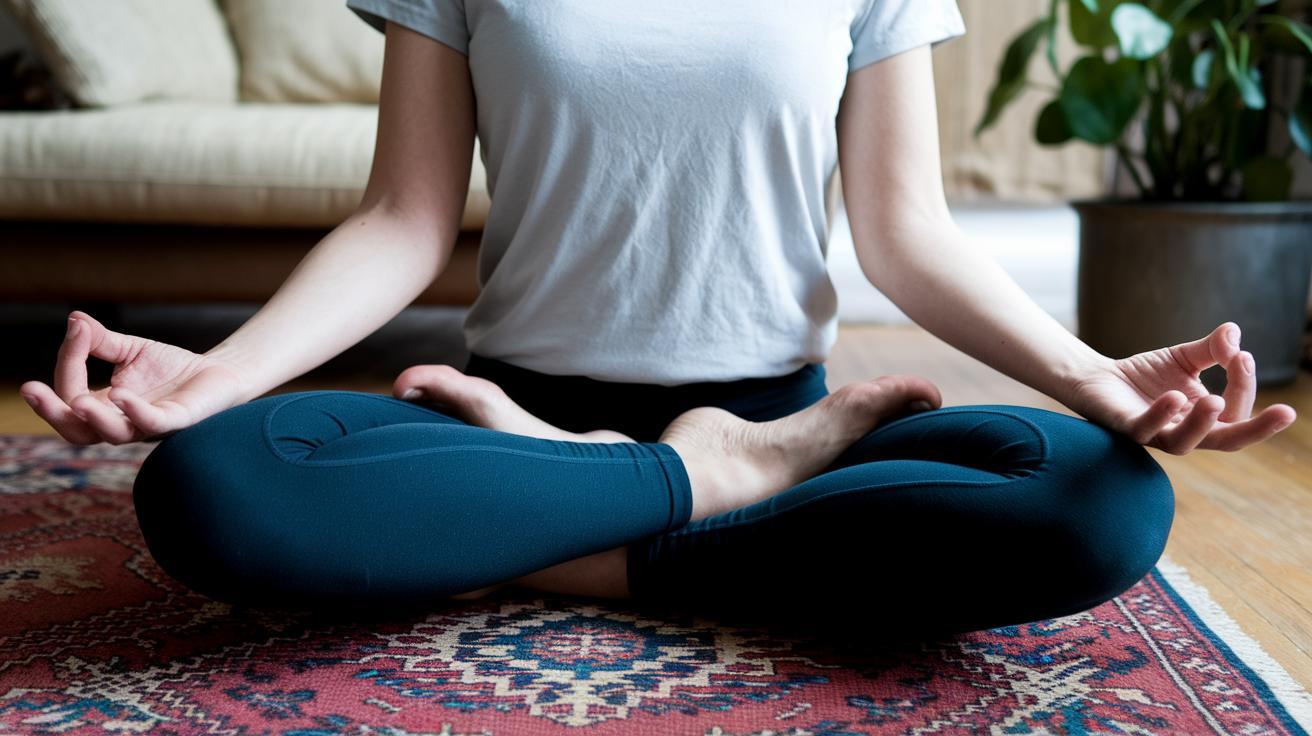
Research shows that practicing mindfulness can help you feel better overall. In simple terms, it builds your self-trust, eases feelings of shame, and even improves parts of your health. One small study with 11 people facing depression found that learning to focus, handling emotions, and accepting your feelings are all key to good mindfulness. It’s a bit like steering your mind back to now whenever a distraction appears.
Other research supports these ideas. It shows that simple focus techniques can lead to real, measurable changes. These methods invite you to notice your thoughts without judging them, imagine watching clouds float gently by. Over time, this approach can lower your stress and smooth out your emotions.
Even a short daily mindfulness session can boost your resilience and clear thinking. With guided exercises that help you focus and manage your feelings, you get practical tools that make life’s challenges easier to tackle. Adding these science-backed techniques to your routine can lead to a healthier, more positive mindset.
Final Words
In the action, we explored a range of proven mindfulness tools, from quick guided meditation sessions and targeted breathwork drills to innovative digital apps and offline aids like journals and kits. The post also highlighted practical strategies for classrooms and workplaces, and the science behind these techniques. Each section brings a fresh way to manage stress and support daily well-being while keeping your personal data safe. Embracing these mindfulness tools can create a more balanced life and help you stay connected to your best self.
FAQ
What do mindfulness PDF resources provide?
Mindfulness PDFs offer printable worksheets, guided exercises, and quick drills—including 2-minute sessions and group activities—designed to boost focus, ease stress, and support daily wellness.
What mindfulness tools are available for adults?
Mindfulness tools for adults include guided meditations, breathing routines, and journaling aids that help ease stress, improve concentration, and encourage consistent self-care practices.
What mindfulness tools benefit students and kids?
Tools for students and kids feature simple breathing exercises, interactive games, and age-friendly meditations that support classroom focus, reduce anxiety, and promote a calm learning environment.
What are mindfulness games used for?
Mindfulness games engage participants with fun activities that build awareness, encourage relaxation, and help break stress cycles while making mindfulness practice playful and accessible.
What are the 5 R's of mindfulness?
The 5 R's consist of Recognize, Reflect, Regulate, Reframe, and Respond. These steps guide you to pause, observe your feelings, and choose a mindful way to address stress or challenges.
What are 5 ways I can practice mindfulness?
Five ways to practice mindfulness include mindful breathing, body scans, movement exercises, reflective journaling, and listening to guided meditations—all methods that help enhance awareness and calm.
What do the C's of mindfulness represent?
The C's in mindfulness refer to qualities like Curiosity, Compassion, and Calm. Some models expand on these with Confidence and Clarity, offering a framework to deepen your mindful practice.