
Have you ever noticed how stress can quietly take away your energy? Sometimes it feels like little things don't matter, but even a quick pause can help ease the tension.
In this post, we're sharing simple tips that mix mindful breathing with everyday activities. These small steps work together to create a calm energy for your mind and body.
Let's dive into some easy, everyday ideas that can help dissolve stress and bring a steady, peaceful feeling back into your day.
Core Wellness Tips for Stress Relief: Radiate Calm Energy

Chronic stress happens when constant pressure wears down your body and makes it harder for your immune system to do its job. Over time, this ongoing strain can upset your natural balance and may even increase your risk of heart issues.
A well-rounded approach treats both your mind and body at the same time. Mixing mental practices with physical activity builds a strong routine that supports overall health. Even small efforts, like pausing for a quick screen break or taking deep breaths, can help lower stress little by little over time.
Some ideas to try include:
- Mindfulness meditation
- Deep breathing exercises
- Regular physical movement
- Eating a balanced diet
- Getting enough sleep
- Seeking social support
- Taking short breaks from digital devices
- Keeping a reflective journal
Adding these simple practices into your day can help you feel a steady, calming energy, no matter what life throws your way. With regular practice, you slowly replace tension with a peaceful, healthier state of mind.
Mindfulness and Deep Breathing for Stress Relief
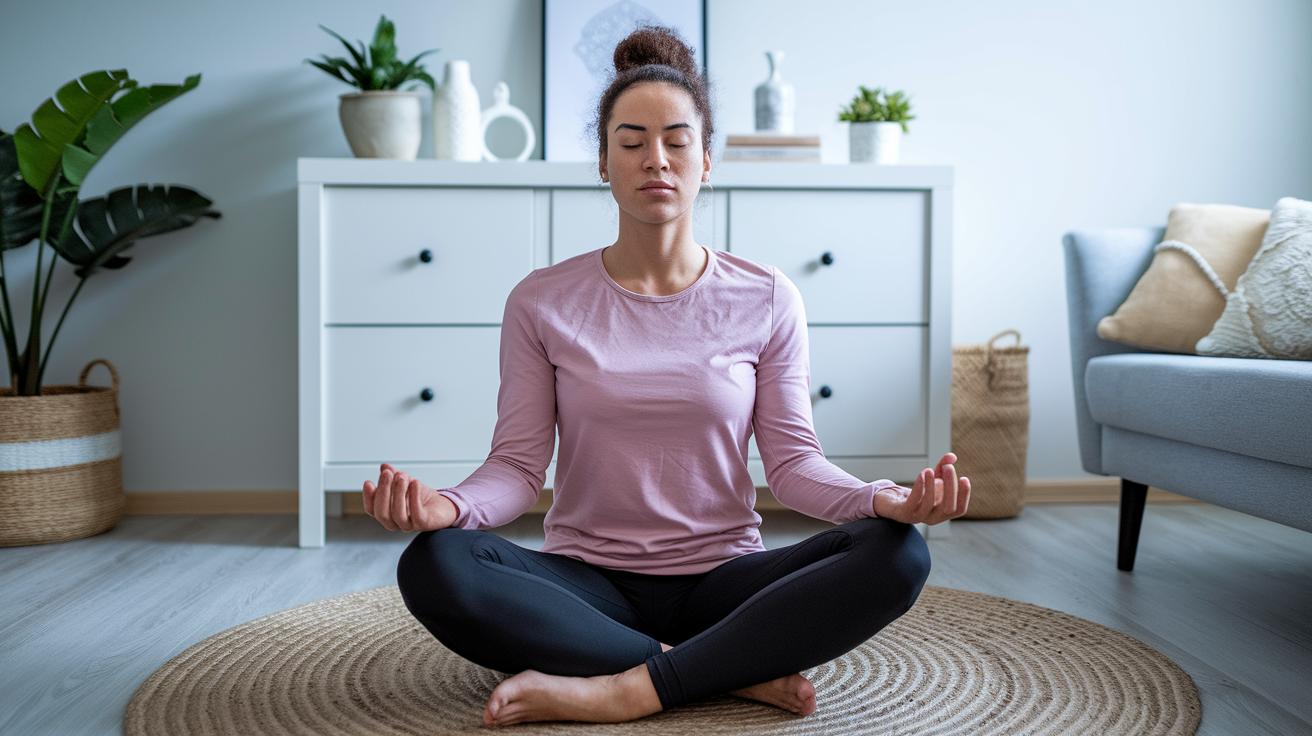
Mindful breathing is a simple way to quiet your mind and ease body tension. It can slow your heart rate and lower stress hormones, helping you feel calm and centered. Techniques like diaphragmatic breathing (see deep breathing for anxiety) bring benefits that touch both your mind and body.
- Box breathing
- 4-7-8 technique
- Alternate nostril breathing
- Guided body scan
- Breath awareness
Guided Body Scan
Start at your toes and slowly work your way up. Notice each sensation as it comes, and pay attention if you feel any tightness. Treat those spots gently, imagining them softening with each deep breath. Keep a slow, steady pace so you don’t rush the experience. This careful observation helps ease tension and invites a natural sense of relief.
Taking short mindfulness breaks during the day can really help manage stress. Even a few minutes of focused breathing can clear your mind and relax your body. Adding these practices to your routine builds resilience when stress bumps into your day. If you’re curious about more controlled breathwork, check out Pranayama Breathing Techniques for some guided methods.
Physical Activity for Stress Relief
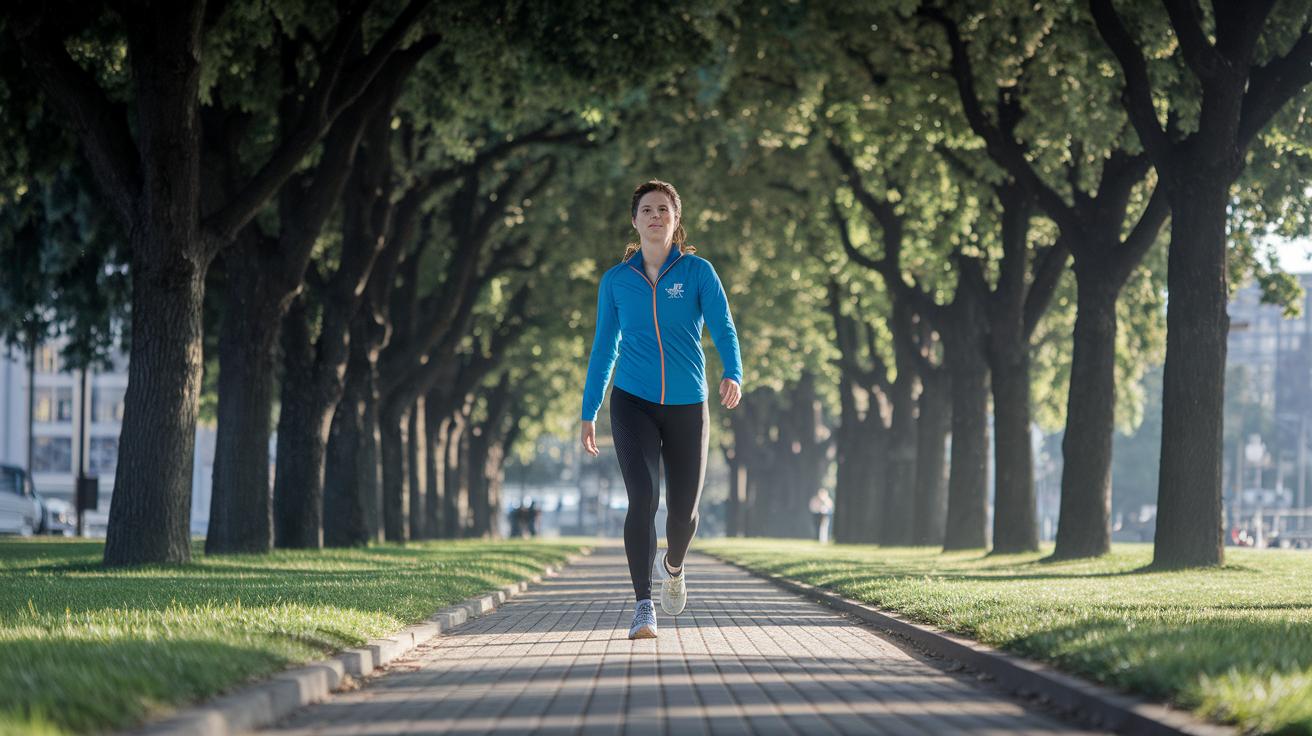
Regular movement can really help ease your stress. When you get active, your body relaxes tight muscles and lifts your mood. You might even notice a boost in those feel-good chemicals that help keep stress away.
Try adding some simple routines to your day. A brisk 20- to 30-minute walk can clear your mind and fill you with energy. A gentle yoga flow with balanced poses not only improves your flexibility but also calms your thoughts. Spending about 15 to 30 minutes on basic tai chi encourages mindful movement and helps ease any tension. And don’t forget a quick 5- to 10-minute stretch, especially for your shoulders and neck after a long day of sitting.
Choose activities that match your fitness level and fit into your daily schedule. Experiment with different routines and durations to find a balance that feels just right for you.
Nutrition and Sleep Strategies for Stress Relief
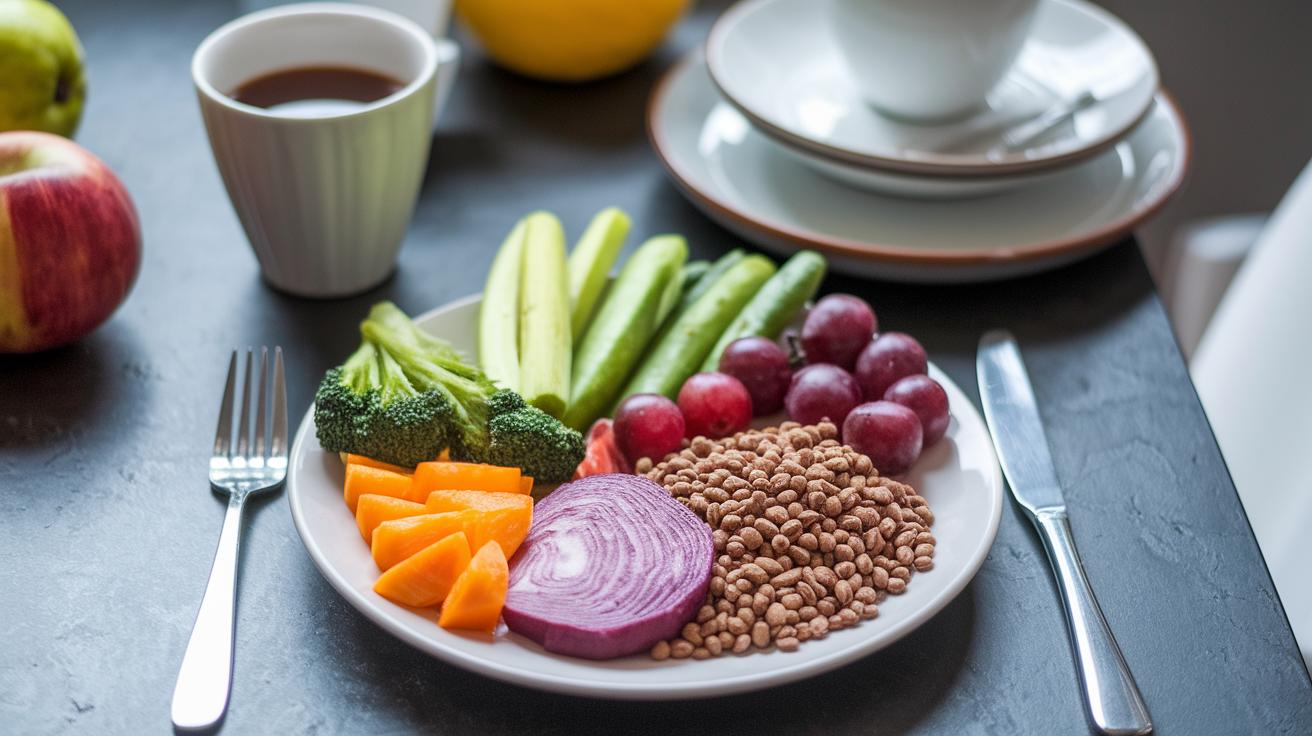
The food you eat can really change how stressed you feel and how well your immune system works. Eating lots of ultra-processed snacks and sugary treats can make your body work overtime on stress and lower its natural defenses. On the other hand, meals full of nutrients help your body handle daily pressures better.
Try focusing on whole foods like fresh fruits, veggies, lean proteins, and whole grains. These foods give your body the good stuff it needs to keep your energy up and your mood steady. Cutting back on extra sugars helps keep stress spikes at bay, and reducing your afternoon caffeine can ease you into a softer state as bedtime approaches.
Keeping a regular sleep routine is a big win too. When you follow a consistent sleep-wake cycle, your body can stick to its natural rhythm and get the rest it needs. Aiming for 7 to 9 hours of sleep each night gives your body plenty of time to repair and recharge.
When you combine balanced meals with proper sleep, you're building a strong base for stress relief. It's a simple change in your daily routine that can help you feel better overall.
Self-Care and Lifestyle Wellness Tips for Stress Relief

Taking care of yourself is a smart move that keeps your feelings balanced and stops stress from piling up. Self-care gives your mind a break and helps you feel calmer throughout the day. It also lifts your mood, making life feel a bit brighter.
Try adding these five simple ideas to your daily routine. Start your morning by writing down your thoughts. This little journal session can clear your head and set a steady pace for the day. Next, take a 10-minute walk outside. Breathing fresh air and seeing nature can boost your energy and mood. Also, make time to connect with friends or loved ones daily, these check-ins can help lower stress by keeping your bonds strong. Another handy tip is learning to say “no” when you need to; setting clear boundaries can be a real stress reliever. Finally, plan short breaks from your screens. This digital detox helps your mind relax and reset.
Building a positive mindset can truly change your day. It might help to say a few kind words to yourself, like reminding yourself of your strength and worth. You can also jot down a few things each day that you’re grateful for, focusing on the good moments. Take a quiet minute to think about a small win or a happy memory, it can bring a sense of calm.
It also works well to check in with yourself weekly. These little surveys can show you how you’re doing and guide you on tweaking your self-care habits for even better days.
Aromatherapy and Herbal Wellness Tips for Stress Relief
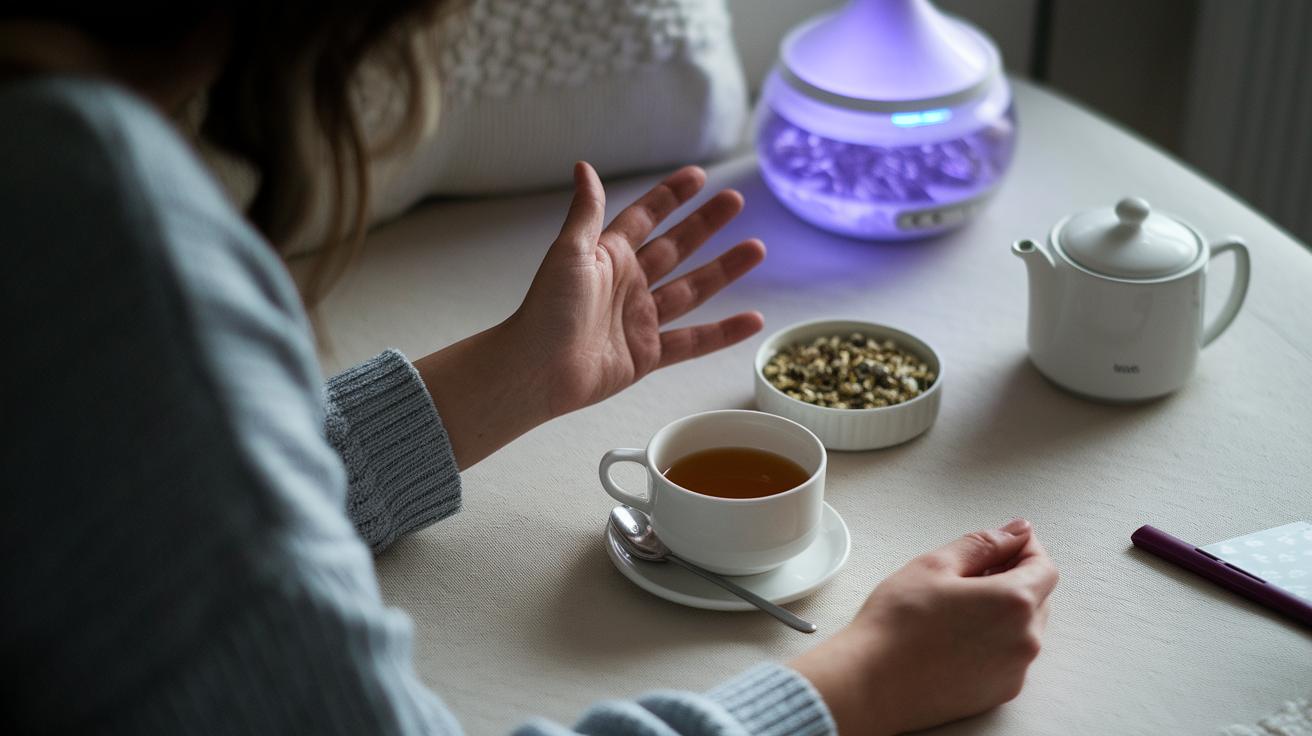
Smelling natural scents can help calm your mind almost right away. When you breathe in these aromas, they quickly reach the parts of your brain that manage stress. This can lower your stress hormone, making you feel less tense.
One lovely tip is to use a diffuser with lavender oil. It spreads a soft, soothing smell around your room. Just be sure to follow the safety tips that come with your diffuser. Another idea is to enjoy a warm cup of chamomile tea. Steeping the tea for about five minutes in boiling water fills your cup with a gentle, calming infusion.
If you’re feeling tight after a long day, try a bergamot oil massage. Mix a few drops with a carrier oil and gently rub it over your shoulders and neck to ease muscle tension. And for a little burst of energy, dab a bit of peppermint oil on a cloth and take a few deep sniffs. The cool, refreshing scent can be a quick and easy reset for your day.
These simple, natural steps are perfect for fitting into a busy routine. Just a quick break with these techniques can help you feel more relaxed. Always check with a health professional before starting any new supplements or herbal extracts.
Final Words
In the action steps above, we explored practical ways to manage chronic stress. We covered mindful breathing and physical movement, balanced nutrition and sleep, self-care routines, and natural aromatherapy ideas. These actionable strategies show how even small changes, like reflective journaling or a brief nature walk, can ease stress and boost well-being.
Keep experimenting with these wellness tips for stress relief, knowing each step can brighten your daily routine. Embrace these ideas and enjoy the positive changes they bring.
FAQ
How can I relieve stress quickly at home?
The question about relieving stress quickly at home implies using simple methods like deep breathing, a brisk walk, or a few minutes of mindfulness to lower tension and promote calm rapidly.
How do stress relief strategies differ for women and men?
The inquiry about stress relief for women and men suggests that approaches like meditation, exercise, and journaling work well for everyone, with adjustments made to suit personal lifestyles and preferences.
What are 5 healthy ways to reduce stress?
The question on five healthy stress-reducing methods highlights practices such as mindful breathing, regular physical activity, quality sleep, balanced eating, and engaging social interactions to boost well-being.
What are 10 ways to cope with stress?
The query on 10 ways to cope with stress points to a mix of techniques including exercise, deep breathing, journaling, mindfulness, engaging hobbies, outdoor time, healthy meals, structured rest, social connections, and digital breaks.
How do stress management methods help with anxiety and depression?
The question connecting stress relief with anxiety and depression indicates that methods such as mindfulness, physical movement, and supportive social interactions can ease symptoms and stabilize mood effectively.
What are the 5 R’s of stress?
The inquiry about the 5 R’s of stress refers to recognizing stress signals, removing triggering factors, refocusing the mind, relaxing through calming practices, and reinterpreting thoughts positively.