
Ever wonder if you can balance work and life without constant stress? New studies show that many people find it hard to take a break, leaving them feeling tired and overwhelmed. Missing just a few small pauses can build up to big stress. In this article, I'll share five simple wellness tips to help you manage your time, lower your stress, and stay healthy. Read on to learn easy steps that can bring more calm and balance to your day.
Essential Wellness Strategies for Work-Life Balance
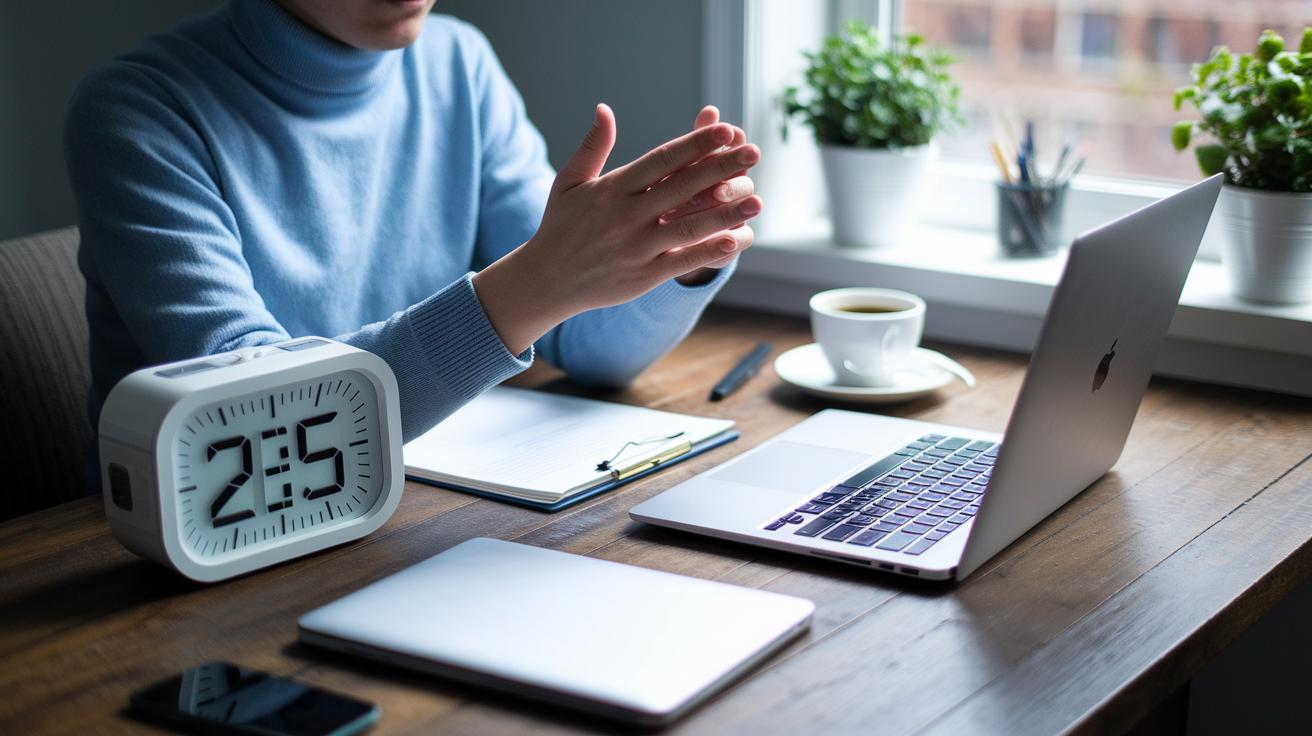
Research from Gallup shows that only about one-third of remote workers manage to keep work and life in balance. Many people end up spending nearly 8.2 hours each week fretting about money matters, imagine missing out on one cherished family dinner every week while stress quietly builds up.
A great way to tackle these challenges is by focusing on five simple ideas: managing your time, easing stress, eating well, getting enough movement, and setting clear boundaries. A popular method like the Pomodoro technique, working for 25 minutes and then taking a 5-minute break, can really help you stay focused. Adding in little stress-busting breaks, wholesome meals, quick exercises, and clear limits between work and home life can make your day feel more in control.
Up next, we’ll look closer at each of these ideas. You can expect easy steps for setting boundaries, planning healthy meals, and fitting in mini-breaks during your busy day. These practical tips are here to help you reclaim your time and create a healthier, happier balance between work and your personal life.
Effective Time Management for Work-Life Balance
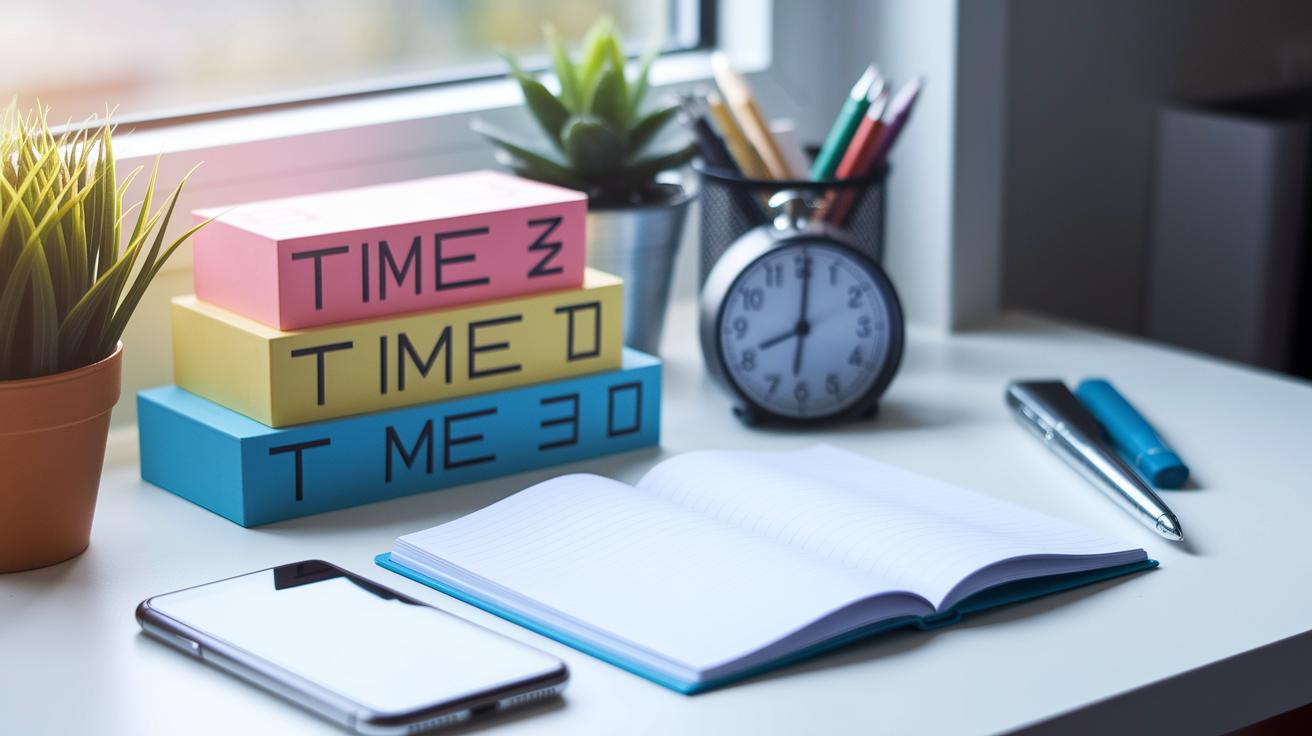
Good time management can cut down stress and free up moments for yourself. Many folks feel that using clear task lists can really change their day for the better. By setting aside special times for meetings, emails, and focused work, you can build a day that works well both at work and at home. It’s a small change that can boost your focus and help keep burnout at bay.
- Time blocking: Set fixed times for emails, meetings, and deep work. Think of each time block like a little appointment on your calendar.
- Pomodoro cycles: Work in 25-minute chunks, then take a 5-minute break. It’s like sprinting through work and then pausing to recharge.
- Task batching: Group similar tasks together to avoid the extra brain work from switching between different jobs.
- End-of-day alarms: Use reminders to shut off your devices at a certain time so you can really mark the end of the workday.
- Pre-scheduled breaks/vacations: Plan your down time well ahead of time. Imagine the relief of having your break clearly noted on your schedule, giving you a chance to relax and enjoy life.
Using these time management tips can transform your routine into one that feels both organized and freeing. When you take control of your schedule, you build clear lines between work and personal time. This balance helps you stay focused during work hours while also leaving plenty of space to enjoy the things you love.
Stress Reduction Techniques for Work-Life Balance

Keeping stress in check is important for balancing work and life. Daily pressures can sap your energy and make you feel off if you let them build. Studies show that easing stress can help clear your mind and sharpen your focus. Even a few deep breaths during a busy day can make a real difference.
Mindfulness exercises like simple guided breathwork or a short session of meditation are great ways to reset your thoughts. Imagine stopping for a moment in the middle of your tasks to take a slow, deep breath, it’s like recharging your mental battery. If you’re looking for extra guidance, there are plenty of techniques for managing anxiety that offer structured ways to relax. Many people also use natural stress relief tips tailored to their everyday needs.
Using technology wisely is another handy trick. Some apps let you block distracting websites while you work, helping you stay on track. Setting your device to signal a break can mark clear boundaries between work and personal time. This little tech tip can be a simple yet powerful tool for managing stress.
Short mental breaks also help lower tension. Stepping away from your screen for a moment to stretch or enjoy a quiet scene can really reset your focus. A brief pause, even during a hectic day, acts like a mini recharge, steadily building a calmer, more balanced routine.
Integrating Self-Care Habits for Work-Life Balance

Taking care of yourself at work is more than just stepping away from your desk, it's a way to keep your mind clear and your body feeling ready for the next task. Many of us feel worn out after long hours in front of a screen. A quick break during your day can help ease tired muscles and clear a crowded mind, just like pausing for a breath after a brisk walk.
Sometimes the simplest activities bring the biggest relief. Try doing a gentle stretch or jotting down your thoughts in a small diary for five minutes. After work, get lost in a hobby you love, whether it's sketching or playing an instrument. Imagine moving from a busy room into a quiet, calming space.
Building self-care habits is all about little, steady steps. Set a small reminder each day for a brief pause, maybe a minute of quiet reflection or a quick note in your journal. These small moments can add up to a routine that keeps both your mind and your heart balanced during the workday.
Nutritional Planning for Work-Life Balance

Good nutrition helps you feel strong and focused throughout your busy day. When you plan your meals ahead of time, like cooking a few balanced dishes on the weekend, you save time and offer your body a good mix of proteins, carbs, and fats. Scheduling small snack breaks during the day keeps your energy steady, and drinking eight 8-ounce glasses of water can boost clear thinking and improve your mood. Using a balanced diet chart can be a smart, easy way to map out your weekly meals.
| Guideline | Benefit |
|---|---|
| Weekend Batch-Prep | Saves time and gives you essential nutrients |
| Scheduled Snack Breaks | Keeps your blood sugar steady and energy high |
| Hydration Goals | Drinking water supports your brain and mood |
| Balanced Diet Chart | Provides a clear plan for your weekly meals |
| Portion Control | Helps you maintain stable energy levels and a healthy weight |
A solid plan for healthy eating brings a sense of order to your day. When you know your meals are balanced and set on a schedule, it becomes easier to focus on work and your personal life. Keeping an eye on hydration and portions helps your body use energy naturally, making everyday challenges a bit easier to face.
Regular Exercise Routines for Work-Life Balance

Taking short exercise breaks during work can really brighten your day. Even on busy days, a little bit of movement boosts blood flow and eases tired muscles. These mini workouts not only get your body moving but also help clear your mind. Adding these simple moves to your day makes it easier to stay lively and avoid the stiffness that comes from sitting too long.
Desk Stretch Sessions
At your desk, try doing some easy stretches. Stand up and stretch your arms, roll your shoulders, or twist your torso to ease muscle tension and improve how you sit. These quick moves let your body relax and give your mind a tiny break. It’s like hitting a reset button right where you work.
Short Cardio Breaks
Take a few minutes for a brisk walk around the office or jog in place for 5 to 10 minutes. This short burst of cardio gets your blood flowing and helps shake off that sluggish feeling from long hours behind a desk. A little cardio can make you feel refreshed and ready to jump into your next task.
Mini Strength Workouts
You can also sneak in mini strength workouts without needing a gym. Try chair squats, wall push-ups, or simple routines with a resistance band by your workspace. These small sessions help build muscle and boost overall fitness, even when you have little time.
Mixing these exercise tips into your day not only keeps your body active but also sharpens your focus. By adding desk stretches, quick cardio bursts, and mini strength moves, you build a balanced routine that supports both your health and a calm work-life balance.
Digital Detox Practices for Work-Life Balance
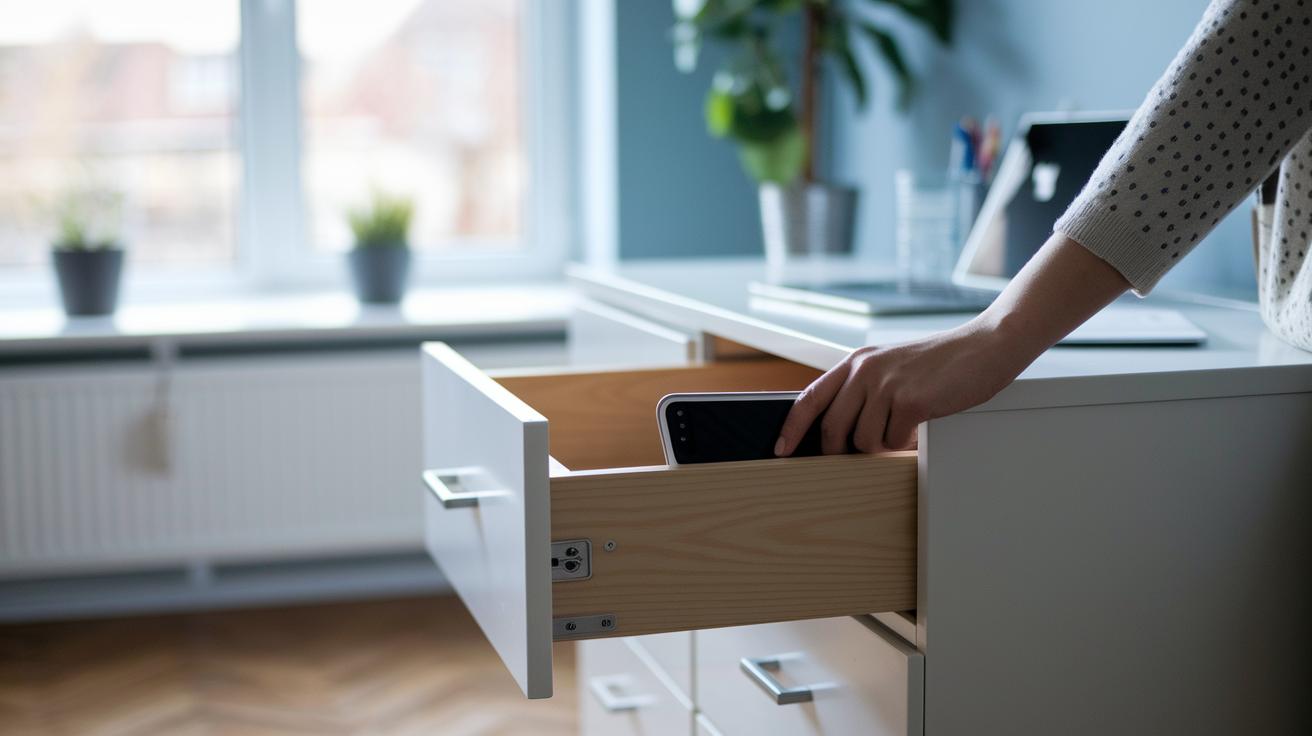
Ever feel overwhelmed by endless notifications? Try a digital detox to help clear your mind and ease the pressure between work and personal time. One easy trick is to mute after-hours alerts. When you do this, work tasks stay at work and your downtime really becomes your own. It’s like giving your brain a well-deserved break so you can fully enjoy moments with the people around you.
Taking a few deep breaths during your day can also make a huge difference. Picture halting a busy moment to simply count your breaths, this tiny pause can melt away stress and help you refocus. Even a brief mindful pause can refresh your energy, turning hectic moments into little islands of calm.
Setting clear boundaries for your devices is another simple yet powerful step. For example, try leaving your phone in a different room when you need to concentrate on something important. And by carving out specific times to check your notifications, you can keep distractions at bay and feel more in control. These small changes not only boost your focus but also help create a steady, calming daily routine.
Setting Boundaries for Work-Life Balance Success
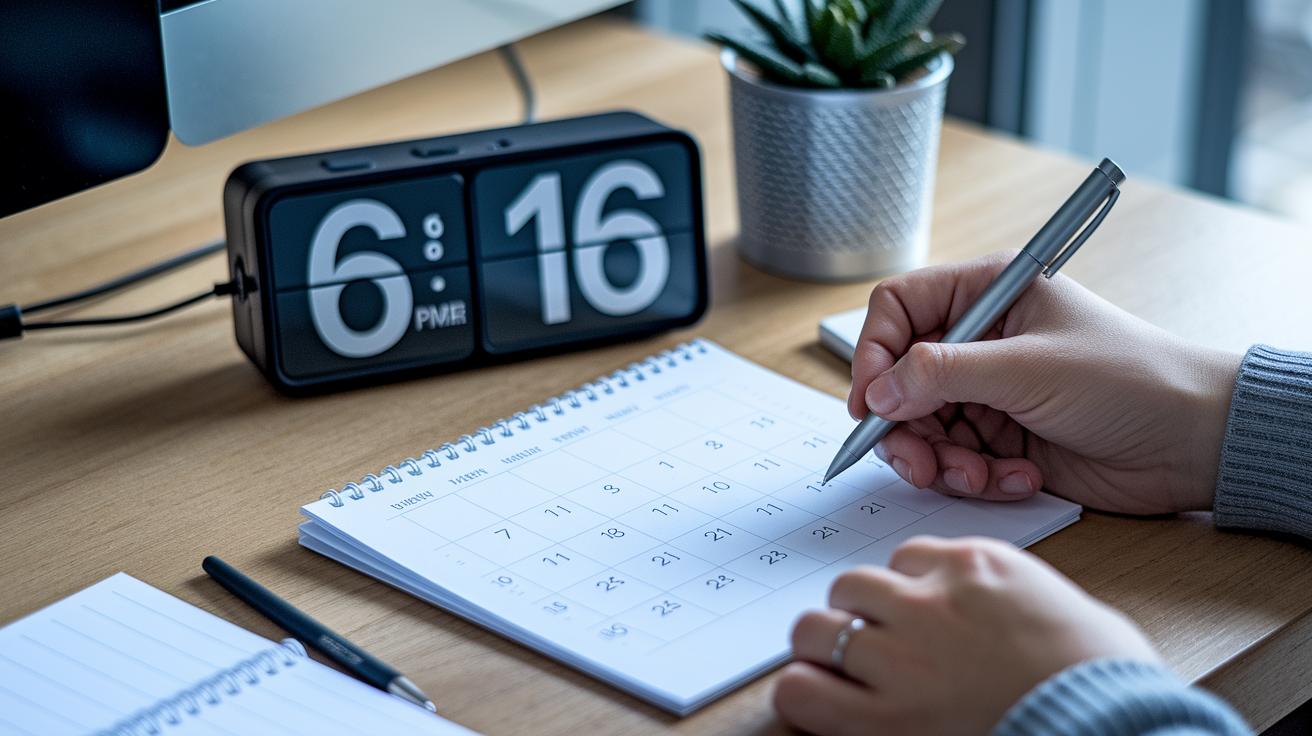
Maybe you've already set a fixed work schedule and personal time. Still, it helps to chat with your boss about how your workload feels. Try telling your manager, "I finish work by 6 p.m. so I can recharge." This kind of clear shut-down time makes it easier to keep a steady pace.
It also works to mark your personal time in your calendar. Reserve moments for fun or relaxation, a quiet afternoon or a session for your favorite hobby. Think of it like planning a mini event, such as, "I’ve set aside time for a nature walk this Thursday." This way, you create a clear break for yourself.
Sharing these plans with your manager helps set healthy work expectations. Explaining how this scheduled downtime keeps you focused and boosts your productivity the next day is a win-win for everyone.
Final Words
In the action, we explored practical ways to balance work with well-being. We discussed time management, stress relief, self-care, nutritional planning, exercise, digital detox, and setting boundaries. Each section offered clear, research-backed tips and methods to boost your daily routine.
Every insight shared lets you incorporate effective wellness tips for work-life balance into your busy schedule. Keep experimenting with these strategies to build a healthier life, both at work and at home. Enjoy each step towards feeling better every day.
FAQ
What are some work-life balance examples?
Work-life balance examples show how setting defined work hours, scheduling breaks, and engaging in leisure activities help create a steady flow between professional duties and personal time.
How can employees improve work-life balance and boost family time?
Improving work-life balance for employees means using structured work hours, methods like time blocking, and carving out moments for family time, which reduces stress and enhances overall well-being.
What are common work-life balance problems and their solutions?
Work-life balance problems such as burnout and stress can be solved by establishing clear daily schedules, taking regular breaks with techniques like Pomodoro, and setting firm work and home boundaries.
How can women manage work-life balance effectively?
Managing work-life balance for a woman involves streamlining work tasks, setting clear boundaries for personal time, and practicing self-care to juggle career and personal responsibilities with less stress.
What work-life balance quotes offer meaningful insight?
Work-life balance quotes typically stress the value of finding moments for self-care and rest, reminding us to value personal time as much as our professional achievements.
What are the benefits of maintaining work-life balance?
The benefits of work-life balance include lower stress levels, improved mental health, enhanced productivity, and stronger personal relationships, all of which contribute to a healthier lifestyle overall.
What can a work-life balance PDF provide?
A work-life balance PDF usually offers practical checklists, strategies, and organized guides to help you schedule your day, manage stress, and maintain clear boundaries between work and personal life.
What do mental health statistics say about work-life balance?
Work-life balance mental health statistics show that poor balance amplifies stress, while structured routines and regular downtime help improve mood, increase resilience, and support overall well-being.
What is the 8 8 8 rule for work-life balance?
The 8 8 8 rule signifies dividing a day into equal parts for work, rest, and leisure. This approach encourages splitting your time evenly to maintain both productivity and relaxation.
What are the four pillars of work-life balance?
The four pillars of work-life balance include efficient time management, stress reduction, self-care routines, and clear personal boundaries, all of which help sustain a stable and fulfilling daily routine.
How can someone create healthy work-life balance effectively?
Creating healthy work-life balance involves designing structured schedules, defining firm work and personal time boundaries, and consistently incorporating regular breaks and self-care activities into your day.