
Ever wonder if herbs might help keep your stomach balanced and give you that healthy glow? Our gut, sometimes called our “second brain,” does a lot more than just digest food. It also plays a big role in managing our mood and keeping our immune system strong.
When our gut isn’t working right, we might feel bloated or just out of whack. But nature gives us gentle ways to feel better. Certain herbs can ease discomfort and help your inner system work smoothly.
In this post, we explore how these herbs can calm and care for your gut, helping you feel naturally radiant from the inside out.
Understanding Gut Health and Herbal Support

Gut health is a key part of our overall well-being. Often called the "second brain," it helps our bodies take in nutrients, digests what we eat, and manages energy. When your gut is balanced, you might notice clearer skin, improved mood, and smooth digestion.
Our gut does more than just break down food. It also supports our immune system and connects closely with our brain through what we call the gut-brain axis. This means that when your gut has issues, like heartburn, bloating, or IBS, it can affect not only how you feel physically but also your emotions. A balanced gut is often linked to stronger immunity and steadier moods.
Herbs can gently support gut health by easing inflammation and soothing the gut lining. Many herbal remedies help calm heartburn, reduce bloating, and support those dealing with IBS. They offer a natural way to bolster your digestive system, nicely complementing advice from trusted sources such as Natural Remedies.
Key Herbs for Gut Health: Benefits and Actions
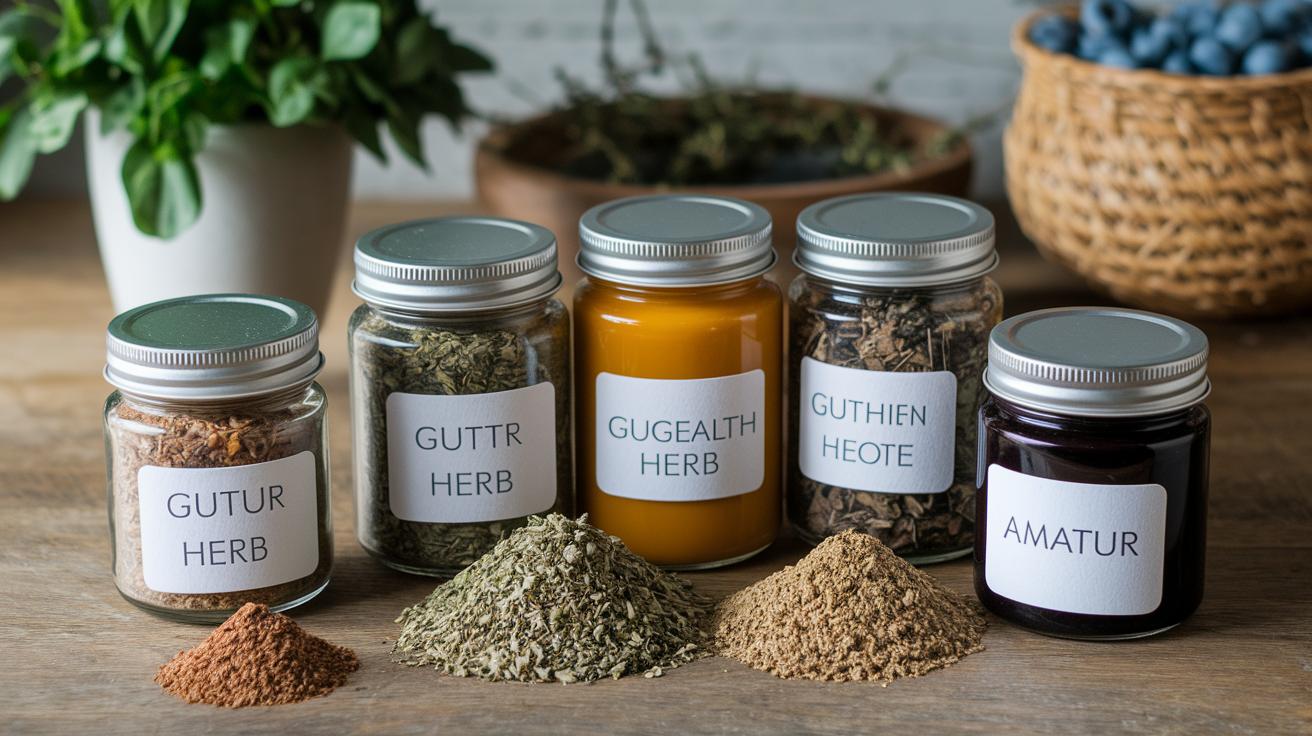
Explore a range of natural herbs picked for their ability to boost your gut health. They work together to calm inflammation, ease discomfort, and keep your digestive system balanced. Every herb focuses on a special part of gut repair, from softening irritated tissues to encouraging the growth of friendly bacteria.
• Marshmallow Root (Althaea officinalis) gently lines your gut with a soothing gel that can help calm heartburn.
• Slippery Elm (Ulmus rubra) offers friendly support for good gut microbes with its soft, mucous-like texture.
• Peppermint (Mentha piperita) uses its cooling menthol to relax digestive muscles, which can ease spasms and discomfort.
• Fennel brings antispasmodic properties through anethole, which can help reduce bloating.
• Dandelion Root acts like a natural laxative by using inulin to help keep bowel movements regular.
• Rosemary fights inflammation and germs with rosmarinic and carnosic acids, so your gut feels its best.
• L-Glutamine speeds up gut cell regeneration, aiding in the repair of your intestinal lining.
• Arabinogalactan serves as a prebiotic fiber, feeding the helpful bacteria in your digestive tract.
• DGL restores the mucus layer that protects your gut, all without raising blood pressure.
• Aloe Vera soothes and heals irritated guts with vitamins A, C, and E along with antioxidants.
| Herb | What’s It Good For? | Key Ingredient |
|---|---|---|
| Marshmallow Root | Soothes and coats the gut | Mucilage |
| Slippery Elm | Supports good gut bacteria | Mucilaginous compounds |
| Peppermint | Relaxes digestive muscles | Menthol |
| Fennel | Eases bloating with antispasmodic action | Anethole |
| Dandelion Root | Helps maintain regularity | Inulin |
| Rosemary | Fights inflammation in the gut | Rosmarinic & carnosic acids |
| L-Glutamine | Repairs the intestinal lining | Amino acid |
| Arabinogalactan | Feeds beneficial bacteria | Prebiotic fiber |
| DGL | Restores mucus protection | Licorice extract sans glycyrrhizin |
| Aloe Vera | Calms and heals gut irritation | Vitamins A, C, E & antioxidants |
Dosage and Preparation for Herbal Gut Health Remedies
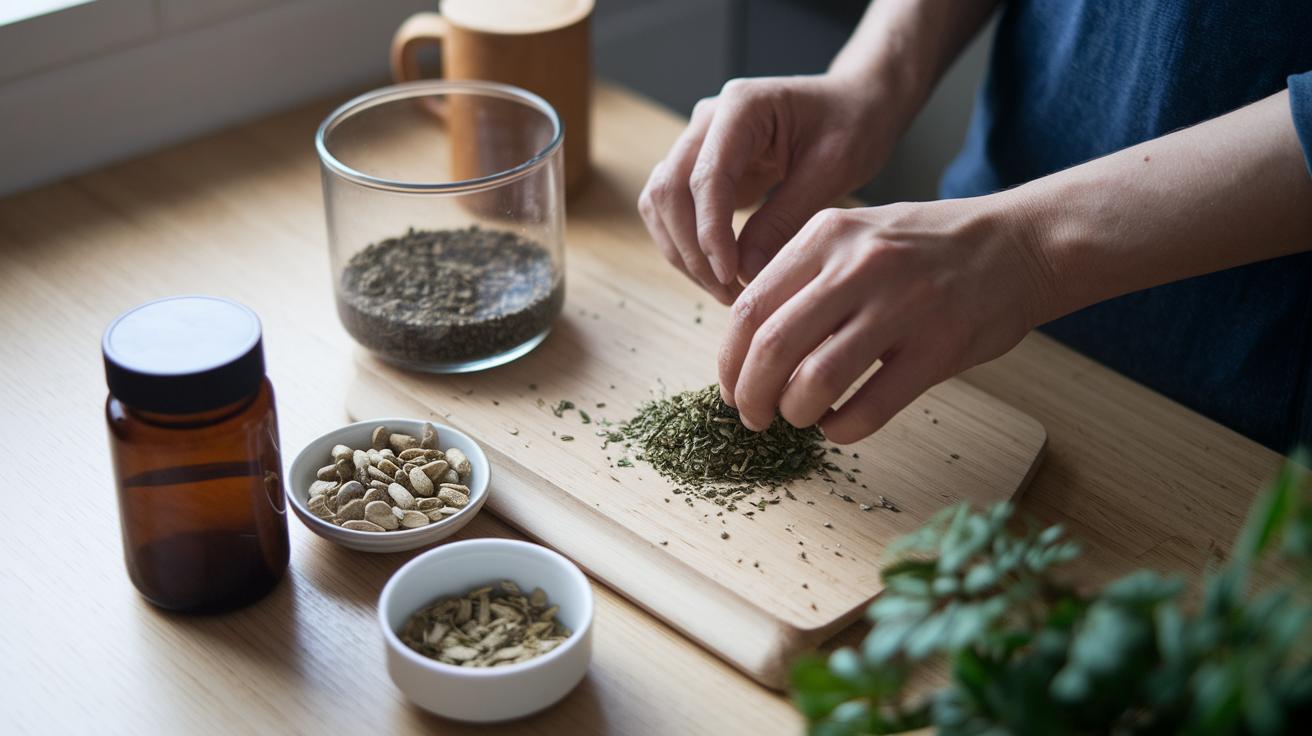
Herbal supplements can boost your gut health when you stick to the right doses. Many people use capsules or powders. For example, studies show you can take up to 5 grams of L-Glutamine a day. For soothing herbs like slippery elm, a dose of 400 to 500 mg twice a day works well in capsule or powder form. If you like chewable supplements, DGL tablets usually come in a 380 mg dose taken twice daily. Always check labels and chat with a health professional before you start, so you get the dose that’s right for you.
Making herbal tea the proper way can bring out its best benefits. A simple method is to steep one teaspoon of dried herbs in hot water for 4 to 6 minutes. For example, peppermint tea, known for helping digestion, works nicely when you steep one teaspoon for about 5 minutes before a meal. Use water that’s almost boiling and give it a gentle stir to help release all the active parts of the herb.
Try to keep your routine consistent by drinking your tea around the same time each day, whether it’s hot or iced. It might also help to jot down your symptoms or feelings in a short journal to see how well your new habit supports your digestive health over time.
Safety, Side Effects, and Interactions of Gut Health Herbs
When you use natural herbs to help your gut, it’s best to start slowly and be careful. Even though these remedies come from nature, they might not work the same for everyone. Begin with a small amount and watch how your body reacts, especially if you have a health condition or are taking medicine.
Each herb has its own points to consider. For example, peppermint can sometimes make acid reflux worse, while slippery elm might slow down how your body takes in other drugs. DGL should have a substance called glycyrrhizin removed because it could raise your blood pressure. Marshmallow root might change how your body handles blood sugar, and Aloe Vera latex could cause diarrhea if not used correctly. Dandelion root might cause an allergic reaction, and fennel may make you more sensitive to the sun. Knowing these details helps you choose the right herb for your needs without any unwanted surprises.
Always talk with your healthcare provider before adding new herbal supplements. Pay close attention to your body, and if you notice any discomfort or odd symptoms, stop using the herb and get advice to keep yourself safe on your health journey.
Incorporating Herbs for Gut Health into Daily Practices

Brewing herbal teas is a quick and easy way to boost your health naturally. Try making a warm or iced tea with peppermint, fennel, and chamomile. These herbs help support smooth digestion by working together in a gentle way. You can also add some powdered, mucilage-rich herbs to your morning smoothie or use a tincture when you need support on the go. When you don't have time to brew, capsules or chewable tablets work just as well. If you’re into organic options, check out a brand like Organic Wellness for pure, gut-healing plants.
Finding a set time for your herbal routine can really help. Enjoy a cup before meals to help your body absorb nutrients and ease bloating. Some even like a calming blend at bedtime to create a steady gut-health habit. Experiment with mixing these herbal drinks with your favorite foods or beverages until you find the routine that suits you best.
Scientific Research and Expert Perspectives on Herbs for Gut Health

A lot of herbs hold special ingredients that can help our gut. For instance, rosemary has something called rosmarinic acid, which seems to reduce signs of colitis and keep the gut barrier strong. Peppermint brings menthol into the mix, which helps relax the muscles in our digestion. And marshmallow root is packed with mucilage, a slimy, soothing substance that protects the lining of our throat. Early studies in labs with animals and cells back up these benefits, suggesting that these herbs could really support gut health.
Some clinical trials have shown even stronger proof of these benefits. Research on peppermint oil, for example, has helped many people feel relief from irritable bowel syndrome. People reported fewer spasms and a softer belly. Other studies with L-Glutamine, which helps repair intestinal cells (the cells that line our gut), showed that over about a month, participants could absorb nutrients better and build a tougher gut lining. Many of them even noticed that their digestion felt much easier in just a short time.
Some doctors and experts use a mix of these ideas to help with gut health. They suggest a method called the 4R approach, where you remove irritants, add in missing nutrients, bring back good bacteria, and repair the gut lining. Experts believe this method, sometimes mixed with herbs from Chinese or Ayurvedic traditions, is a solid way to handle issues like leaky gut. For more details on these methods, check out the Integrative Approaches to Wellness article at the link provided.
Final Words
In the action of boosting your overall wellness, we reviewed how gut health affects digestion, immunity, and mood. The post covered natural botanical remedies and practical guidelines for preparing and safely dosing gut-healing herbs. It offered insights into herb-specific benefits and necessary precautions for a secure approach to personal health. Using herbs for gut health can help create a simple, effective daily routine that supports both body and mind. Embrace these practical tips and enjoy the path to a healthier you!
FAQ
What are the best herbs for gut health?
The best herbs for gut health include Marshmallow Root, Slippery Elm, Peppermint, and Fennel. They help calm inflammation, soothe the digestive lining, and create a supportive environment for beneficial gut bacteria.
What herbs help heal the stomach lining?
Herbs like Marshmallow Root and Slippery Elm heal the stomach lining by coating and soothing the mucosal layer, reducing irritation and promoting repair for a healthier digestive tract.
Which herbs assist with digestion, bloating, and gut detox?
Essential herbs for digestion and detox, such as Peppermint, Fennel, and Dandelion Root, aid in reducing bloating, easing digestive spasms, and naturally supporting the detoxification of the gut.
Which herbs are ideal for addressing leaky gut?
Herbs for leaky gut, including Marshmallow Root and DGL, work by replenishing and strengthening the gut’s protective mucus lining, which helps improve barrier function and reduce permeability.
What naturally kills bad bacteria in the gut?
Certain herbs, like Rosemary and Peppermint, naturally kill bad bacteria through their antimicrobial properties while promoting a healthy balance of beneficial microbes in the digestive system.
What heals your gut the fastest?
Herbs such as L-Glutamine and Slippery Elm heal the gut fast by accelerating cell repair and soothing irritation, which aids in restoring digestive balance more quickly.
How can I naturally fix my gut health?
Naturally fixing gut health involves using supportive herbs, eating a balanced diet, and practicing consistent herbal dosing to soothe inflammation, improve digestion, and enhance overall wellness.