
Ever get tired of eating the same foods every day? Imagine a week full of tasty, fresh meals that give you energy and keep you on track with your health goals. Our Energize Now plan offers a mix of breakfasts, lunches, dinners, and snacks, all chosen with care to help you eat well without the stress of planning. It’s a smart way to add variety to your week and enjoy meals that are both healthy and satisfying.
Seven-Day Healthy Meal Plan Blueprint

This seven-day menu is perfect for busy folks who want to enjoy nutritious meals all week long. It’s designed to help with weight loss and keeps your diet balanced. You get a mix of high-protein, low-carb, gluten-free, and heart-healthy options that you can easily tweak to suit your own needs. Need a boost on day one? Check out the clean eating breakfast recipes. Top chefs learned that a good, wholesome breakfast can kickstart your day by sparking energy and creativity.
This plan covers breakfast, lunch, dinner, and snacks, making meal planning simple and cutting down on food waste. Every meal was picked with care to meet your nutritional goals, keeping your week varied and fun. Below is a table that shows each day’s meal choices at a glance:
| Day | Breakfast | Lunch | Dinner | Snacks |
|---|---|---|---|---|
| Monday | Oatmeal parfait with fruit | Grilled chicken salad | Quinoa stuffed peppers | Mixed nuts & berries |
| Tuesday | Spinach and egg wrap | Tuna quinoa bowl | Stir-fried tofu and veggies | Veggie sticks with hummus |
| Wednesday | Greek yogurt with granola | Turkey and avocado sandwich | Salmon with brown rice | Apple slices with peanut butter |
| Thursday | Clean eating breakfast ideas | Lentil soup with mixed greens | Eggplant and chickpea curry | Carrot sticks with tzatziki |
| Friday | Smoothie bowl with berries | Grilled vegetable wrap | Chicken and broccoli stir-fry | Rice cakes with almond butter |
| Saturday | Whole grain toast with avocado | Black bean salad | Pasta with lean meat sauce | Celery with cream cheese |
| Sunday | Protein pancakes | Spinach and feta salad | Grilled shrimp with veggies | Fruit cup with yogurt |
This balanced menu brings a mix of flavors and energy to your week with easy-to-follow, healthy meals.
Grocery List and Budget in Your Healthy Meal Plan for the Week
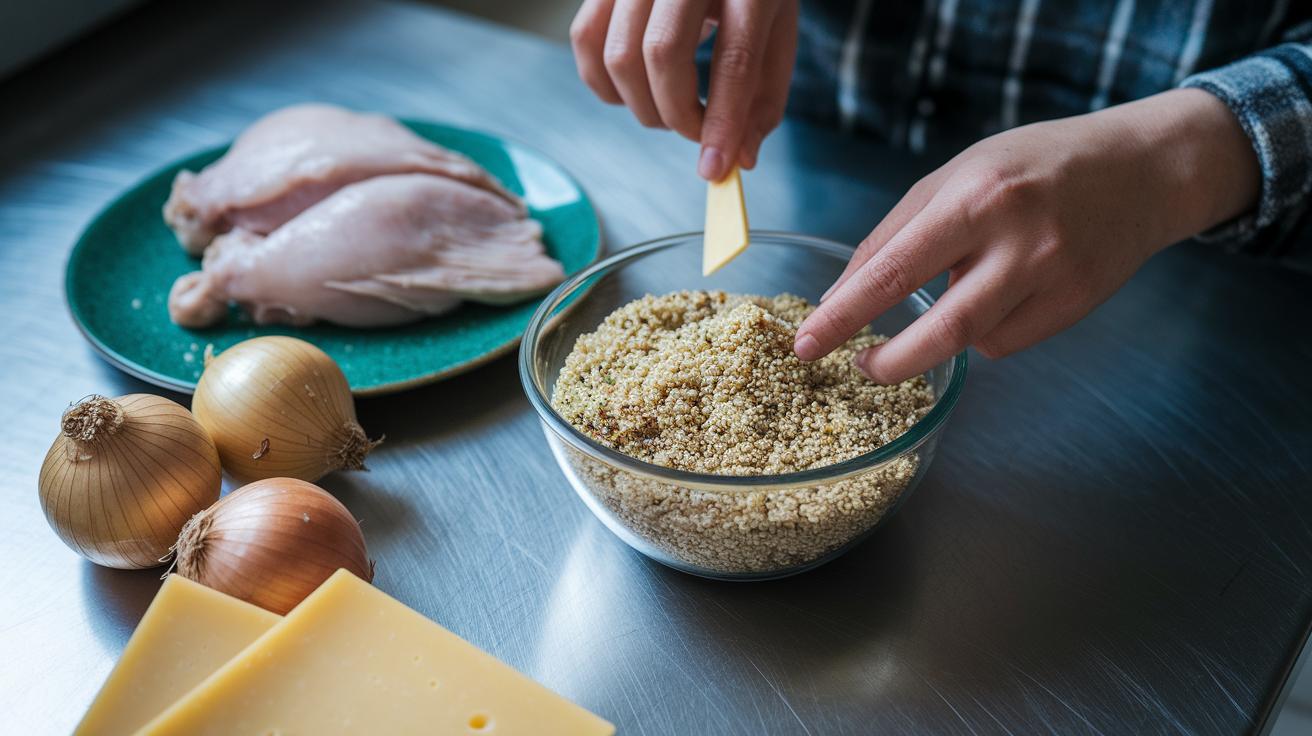
Saving money on meals can really add up, you might save around $1,500 each year by planning smartly. Imagine feeding a family of four for just $100 a week by sticking to basic, affordable foods.
Begin with pantry staples that make up the heart of your meals. For instance, grab 1 lb of quinoa or other whole grains that offer a satisfying crunch and steady energy. Include proteins like a 4–5 lb whole chicken. It works for several meals and even lets you whip up a tasty homemade stock. Fresh produce is key too. Think about picking up 3 medium onions, which add a rich flavor, and 2–3 limes or lemons to bring a bright twist to your dishes. A small bag of shredded cheese (around 8 oz) can easily lift salads or casseroles into something special.
When you shop, check out local markets where seasonal fruits and vegetables not only cost less but also burst with flavor. Buying in bulk for grains or chicken can cut costs even more. This focused approach helps you stick to a budget and still enjoy nutritious, delightful meals all week long.
Meal Prep Strategies for a Healthy Weekly Meal Plan
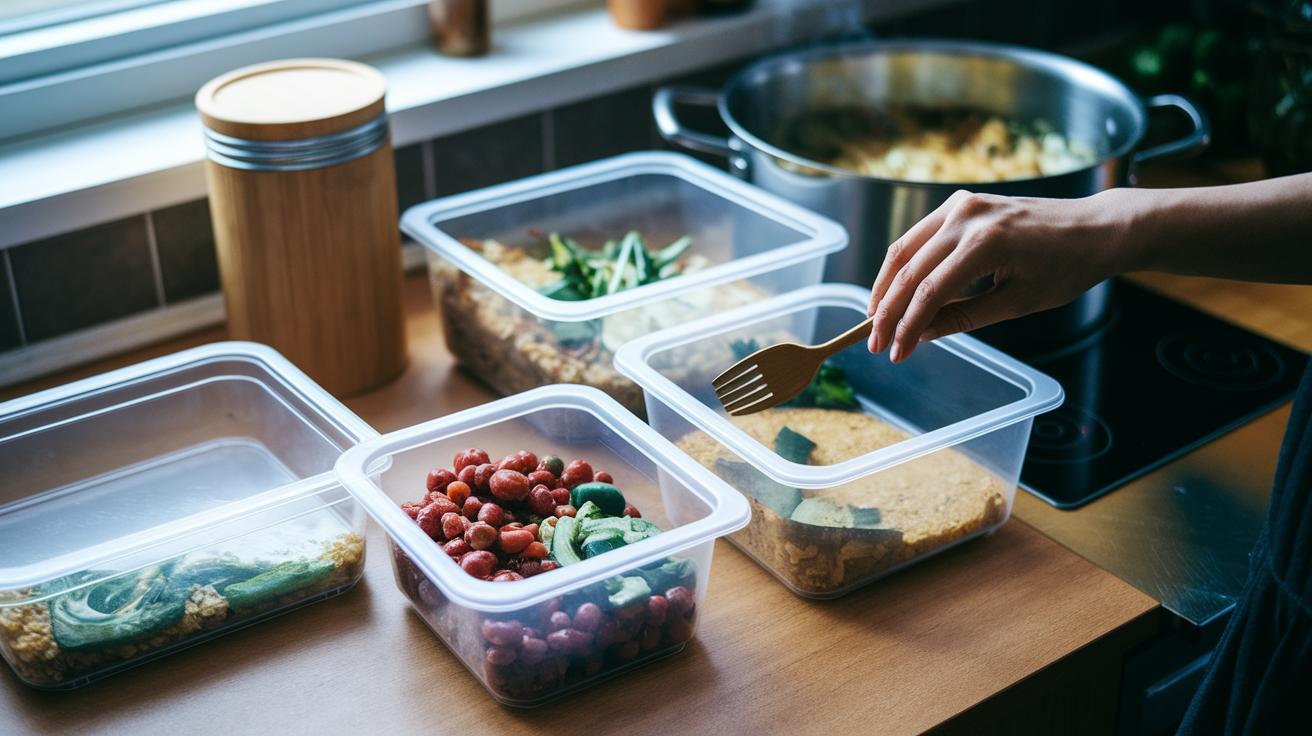
Meal prepping can really make your week run smoother. It starts with picking up the basics of getting things ready ahead of time. For example, you might want to check out this gentle introduction to a healthier lifestyle at https://siluk.net?p=260. A good idea is to cook a big pot of chicken so you have enough for two meals and some extra for a homemade stock. While the chicken is simmering, go ahead and prepare a batch of quinoa or brown rice. This way, you'll spend less time cooking when hunger strikes.
Take a few minutes to chop all the vegetables you need. Once they're ready, drop them into airtight containers to keep that crunch. Label each container with the day of the week. This makes it super easy to grab the right veggies when you're in a rush. You can simply use a marker or some basic stickers to keep track.
Plan two meal prep sessions that last about 90 minutes each. One session on Sunday evening can set you up nicely for the start of the week. Then, add a midweek session to keep your meals fresh and avoid any last-minute rush. During these times, focus on recipes that are easy to put together and save any leftovers in a safe way so nothing goes to waste.
Breaking your tasks into small, manageable steps and keeping your ingredients organized in well-labeled containers can help you enjoy stress-free mealtimes and stick to your healthy weekly meal plan.
Nutrition Details and Portion Sizes in Your Weekly Healthy Meal Plan
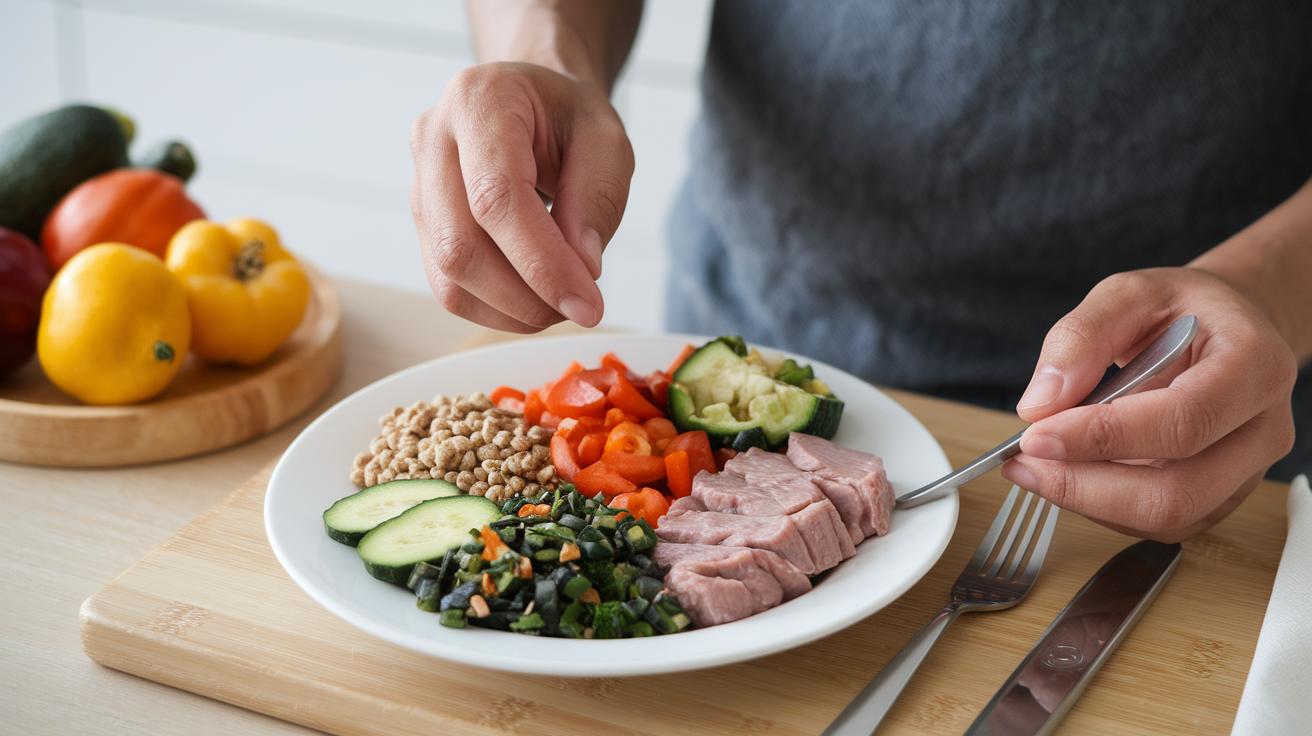
Start by getting a good feel for your serving sizes. A handy tip is to aim for about 3-4 oz of lean protein at each meal, roughly the size of a deck of cards. Pair this with ½ cup of cooked whole grains, like brown rice or quinoa, and fill your plate with 1 cup of non-starchy vegetables for a burst of color and crunch. When it comes to snacks, try to keep them around 150-200 calories. For example, you might choose a Greek yogurt parfait that gives you about 20 g of protein or a small handful of nuts that comes in at roughly 150 calories.
Keeping things balanced is key. A mix of around 40% carbohydrates, 30% protein, and 30% healthy fats can give you a steady flow of energy all day. Think of your body like a well-tuned engine, every bite helps fuel your day.
Here’s a quick reference for how to break down your meals:
| Meal | Protein (g) | Carbs (g) | Veggies (cups) |
|---|---|---|---|
| Breakfast | 15-20 | 30-40 | 1 |
| Lunch | 20-25 | 35-45 | 1-2 |
| Dinner | 25-30 | 40-50 | 1-2 |
Think of each meal as a building block that helps you feel strong and energized. When you measure your portions, you give yourself the best chance to build healthy habits that last.
Customizing the Healthy Weekly Meal Plan for Your Family
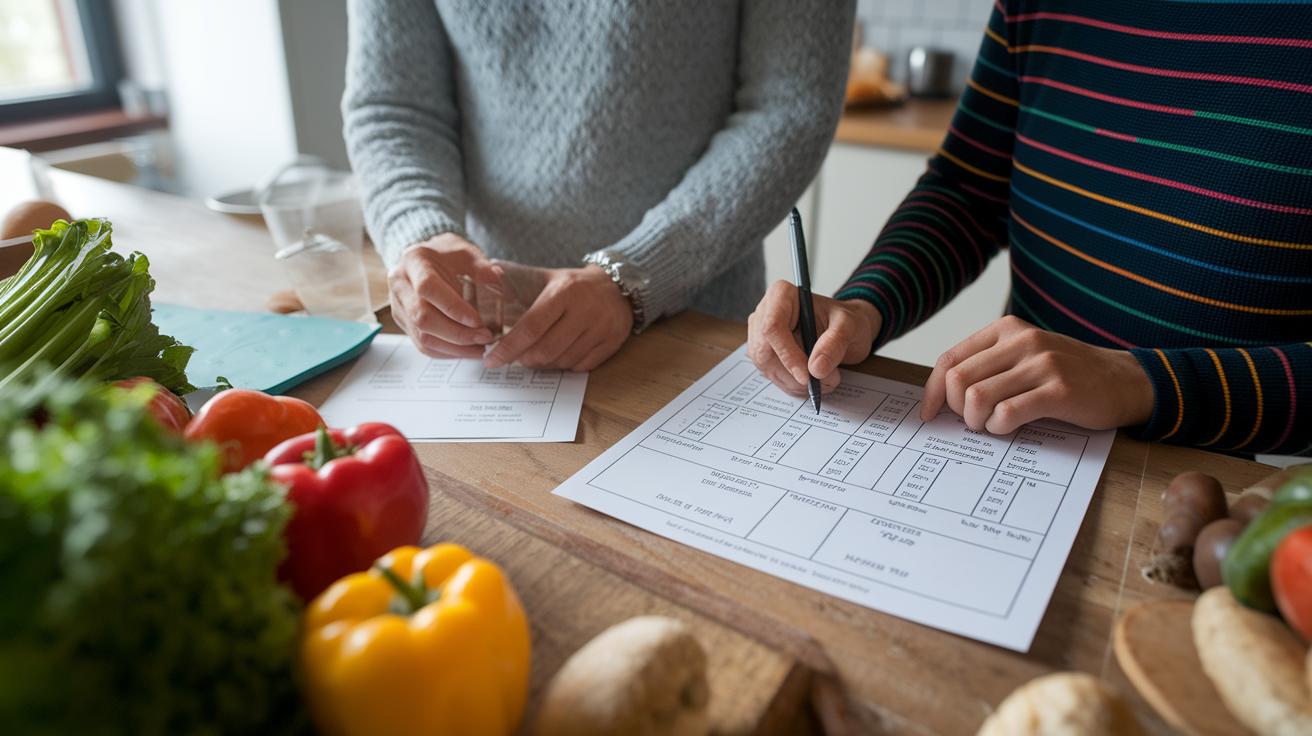
Think of your meal plan as a blank canvas that you can modify to match your family’s favorite tastes and dietary needs. You can swap out common ingredients to fit vegan, vegetarian, dairy-free, or gluten-free diets. For example, if chicken is a regular favorite, try using tofu instead on one day. This change helps introduce new flavors without being too overwhelming.
Switch out regular rice for farro or another whole grain to give your dishes a different texture and taste. As you experiment with various vegetables, you'll soon find a range of new favorites. Instead of sticking with the usual seasonings, consider simple sauces or kid-approved spices that turn ordinary veggies into a fun, flavorful part of your meal. A mild tomato sauce or a squeeze of lemon juice can add just the right touch.
Invite family members to get involved by letting them choose one meal of the week to customize. Maybe designate one day as a vegetarian day where everyone picks their favorite plant-based ingredients. This small twist can spark excitement and bring lively conversation to the dinner table, making healthy eating a shared and enjoyable journey.
Tips for Staying on Track with Your Healthy Meal Plan for the Week

Staying flexible really helps when you’re trying to stick to your plan. If something comes up, don’t worry, just switch days and tweak your menu. For instance, if Monday’s dinner plan gets canceled, move it to Tuesday. And if you have extra time later that day, turn your cooked chicken into a crisp salad for a refreshing twist.
Getting creative with leftovers can make mealtime both fun and efficient. Think about turning roasted vegetables into a filling wrap or mixing them into a warming soup. This way, you not only save money but also cut down on food waste.
Another smart idea is to set up snack stations with things like pre-portioned nuts or chopped fruit. That way, when hunger strikes, healthy options are right there waiting for you. It’s as simple as filling a few small containers before the week starts to keep everything in order.
Using calendar reminders can also give you a little nudge about when it’s time to prep or enjoy your meals. Checking in on your progress can boost your motivation and help you mix things up creatively. With simple tweaks and a bit of planning, you can build a weekly meal plan that makes clean eating feel natural, even when life gets busy.
Final Words
In the action of planning your seven-day healthy meal plan blueprint, you get a snapshot of meals from breakfast to dinner, paired with a smart grocery list and budget tips. Small meal prep strategies make the busy week feel lighter, while clear nutrition details help you balance portions and nutrients. Custom options give room for family tweaks, and handy advice keeps you flexible when things change. With this healthy meal plan for the week, you’re set to enjoy simple, tasty, and balanced meals every day.
FAQ
Healthy meal plan for the week PDF, free 7-day eating plan, or 7-day meal plan?
The healthy meal plan for the week PDF provides a printable guide with daily menus, recipes, and shopping tips. It helps simplify meal prep and promotes balanced eating throughout the week.
How does a healthy meal plan for weight loss and low carb diets work?
The healthy meal plan for weight loss and low carb diets focuses on lean proteins, non-starchy vegetables, and healthy fats. This helps control calories, manage portions, and support your metabolism effectively.
What does a 7-day family and kid-friendly meal plan include?
A 7-day family and kid-friendly meal plan features simple, crowd-pleasing recipes that work for all ages. It offers balanced meals with flexible ingredient swaps to suit different tastes and nutritional needs.
What should you eat in a week to be healthy?
A healthy weekly diet includes lean proteins, whole grains, fresh fruits, vegetables, and balanced snacks. This mix ensures you get essential nutrients to keep your energy steady and your body nourished.
What is the 3 3 3 rule for weight loss?
The 3 3 3 rule for weight loss recommends planning three main meals and three nutritious snacks every day, each aiming to include a balanced mix of protein, whole grains, and healthy fats for steady energy.
What is the 4 2 3 1 diet plan?
The 4 2 3 1 diet plan outlines a balanced approach to meals, typically suggesting four servings of fruits and vegetables, two portions of lean protein, three servings of whole grains, and one portion of healthy fat per meal.