
Ever wondered if one deep breath could turn your day around? Many people face anxiety, but simple, natural methods can help calm a busy mind and ease your worries. Today, we’re sharing friendly wellness tips that mix gentle breathing techniques, mindful moments, soft stretches, and smart food choices. These small changes can help clear your thoughts and lift your mood. Try them out and discover easy ways to manage stress and boost your overall well-being, all with everyday steps you can start right now.
Actionable Wellness Tips to Manage Anxiety Naturally
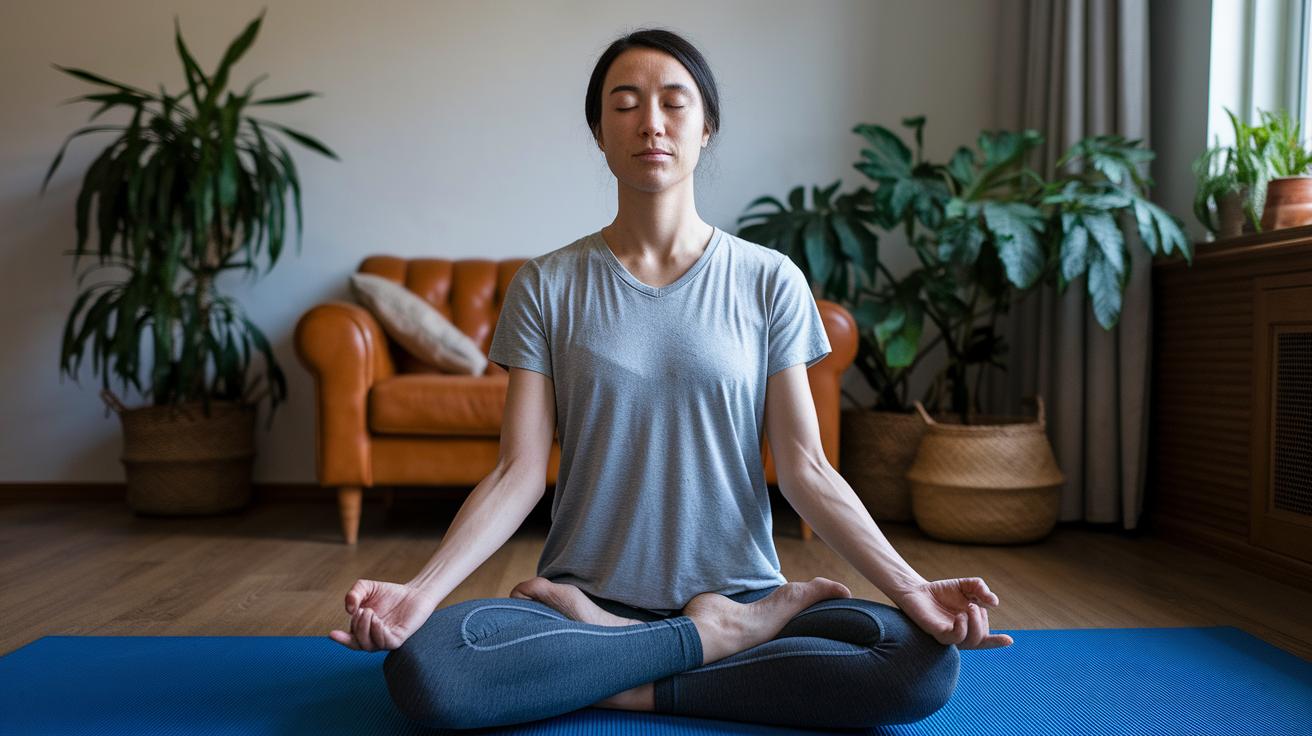
About 40 million adults in the U.S. deal with anxiety disorders. Many who battle depression also feel anxious. Natural ways, like good self-care, can soothe these worries. You can mix simple breathing methods, mindful moments, movement, and healthy food choices to help you feel better.
Start by practicing controlled breathing. For example, try a method where you slowly count down with your breaths. Breathe in deeply for 4 seconds, hold for 4 seconds, and then exhale slowly for 4 seconds. This simple trick can calm your racing thoughts and bring your focus back to how your body feels.
Mindfulness is a handy tool, too. Set aside a few moments to sit quietly and listen to your own breathing. This small pause can give your mind a break from stress. It’s like hitting a refresh button on your day.
Adding gentle movement to your routine helps as well. Consider a short walk or some light stretches. These small bursts of movement can ease the tension in your muscles and help clear your mind. It’s a nice way to support both your body and your thoughts.
Your diet matters, too. Try to include foods high in antioxidants, like berries and green tea. These foods have been linked to lower signs of anxiety. By choosing healthy foods, you give your body the tools it needs to handle anxiety more smoothly.
Putting all these easy practices into your day can give you a solid plan to keep both your mind and body calm when anxiety starts to creep in.
Breath-Focused Exercises to Ease Anxiety
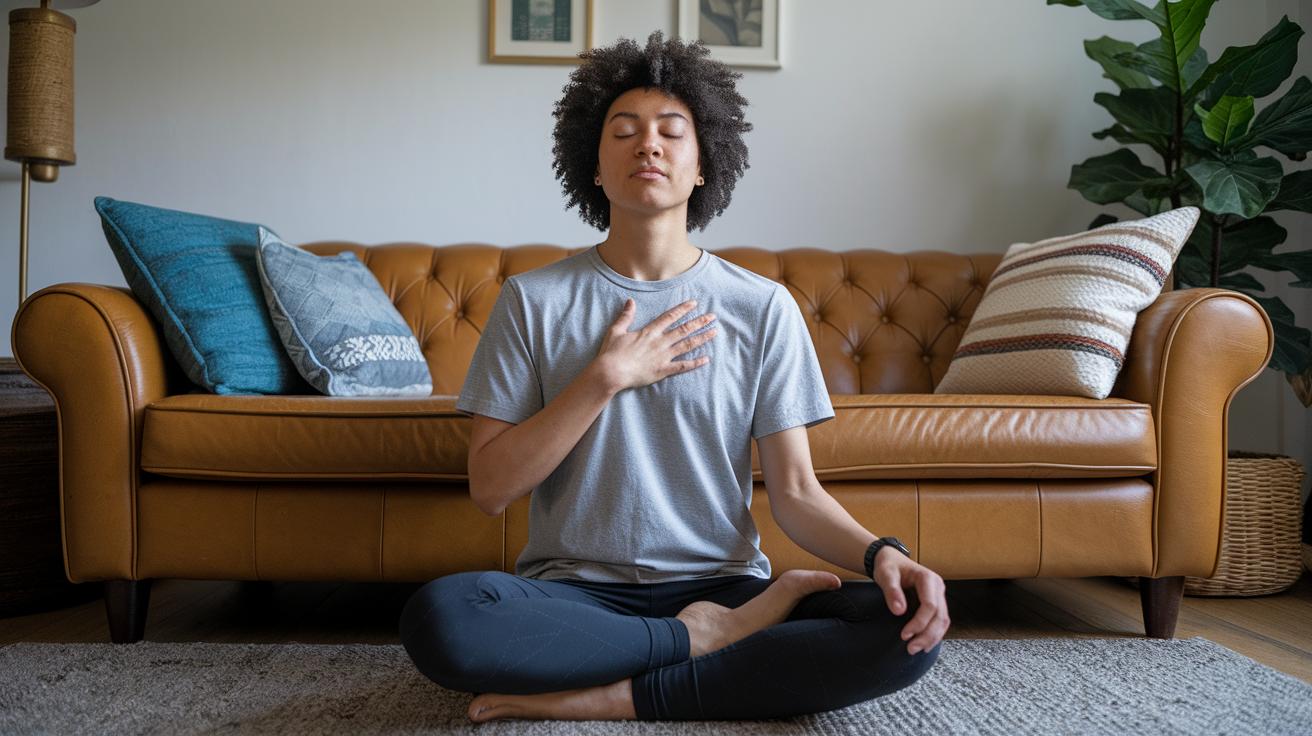
When anxiety creeps in, try the 5-4-3-2-1 coping technique. Imagine sitting quietly, hand on your heart, as you gently count along with your breath. This simple method guides your breathing to help steady your nerves and clear your mind.
Start by taking a deep breath while counting slowly to five. Feel the cool air as it fills your lungs. Then, hold your breath for four counts and savor the calm. Next, exhale steadily for three counts, letting the tension slip away. Pause for two seconds to soak in the quiet, and finally, enjoy one full second of peace before you start again.
| Step | Action | Count |
|---|---|---|
| 1 | Breathe in deeply | 5 |
| 2 | Hold the breath | 4 |
| 3 | Exhale slowly | 3 |
| 4 | Pause | 2 |
| 5 | Embrace the calm | 1 |
Give this exercise a try whenever you feel overwhelmed. Remember, every deep, measured breath reminds you that you’re in control.
Mindfulness and Meditation Routines for Calming Anxious Minds

Research tells us that guided meditation can break the cycle of stress. By using simple mindfulness techniques, you can clear your mind and ease anxious thoughts. Here are two easy routines you can weave into your day.
Basic Mindfulness Meditation
Try this simple 4-step routine to feel more present:
- Sit comfortably, close your eyes, and focus on your breath as it flows in and out.
- Notice how your body feels. If your mind starts drifting, gently steer it back to your breathing.
- Name each thought or feeling without judging it, just like watching clouds float by.
- Bring your focus back to your breath. With each cycle, feel more calm and less worried.
This method can help turn a busy mind into a peaceful space. It’s like pressing pause on a fast-moving movie to catch your breath.
Guided Imagery Practices
Let your imagination lead you to a place of comfort:
- Picture a quiet beach where soft waves soothe you.
- Imagine a lovely garden filled with bright flowers and gentle sunlight.
- Visualize a safe room where each breath creates a calm feeling of security.
These exercises can help create your own little oasis for mental clarity, easing anxiety and inviting calm into your day.
Progressive Muscle Relaxation and Somatic Tension Release
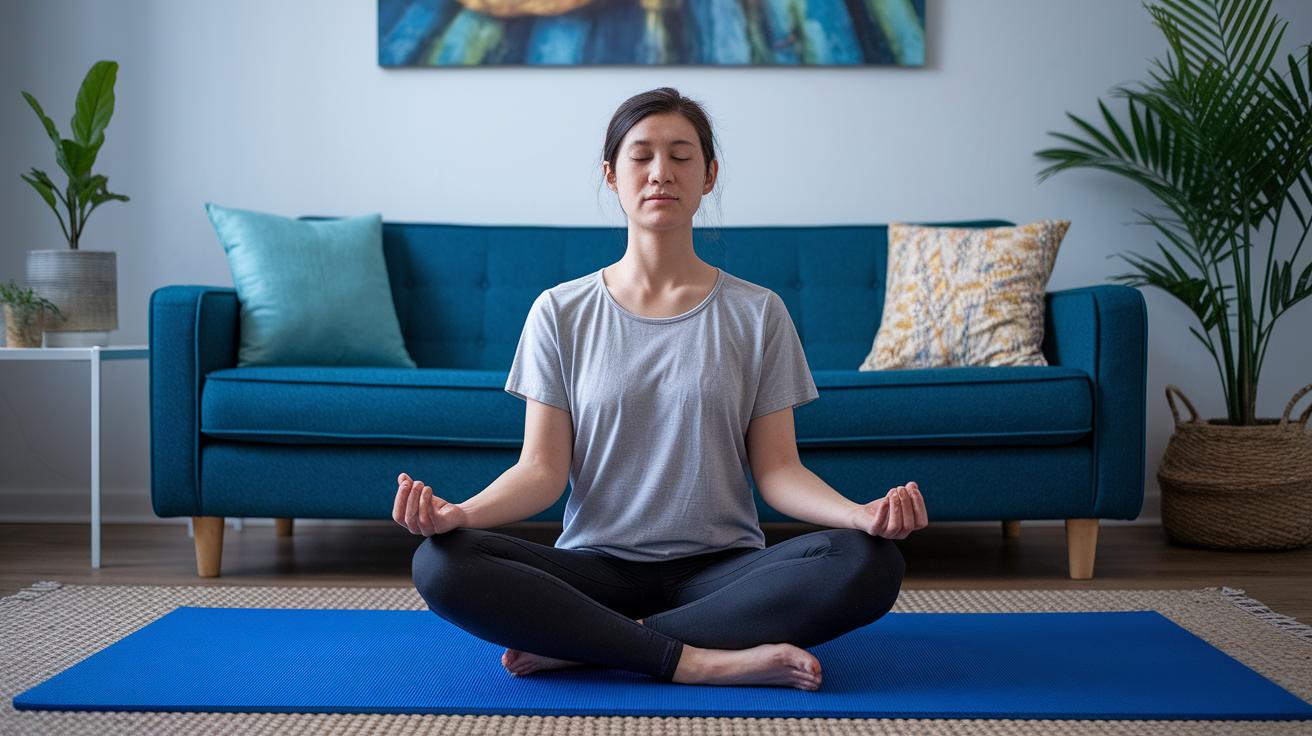
Progressive muscle relaxation is a simple way to ease anxiety by slowly releasing tension in your body. Start by sitting or lying down comfortably and take a few deep breaths. It’s all about gently tensing your muscles and then letting them relax, which can help lower stress hormones and bring a sense of calm.
- Begin at your feet. Tighten your foot muscles for about five seconds, then slowly let them relax.
- Move up to your calves and thighs. Squeeze these muscles tightly, hold for a moment, and then ease off.
- Focus on your abdomen and chest next. Gently contract these muscles, notice the firmness for a few seconds, and then let go.
- Work on your arms and hands. Clench your fists, feel the tension, and then gradually unwind them.
- Finally, relax your neck and face by slightly tensing your jaw or closing your eyes tightly for a moment before returning to a calm state.
Each gentle step helps melt away the stress, leaving you feeling more balanced and relaxed.
Dietary and Nutritional Balance Ideas to Support Anxiety Management

A study done in 2010 found that foods rich in antioxidants, like berries and green tea, may help lower signs of anxiety. Antioxidants are natural compounds that help your body fight off stress. Including these foods in your meals might give your mood a gentle, natural lift.
Eating a balanced diet means filling your plate with whole, unprocessed foods that boost both energy and emotional balance. Try to choose a variety of colorful fruits and vegetables. For example, blueberries, strawberries, and raspberries are full of nutrients that can work like little helpers against stress. A quick tip: toss these fruits into your breakfast cereal or blend them into a smoothie for a refreshing start to your day.
Sometimes, a warm cup of herbal tea, like chamomile or peppermint, can feel especially soothing when you're feeling overwhelmed. These teas offer a moment of calm and add a little change to your routine. Plus, pairing your meals with lean proteins, whole grains, and healthy fats helps keep your blood sugar steady, which can encourage a clearer, happier mind.
Here are a few simple ideas to brighten your diet:
| Tip | Suggestion |
|---|---|
| Fruits & Vegetables | Enjoy at least five servings a day |
| Herbal Teas | Savor a calming cup during breaks |
| Healthy Snacks | Keep nuts and seeds nearby throughout the day |
Remember, keeping your nutritional balance isn’t just about supporting your body physically, it can also help ease stress and create a more peaceful state of mind. Simple choices with fresh, nutrient-rich foods can do wonders for both health and happiness.
Gentle Movement Practices: Yoga, Tai Chi, and Low-Impact Workouts
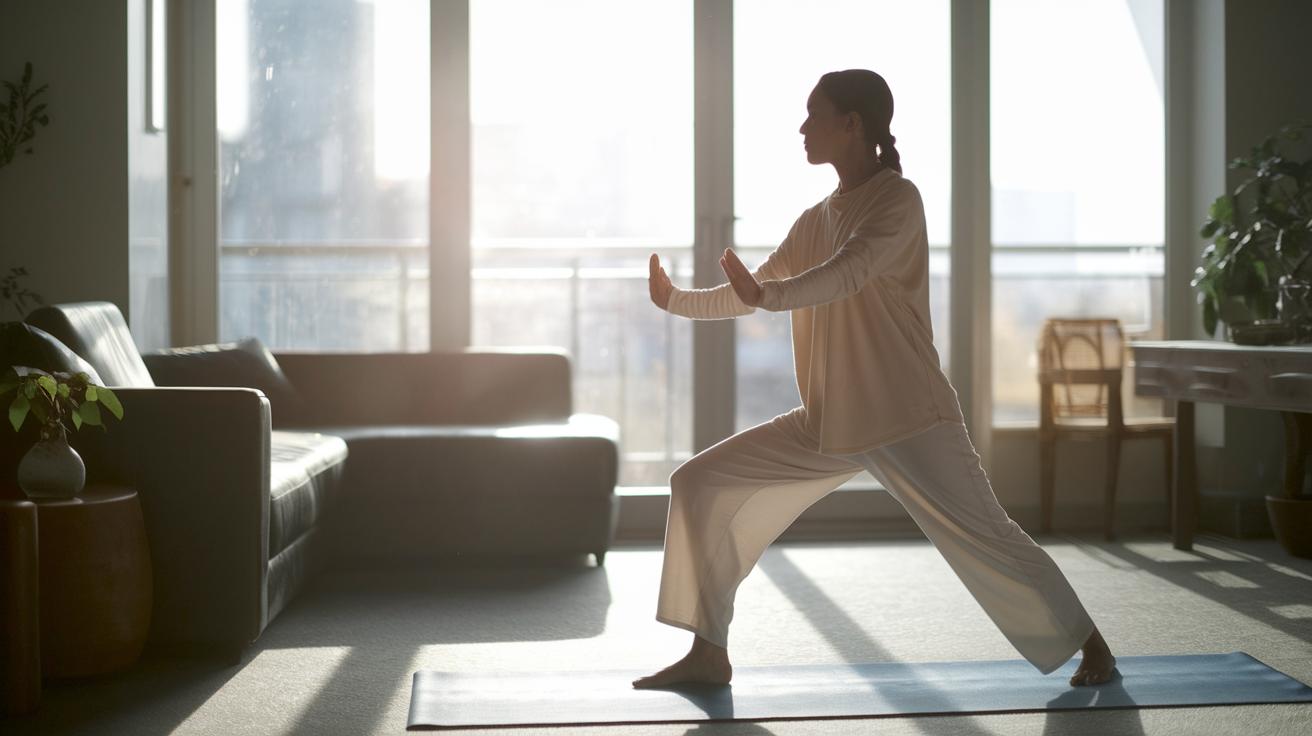
Soft exercise practices can gently ease both your body and your mind. They help steady your heartbeat and balance stress hormones, so you feel calm and centered. Plus, fitting in a little light cardio can boost your mood and clear your thoughts.
Gentle Yoga Sequence
Try a five-move yoga flow that focuses on long, deep stretches and mindful breathing. Start with Mountain Pose to stand strong and feel grounded. Next, bend forward to stretch out your back. Then move into a gentle Cat-Cow stretch that awakens your spine. After that, sit down for a mild twist where your breath guides you to make slight, comforting adjustments. Finally, relax in Savasana, letting your whole body soak in the calm. Hold each pose with slow, steady breaths, inhaling fresh air and exhaling fully, so you feel both relaxed and renewed.
Tai Chi Balance Drill
Give this three-step Tai Chi routine a try to help sharpen your balance. Begin by slowly shifting your weight from one side to the other with a soft, focused look, pausing for a few breaths. Then, take a forward step, breathing in slowly and letting go with a calm exhale. Finish with a smooth, circular motion, syncing your weight shift with even, rhythmic breaths. This balanced flow invites a sense of calm and steadiness into your day.
Grounding Techniques and Thought Reframing for Emotional Clarity

When anxiety kicks in, grounding techniques can help pull you back to the present. These methods use your senses to notice what’s around you. Try this simple exercise: look around and name five things you see, feel four things with your skin, listen for three sounds, sniff out two scents, and notice one small taste. Imagine feeling a cool breeze on your skin while you spot a bright, blooming flower. This little activity helps settle your thoughts.
Thought reframing is another handy trick. Instead of letting negative thoughts take over, pause and give them a helpful twist. Remind yourself that what you’re feeling is just temporary and that you’re strong enough to manage it. Sometimes, writing down your anxious thoughts and then changing them into simple observations can make a big difference.
These two techniques work hand in hand to clear your mind and restore balance. If your anxiety sticks around for more than two weeks, it might be a good idea to talk to a doctor. For more ideas on grounding exercises, check out grounding techniques for anxiety.
Self-Care Strategies and Nighttime Routine Optimization
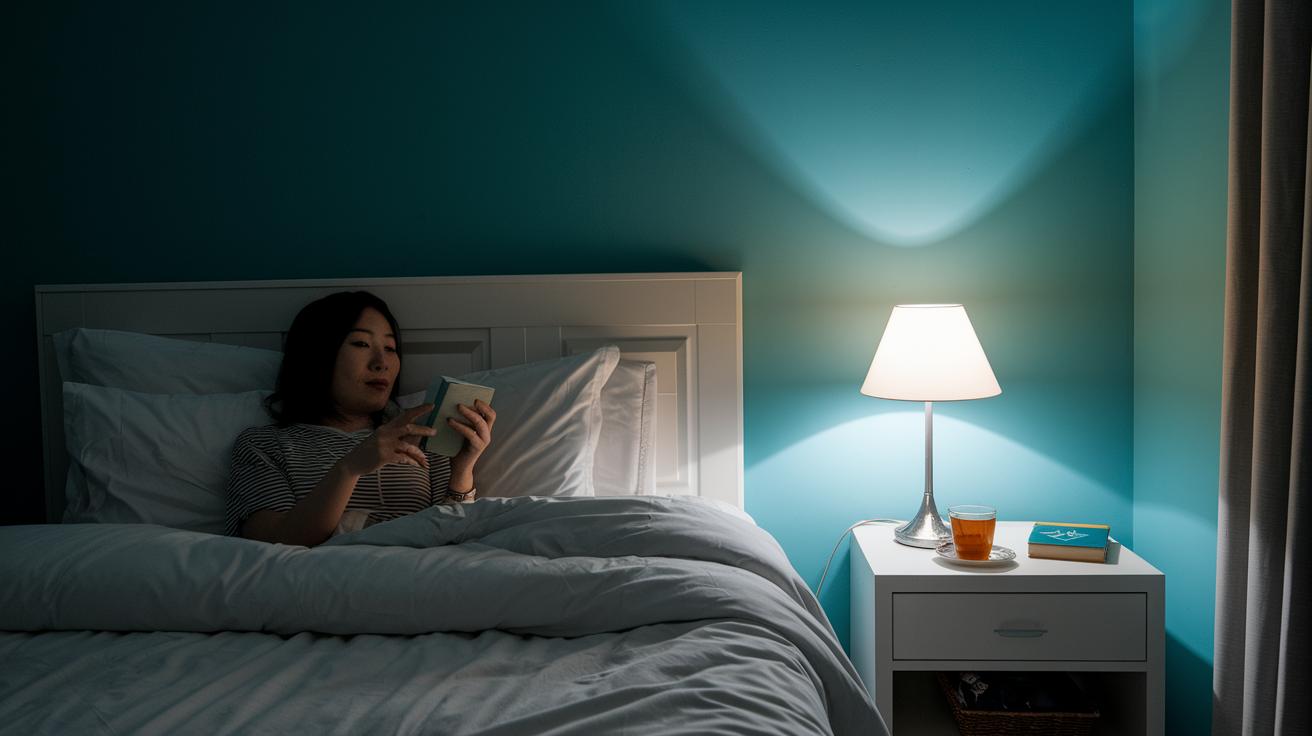
After a long, busy day, it's really important to give yourself a little break to unwind. Try turning off your screens about an hour before bedtime. Instead, set a cozy scene by dimming the lights, playing soft music, or enjoying a good book.
Avoid using alcohol or recreational drugs at this time because they can mess with your sleep and add to your worries. Instead, choose simple relaxing habits like taking a warm bath or doing some gentle stretches to signal to your body that it's time to relax.
Here are some easy ideas to wind down:
- Put away your electronic devices and enjoy a quiet pastime.
- Keep your sleep space cool, dark, and free of distractions.
- Stick with a set routine, maybe a soothing cup of tea or a few deep-breathing exercises.
- Try to go to bed at the same time every night.
This clear shift from the busy buzz of daytime to a calm, relaxed evening helps your mind and body know it’s time to rest. Each little step builds a familiar cue that makes winding down easier, helping you enjoy a peaceful, refreshing night’s sleep.
Wellness Tips for Anxiety Management: Feel Great
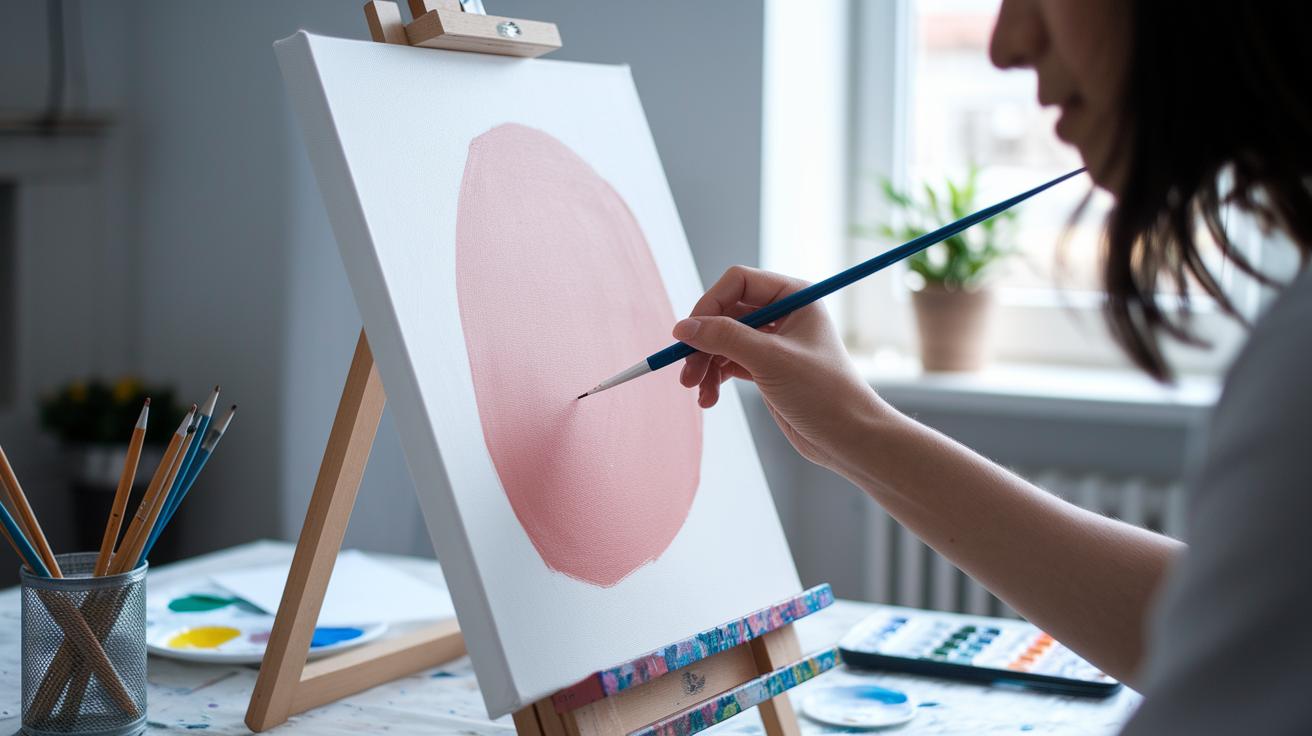
Creative activities can be a great way to steer your mind away from worry. Imagine sitting down with a canvas and some paints, letting your brush dance across the surface as you slowly let go of your stress. Even simple coloring books with detailed designs can help calm your racing thoughts. One person even said they lost track of their worries as they filled in each vibrant color.
Listening to soft sounds can also help soothe your mind. Think about some gentle piano music or the sound of rustling leaves. Taking just a few minutes to listen can help reset your mood. You might even build a small playlist that moves from quiet melodies to nature sounds.
Another idea is trying tapping techniques. Tapping for anxiety can give you a physical sense of grounding by gently pressing on certain points on your body. You can learn more about it at tapping for anxiety.
Here are a few simple ideas for using creativity to ease stress:
| Activity | How It Helps |
|---|---|
| Painting or sketching | Keeps your mind busy and focused |
| Listening to guided soundscapes | Offers a gentle space for relaxation |
| Enjoying musical relaxation sessions | Nurtures a sense of inner calm |
Each of these activities turns anxious moments into an opportunity for creative expression and calm.
Planning a Personalized Anxiety Management Blueprint

Create a daily routine that blends several simple techniques to help soothe your anxiety. Start by jotting down little habits that bring you comfort, like taking a few deep breaths, doing some gentle stretches, or even sketching and listening to soft music. This approach turns your routine into a personal roadmap for feeling better.
Design a daily schedule that makes space for these calming methods. Writing down your plan in a simple journal can be really helpful. When you see your ideas on paper, sticking to them feels much easier, even on busy or challenging days.
Here are some steps to get you started:
- Write out three different ways to reduce stress at various times during the day.
- Carve out a few minutes for mindfulness or a quick burst of movement.
- Plan to touch base with a friend or a trusted mentor regularly to build a supportive network.
Putting these strategies together creates a strong, personalized defense against anxiety. You might also explore local wellness groups or community health resources for extra ideas and support. This plan helps remind you that you’re in charge, offering gentle nudges to stay calm even when your thoughts start to race.
Before you settle in for the night, take a moment to note what worked well and what might need a little tweaking tomorrow. This honest self-check keeps your plan fresh and truly effective.
Final Words
In the action, the post served as a practical guide to easing anxiety naturally. It covered everything from breath work and mindfulness to movement, nutrition, and self-care rituals. Each section offers clear, natural methods to help calm your mind and restore balance. Combining these wellness tips for anxiety management with a steady routine can boost your mood and quiet worries. Keep experimenting with these strategies, and embrace the positive impact they can have on your everyday life.
FAQ
How can I reduce anxiety immediately?
The strategies to reduce anxiety immediately involve deep, controlled breathing, sensory grounding exercises, and a moment of mindful focus. These methods help shift your attention away from anxious thoughts and bring calm quickly.
How do I stop anxiety thoughts?
The approach to stop anxiety thoughts centers on redirecting your focus using mindfulness and grounding techniques. These help interrupt the cycle of worry by gently guiding your mind back to the present.
How can I deal with anxiety when I’m alone?
The way to deal with anxiety when alone is to engage in calming activities like mindful breathing, simple stretches, or a favorite hobby. These practices help soothe your mind and ease feelings of isolation.
What are some natural anxiety management techniques?
The natural anxiety management techniques include mindful breathing, progressive muscle relaxation, light physical activity, and basic meditation routines. These practices work together to reduce stress and restore balance.
Are there anxiety management strategies available in PDF format?
The anxiety management strategies PDF typically outlines natural self-care tips and step-by-step exercises, similar to those in this guide, making it a handy reference for on-the-go practice.
What are five effective methods to deal with anxiety?
The five effective methods include deep breathing exercises, gentle movement like yoga, mindfulness meditation, cognitive reframing, and engaging creative or sensory activities to redirect focus.
What is an example of a wellness strategy to help manage anxiety?
The wellness strategy example for managing anxiety is a simple mindfulness meditation practice where you focus on the breath. This helps ground your thoughts and calm the nervous system during stressful moments.
What is the 3-3-3 rule for managing anxiety?
The 3-3-3 rule means naming three things you see, three things you hear, and three things you feel. This grounding technique helps shift focus from anxiety to the present moment.
What is the 5-5-5 rule for anxiety?
The 5-5-5 rule involves identifying five things you see, five things you hear, and five things you feel. This practice offers a structured distraction that calms the mind during anxious situations.