
Have you ever wondered if you can lower your blood pressure without relying entirely on medicine? Natural health tips suggest that simple everyday habits, like eating a balanced diet, staying active, and even using herbal remedies, can give your heart a helping hand. Many people are changing their daily routines to gently ease blood pressure while depending less on drugs. In this article, you'll learn how small shifts, such as choosing foods rich in potassium, enjoying a calming cup of herbal tea, and using simple stress-relief techniques, can come together to support a naturally healthy heart.
Natural Treatment Alternatives for Hypertension with Medicine-Free Approaches

Natural medicine for high blood pressure is all about using everyday changes to boost heart health and overall well-being. Instead of leaning on medicines, it encourages simple habits like eating a balanced diet and keeping active. Many people, especially older adults, have found that tweaking daily routines can help lower blood pressure, and sometimes, even cut out the need for certain drugs.
The approach focuses on a few key areas: enjoying a heart-healthy diet, moving your body regularly, managing stress, using herbal remedies, and adding nutritional supplements. For example, reducing salt and adding foods rich in potassium works well with a light jog or a few yoga stretches. Herbal teas and whole-food supplements can also give your body a natural lift, while simple stress relief methods like deep breathing or meditation help calm your daily pressures.
Keeping an eye on your progress is important too. Using a home blood pressure monitor lets you see changes up close, catching things like “white coat syndrome” where your doctor’s visit might raise your numbers. And chatting with a healthcare professional ensures that these natural methods are safe and fit well with any other treatments you’re using.
Dietary Plans for Lowering Pressure Naturally
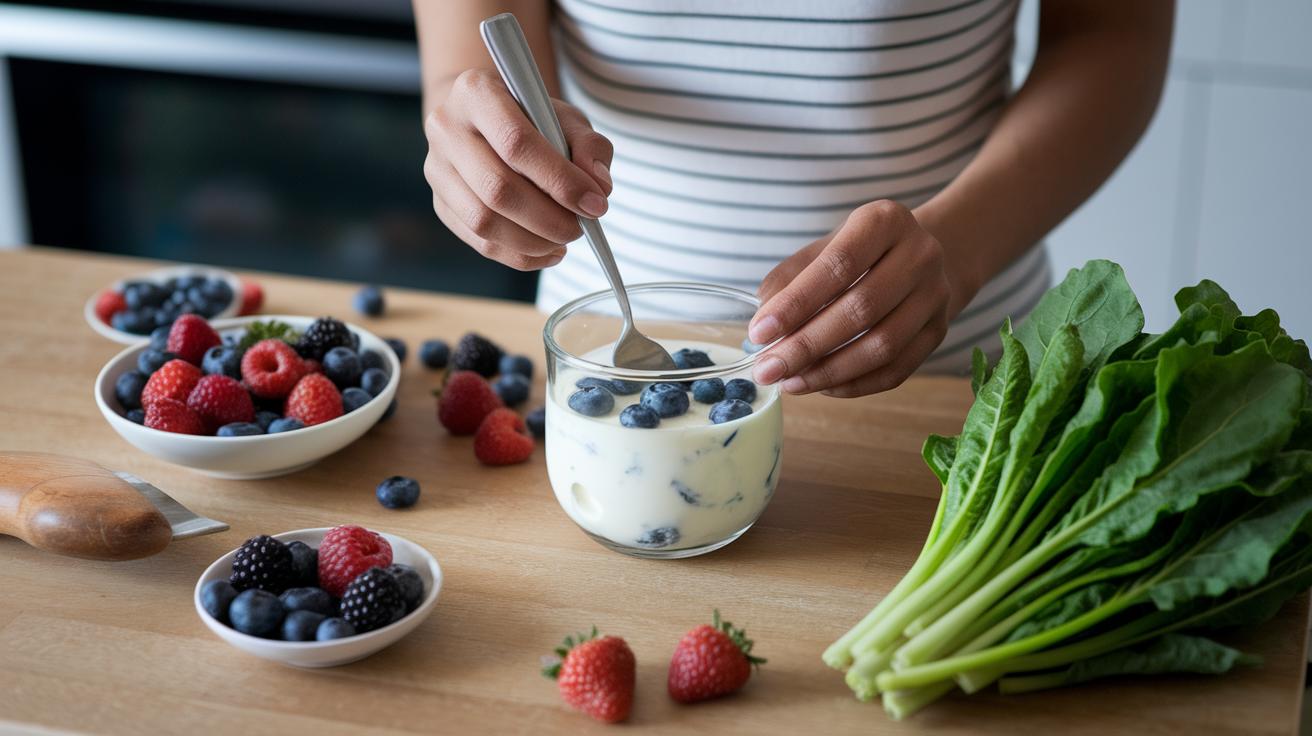
Eating a balanced diet can help keep your sodium and potassium levels just right. Lowering your sodium intake to less than 2,300 mg each day, and even less if you have high blood pressure, combined with extra potassium can help your blood vessels relax. Foods like fruits, vegetables, and yogurt are rich in potassium and can support healthy blood pressure. In fact, a study from the University of South Australia shows that a daily serving of yogurt may help manage high blood pressure.
| Food | Primary Benefit | Suggested Serving |
|---|---|---|
| Berries | Antioxidants (polyphenols) | 1 cup/day |
| Leafy greens | High in potassium and magnesium | 2 cups/day |
| Yogurt | Probiotics and calcium | 6 oz/day |
| Beetroot juice | Nitrates for better blood flow | 8 oz/day |
| Hibiscus tea | Anthocyanins and polyphenols | 2 cups/day |
Planning meals on a budget is totally doable. You can choose affordable, nutritious options and even take advantage of help programs like SNAP available in many communities. These resources can lower your food costs while you stick to low-sodium recipes and DASH diet ideas. With a balanced diet chart to guide you on sodium limits and meal ideas, you can mix nutritional know-how with easy recipes to keep your heart health on track and your pressure balanced.
Herbal Solutions for Elevated Blood Pressure
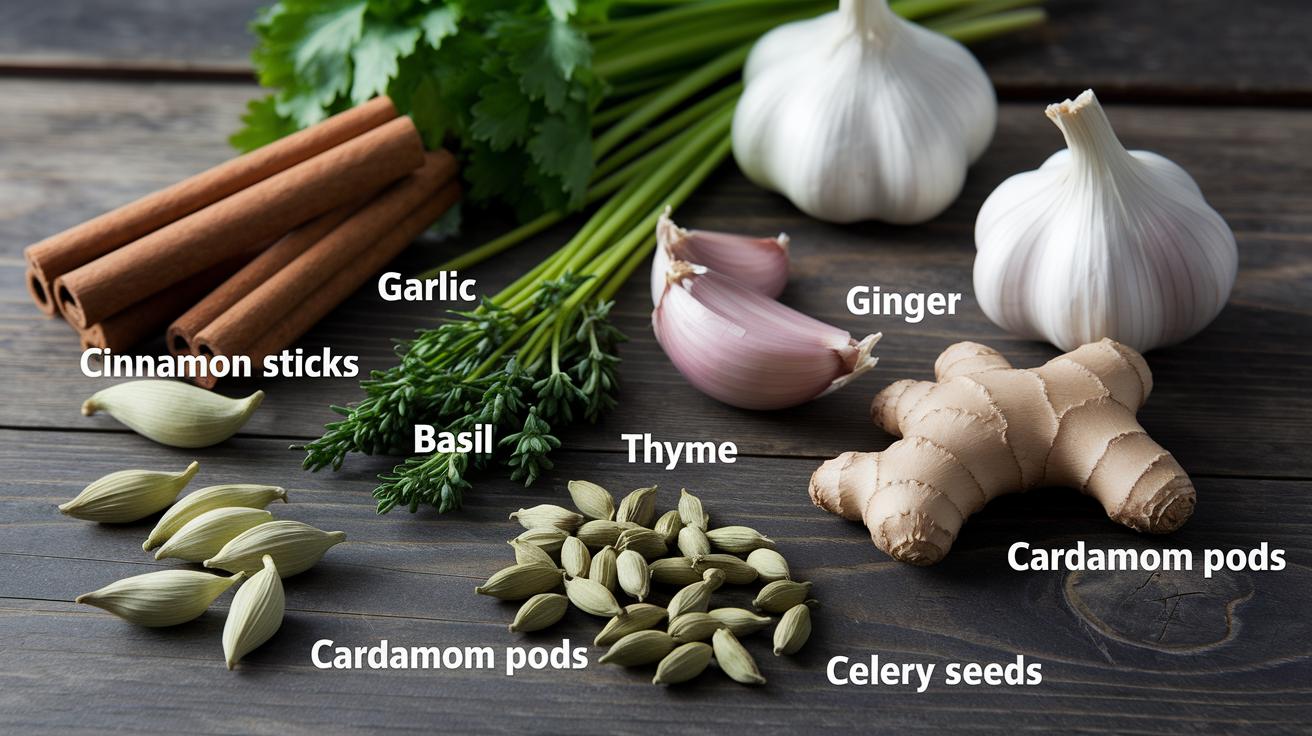
Herbal solutions offer a natural way to help keep your blood pressure in check. These plants contain special compounds that support your heart and improve blood flow. Many cultures have used these herbs for years, and while they work more slowly than some medicines, they can help maintain healthy blood pressure when paired with a good lifestyle.
Below is an easy-to-read guide listing ten herbs and spices, the key ingredient in each, and how much to use every day:
| Herb or Spice | Active Ingredient | Daily Amount |
|---|---|---|
| Cinnamon | Cinnamaldehyde | 1 tsp cinnamon powder |
| Celery Seeds | Phthalides | 1/2 tsp ground seeds |
| Cardamom | Terpenes | 1/2 tsp ground cardamom |
| Garlic | Allicin | 1 clove raw garlic |
| Basil | Heart-healthy essential oils | 1 tsp dried or a small handful of fresh leaves |
| Parsley | Vitamin C and dietary carotenoids | 1/4 cup fresh chopped parsley |
| Thyme | Rosmarinic acid | 1 tsp dried thyme |
| Ginger | Gingerol | 1/2 tsp fresh grated ginger |
| Chinese Cat’s Claw | Beneficial alkaloids | Approximately 250 mg extract |
| Bacopa Monnieri | Bacosides | 300 mg supplement |
Herbal remedies usually work gradually. It’s a good idea to chat with a healthcare professional before starting any new herb so you avoid possible interactions. For more detailed info on these herbs, check out the page at medicine herbs.
Organic Supplements and Natural Prescriptions for Pressure Management
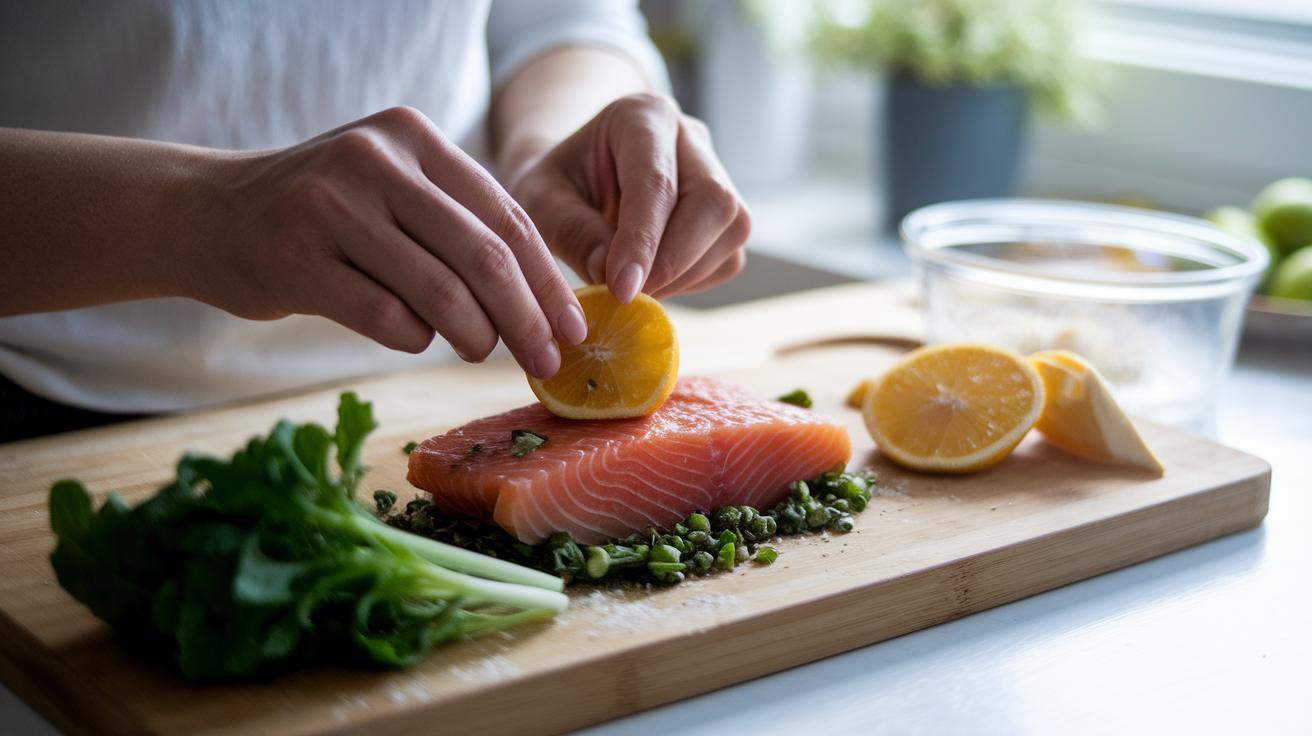
Whole foods pack a natural mix of nutrients that work together to support a healthy blood flow. When you eat foods like yogurt, leafy greens, nuts, and fish, you get minerals such as calcium, magnesium (a mineral that helps relax blood vessels), and potassium in a natural way. This means you also benefit from other helpful compounds that work to balance your blood pressure. Unlike many supplements, whole foods come with built-in safety since they’re naturally regulated.
Have you ever noticed that food often provides better results? For example, magnesium found in food is typically absorbed more easily than when it’s taken in pill form. Eating meals rich in nutrients not only gives you vitamins like D and omega-3 fatty acids but also spares you the unpredictable effects of synthetic supplements.
Some key supplements include omega-3 fatty acids from fish oil, often taken at about 1,000 mg daily, and magnesium, which helps relax blood vessels, usually around 300 mg per day. Vitamin D is also important for keeping blood pressure in check, especially when your levels are low. Foods rich in probiotics can further support healthy circulation. It’s always a good idea to chat with a healthcare professional before making any changes to your supplement routine to ensure they’re a safe fit for your pressure management plan.
Lifestyle and Stress Management Techniques for Circulatory Balance

Regular exercise and ways to lower stress are key to keeping your blood pressure in check. When you move your body, not only do your muscles get stronger, but your arteries also become more flexible. Lower stress helps ease the chemicals that make your blood vessels tighten. Using a home blood pressure cuff can show you how small changes add up over time.
Mindfulness Practices for Circulatory Balance
Mindfulness is a great way to calm your mind while giving your circulatory system a boost. Try a guided meditation to stay in the moment, this little focus can ease the tension in your body and mind. Progressive muscle relaxation works by tightening and then relaxing different muscle groups, helping your body reset. Deep, slow breathing exercises, like mindful breathing for relaxation (https://worthykaws.com?p=1149), can slow your heart rate and lower pressure by reducing stress hormones. Even a few minutes of quiet thought every day can lead to noticeable benefits.
Natural Exercise Benefits in Hypertension Care
Adding natural exercise to your routine can really help manage high blood pressure. Try fitting in a 30-minute session of moderate activity, like a brisk walk or a ride on your bike, five days a week. Mixing in some strength training a couple of times a week and practicing yoga can further improve your arterial flexibility and overall circulation. Simple activities for stress relief (https://worthykaws.com?p=1129) can also keep you on track, so you enjoy better moods and heart health over time.
Monitoring, Safety Precautions, and Integrating Care for Natural Hypertension Relief

Talk with your doctor to safely add natural ways to help control your blood pressure. Research shows that testing how supplements and medicines work together can stop unwanted problems. For example, one patient saw a sudden drop in blood pressure after mixing herbal tea with a prescribed drug without checking first.
Today’s smart tools, like blood pressure cuffs that link to your smartphone, give you live updates. They record your readings and can alert you if there’s a big change. Imagine using a cuff that connects to an app to watch your blood pressure trends every day, like watching a little video of your heart in action. If anything seems off, be sure to share it with your doctor so they can adjust your plan.
Final Words
In the action, this guide walked through natural treatment alternatives for hypertension, from balanced diets and herbal solutions to lifestyle shifts and organic supplements.
The sections underscored the need for regular monitoring and professional advice while blending expert tips into everyday routines.
By embracing natural medicine for high blood pressure, you’re taking a clear step toward a more vibrant and well-supported way of living.
FAQ
How can I bring my BP down quickly?
The question about reducing high blood pressure quickly points to using deep breathing, light exercise, and hydration as temporary measures. These tactics may help in the short term, but long-term balanced lifestyle changes are key.
What drink reduces blood pressure?
The answer to what drink lowers pressure suggests that herbal options like hibiscus tea can support healthy pressure levels when included in a balanced diet, thanks to its natural antioxidants.
Is ginger good for high blood pressure?
The question of whether ginger benefits high blood pressure indicates that ginger may help support circulation due to its anti-inflammatory properties, though it should complement broader lifestyle changes.
How to prevent high blood pressure during pregnancy naturally?
The question on managing blood pressure during pregnancy naturally advises focusing on a heart-healthy diet, gentle exercise, and stress reduction techniques while consulting a healthcare provider before making changes.