
Ever think a short, brisk walk on a treadmill or a few minutes on a bike could really lift your energy? This simple workout is made to help your heart and give you a little boost throughout your day.
Using different machines not only makes your heart stronger but also helps your blood flow better. You might feel refreshed and full of energy after just a few minutes on each.
Keep reading to discover how a mix of easy cardio exercises can add a burst of vitality to your everyday routine.
Cardio Machine Workout Boosts Your Energy
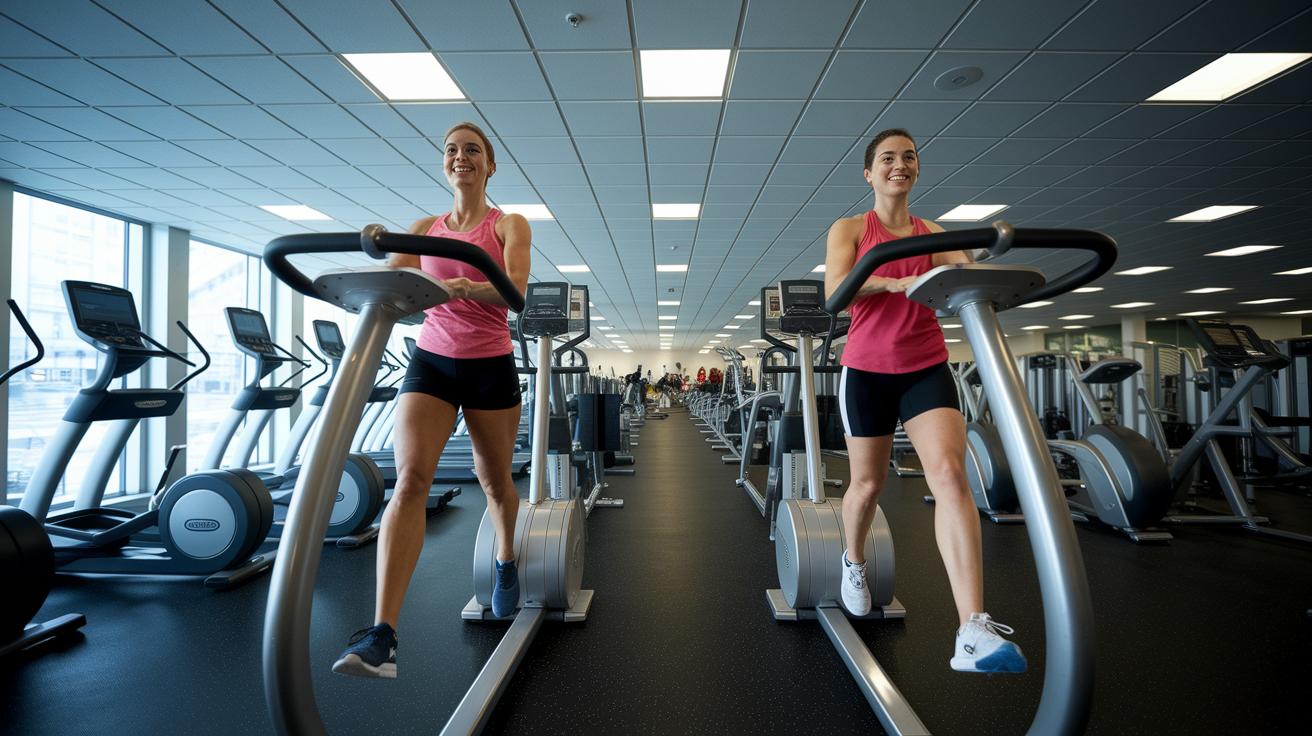
This workout plan is designed to help you feel more energetic while taking care of your heart. You can aim to do 150 minutes of moderate exercise or 75 minutes of vigorous exercise each week. With sessions lasting between 30 and 45 minutes spread over five days, you will help boost blood flow, strengthen your heart, and build endurance. Mixing activities like treadmill walking, rowing, and cycling not only gives you more energy but also lowers the chance of heart disease and other health issues.
| Day | Activity | Duration | Tips |
|---|---|---|---|
| Monday | Treadmill | 35 minutes | Keep a steady pace in Zone 2 to build endurance. |
| Tuesday | Elliptical | 40 minutes | Use brief bursts in Zone 4 for high-intensity intervals. |
| Wednesday | Stationary Bike | 30 minutes | Maintain a calm, steady pace in Zone 2. |
| Thursday | Rowing Machine | 45 minutes | Alternate between moderate and vigorous efforts in Zone 4. |
| Friday | Treadmill | 35 minutes | Mix a steady run in Zone 2 with short bursts into Zone 4. |
| Saturday | Elliptical | 40 minutes | Alternate between slow build-ups and quicker surges to keep your heart rate active. |
| Sunday | Stationary Bike | 30 minutes | Keep it light in Zone 2 to help your body recover actively. |
Remember to adjust the duration and intensity based on your current fitness level. You can track your progress by calculating your maximum heart rate (220 minus your age). Then, change the speed, incline, or resistance as you get fitter. Enjoy your workout and take it one step at a time!
Cardio Machine Workout Equipment Guide: Treadmill, Elliptical, Bike & Rower
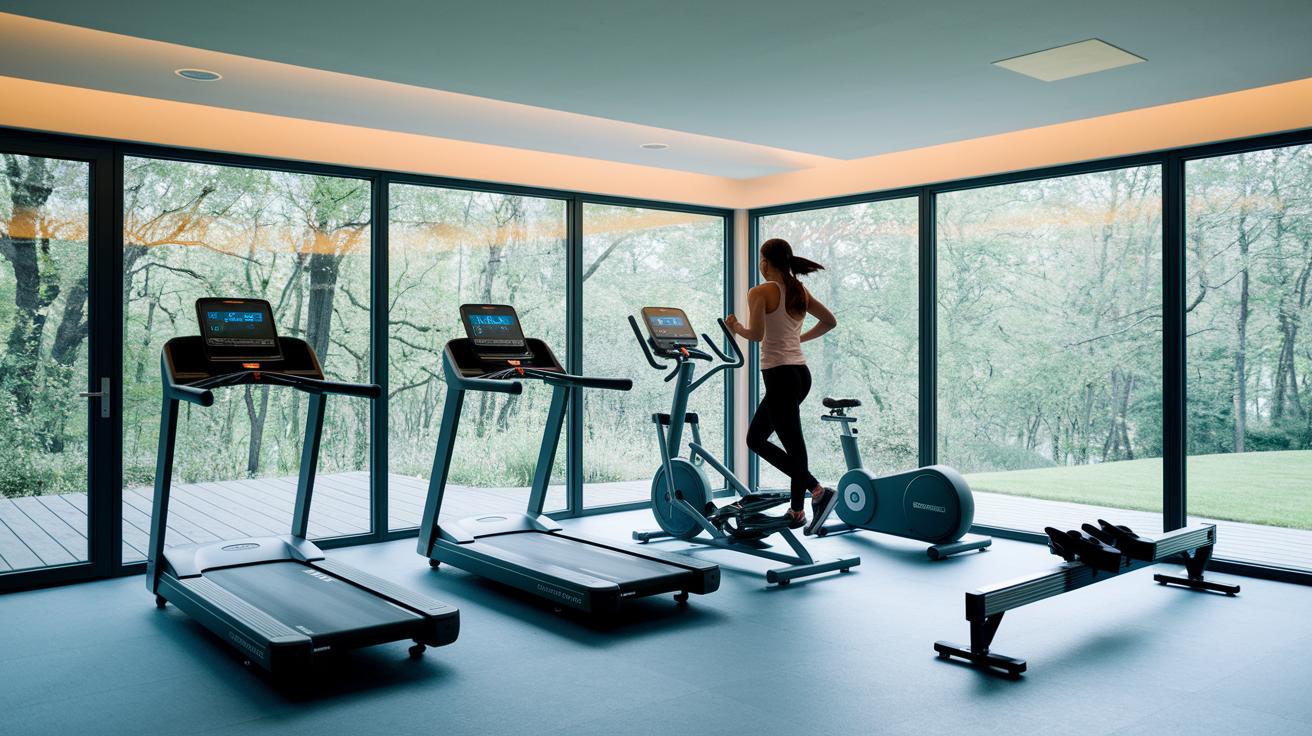
Picking the right equipment for your home workout comes down to your goal. Do you want to lose weight, build endurance, or protect your joints? Each machine has its perks, and knowing what they do can help you plan a mix of workouts at home.
Treadmill
Treadmills have a simple, beginner-friendly setup. You can easily change the speed and incline to match your workout. At a moderate pace, you might burn about 600 calories in an hour. Try mixing a brisk jog with short sprints to boost your endurance and burn more calories.
Elliptical
Ellipticals let you adjust the resistance and give you a smooth, low-impact workout. They work both your legs and arms while being gentle on your joints. With around 550 calories burned per hour, they’re a great choice if you want a full-body workout without stressing your knees or hips. A steady 45-minute session can help keep your heart rate steady.
Stationary Bike
Stationary bikes come in two styles: upright and recumbent. Upright bikes offer a tougher workout, while recumbent ones focus on comfort over longer rides. They typically burn about 500 calories per hour. Keep an eye on your RPM and power output to gradually challenge your body and boost your strength.
Rower
Rowers give you a full-body workout by engaging muscles in both the upper and lower body. The smooth, rowing motion can burn around 700 calories per hour. Whether you prefer high-intensity intervals or a steady pace, focus on your stroke technique and adjust the resistance to get the most out of your session.
| Machine Name | Avg. Calorie Burn (kcal/hr) | Impact Level | Best For |
|---|---|---|---|
| Treadmill | 600 | Moderate | Interval & steady runs |
| Elliptical | 550 | Low | Joint-friendly full-body workouts |
| Bike | 500 | Low | Lower-body strengthening |
| Rower | 700 | Moderate | Full-body endurance |
Integrating HIIT and LISS in Your Cardio Machine Workout

HIIT on Cardio Machines
HIIT means working hard for a short time and then taking a light break. Try this on a treadmill: run at your 5K pace for about 2 minutes, then slow down for 1 minute. You can even bump up the speed a little each round. This type of workout gets your heart pumping at 85–95% of its top rate and helps you burn calories fast. A quick 15–20 minute session is plenty if you keep an eye on your work and rest periods. Adjusting the incline, speed, or resistance makes the workout even more fun and challenging, building a calorie-burning boost long after you’re done.
LISS Circuits on Cardio Machines
LISS stands for Low-Intensity Steady State exercise. It’s all about keeping a smooth, steady pace for around 45 minutes at 55–65% of your maximum heart rate. Whether you’re on a treadmill, elliptical, or bike, you let your body work gently, burning fat without too much stress. This slower pace helps build your aerobic base and gives your body a chance to recover from tougher workouts. Mixing HIIT with LISS days not only ramps up fat burning and endurance, but it also keeps injuries at bay by balancing intensive work with lighter recovery sessions.
Heart Rate Monitoring Best Practices for Cardio Machine Workout
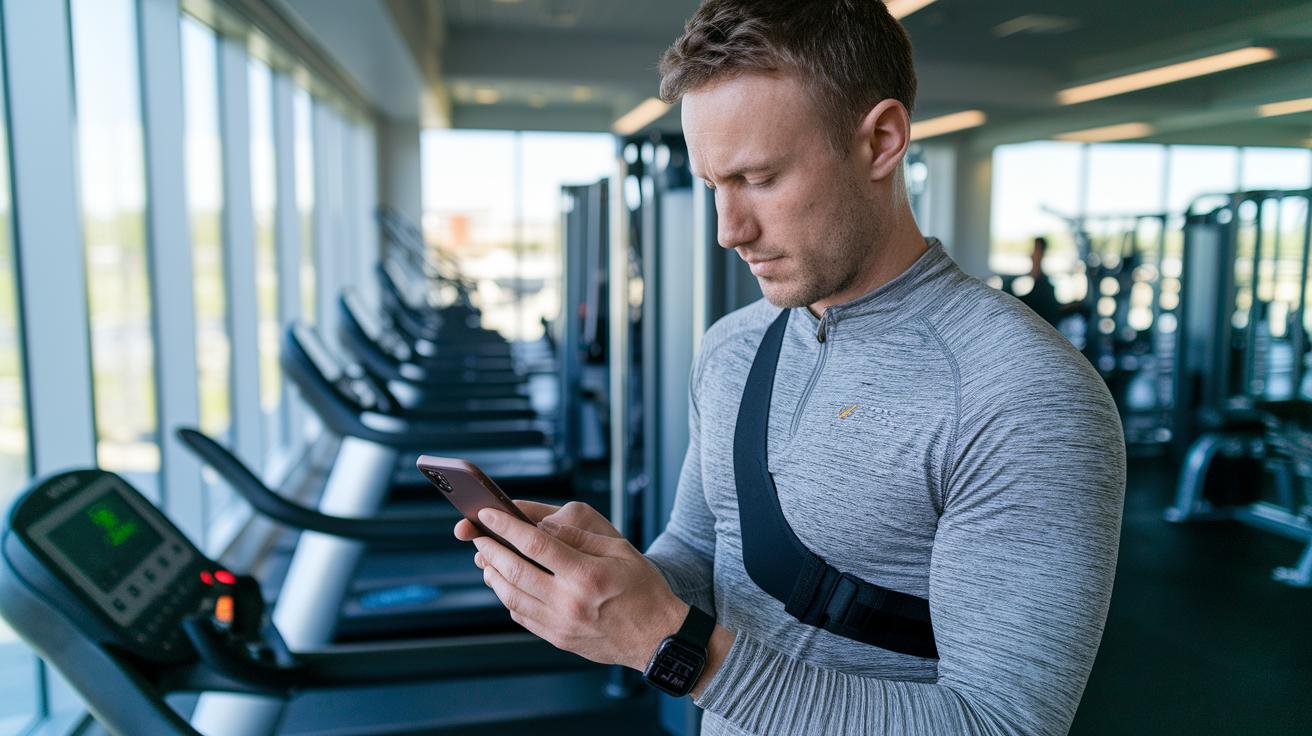
First, figure out your max heart rate by subtracting your age from 220. Then, mark your training zones. For a steady workout, stick with Zone 2, which is about 60 to 70 percent of your maximum heart rate. If you’re doing a high-intensity interval training session, aim for Zone 4, between 85 and 95 percent.
For the most accurate readings, try using a chest strap monitor. It helps you see exactly how hard you’re working so you can adjust your workout as needed.
Also, jot down your heart rate data over the weeks. Tracking your progress, like noticing a lower resting heart rate, can be a great sign that your training is paying off.
Cardio Machine Workout Safety Tips and Equipment Maintenance

Begin your workout with a light warm-up that lasts about 5 to 10 minutes. Picture gently moving your arms and legs, like a dancer slowly coming to life. This helps your heart and muscles get ready for exercise. After your workout, spend another 5 to 10 minutes cooling down with a slow walk or some easy stretches. This simple practice helps your body recover and lowers the chance of injury.
Keep an upright posture by sitting tall, with a relaxed back and a soft bend in your elbows and knees. Avoid locking your joints to prevent extra strain. Before you start exercising, take a moment to check your machine. Look at the belts, make sure the tracks have enough lubrication, and confirm that the frame is stable. Wipe away any sweat right after your workout to stop corrosion and keep your equipment lasting longer.
If you use equipment like ellipticals or bikes, know that they provide low-impact exercise that is gentle on your joints. This makes them a great choice whether you are recovering from an injury or simply wanting to take it easy.
Finally, remember to oil your machine every month and have it professionally checked once a year. For more ideas on cooling down and active recovery, check out the linked guide on active recovery for endurance training.
Advanced Cardio Machine Workout Interval Techniques

To boost your cardio sessions, try mixing in interval techniques that work both your endurance and strength. Each week, slowly raise your machine’s speed, incline, or resistance by about 5 to 10 percent. If you start with a comfortable pace, challenge yourself a bit more next week to keep your body adapting and building stamina.
You might also try a method called Tabata. This means sprinting for 20 seconds at full effort and then taking a quick 10-second break. Do this cycle eight times. Imagine pushing hard for those 20 seconds like you're racing a short dash, then taking a brief pause to catch your breath. This technique not only burns calories during the workout but also helps kick your metabolism into gear afterward.
Another fun way to step up your routine is with pyramid intervals. Begin with a pattern where you work for one part and rest for two parts. Then shift to equal work and rest, and finally, push yourself with two parts work for one part rest. You can use the machine’s built-in programs, like hill climb or fat-burn modes, to target different muscles. If you're looking for extra challenge, try mixing in a 3-minute rowing sprint with a set of squats or lunges. This combo gives you a full-body workout that improves heart health and builds muscle, making every minute count.
Cardio Machine Workout Recovery Strategies

After a hard cardio workout, give your body a chance to recover. Start by drinking water and having a snack rich in protein and carbs within 30 minutes. For example, you might enjoy a banana paired with a small handful of nuts.
If you feel like moving a bit later, try a gentle 30-minute ride on your bike or a light session on the elliptical. Aim to keep your heart rate around half of what it can be at its peak. This easy, low-impact workout helps boost blood flow and soothe muscle tightness, making it a great choice for those new to exercise.
After you’ve cooled down, take some time to use a foam roller and do slow, holding stretches. These simple moves not only improve flexibility but also help ease any muscle tightness and reduce soreness that might hit later.
Finally, make sure you get between 7 and 9 hours of good sleep each night. A proper rest helps your heart and muscles recover fully, so you’re all set for your next workout with renewed strength and energy.
Final Words
In the action, we explored a complete plan to boost your endurance using a cardio machine workout. We reviewed weekly session targets, mixed sessions, and heart-rate zones for HIIT and LISS. The guide highlighted equipment choices, from treadmills to ellipticals, and stressed safety tips, maintenance checks, and recovery strategies. Small adjustments can make a big difference when pursuing optimal health. Every session adds another step toward better well-being. Enjoy your workouts and keep progressing toward a healthier you.