
Have you ever noticed how one deep breath can do more than clear your thoughts? Mindfulness exercises like focusing on your breath or doing a quick body scan can ease anxiety and brighten your mood. People trying these simple practices say they feel a calm that almost seems magical. It’s not just about feeling relaxed, these techniques help manage stress and build up your inner strength. Today, we’re exploring how taking a moment for yourself can bring peace and clarity, setting you on the path to a healthier, happier mind.
Mindfulness Interventions Defined: Scope & Health Benefits

Mindfulness methods help people stay in the moment and ease their worries. They focus on paying attention to what is happening right now in a gentle, non-judgmental way. This approach lets you notice your feelings without being too hard on yourself. Research shows that taking time to reflect in this way can improve emotional control, lower anxiety, and cut down on depression.
Programs like Mindfulness-Based Stress Reduction (MBSR) usually run for 8 to 10 weeks. They involve group sessions where you try simple practices like body scans (a way to notice how your body feels) and mindful breathing. These exercises can lower stress and boost self-compassion. Imagine sitting quietly, slowly breathing in cycles, and feeling your mind calm down. If you're curious about easing anxiety further, you can explore more about stress management techniques for anxiety at this resource: stress management techniques for anxiety.
Mindfulness-Based Cognitive Therapy (MBCT) is another popular program. It offers eight weekly sessions that mix mindfulness with practical ways to handle negative thoughts. This program helps you catch those spiraling thoughts before they take hold, giving you a useful strategy to keep your mind clear.
In short, mindfulness practices do more than just quiet the mind, they help shift your attention from stress to a fuller self-awareness. Whether it's calming exercises to ease depression or focused breathing to manage anxiety, these methods create a balanced path to better mental well-being. Regular mindfulness practice can really make a lasting difference in your overall emotional health.
Evidence-Based Mindfulness Intervention Models
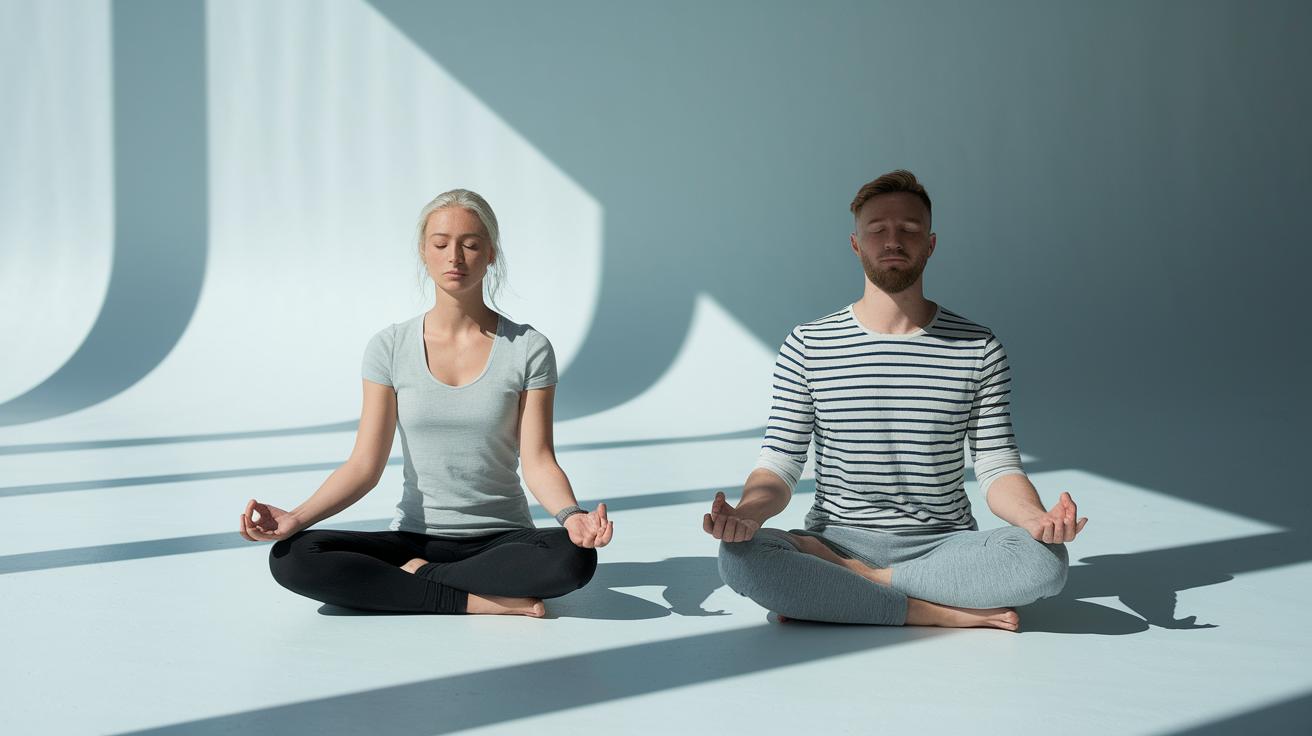
Validated mindfulness models give you a reliable way to lower stress and keep your emotions in check. These trusted methods are backed by research and offer clear steps to help you feel calmer and more aware each day. With structured sessions and clear goals, you can see real improvements like less stress and more self-kindness.
Mindfulness-Based Stress Reduction (MBSR)
MBSR is usually done in a group over 8 to 10 weeks. During each session, you practice simple techniques such as body scanning and mindful breathing. Research shows that people taking part in MBSR often feel less stressed and learn to be kinder to themselves. It’s a great pick if you’re looking to bring more calm into your everyday life.
Mindfulness-Based Cognitive Therapy (MBCT)
MBCT runs for eight weeks with groups of up to 12 people. It’s especially helpful for stopping a return of major depression. The program blends guided meditations with ways to change negative thinking. By following a set pattern, the group journey helps everyone work through each step toward clearer thinking and emotional balance.
Dialectical Behavior Therapy (DBT)
The DBT approach includes a special focus on mindfulness that builds skills like handling tough feelings, regulating emotions, and improving how you get along with others. Originally created to help people with borderline personality disorder, DBT shows you how to stay mindful even when things get really stressful. It helps you notice your feelings without harsh judgment, which can lead to better control during hard times.
Acceptance and Commitment Therapy (ACT)
ACT combines mindfulness with actions that match your values. This method has helped people dealing with issues like depression, anxiety, obsessive-compulsive behavior, and even aspects of addiction recovery. By encouraging you to take steps that feel true to who you are, ACT can make it easier to manage emotional ups and downs and build lasting well-being.
Mindfulness Interventions Spark Calm & Clarity
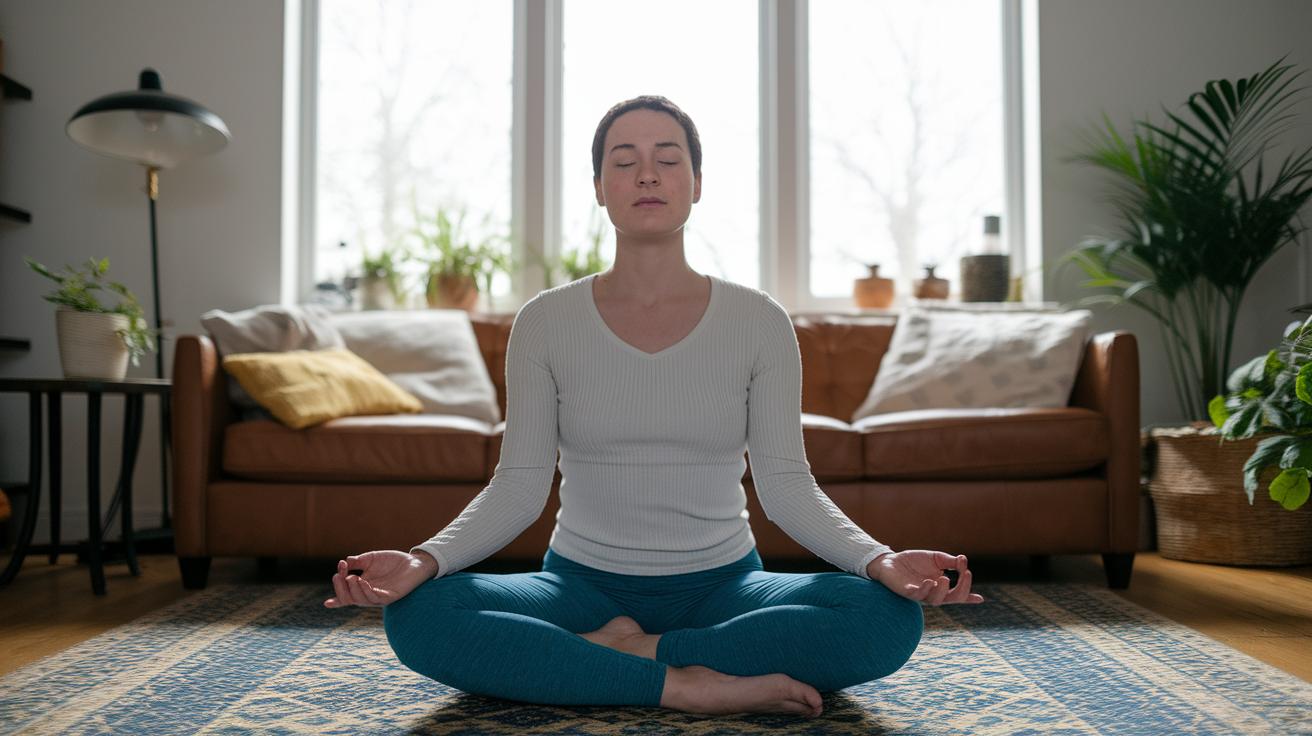
Take a break and clear your mind with these science-backed, easy-to-follow exercises. Each technique is designed to help you focus and release tension so you can better manage daily stress.
-
Mental Body Scan: Spend 10 to 20 minutes slowly paying attention to how your body feels. Start at your toes and work your way up, noticing gentle shifts in pressure or warmth. This helps relax your muscles and brings a deep sense of calm.
-
Mindful Breathing: Try a simple breathing practice where you breathe in for four counts and out for four counts. This steady rhythm helps slow your heart and quiet your busy thoughts. Research shows this practice can really lower stress.
-
Mental Noting: As thoughts pop up, give them simple names like “planning” or “judging.” Do this for a few minutes. It teaches you to notice your thoughts without getting caught up in them.
-
Thought Defusion: Imagine your thoughts as passing clouds instead of urgent facts that need a reaction. For about 5 to 10 minutes, watch your thoughts drift by. This practice can help you see them from a safe distance.
-
DBT “What” and “How” Skills: Mix techniques like observing, describing, and participating with a focus on being nonjudgmental and purposeful. Spend around 15 minutes practicing these skills. They are based on solid clinical research and are great for handling tough emotions.
-
Guided Imagery: Picture a calm place, maybe a quiet beach or a gentle forest, for 5 to 10 minutes. Let your mind wander through the details, like the soft sound of waves or the rustle of leaves. This sensory journey can bring a real sense of peace and clarity.
Implementing Mindfulness Interventions Across Settings

Mindfulness practices work well in many places as we adjust them to fit different needs. In offices, short daily exercises and dedicated mindfulness workshops give employees a quick break for their minds. For example, try adding little micro-breaks during the day to keep your focus sharp. These habits can easily become part of a regular work routine, and you might even look into extra stress relief ideas here: activities for stress relief.
Schools also benefit from mindfulness. Many add kid-friendly lessons and simple stress management tips to their daily routines. In classrooms, guided exercises help students feel calm and focused, making learning and social interactions smoother. Some schools even include brief sessions of mindful breathing or guided imagery to ease everyday pressures and boost overall well-being.
Digital tools make mindfulness easy to access too. Many online courses offer guided meditations, from a set of 10 on Udemy to a toolkit with over 500 science-based exercises. With a smartphone in hand, anyone can fit in a mindful moment during a break or as part of a daily wellness routine.
Group sessions provide extra support. Peer-led classes or guided group relaxation sessions help everyone unwind together. For example, a group session might involve a facilitator walking participants through a calming visualization that builds focus, reduces stress, and improves team communication. All this shows that mindfulness activities can be tailored for offices, schools, online platforms, or group settings, making stress relief and a balanced mood accessible to many people.
Personal Mindfulness Intervention Routines & Tips

Start your morning with a two-minute breathing exercise. Sit down, take a slow deep breath in, and then gently let it out. This small routine helps you wake up calmly. If you're curious about more calming tips, check out the link on deep breathing for anxiety.
Mid-day, pause for five minutes to do a body scan or practice guided imagery. Sit comfortably, and slowly notice how each part of your body feels, or imagine a peaceful beach or soft forest. This simple break helps clear your mind during a busy day.
Before tackling big tasks, take a quick three-minute mental noting break. As thoughts pop into your mind, label them with a word like "planning" or "worrying" and then let them go. This way, you can focus better on what really matters.
When you need a fast reset, try a one-minute sensory check. With the 5-4-3-2-1 method, find five things you can see, four you can touch, three you can hear, two you can smell, and one you can taste. It’s a fun way to ground yourself anytime.
- Set reminders so you don’t forget these little breaks.
- Pick a quiet spot where you won’t be disturbed.
- Write down your progress daily so you can adjust your routine to fit your schedule.
These simple steps can help make mindfulness a natural part of your everyday life.
Final Words
In the action, this guide walked through clear definitions, models, and practical tips to use mindfulness interventions in everyday routines. It outlined how to get started with meditative practices, track progress with daily exercises, and adapt techniques to various life settings. Bite-sized instructions make it easier to manage stress, boost calm, and protect personal data. Each section offers a friendly, research-backed approach, helping you put effective mindfulness interventions into practice and feel better each day.
FAQ
What are some examples of mindfulness interventions?
Mindfulness interventions include practices like mindful breathing, a mental body scan, guided imagery, and structured therapy modules that help you stay present and reduce stress during daily life.
What is a mindfulness interventions PDF?
A mindfulness interventions PDF offers a step-by-step guide, research-based exercises, and clear instructions on how to engage in practices like mindful breathing and body scans for improved well-being.
How do mindfulness-based interventions help with anxiety and depression, and can they also ease anxiety in specific situations?
Mindfulness-based interventions ease anxiety and depression by teaching you to focus on the present. They help slow racing thoughts, improve emotional balance, and reduce stress through simple, guided exercises.
What are mindfulness exercises?
Mindfulness exercises are practical techniques such as mindful breathing, body scans, and guided imagery that help you stay in the moment, reduce stress, and increase self-awareness throughout your day.
What is the first step in implementing mindfulness interventions into clinical practice?
The first step in clinical practice is to assess client needs and train staff in foundational mindfulness techniques, setting clear guidelines for safely integrating these practices into treatment plans.
What is mindfulness therapy?
Mindfulness therapy is a treatment approach that teaches clients to observe their thoughts and emotions without judgment. It uses techniques like breathing and body scans to reduce stress and improve self-compassion.
What are some mindfulness activities for students?
Mindfulness activities for students include quick breathing exercises, short body scans, and guided imagery. These activities can improve focus, calm nerves, and help manage school-related stress.
What are the 5 C’s of mindfulness?
The 5 C’s of mindfulness refer to clarity, curiosity, calm, concentration, and compassion. They help you gently observe your thoughts and feelings in a nonjudgmental way while staying grounded in the present.
What are five ways to practice mindfulness?
Five ways to practice mindfulness are engaging in mindful breathing, performing a body scan, trying guided imagery, using mental noting, and practicing thought defusion to help center your awareness.
What are the 5 R’s of mindfulness?
The 5 R’s of mindfulness include Recognize (notice your feelings), Reflect (consider them calmly), Release (let go of judgments), Relax (ease tensions), and Respond (choose mindful actions).
What are the 4 P’s of mindfulness?
The 4 P’s of mindfulness are Pause, Present, Personal, and Purposeful. They remind you to stop briefly, focus on the moment, be true to yourself, and act with clear and mindful intent.