
Ever wondered if your heart is working hard enough during your cardio session? Knowing your best heart rate can really change your workout. Your pulse shows if you're burning calories and building stamina at the right pace.
This guide explains the simple math behind your max heart rate and points out the beats-per-minute range that keeps your heart safe while still giving you a good workout challenge. Ready to learn how to make every beat count during your next session?
What is a good heart rate for cardio workout!
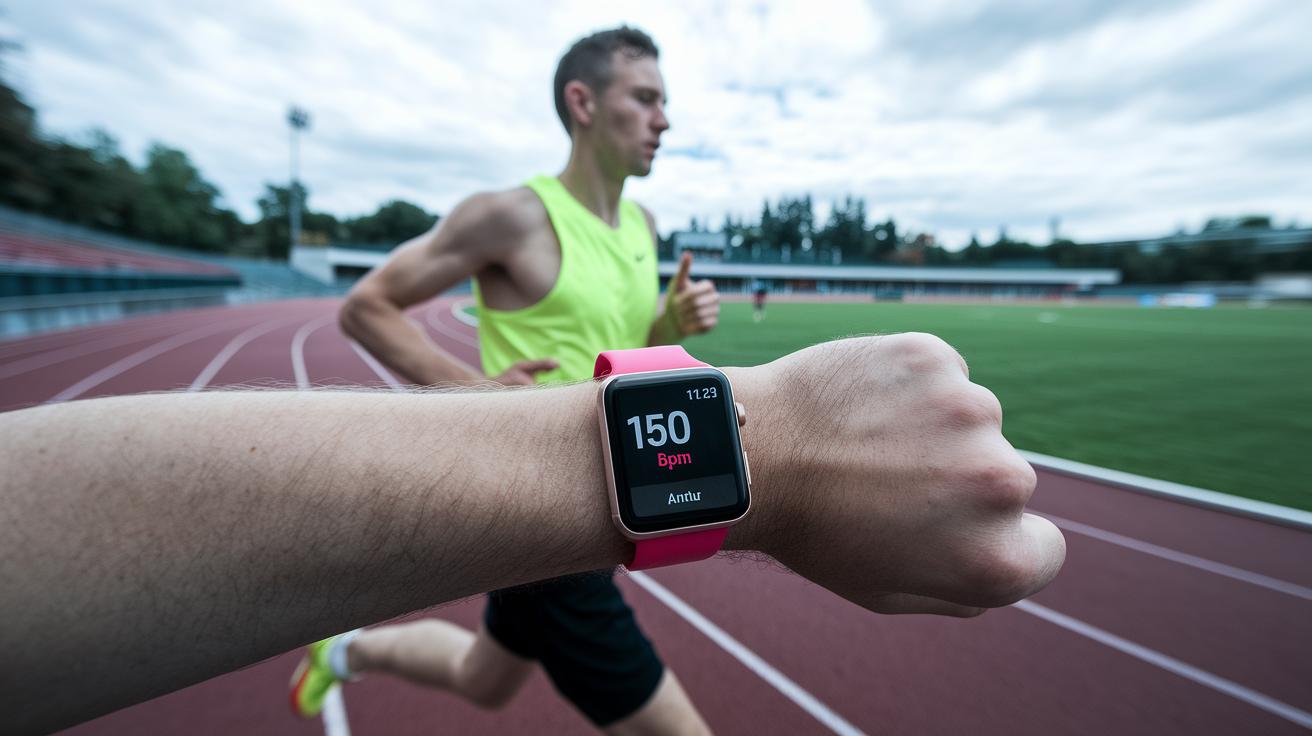
Your target heart rate helps you know how hard your body is working when you exercise. It starts with your maximum heart rate, which is simply 220 minus your age. So if you’re 40, your maximum would be roughly 180 beats per minute.
Health experts suggest that for a moderate workout, your heart should beat between 50% and 85% of that max. For our 40-year-old example, that means aiming for 90 to 153 beats per minute. If you’re doing high-intensity interval training (HIIT), you’ll be working between 85% and 95% of your maximum, or about 153 to 171 beats per minute.
There are usually five heart rate zones. The lowest zone is great for warming up or cooling down, while the highest is used during quick, intense bursts. These ranges help you see if your body is mainly burning fat or switching to carbohydrates and proteins for energy.
Before starting your cardio, keep this in mind: even small changes in your pace might shift you from a light warm-up into a zone where you burn more calories. Also, remember that factors like your fitness level, age, or current health can affect your ideal rate, so it’s always smart to get advice tailored to you.
Calculating Maximum and Target Heart Rates for Cardio Training

Your top heart rate is roughly 220 minus your age. This number shows the safe limit for your workout. For a good balance, try to keep your heart rate between 50% and 85% of that max. When you’re cranking it up in a tough session, your heart rate could go from 85% to 95% of your max.
To figure out your own pace, try this simple pulse check. Place your index and middle fingers on your wrist (or on your neck, over the carotid artery). Count the beats for 10 seconds, then multiply by 6. This gives you your beats per minute. It’s a handy trick whether you’re warming up for a relaxed jog or gearing up for an intense bike ride.
Key Factors Influencing Your Cardio Workout Heart Rate
Your heart rate during a workout isn’t just about the exercise you do. It also depends on personal factors. For example, your age plays a big role. People in different age groups naturally see different resting heart rates. A seasoned athlete might have a resting pulse of 65, while someone who is new to exercise might clock in around 80.
Your fitness level matters as well. As your heart gets stronger, your resting and active heart rates tend to drop. This means that over time, the numbers you target during a workout might be lower. Think of it like slowly filling a glass with water, the pace can change as the level rises.
Other factors such as existing health conditions and medications like beta-blockers (medicines that help lower your heart rate by blocking adrenaline) also affect your pulse. These details help set safe workout limits and remind you to keep your overall health in mind when planning your routine.
- Age can naturally lower your maximum heart rate.
- Improved fitness brings lower resting and exercise heart rates.
- Health conditions and medicines change how your heart beats during exercise.
By keeping an eye on these factors and adjusting your workout when needed, you can better tune your exercise intensity to what your body truly needs.
Effective Techniques for Monitoring Heart Rate During Cardio

Keeping an eye on your pulse during a workout is a simple way to make sure you’re not overdoing it. One easy method is to check your pulse manually. Just put your index and middle fingers on your wrist near your thumb, count the beats for 10 seconds, and multiply by 6. Believe it or not, even top athletes use this straightforward trick to keep their performance just right.
A chest-strap heart rate monitor gives you very accurate readings because it picks up your heart's electrical signals almost instantly. This option is great if you like pushing yourself during hard exercises. If you prefer something more user-friendly, a wrist-based fitness tracker offers constant feedback and is perfect for activities like jogging or cycling.
Real-time heart rate data can help you decide when to work harder or take it a little easier. You can quickly adjust your pace to stay in your target zone and keep your workout safe and effective.
- Manual pulse checks: Best for quick and simple readings
- Chest-strap monitors: Most precise for intense sessions
- Wrist-based trackers: Ideal for easy, everyday tracking
Adjusting Cardio Workouts Based on Your Heart Rate Feedback
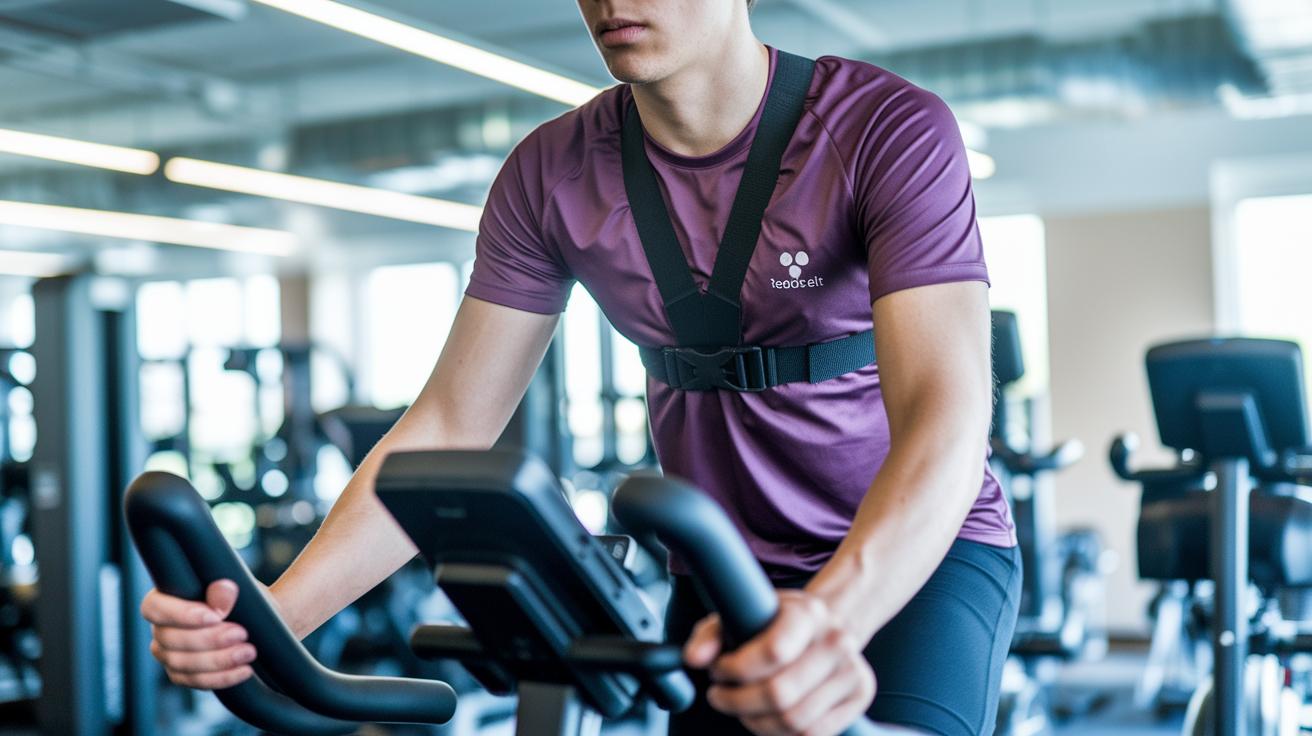
When you exercise, keeping an eye on your heart rate is super important to get the best out of your workout. You can reach your target zone by mixing up your pace and resistance based on how you feel. For example, if you're walking or jogging, adjust your speed so your beats per minute stay in a comfortable, moderate range. And if your heart rate climbs too high, simply slow down or ease off the resistance for a bit. I remember when I was biking, I would switch between quick bursts and slower, steady pedaling, this helped my heart rate rise and fall just right, keeping my workout safe and effective.
If you're doing a high-intensity session, you might want to try HIIT, which stands for high-intensity interval training (think of it as short, hard efforts mixed with recovery time). Even weight training can give you a similar effect. Your heart rate might peak briefly, say, around 70% of your maximum, before naturally falling back.
Don't forget to include some active recovery, like a slow walk or gentle cycling, for a minute or two after your hard efforts. These short breaks let your heart catch its breath so you're ready to go again. There are plenty of handy guidelines out there with tips on how to keep your heart rate in check while using pulse zones to plan your workouts.
- Mix up your pace and resistance
- Alternate between intense bursts and gentle recovery periods
- Stay tuned to your heart rate feedback to remain within your target zones
Safety Guidelines and Precautions for High-Intensity Cardio Pulse

When you’re diving into high-intensity workouts, it’s crucial to keep your heart rate in check. For normal cardio sessions, try to maintain your pulse between 50% and 85% of your maximum heart rate. If you decide to push into higher intervals, say between 85% and 95%, keep those bursts short so you don’t put too much strain on your heart.
Before starting any intense workout, fill out a Physical Activity Readiness Questionnaire to make sure your body is ready. If you have any heart issues or are taking heart medications, get the green light from your doctor first. Always listen to your body, if you feel dizzy, experience chest pain, or get extremely short of breath, take a break.
- Fill out the PAR-Q before you start exercising
- Check with your doctor if you have heart-related concerns
- Stay alert for signs like dizziness, chest pain, or extreme shortness of breath
Take time to warm up gradually before your workout and cool down afterward so your heart can adjust smoothly. Keeping a close watch on your pulse not only helps boost your fitness but also protects your heart during those intense sessions.
Final Words
In the action, we broke down how to set up a safe and effective cardio routine by calculating your maximum and target heart rates. We explained which heart rate ranges fit different workout intensities and shared tips for using monitors and adjusting your effort. We also touched on the factors that shape these zones and why safety precautions matter. Keep experimenting with what is a good heart rate for cardio workout, and remember that every small change can lead to a healthier, more energetic you.
FAQ
What happens if your heart rate is too high during exercise?
A heart rate that is too high means your heart is working beyond safe limits. This can lead to dizziness, chest discomfort, or intense shortness of breath. It’s best to slow down and get checked if it continues.
What are the normal heart rate ranges by age and for activities like walking?
Normal heart rates change with age and activity. Resting heart rates usually range between 60 and 100 bpm, while walking shows lower rates. Age-based charts can help guide safe exercise zones.
How do I use a target heart rate calculator for my cardio workouts?
A target heart rate calculator estimates safe exercise zones by subtracting your age from 220 and using percentages. This helps you work within moderate or high-intensity ranges while keeping your heart safe.
Is a heart rate of 170 or 150 high during a workout, and can I hit my maximum heart rate?
A heart rate of 170 can be near or beyond safe limits for many, while 150 is often within a moderate zone. Reaching your maximum heart rate briefly is acceptable, but prolonged reaching should be avoided.
What is a high heart rate for a woman while exercising?
For women, a high exercise heart rate is determined similarly as for men using age-related formulas. Exceeding 85–95% of your max heart rate during intense efforts may be risky and should be managed carefully.