
Ever have one of those days where finding a quiet minute seems impossible? Simple mindfulness can help clear your mind and ease those nagging worries. Imagine taking just ten minutes for a guided meditation and feeling your stress slowly fade away. Even a short session can lower stress levels and bring balance back into your day. In this post, you'll find five easy tips that show how a bit of daily mindfulness can lift your mood and help you face life's everyday pressures.
wellness tips for mindfulness practice: Uplift Your Day

Every day, try to spend 10 quiet minutes just for yourself. Set a timer so you know when your time is up, and use guided meditations like a body scan or the 3-Minute Breathing Space to get started. Even a short practice of 10 to 20 minutes can help lower stress hormones and make you feel more balanced.
You might also try a method from DBT (a simple therapy that teaches how to reach a calm, clear state) to help manage your thoughts. Keeping a small journal to track your feelings and progress can turn each quiet moment into a step toward understanding yourself better.
Here are five easy tips to guide your routine:
| Tip | What to Do |
|---|---|
| 1 | Choose a quiet spot and set a timer for 10 minutes daily. |
| 2 | Start with guided meditations like a body scan or the 3-Minute Breathing Space. |
| 3 | Keep a journal to write down your feelings and any changes you notice. |
| 4 | Try DBT-inspired mindfulness to help your mind settle into calm clarity. |
| 5 | Mix in easy stress management tips for busy days to lower anxiety. |
Regular practice can create a little calm center in your day and help with everyday stress and negative feelings. Taking these simple steps makes mindfulness a natural part of your life, clearing your mind, boosting focus, and helping you face challenges with a steady, balanced outlook.
Daily meditation routines to anchor mindfulness practice

Every day, a simple meditation practice can bring your mind and body into balance. In the morning, try a 10-minute body scan where you notice gentle physical sensations, imagine feeling the soft warmth of sunlight on your skin. Around noon, a quick 5-minute walk outside lets you pause, refresh, and refocus. In the evening, spend 15 minutes with guided imagery; picture a peaceful forest or a calm beach to clear your mind and invite serenity. And if worries keep you awake at night, a brief 3-Minute Breathing Space with slow inhales, pauses, and exhales can soften the stress. You might also check out meditation for anxiety when you need a little extra support.
| Routine | Duration |
|---|---|
| Morning Body Scan | 10 min |
| Midday Mindful Walking | 5 min |
| Evening Guided Imagery | 15 min |
| Pre-sleep 3-Minute Breathing Space | 3 min |
These straightforward routines help make mindfulness a daily habit, easing stress and gently nurturing the connection between your body and mind.
Breath awareness exercises as wellness tips for mindfulness practice
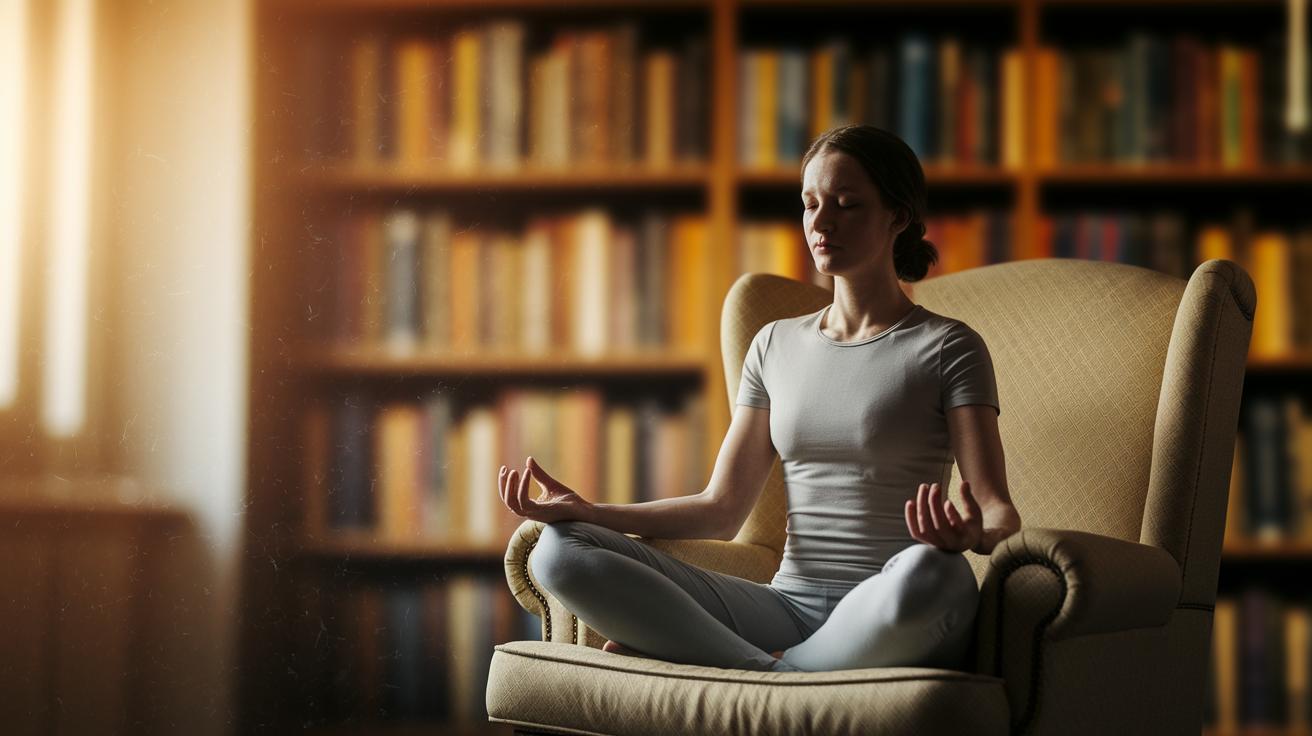
Breath awareness exercises are a simple way to bring calmness to your mind. When you really focus on the soft rise and fall of your chest, you create a little pocket of peace that pushes away cluttered thoughts. It’s a great starting point for those new to mindfulness. If you’re curious about the basics, check out mindful breathing techniques for beginners. With a little practice every day, you might find your stress fading and a gentle balance taking over your day.
Here are three simple exercises to try right now:
- 4-7-8 Breathing: Breathe in slowly for 4 seconds, hold your breath for 7 seconds, then exhale gently for 8 seconds to help you relax deeply.
- Box Breathing: Inhale for 4 seconds, pause at the top for 4 seconds, exhale for 4 seconds, and wait another 4 seconds.
- Alternate Nostril Breathing: Breathe in through one nostril, then let it out through the other, and repeat this pattern for about 5 cycles to even out your breathing.
Integrating mindfulness practice into everyday wellness

Bringing mindfulness into your daily life can be fun and simple. You might try a mindful eating break at each meal, spend five minutes really noticing the taste and texture of your food. Start your morning by putting your phone aside to clear your mind, and do the same before bed to help wind down. In between these moments, take a brief three-minute pause to listen to the sounds around you, be it the rustling of leaves or the everyday hum of life. These little habits help you remain present without having to set aside special time for mindfulness.
Taking a short break in nature is another easy way to invite calm into your day. Step outside for a brisk five-minute walk and enjoy the simple beauty of your surroundings. After your walk, try jotting down two or three thoughts about what you experienced. Also, remember to check in with your body by adjusting your posture a couple of times each day. This small act can help you feel more comfortable both physically and mentally as you navigate your day.
Leveraging guided relaxation for deeper mindfulness practice
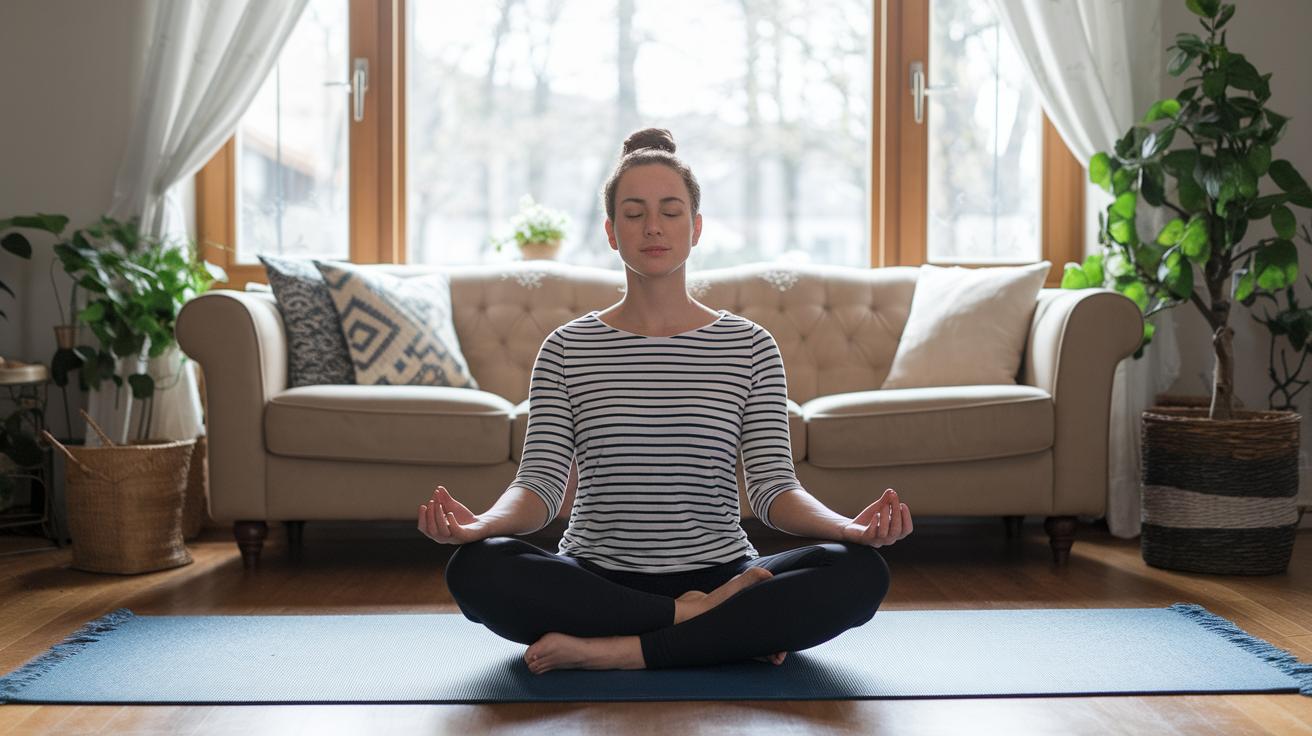
Guided relaxation helps you unwind and brings calm to both your mind and body. One simple method is Progressive Muscle Relaxation. In this process, you relax different muscle groups one at a time, like giving each part of your body a little break.
Another approach is the Guided Body Scan. With this method, you listen to an audio that gently takes you from head to toe over 10 to 20 minutes. You might also enjoy Meditative Visualization, where you picture a soft light or a calm nature scene for about 12 minutes, making you feel closer to your surroundings.
A calming soundscape playlist is another great option. Imagine the soothing sound of falling rain or the soft rustling of leaves in a forest; it can quickly help shift your mind from stress to calm. Plus, many mobile apps now offer guided sessions that last between 5 and 15 minutes, so you can find a moment of peace whenever you need it.
Mixing these techniques with mindful breathing makes them even more effective. After a session, take a moment to practice slow, deep breaths to help relax your nervous system. Curious about how to do mindful breathing? Check out this easy guide at https://worthykaws.com?p=1097. These sessions give you a simple plan to deepen your mindfulness and keep you feeling refreshed throughout your day.
Holistic self-care methods to reinforce mindfulness practice

Restorative Yoga is a kind way to help your body and mind unwind before or after a mindfulness session. Spend around 20 minutes in poses like Child's Pose or Legs-Up, feeling your muscles relax with each deep breath. You might even add a calming touch by using lavender essential oil. Picture a few drops on a cotton ball near your mat to set a peaceful vibe.
Taking a break from screens can really boost your well-being. Step outside for about 30 minutes, leaving your phone and computer behind. Enjoy the fresh air and natural sounds around you. This little escape gives your mind the space to breathe, making your mindfulness practice even more rewarding.
Having a healthy snack just before you settle into practice can be a nice energy boost. A handful of nuts or some fresh berries gives you steady energy, so your mind and body are ready for a deep, centered meditation. By mixing restorative yoga, aromatherapy, a digital break, and a light, nourishing snack, you create a balanced self-care routine that helps you fully enjoy the calming benefits of mindfulness.
Stress management through mindfulness practice wellness tips

Cognitive reframing helps you turn negative thoughts into kinder, more hopeful ones. When you feel stressed, pause for a moment, notice the feeling, and then gently remind yourself that you can handle it. Instead of thinking "I can't do this," try saying, "This is tough, but I have the strength to get through it." Many people once believed that stress was unavoidable, but reframing your thoughts shows that you can change the way you look at challenges.
This simple tool adds depth to your mindfulness practice by directly addressing negative thought patterns. Imagine it like slowly brightening a dim light, letting you see your situation in a new, positive way. When things feel overwhelming, speak these words to yourself: "This challenge is a chance to learn and grow." It’s a straightforward yet powerful way to shift your mindset and embrace a more balanced outlook.
Final Words
In the action, we explored key strategies to boost your mindfulness practice. We shared simple wellness tips for mindfulness practice, from setting daily meditation routines and practicing breath awareness to integrating calming self-care methods and effective stress management techniques.
These clear, step-by-step tips can help you build a routine that feels natural and supportive. Keep trying new approaches and enjoy the progress as calmness and clarity steadily become a part of your daily life.
FAQ
Frequently Asked Questions
What are mindfulness exercises and practice examples?
Mindfulness exercises include simple practices like focused breathing and guided meditations that bring your attention to the present moment while lowering stress and anchoring daily well-being.
How can mindfulness techniques help manage anxiety and support daily life?
Mindfulness techniques calm busy thoughts by encouraging focus on the here and now, assisting with anxiety relief and fostering a balanced, everyday state of calm.
What are the 5 basics or 5 R’s of mindfulness practice?
The 5 basics of mindfulness practice often highlight being aware, accepting your feelings, remaining present, gently redirecting your focus when distracted, and nurturing a kind attitude toward yourself.
What are 5 ways and the 3 C’s to practice mindfulness effectively?
Mindfulness can be practiced through daily meditation, mindful walking, reflective journaling, and using the 3 C’s—calm, clarity, and compassion—to guide your awareness and actions.
What are the 7 principles of mindfulness and how do they guide practice?
The 7 principles of mindfulness form a framework that promotes staying aware, accepting thoughts without judgment, and cultivating a gentle persistence that deepens your practice and personal growth.
How can I locate mindfulness exercises in PDF or guided resource formats?
PDFs and guided resources provide structured mindfulness routines with clear instructions, making it easier to follow practical exercises and track your progress in building daily mindfulness habits.