
Ever notice how your thoughts sometimes feel like a whirlwind? When anxiety creeps in, you can take small steps to invite calm back into your day. Try a little aerobic movement, like a quick walk where the fresh air fills your lungs, or pause to take a deep, deliberate breath. These simple actions can gently shift your focus from worry to a sense of peace. With each deep breath, you might feel your day grow a bit brighter and more balanced.
Proven Stress Management Techniques for Anxiety Relief
Research shows that working out with aerobic exercise twice a week can really help you manage stress. In a study with 185 college students over six weeks, those who embraced this regular exercise felt less stressed and anxious when facing uncertain times. This simple, energetic activity not only helps build physical strength but also clears your mind for easier, balanced thinking.
Cognitive Behavioral Therapy, or CBT, offers another proven way to ease anxiety. It works by urging you to spot and challenge the negative thoughts that fuel your worry. Think of it like switching the channel on a noisy radio. When your mind starts to spiral into anxious loops, ask yourself, "Is this thought really helping me?" Often, you’ll find a softer, more positive thought ready to take its place.
Simple self-care moves can support these techniques too. Setting clear boundaries at work, taking regular breaks, and cutting back on caffeine are small changes that can lower your stress. Imagine setting a timer for a quick five-minute pause to stretch or take some deep breaths. These little breaks help reset your mind and guide it toward calmness.
Eating a balanced diet is also important. Diets full of processed foods and extra sugars have been linked to higher stress levels. Swapping a sugary snack for a handful of nuts is like choosing a peaceful walk over a bustling street, it leaves you feeling more at ease.
For more ideas on stress management, check out Stress Management Strategies at https://fitandglossy.com?p=1141 for some extra tips and advice.
Deep Breathing Practices: Stress Management Techniques for Anxiety
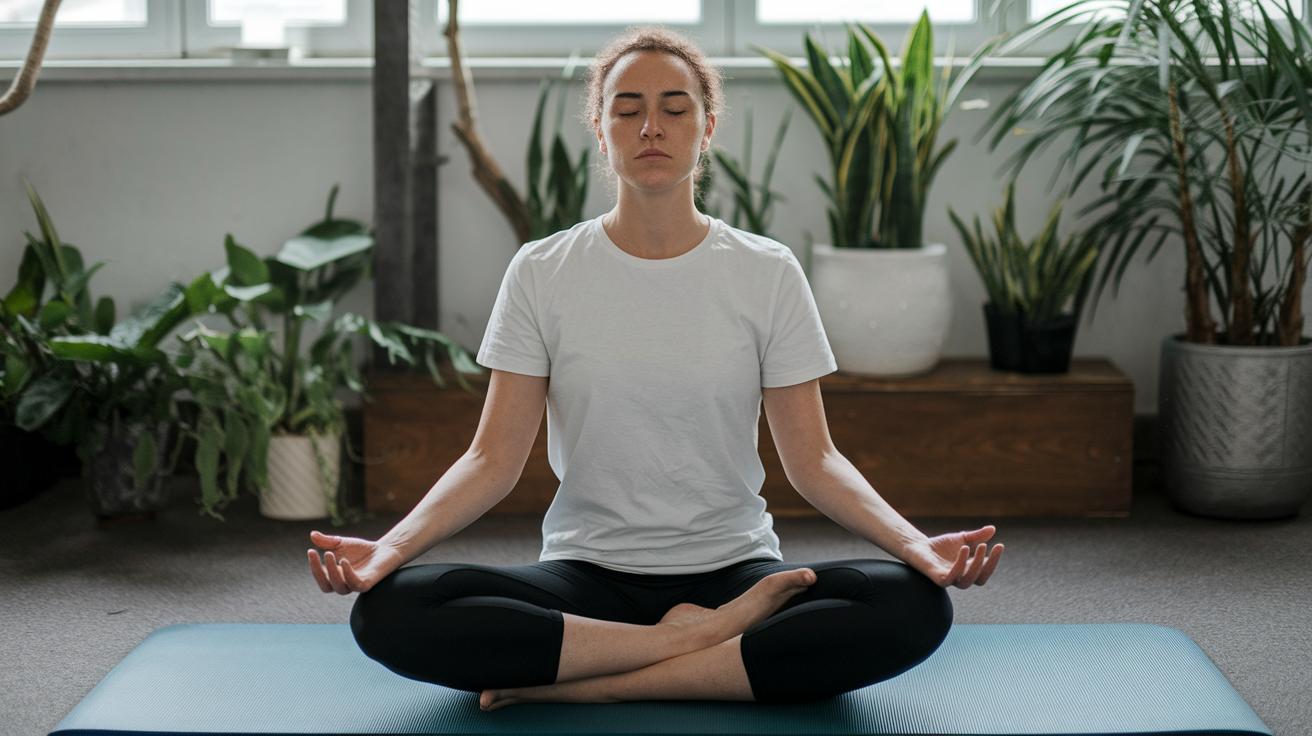
Box breathing is a simple way to calm your body really fast. Try breathing in slowly for 4 seconds, holding for 4 seconds, breathing out for 4 seconds, and then pausing for 4 seconds. This smooth rhythm helps slow your heart down and lowers your blood pressure. You might even say to yourself, "Breathe in calm, hold, gently release, pause," to keep your mind on track.
Diaphragmatic breathing is all about using your belly instead of your chest. Put one hand on your belly and feel how it rises and falls with each deep breath. Imagine filling up a balloon with air as you breathe. Studies show that just 5 minutes of these techniques can lower anxiety by almost 20%. Doing them every day builds up your strength and provides quick relief during stressful moments.
- Try box breathing during short breaks in your day.
- Use diaphragmatic breathing when you feel overwhelmed.
For a clear, step-by-step guide, check out Deep Breathing for Anxiety at https://siluk.net?p= and see how mindful, rhythmic breathing can bring you a sense of calm.
Mindfulness and Meditation: Stress Management Techniques to Ease Anxiety
Mindfulness-based cognitive therapy, or MBCT (a way our minds learn to handle stress), teamed up with daily guided meditation, can really help ease your anxious thoughts. Just 10 minutes a day of listening to a guided session over eight weeks can cut your anxiety by almost one third. Imagine settling into a peaceful spot, closing your eyes, and watching each breath flow like gentle waves along a quiet shore.
Guided meditation shifts your mind away from those nagging worries. When you try a session, maybe with a popular app like Headspace or Calm, your thoughts begin to settle just like soft sand on a calm beach. It makes those looping worries fade away and builds a kind of inner strength that helps you handle stress better. One person even said, "I felt as if a heavy weight was lifted after a simple guided meditation session."
Every time you practice mindfulness, you give yourself a little pause that can brighten your whole day. Here are some easy tips:
- Set aside the same quiet time each day for your meditation.
- Try out different guided techniques until you find what works best for you.
- Keep your meditation spot simple and free from distractions.
These habits do more than just calm your mind, they also help you manage your emotions better. For more tips on using meditation to calm anxiety, check out Anxiety Calming Techniques at https://fitandglossy.com?p=1152.
Progressive Muscle Relaxation and Guided Imagery: Stress Management Techniques for Anxiety Relief
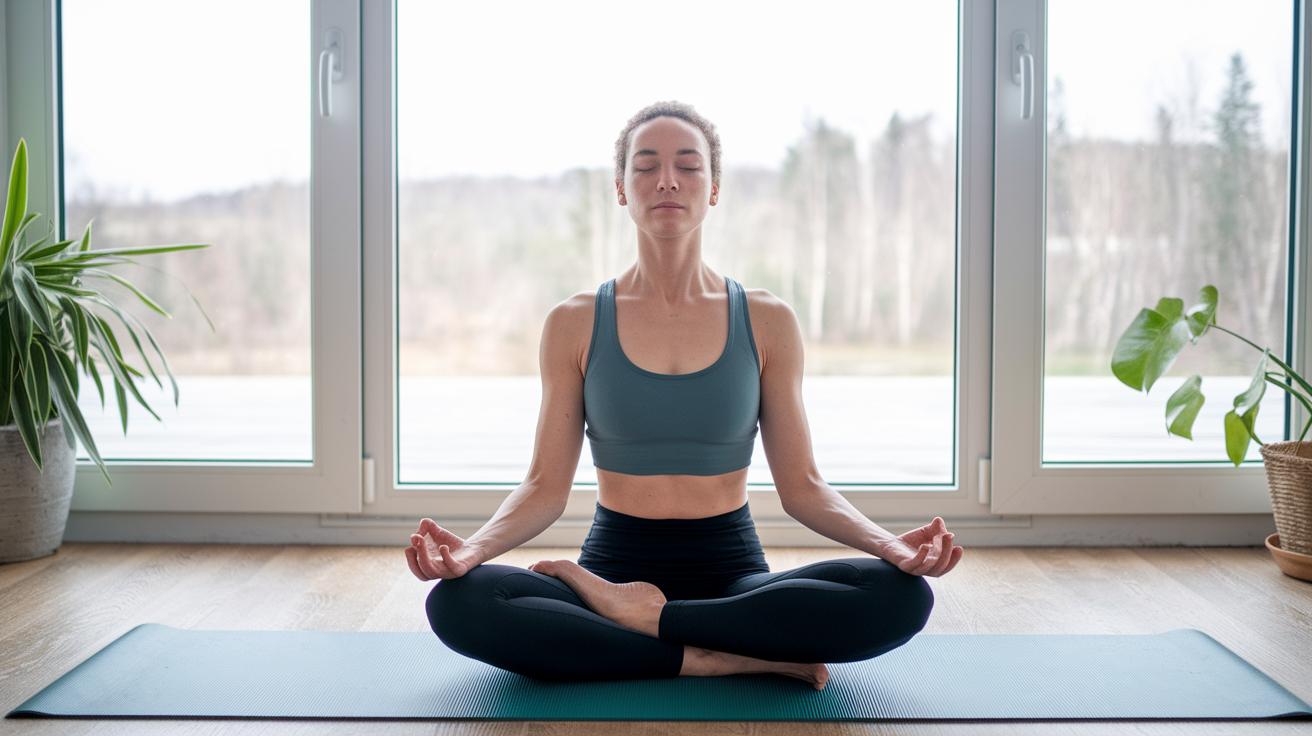
Progressive Muscle Relaxation (PMR) is a simple way to ease stress by working with your muscles. Start by finding a comfortable spot where you can sit or lie down. Begin with your feet, tighten the muscles for about 5 to 10 seconds, then slowly let go and feel the difference in tension.
Here’s an easy way to do PMR:
- Sit or lie down in a quiet space.
- Focus on one muscle group at a time, starting with your feet and moving upward.
- Hold the tightness for a few seconds, then relax slowly.
- Notice how each release makes you feel calmer.
Even just 15 minutes of PMR can lower anxiety by up to 30%.
Guided imagery works by helping you imagine a peaceful scene. Picture a gentle beach or a quiet forest where you can feel a soft breeze or hear distant waves. These calming images help shift your mind away from stress. A detailed, 20-minute guided imagery session can cut stress hormones like cortisol by about 15%.
Next time you need a break, try these methods to help your body and mind find a little peace.
Quick Calming Drills: Stress Management Techniques for Anxiety Under Pressure
When you feel anxiety hit suddenly, these quick calming drills can help you take back control. One easy method is the 4-7-8 breathing exercise. Breathe in slowly for 4 seconds, hold your breath for 7 seconds, and then let it out gently over 8 seconds. This steady rhythm tells your body to relax quickly, like shifting a car into a lower gear on a steep hill.
Another simple trick is splashing cold water on your face. A quick splash of cold water can feel like a reset for your mind. Imagine the cool splash on a hot day that instantly wakes you up and clears your thoughts.
You can also try a method called Emotional Freedom Technique tapping. While gently tapping on the acupressure points on your hands or face for about 30 seconds, your stress levels can drop noticeably. Studies suggest that this tapping can lower stress hormones by up to 24% in just half a minute. For more details on tapping, check out this link: Tapping for Anxiety.
- Try the 4-7-8 breathing exercise when stress hits fast.
- Splash cold water on your face to refresh your mind.
- Use gentle tapping on pressure points to lower stress quickly.
Lifestyle Modifications: Stress Management Techniques for Anxiety Control

Try going to bed at the same time every night and ditch your screens before sleep. Instead of scrolling on your phone, unwind with a quiet book or some soft music. These small changes can help you relax and lower your stress levels, letting you sleep better.
Also, consider adding foods rich in omega-3s, like salmon or walnuts, to your diet. They not only support steady anxiety management but also help your brain work better over time.
Building a Self-Care Routine: Stress Management Techniques for Anxiety Maintenance
Start by keeping a daily journal. Writing your thoughts down can help clear your mind and highlight the small wins. For example, you might note, "Today, my morning walk felt really peaceful," and let that thought bring you a sense of calm.
Be kind to yourself with simple affirmations. When stress hits, try saying, "I am enough today." This gentle reminder can ease harsh self-judgment, research even shows that self-compassion can cut self-criticism by about 40%. It’s a great way to foster balance during tough moments.
Take a few minutes to be outdoors. Even just 10 minutes in nature can help soothe your mind. Step outside when you’re feeling anxious, breathe deeply, and let the fresh air work its magic. A short pause for deep breaths can make a big difference throughout your day.
- Keep a daily journal for clarity.
- Use kind words to practice self-compassion.
- Spend time in nature to help ease anxiety.
Final Words
In the action, the article brought you reliable stress management techniques for anxiety. We explored physical exercise, cognitive behavioral strategies, and mindful self-care practices that pave the way for calm. Slow, deep breathing, progressive muscle relaxation, and quick calming drills offer practical relief. Lifestyle tweaks and journaling add steady support for long-term well-being.
Each tip builds on solid evidence to help you feel in control. Embrace these stress management techniques for anxiety and enjoy a brighter, calmer outlook.
FAQ
What are the five stress management techniques?
The five stress management techniques include regular exercise, deep breathing, mindfulness meditation, progressive muscle relaxation, and healthy lifestyle changes. These methods help lower anxiety and build daily resilience.
How can I relieve stress quickly?
The quick stress relief methods involve using deep breathing, cold-water face splashes, and pressure point tapping. These simple techniques shift your focus and calm your mind almost instantly.
What are 10 ways to cope with stress?
The ten ways to cope with stress are setting boundaries, exercising, journaling, practicing mindfulness, using deep breathing, eating well, getting enough sleep, showing self-compassion, doing muscle relaxation, and guided imagery.
How can a woman relieve stress effectively?
The methods for relieving stress in women focus on self-care practices like mindfulness, proper rest, supportive social connections, balanced nutrition, and personal time for activities that bring calm and joy.
How do I deal with extreme stress and anxiety and eliminate them?
The approach to extreme stress involves combining relaxation exercises, cognitive-behavioral strategies, deep breathing, lifestyle adjustments, and consistent self-care to gradually reduce anxiety and restore calm.
What is the 3-3-3 rule for anxiety?
The 3-3-3 rule for anxiety invites you to find three things to see, name three actions, and say three words out loud. This simple method shifts your focus and reduces anxious feelings.
What are the 5 R’s of stress management?
The 5 R’s of stress management are recognizing triggers, reducing stressors, reframing negative thoughts, relaxing with helpful techniques, and restoring balance through self-care practices.