
Have you ever thought that what you eat might help cuts and bruises heal a bit faster? When you add fresh, nutritious foods to your meals, you're giving your body what it needs to fix skin, muscles, and other tissues. A simple mix of lean proteins, fruits, veggies, dairy, and grains supplies the good stuff your cells use to rebuild. In this post, we’ll chat about how a careful diet can boost your immune system and help you bounce back sooner. Let’s take a closer look at how eating right can really make a difference in your healing journey.
Nutrition Essentials for a Wound Healing Diet
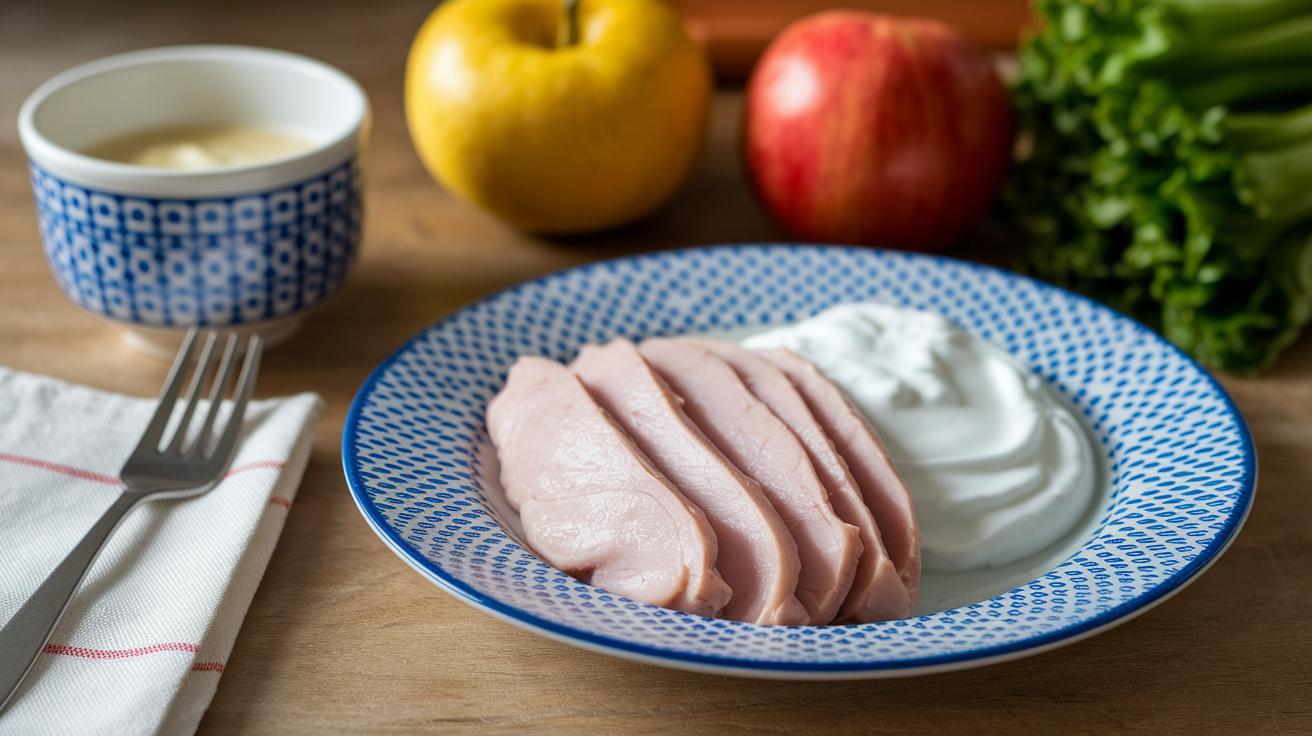
When you're healing from an injury, the right food can make a big difference. A balanced plate of lean proteins, fruits, veggies, dairy, and grains gives your body the nutrients it needs to repair cells and boost your immune system. For example, try adding a serving of lean turkey or a scoop of Greek yogurt to your meal.
Minor wounds might heal fast when kept clean, but deeper wounds, like pressure sores or diabetic foot ulcers, can take weeks or even months to mend. Your body needs extra energy and nutrients during these times. Eating two or three small servings of high-quality protein spread throughout the day helps build new tissue and repair damaged skin and muscles.
Along with protein, it’s important to fill up on foods rich in vitamin A, vitamin C, and zinc. These nutrients strengthen your immune system and help speed up collagen formation, which is important for healing. Think about adding dark leafy greens, citrus fruits, and nuts to your meals every day. Also, make sure you get enough calories, drink plenty of water, and keep your blood sugar in check.
Plan your meals with care each day. Consistency really helps your body heal and get stronger.
Protein Strategies in a Wound Healing Diet

Protein is key when it comes to mending skin, muscles, and tissues. Having two to three servings of quality protein foods throughout the day gives your body the building blocks it needs to repair itself. Think about starting your morning with an egg white omelet and a slice of whole-grain toast, simple, wholesome, and packed with protein. Whole grains not only add protein but also bring fiber, vitamins, minerals, and healthy fats to the table, all of which help your body heal.
Lean protein sources like chicken, fish, and lean beef provide the essential amino acids your body craves for recovery. Foods like dairy, eggs, beans, and even a small handful of nuts offer those same fundamental building blocks. And if you ever feel like you’re not getting enough from your meals, protein powders or collagen supplements can give you extra backup. There are even recipes designed by registered dietitians that guide you on how to portion your protein throughout the day, check out ideas like the balanced diet chart at https://siluk.net?p=219.
A few quick tips: try pairing lean chicken with quinoa in a bowl, or blend dairy with fruit to make a nutrient-rich power smoothie. These ideas not only support tissue repair but also keep your energy levels steady with vital nutrients. Experiment with different recipes to discover which combination makes you feel your best. Spreading your protein intake evenly during the day is a great way to boost healing, help your body repair faster, and reduce recovery time.
Vitamin-Rich Diet for Wound Healing
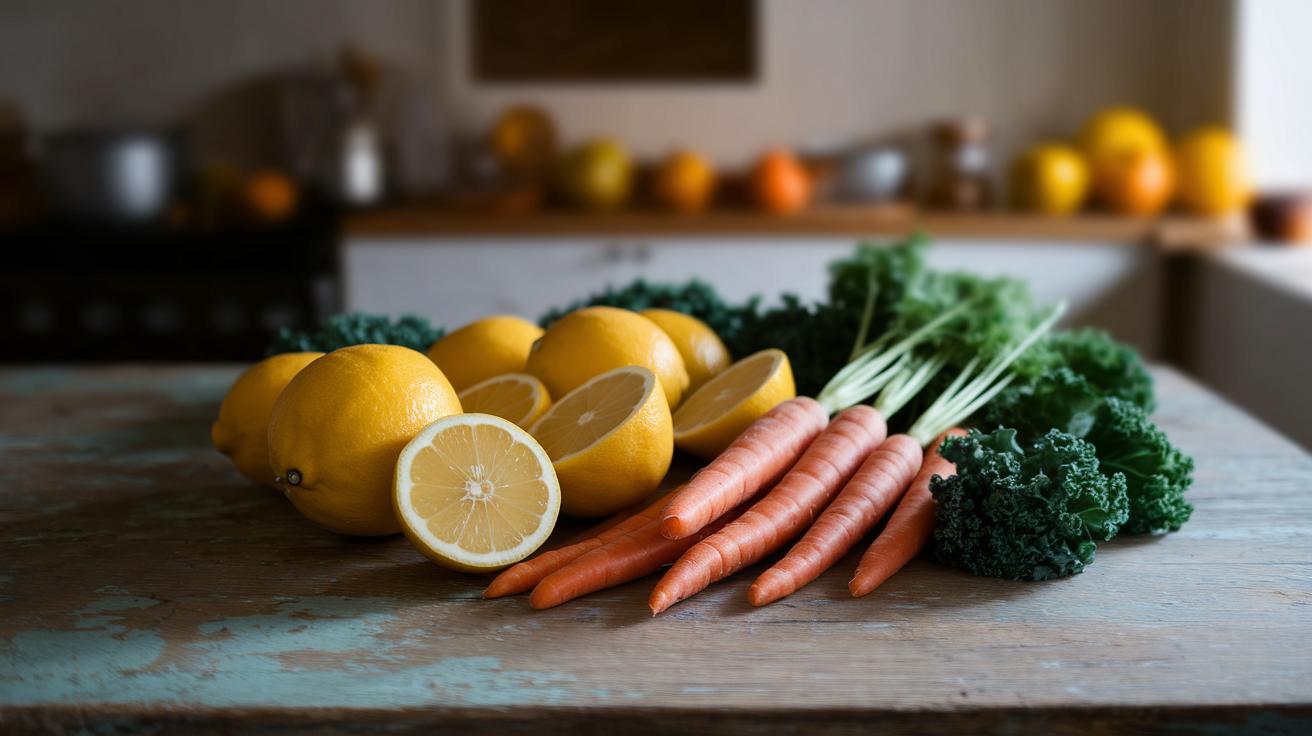
Eating foods full of vitamins really helps wounds heal. They boost collagen (a protein that supports skin strength) and strengthen your immune system. For example, vitamin C helps your body make collagen and keeps infections at bay. Ever noticed how a squeeze of lemon or a burst of orange flavor brightens your day? That same vitamin C works to speed up healing too. Without enough vitamin C, your body could take much longer to repair itself.
Vitamin A is another key player. It helps jump-start collagen production, so your skin can fix itself faster. Try adding sweet potatoes and carrots into your meals. They’re tasty and pack a healthy dose of vitamin A.
Vitamin K does its part as well. It helps with blood clotting and getting new tissue off the ground. Dark leafy greens like kale and collard greens are fantastic sources. Just one serving a day can make a real difference.
Here are a few ideas to mix it up:
- Enjoy a mixed berry bowl or a bright citrus salad.
- Add a side of steamed kale for a vitamin K boost.
- Munch on some carrot sticks to get your vitamin A fix.
These little tweaks to your diet not only add extra flavor to your meals but also give your body the tools it needs to heal faster and feel stronger.
Essential Minerals in a Wound Healing Diet
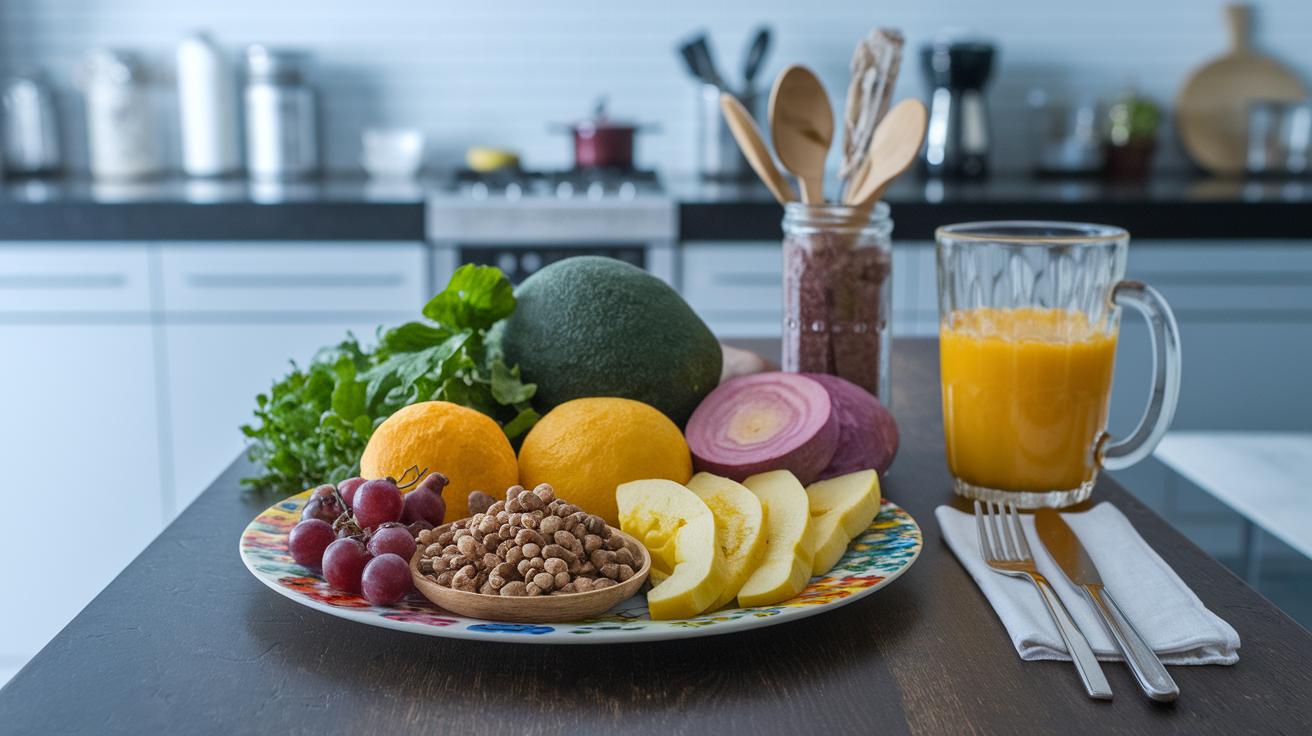
Zinc and iron work side by side to boost your immune system and help your body repair itself. Zinc is a small but powerful mineral that helps fight off germs and mends damaged cells. For example, adding a serving of zinc-rich foods like beans, nuts, or seeds to your daily meals can give your natural defenses a little extra kick. Iron helps by carrying oxygen in your blood, which is important for healing. You can find iron in foods like red meat, poultry, and spinach, which keep your cells energized and ready to fix themselves.
When planning meals, mix these options to keep your diet fresh and balanced. Here’s a simple list:
- Shellfish or lean red meat for both zinc and iron
- Poultry with a side of spinach
- Beans and nuts as snacks during the day
Don’t forget about trace minerals like copper and selenium. They lend extra support by boosting your body’s natural antioxidant defenses and helping with tissue repair. Try to enjoy at least one serving of zinc- and iron-rich foods with every meal. This habit makes it easy to cover your mineral needs and sets a strong base for faster, healthier wound healing.
Antioxidants and Anti-Inflammatory Foods in a Wound Healing Diet
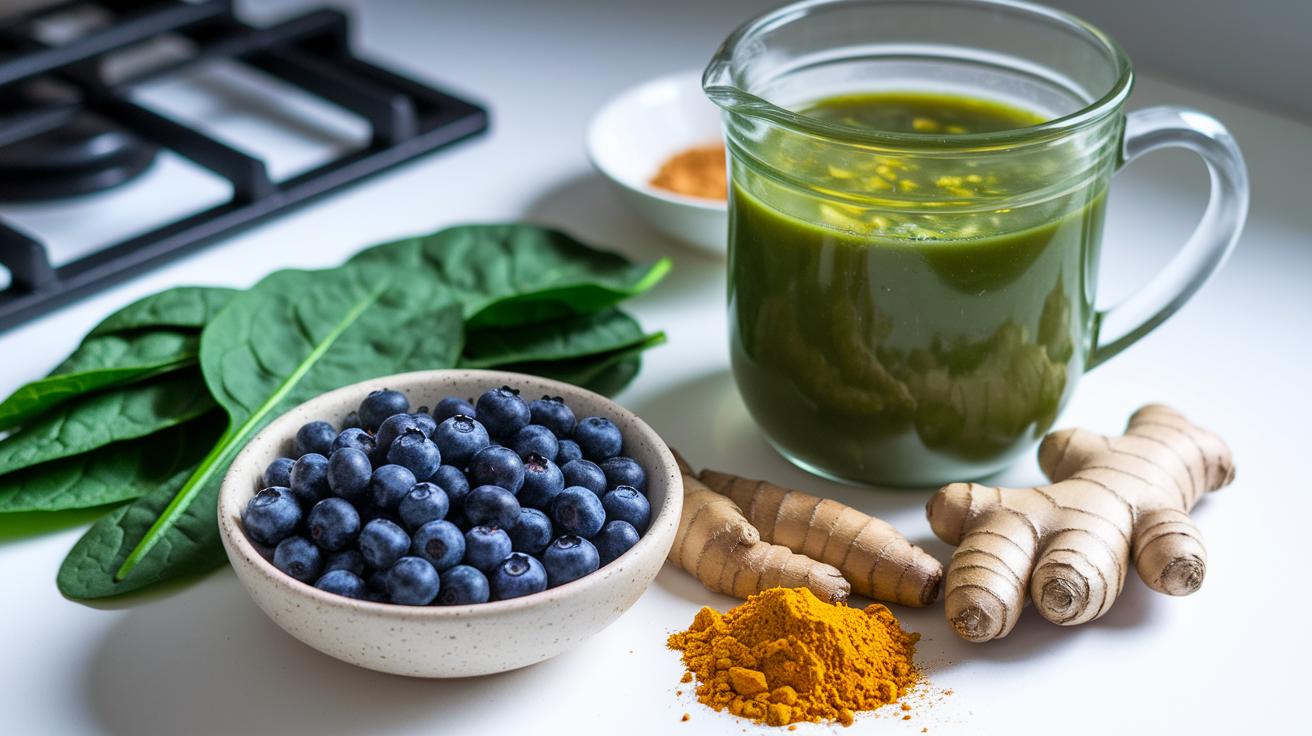
Antioxidants help protect our cells by neutralizing harmful free radicals, unstable molecules that can hurt our tissues and slow down repair. Try filling your plate with vibrant fruits and veggies like blueberries, strawberries, and spinach. Each bite not only tastes great but also helps defend your cells from damage.
Spices such as turmeric and ginger do more than add a burst of flavor. They naturally ease inflammation that might get in the way of healing. Imagine mixing a pinch of turmeric into your soup or tossing some ginger into a stir-fry, the warmth of these spices can help calm your body’s response while making your meal delicious.
Omega-3 fatty acids, found in foods like fatty fish, chia seeds, and flaxseed, are also key players. They work with your immune system to reduce swelling and promote new tissue growth. Including a few servings of these foods each week might even speed up your recovery.
Bone broth is a real nutritional powerhouse. Packed with amino acids and minerals, it supports your body’s repair process. Think of it as a cozy base for a smoothie blended with berries, leafy greens, and a dash of your favorite anti-inflammatory spices.
- Enjoy a rainbow of fruits and veggies like berries and leafy greens.
- Sprinkle in anti-inflammatory spices to soothe swelling.
- Boost your healing with omega-3-rich foods.
- Savor bone broth as a comforting, healing drink.
Hydration and Fluid Choices in a Wound Healing Diet

Keeping your body hydrated is key when healing a wound. Water, herbal teas, and broths help move nutrients to your cells while keeping your skin firm and vibrant. Picture starting your day with a warm herbal tea that gently wakes up your cells with a refreshing burst of hydration.
Bone broth and similar fluids do more than just quench your thirst, they pack in extra protein and minerals that your body needs to repair itself. Sometimes, you might add oral nutrient boosters or electrolyte drinks to keep your hydration levels high. Here are a few simple ideas to keep you on track:
- Drink water regularly throughout the day.
- Enjoy a smoothie that gives your body a healing boost.
- Add a cup of herbal tea or a light broth to your meals.
Try to have at least eight 8-ounce glasses of fluids daily, and if you're running a fever or losing more fluid than usual, it’s a good idea to drink even more.
Diet for Wound Healing: Flourish with Fresh Nutrition
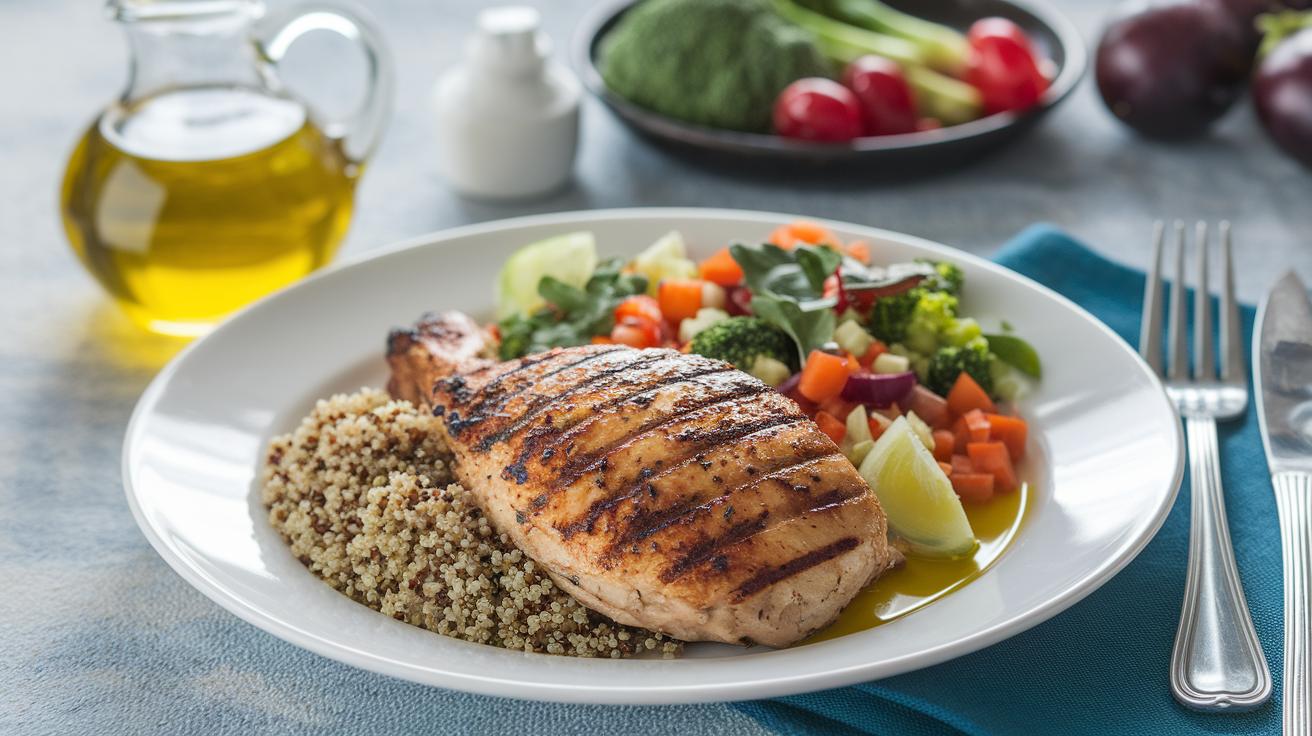
When you're on the mend, planning your meals and eating regularly can really help your body heal. Eating every 3 to 4 hours gives you a steady boost of energy, protein, and vitamins that your body needs to rebuild and repair damaged tissues. For example, you might enjoy a boiled egg with a piece of whole-grain bread in the morning, followed by a smoothie packed with nutrients a couple of hours later.
Try to put together recovery meals by filling your plate with lean proteins, healthy fats, complex carbs, and plenty of fruits and vegetables. Imagine a plate with grilled chicken, a drizzle of olive oil, quinoa, and a mix of colorful veggies, all coming together to give your body the building blocks it needs to recover faster.
Simple meal ideas can really make a difference. You might create a nourishing grain bowl with black beans, chopped veggies, and a squeeze of lime, or swap out a heavy lunch for a lean sandwich with turkey and spinach. Here are a few ideas:
| Meal Idea | Main Ingredients |
|---|---|
| Smoothie | Yogurt, berries, and a handful of spinach |
| Grain Bowl | Brown rice, beans, and fresh vegetables |
| Lean Sandwich | Whole-grain bread, lean protein, and spinach |
Taking a little time to prep your meals, like chopping veggies or cooking proteins ahead, can make it easier to stick to your plan, even when you're busy. It’s all about giving your body the fuel it needs in small, steady doses so you can heal and feel stronger day by day.
Special Considerations in a Wound Healing Diet
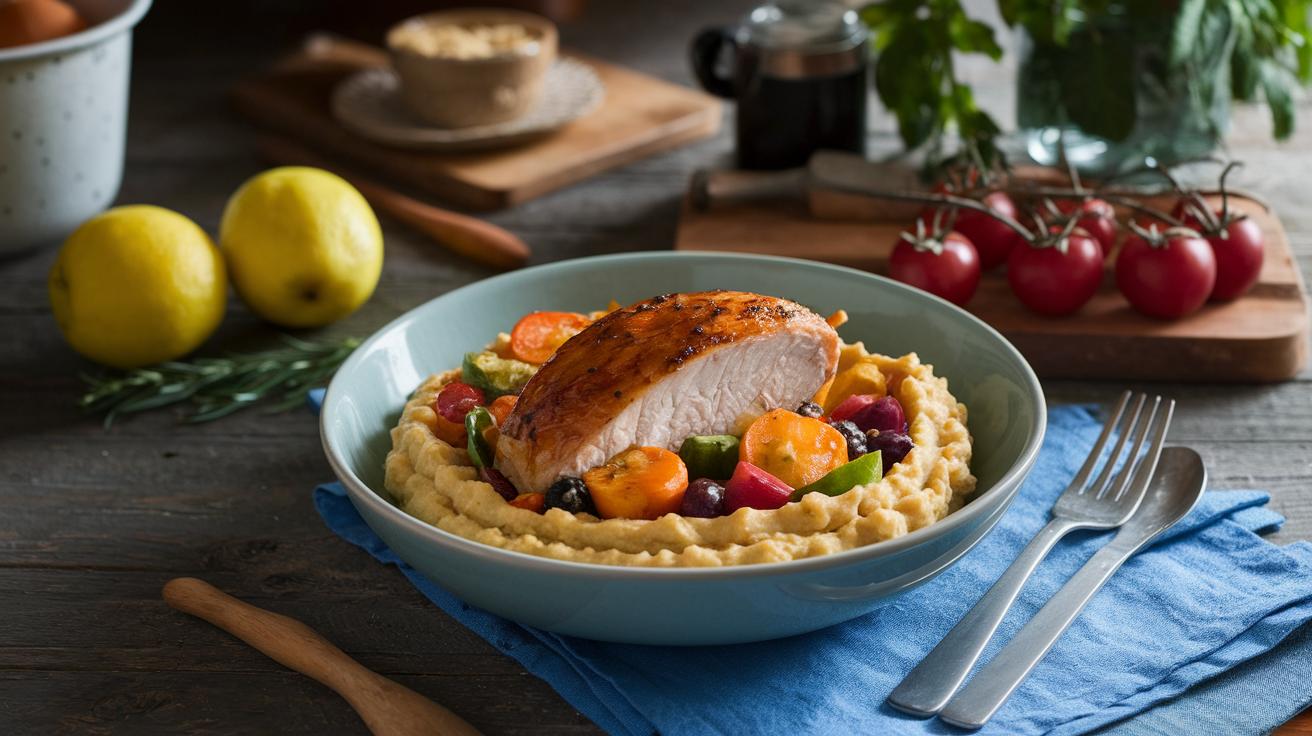
When you have diabetes, keeping your blood sugar steady is super important for healing. Try eating low-glycemic foods like whole barley, quinoa, or whole-grain pasta along with lean proteins. Imagine a warm bowl of grilled turkey paired with a side of roasted vegetables, helping keep your energy balanced while your body repairs itself.
As we get older, meals that are packed with energy and easy to chew make a big difference. Soft foods such as mashed sweet potatoes, steamed carrots, or tender fish offer the vital protein, vitamins, and minerals your body needs without putting too much pressure on sensitive teeth and gums. Picture a creamy blend of mashed legumes mixed with soft steamed greens, providing nourishment in a gentle, easy-to-eat way.
If you’re recovering from surgery, you might need meals with smooth textures and rich nutrients. Foods that are pureed or finely chopped, along with hearty soups, can be a gentle way to help your stomach work and deliver the key amino acids and vitamins your body needs. Think of a comforting bowl of vegetable soup with soft tofu and a sprinkle of herbs – it’s soothing and full of the goodness that supports tissue repair.
Remember, it’s always best to talk with a healthcare provider who can help tailor these diet tips to your specific healing needs.
Supplemental Support in a Wound Healing Diet
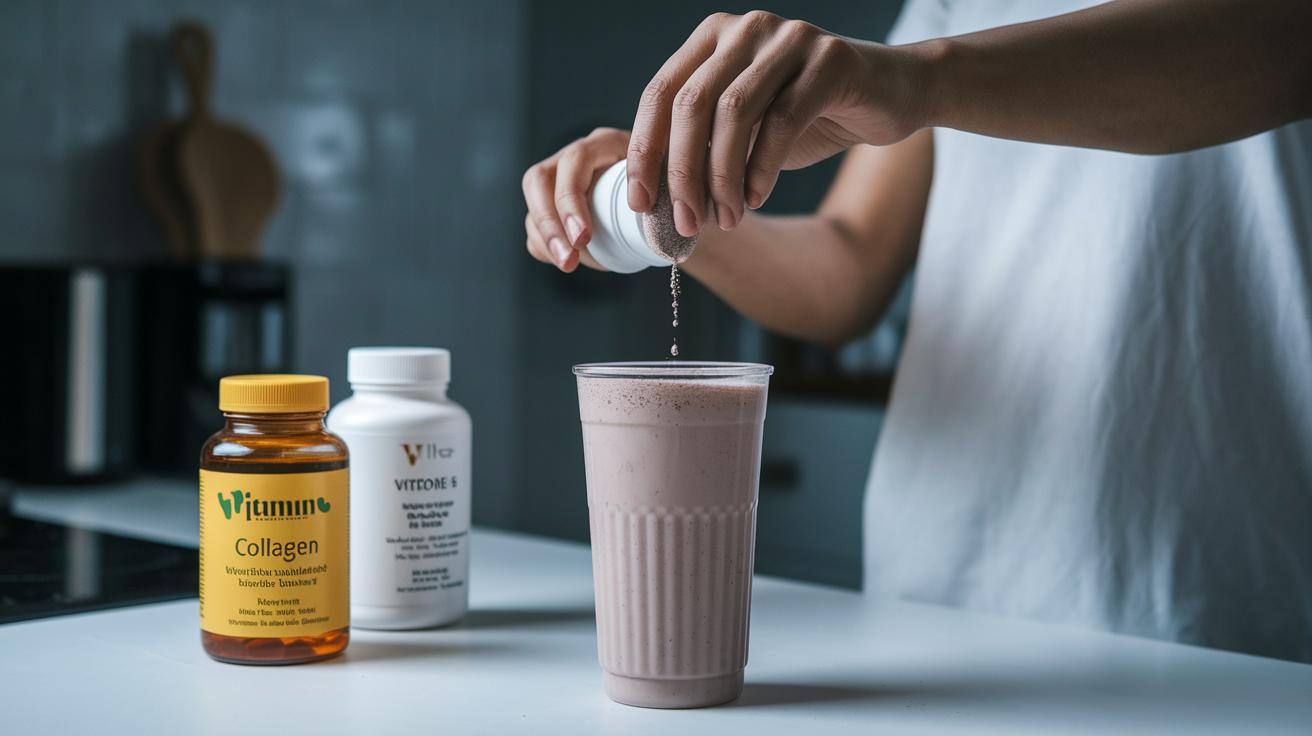
Sometimes, your regular meals might not give your body all it needs to heal. When that happens, natural supplements like whey, soy, or collagen powders can help. They add extra amino acids, small building blocks that repair your skin, muscles, and tissues. For example, you might stir a scoop of collagen powder into your after-dinner shake to give your body a boost.
You could also take a multivitamin-mineral supplement to fill in any gaps in important nutrients, such as vitamin C, vitamin A, vitamin K, zinc, and iron. Taking these supplements with your meals can help your body absorb them better. It’s a bit like having an extra, nutritious snack that supports your healing process.
Remember, these supplements are there to add to your balanced diet, not replace it. Always check with your doctor before starting any new supplement to make sure it’s safe and right for your healing journey.
Final Words
In the action, our article explored how proper nutrition supports tissue repair. We looked at lean proteins, vitamin-packed fruits and vegetables, mineral-rich foods, and smart hydration choices that fuel recovery. Each nutrient plays a role in boosting the body’s ability to mend and restore skin integrity. A well-planned diet for wound healing helps keep energy steady and promotes safer meal habits. Embracing these food choices can bring a refreshing boost to your recovery routine and add a positive spark to your daily health regimen.
FAQ
What foods should I avoid during wound healing and what should I skip?
Avoid foods high in sugar, refined flours, and heavy fats. These items can slow tissue repair by promoting unnecessary inflammation and interfering with the natural healing process.
What foods are best for wound healing after surgery and overall repair?
A healing diet emphasizes lean proteins, vitamin-rich fruits and vegetables, whole grains, and healthy fats. These foods supply the key energy and building blocks needed for effective tissue regeneration.
How do natural methods help wounds heal faster and what speeds up recovery?
Natural wound healing is supported by eating balanced meals with lean proteins, vitamins A, C, and minerals like zinc, along with staying well hydrated and getting plenty of rest to boost cell repair.
What information does a nutrition for wound healing PDF usually provide?
A nutrition PDF for wound healing typically outlines balanced meal guidelines, protein servings, and essential vitamins and minerals that help accelerate tissue repair and optimize recovery.
How should a wound healing diet be adjusted for diabetes?
A diabetic-friendly wound healing diet focuses on low-glycemic carbs, lean proteins, and fiber-rich foods. This combination helps keep blood sugar stable and provides steady support for tissue regeneration.
What are some examples of super healing foods and fruits for wound repair?
Super healing choices include antioxidant-rich berries, citrus fruits, dark leafy greens, and lean proteins. These foods boost collagen formation and provide essential nutrients that aid in faster tissue repair.
Which foods can slow down the wound healing process?
Foods like heavily processed items with high fat and sugar content can delay healing. Reducing these in your diet helps maintain a balanced nutritional environment for efficient tissue recovery.