
Have you ever wondered if using gym machines might boost your fitness more than an outdoor run? Sometimes, mixing a steady pace with quick bursts on equipment like treadmills, elliptical machines, and stair climbers can give your heart a good workout and help build endurance. Each machine offers its own special benefits that keep your exercise routine feeling fresh and fun. Changing up your routine not only adds variety, it also challenges your body in exciting new ways. Keep reading to learn how gym machines can ignite your fitness journey and make your workouts even more effective.
Equipment-Based Cardio Workout Blueprint
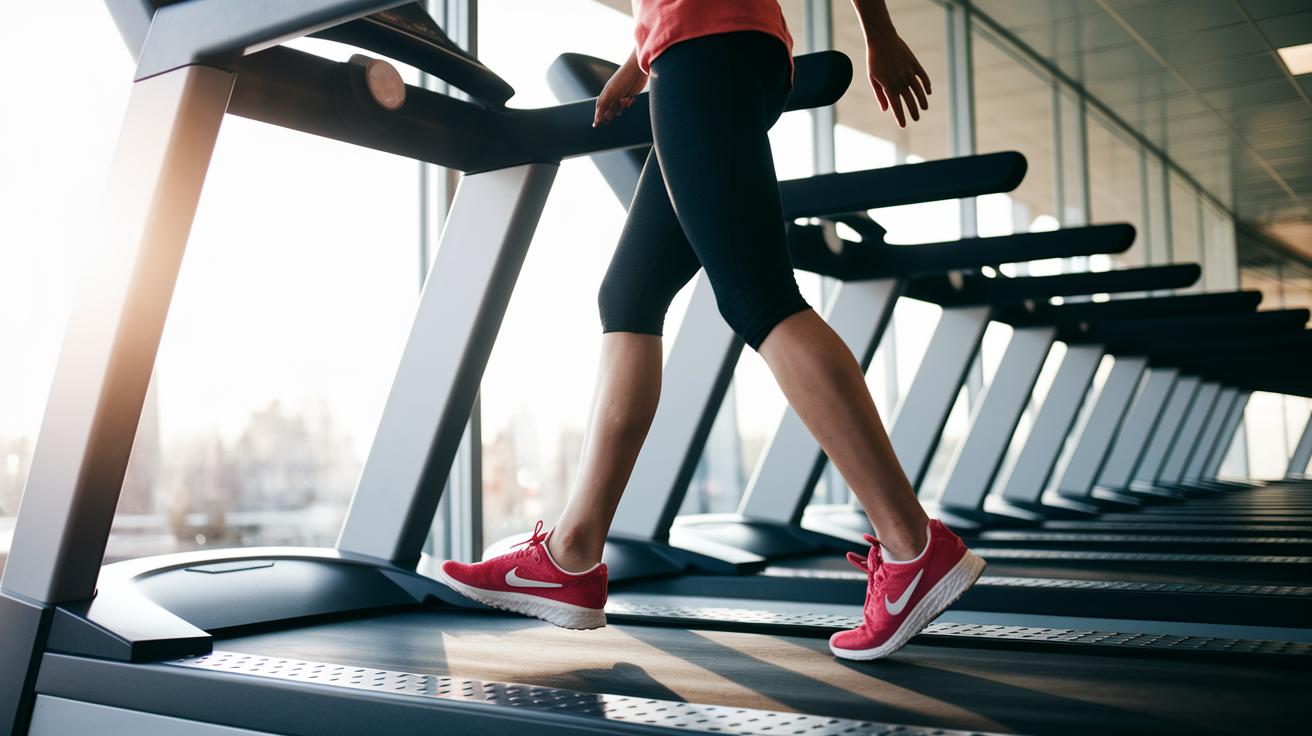
Cardio workouts on gym machines are a great way to follow public health advice. Try to fit in 3–5 sessions each week to hit the NHS goal of 75 minutes of vigorous or 150 minutes of moderate exercise. This plan mixes regular steady workouts with bursts of faster activity to help grow your heart strength while being kind to your joints.
Treadmills feel a lot like running outside. You can tweak the speed and incline to keep things interesting. For instance, run for about 2 minutes at your usual 5K pace and then slow it down with a 1-minute walk to recover. Elliptical machines are another smart option. They let you adjust resistance and incline for a workout that still makes your heart beat faster, all without putting too much pressure on your knees. A good way to use an elliptical could be to start with a 5–10 minute warm-up, then work hard at a moderate pace for about 10 minutes, and finish up with a cool-down.
Stair climbers offer a workout that feels like you're climbing many flights of stairs, challenging both your legs and your stamina. Rowing machines work a lot of muscles at once, from your arms and legs to your core. Studies show that even if you do rowing in short bursts, it can greatly boost the amount of oxygen your body uses. Meanwhile, stationary bikes give you a solid, low-impact way to burn calories, whether you’re riding at a steady pace or doing quick sprints.
Mixing up these machines keeps your workouts interesting and stops you from getting stuck in a routine. For example, you might switch from a sprint on the treadmill to a climb on the elliptical in one session. This variety not only makes exercise fun but also helps burn more calories. Overall, using this blend of equipment is a smart and balanced way to boost your fitness.
Treadmill Interval Training in Equipment-Driven Cardio
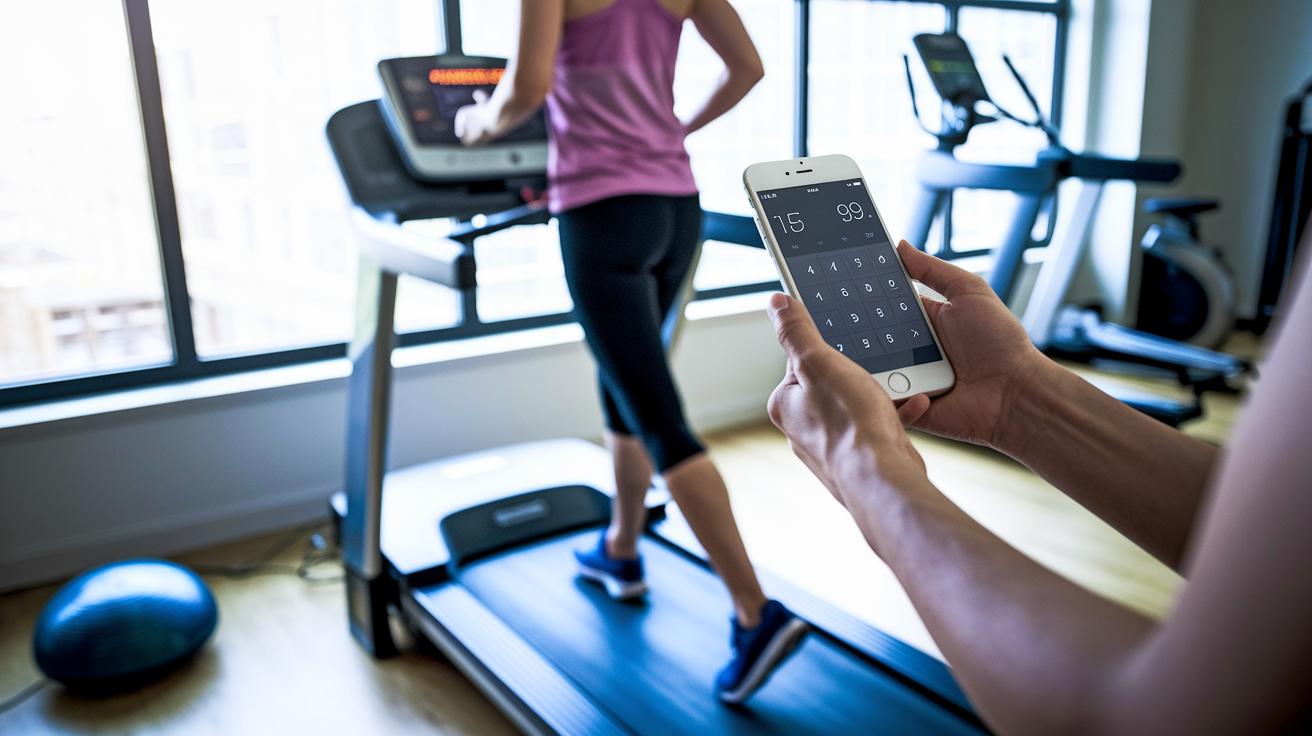
When you work out on a treadmill, you get to choose your speed and incline to nicely mimic an outdoor run. Instead of sticking to a strict two-minute run followed by a one-minute walk, try using a pace calculator and tuning in to your body. When you change your speed based on how you feel, it’s like listening to a helpful hint before you push harder.
This style of workout is called HIIT, which stands for high-intensity interval training. It means doing short, strong bursts of effort that keep burning calories long after you finish. Using a pace calculator and being aware of your physical signals means you can easily adjust the workout to fit your own level. Fun fact: Many people discovered that small tweaks in treadmill intensity can lead to a big boost in calorie burn.
Adjusting your speed or incline gradually, when you feel ready, makes your progress even better. For more on the basics of HIIT, check out the "HIIT Workout Basics" page at https://siluk.net?p=85.
Elliptical Equipment Advantages for Low-Impact Cardio
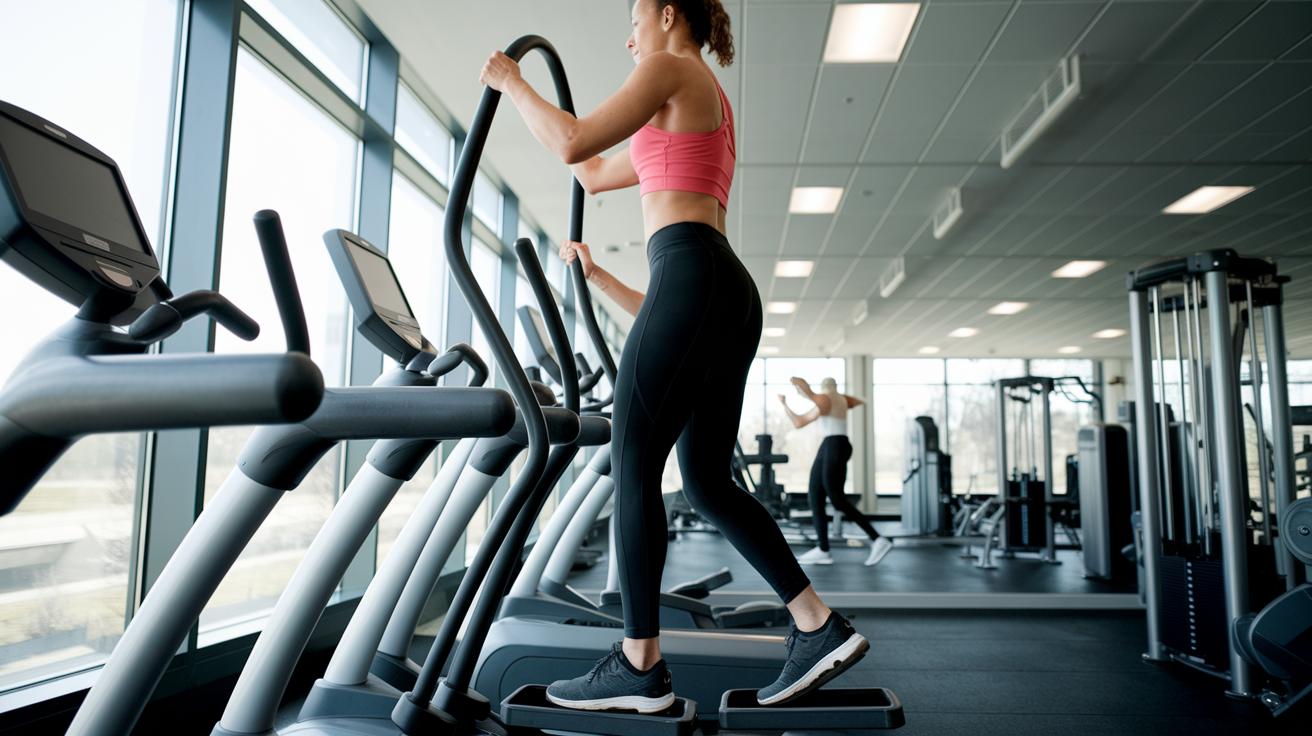
Elliptical machines let you change the resistance and incline so you can switch between steady workouts, HIIT, or cross-training. Start with an easy warm-up at levels 1 to 3 for about 5 to 10 minutes to get your muscles ready. Then, move up to a moderate pace at levels 4 to 6 for around 10 minutes to gently lift your heart rate. Wrap up your session with a 5-minute cool-down at a lower level.
Using good form really makes a difference. Stand tall, tighten your core to support your back, and keep your breathing steady. Make sure your feet rest in the center of the pedals so your weight is balanced and your joints take less strain.
Ever imagine feeling strong, in control, and easy on your joints all at once? That's the benefit of using an elliptical, it offers a workout that's both safe and challenging.
Plus, ellipticals cut down the impact on your joints by about 30% compared to running. They also come with smooth resistance settings and clear displays that show your speed, distance, and calories burned.
Equipment-Based Rowing Ergometer Sessions for Full-Body Cardio
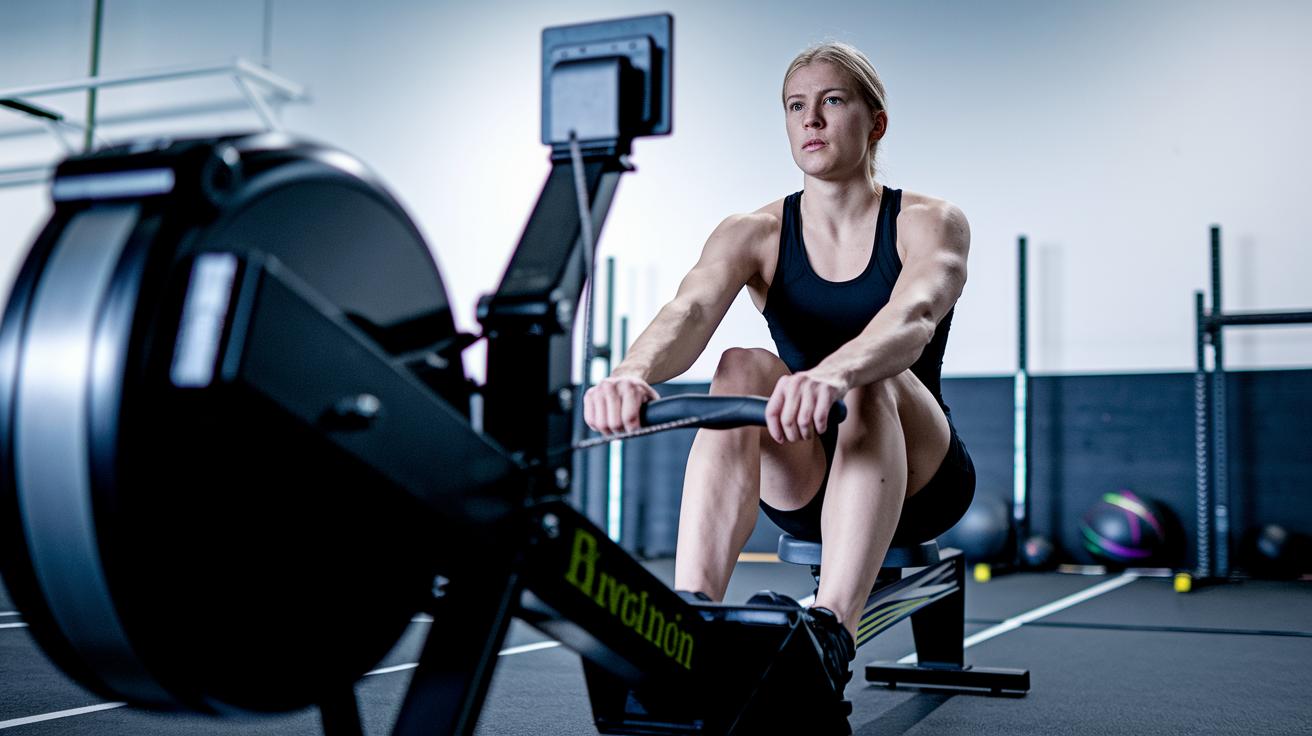
Rowing on an ergometer gives you a full-body cardio workout that feels like a smooth glide across peaceful water. It works your legs, core, back, and arms all at once. Research shows that a 60-minute rowing session three times a week can boost the amount of oxygen your body uses by about 15%. Start with a 5-minute warm-up at an easy pace so your heart gently gets ready.
After that, move into the main part of your workout. Try doing three sets of 8-minute rowing bursts at a tough, steady pace, and then take a 2-minute break between sets. This pattern helps build your endurance and can burn up to 600 calories every hour. It’s a rhythm that keeps you moving without putting too much strain on your joints.
Finish your session with a 5-minute cool-down at a slow pace to help your body relax and recover. This rowing routine acts like a circuit for your whole body, making it one of the best options for boosting your aerobic endurance.
Stationary Cycling Equipment Workouts & Hybrid Strength-Aerobic

Stationary bikes offer a fantastic way to boost your heart rate without putting much strain on your joints. Start with a gentle 10-minute warm-up at an easy pace so your body can get ready, much like easing into a brisk walk after being still for a while.
After warming up, try 20 minutes of intervals. Push yourself for one minute at a fast pace and then take it easy for two minutes to catch your breath. This back-and-forth not only strengthens your heart and lungs but also burns extra calories. Once you're done with the intervals, spend another 10 minutes cooling down at a low speed. In all, this 45-minute hybrid workout can help you burn about 500 calories while keeping your joints happy.
Off the bike, add some strength training using resistance bands to challenge your core and other muscles. You can mix in moves like mountain climbers, Russian twists, bicycle crunches, Frankenstein kicks, different plank variations, and leg raises. Aim for two to three sessions every week. These exercises make your workout a full-body routine and help you build strength and balance. Enjoy experimenting with different resistance levels and have fun with the variety.
Equipment Circuit HIIT for Maximum Fat Burn
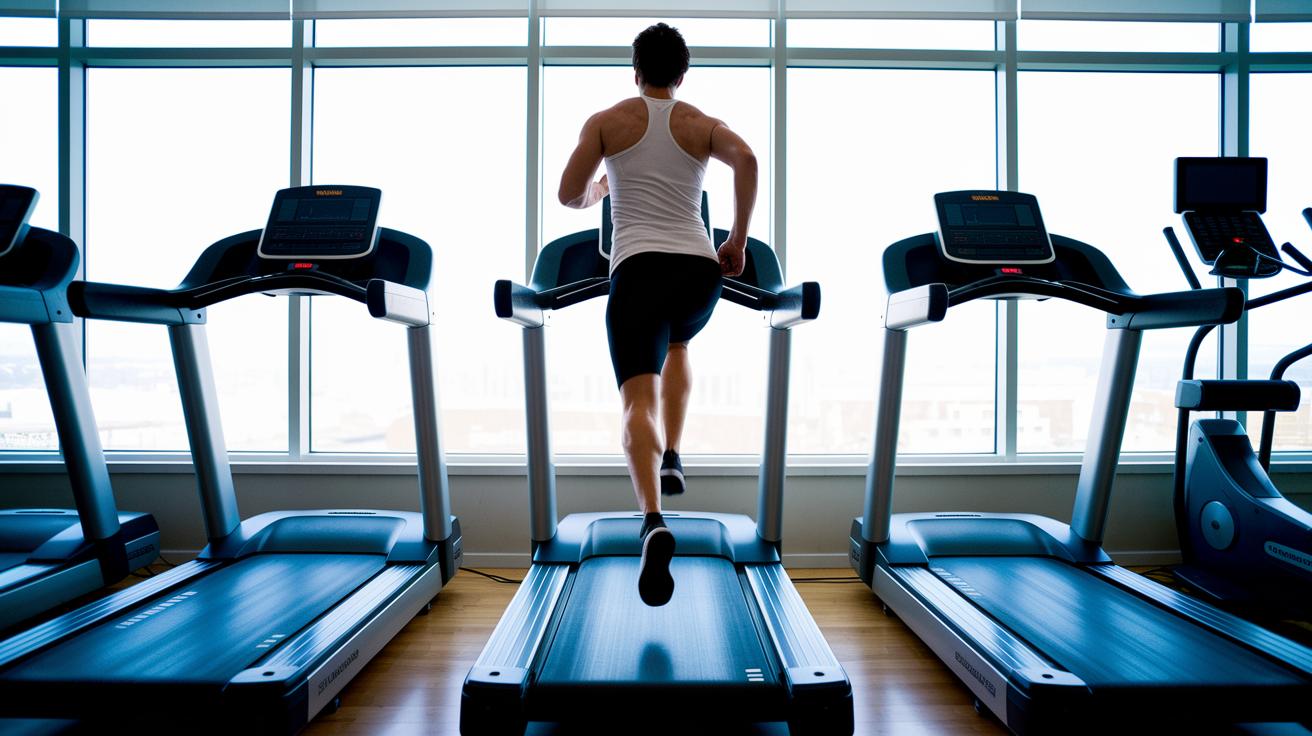
Start with a light 5-minute warm-up on your favorite cardio machine to gently raise your heart rate and get your blood flowing. Then, jump into your circuit by spending 1 minute on each station: a quick sprint on the treadmill, a steady climb on the elliptical, powerful strokes on the rowing machine, and a fast-paced ride on the bike. After each station, take a 30-second break to catch your breath before moving on. This setup is meant to boost your heart rate and create an afterburn effect that helps you burn calories even after your workout.
Aim for about 4 to 6 rounds of the circuit. For instance, push hard with a 1-minute treadmill sprint, then challenge yourself on the elliptical. When you get to the rowing machine, focus on strong, full-body strokes, and on the bike, pedal quickly to keep those calories burning. Believe it or not, these short bursts of activity can burn roughly 300 calories in just 20 minutes.
As you get fitter, try adding a few extra rounds or extending the time at each station so your body stays challenged , just be careful not to overdo it. For tips on avoiding overtraining and fine-tuning your intervals, check out "Common HIIT Workout Mistakes" at https://worthykaws.com?p=1243.
Keep your movements controlled and your form in check to lower the risk of injury while maximizing fat burn. This circuit not only builds endurance but also keeps your workout fresh and engaging, so you stay motivated on your journey to better health.
Equipment Selection, Safety & Form Tips
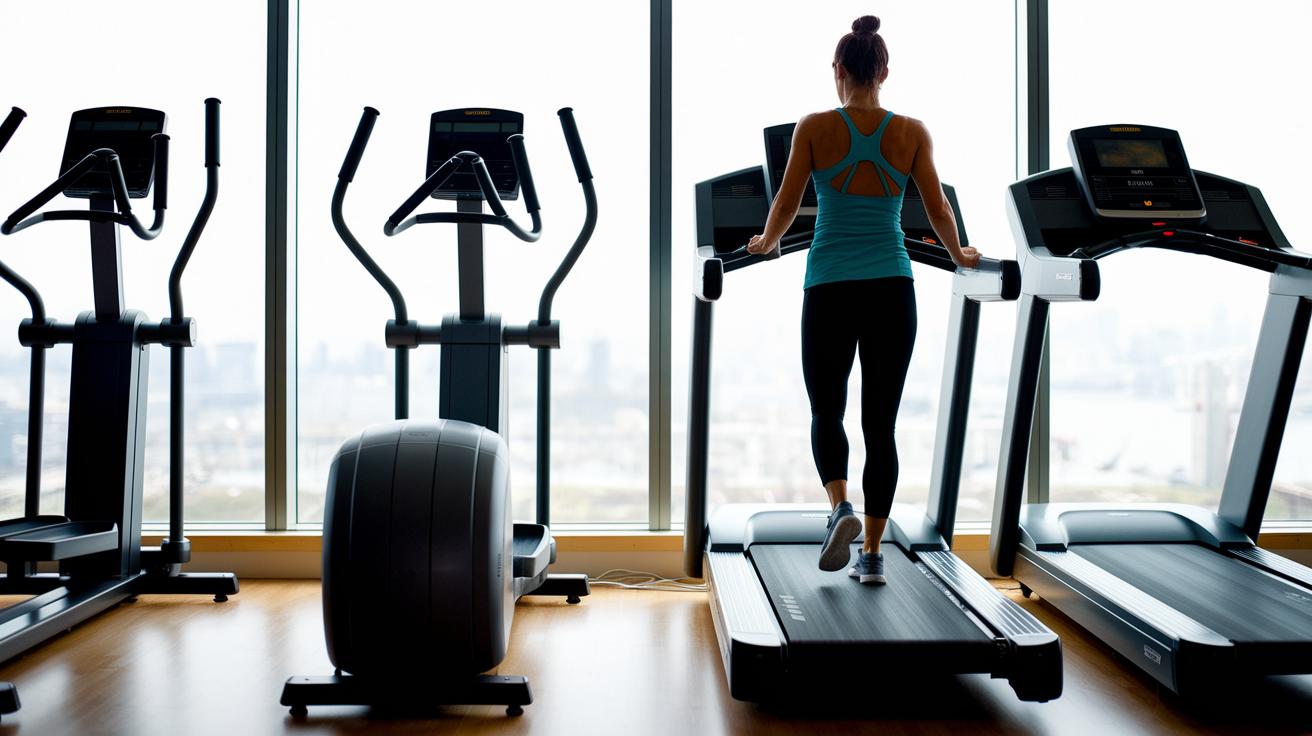
Before starting your workout, make sure you set your treadmill’s incline and speed correctly so you can exercise safely and get the most from your session. For your elliptical, begin with a gentle warm-up by using resistance levels 1 to 3 for about 5 to 10 minutes. Then, move into your main workout at levels 4 to 6, and finish with a cool-down at levels 1 or 2. When you hop on a rowing machine, adjust the damper to between 3 and 5 to keep your strokes smooth and controlled all over your body.
It’s a good idea to wipe down the machines after you finish and give them a once-a-month check, look at the belts and chains to ensure they’re in top shape. Whether you’re setting up a home gym or using equipment at your local fitness center, picking the right gear and preparing it well helps prevent injuries. Remember to stand tall and tighten your core during each exercise to keep your form strong.
For more ideas on warming up, check out the Warmup Routine Before Workout at this link: Warmup Routine Before Workout. These straightforward steps can help you build a safer, more effective cardio routine every time. Enjoy your workout and stay safe!
Final Words
In the action, this article walked you through a complete roadmap for your equipment-driven fitness plan. We explored effective techniques on the treadmill, elliptical, rowing ergometer, stationary bike, and even a circuit HIIT to keep your routine fresh. The tips on proper setup and safety remind you to take care of your gear as you push your limits. Enjoy your cardio workout with equipment and feel confident about transforming your workout regime into a vibrant part of your daily routine. Keep moving forward, you got this!
FAQ
What does a 45-minute cardio workout at the gym look like?
A 45-minute cardio workout uses machines like treadmills, ellipticals, bikes, and stair climbers in intervals. It mixes warm-ups, steady burns, and cool-downs to boost heart health and burn calories.
How can I design a full-body cardio workout with equipment for beginners and weight loss?
A full-body workout uses machines that engage both upper and lower body. Beginners benefit from gradual intensity increases, steady-state intervals, and proper form for safe weight loss and endurance building.
What exercise equipment works well for cardio workouts?
Top cardio machines include treadmills, ellipticals, rowing ergometers, stationary bikes, and stair climbers. They offer varied intensity, low joint impact, and effective calorie burn for different fitness levels.
Is 20 minutes of cardio a day enough for overall fitness?
While 20 minutes of daily cardio can kickstart your routine, guidelines suggest 75 minutes of vigorous or 150 minutes of moderate activity weekly for optimal heart health and endurance improvements.
What is the 12-3-30 cardio rule and how does it work?
The 12-3-30 rule is a treadmill protocol with a 12% incline, 3 mph speed, for 30 minutes. It is designed to boost calorie burn and build cardiovascular endurance without excessive strain.
What is the 3-3-3 rule for workouts?
The 3-3-3 rule breaks a workout into three equal parts: a warm-up, a high-intensity phase, and a cooldown. This structure helps distribute effort evenly and supports safe progression.
How do high-intensity interval training (HIIT) and circuit training benefit cardio workouts?
HIIT alternates bursts of intense work with recovery, while circuit training moves through different exercises with minimal rest. Both boost heart rate, improve endurance, and maximize calorie burn.
What are aerobics and step aerobics in cardio exercise?
Aerobics uses rhythmic, continuous movements to raise heart rate, while step aerobics incorporates an elevated platform for dynamic, leg-focused activities. Both methods improve cardiovascular health and coordination.