
Over the past 6–7 years I’ve collected straightforward, low-cost health hacks that focus on posture, movement, breath, light, food, and environment. This list blends simple daily habits—swap thick pillows for flatter support, use a squatty potty, train barefoot, sit on the floor, spread your toes—with sensory practices like staring at candlelight, limiting music, and wearing blue-light blockers. Nutrition tips favor goat or camel milk, oysters, garlic, eggs, olive oil, honey and fish, while keeping supplements simple (magnesium, black seed oil). Add breathing drills, trampoline sessions, sunlight exposure, Faraday curtains and dirt contact. None are magic; they’re small, sustainable tweaks that compound.
34 Simple Health Hacks to Try Today

Pick a few of these practical habits and test them for weeks, not days. Movement: train barefoot, move in every plane, sit on the floor and squat back up, jump on a trampoline, and use your less-dominant side more. Posture and sleep: stop using thick pillows, spread your toes, avoid tight shoes, and shield your face from sun. Breath and vision: practice diaphragmatic breathing, 90/90 before lifts, move your eyes in all directions and do figure eights. Food and simple supplements: favor garlic, eggs, fish, olive oil, honey and magnesium; get a food allergy test and consider donating blood. Small, consistent changes add up.
Why 7 Years of Small Experiments Matter

I only realized recently that I’ve been running these experiments for seven years, which matters because many health lessons need time to reveal benefits or pitfalls. Short-term trends and flashy products often promise quick fixes; long-term trial and quiet iteration expose what’s sustainable. Keep a simple notebook or use an app to log sleep, digestion, energy and mood when you test a habit for several weeks. Start one thing at a time, measure outcomes, and compare baseline to changes. Longevity matters: hacks that are cheap, low-risk and reproducible over years build resilience. Think compounding habits rather than one-off miracles.
Which Milk Is Best: Goat, Camel, or Cow?
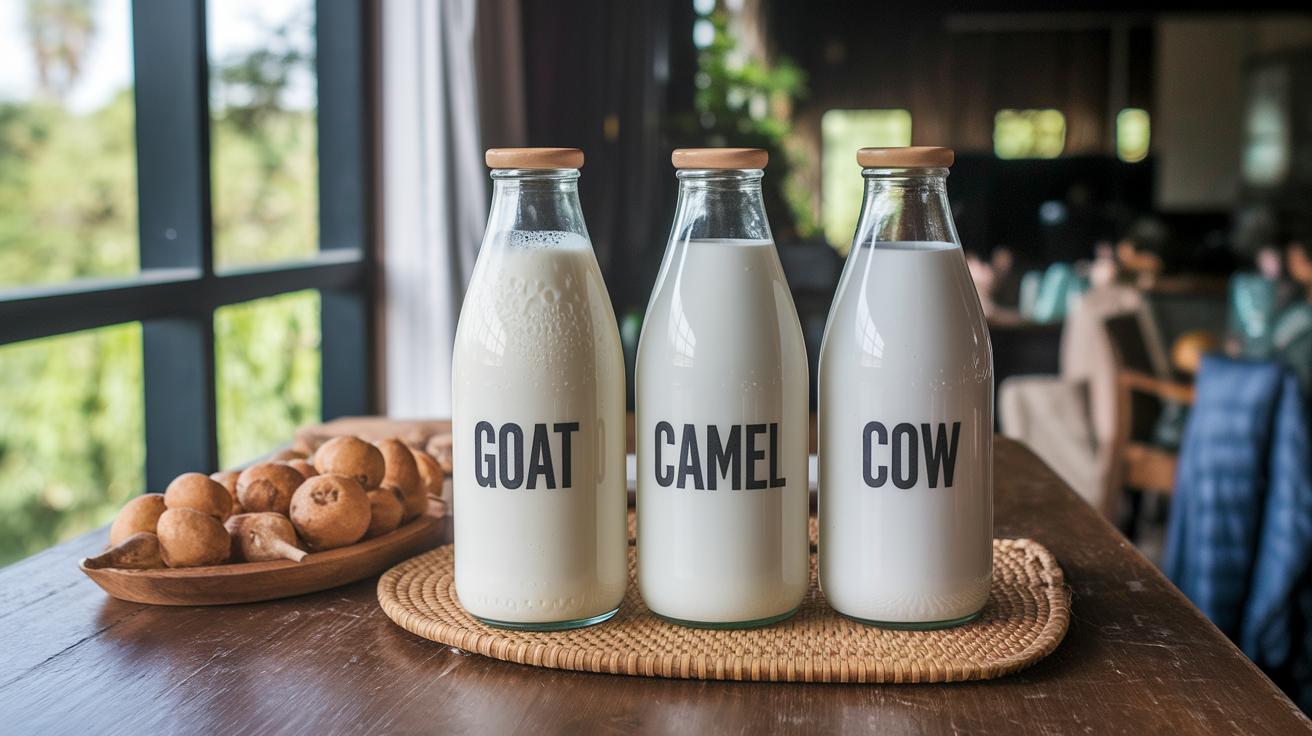
Milk was not a staple for most of human history; dairy consumption on a scale we see today is only about 7,000 years old. That matters because different mammal milks differ in fat, protein, sugar and immune factors, and some (camel, human) are closer to human breast milk than typical European cow milk. For people who aren’t of European descent and may lack lactase persistence, choosing goat or camel milk, or A2 milk when available, can be gentler. Raw milk proponents tout benefits, but pasteurization and safety issues matter. Pick what fits your digestion and cultural background, and consider tests like antibody or food reintroduction trials.
Tongue Posture Trick: The 'Onion' Test
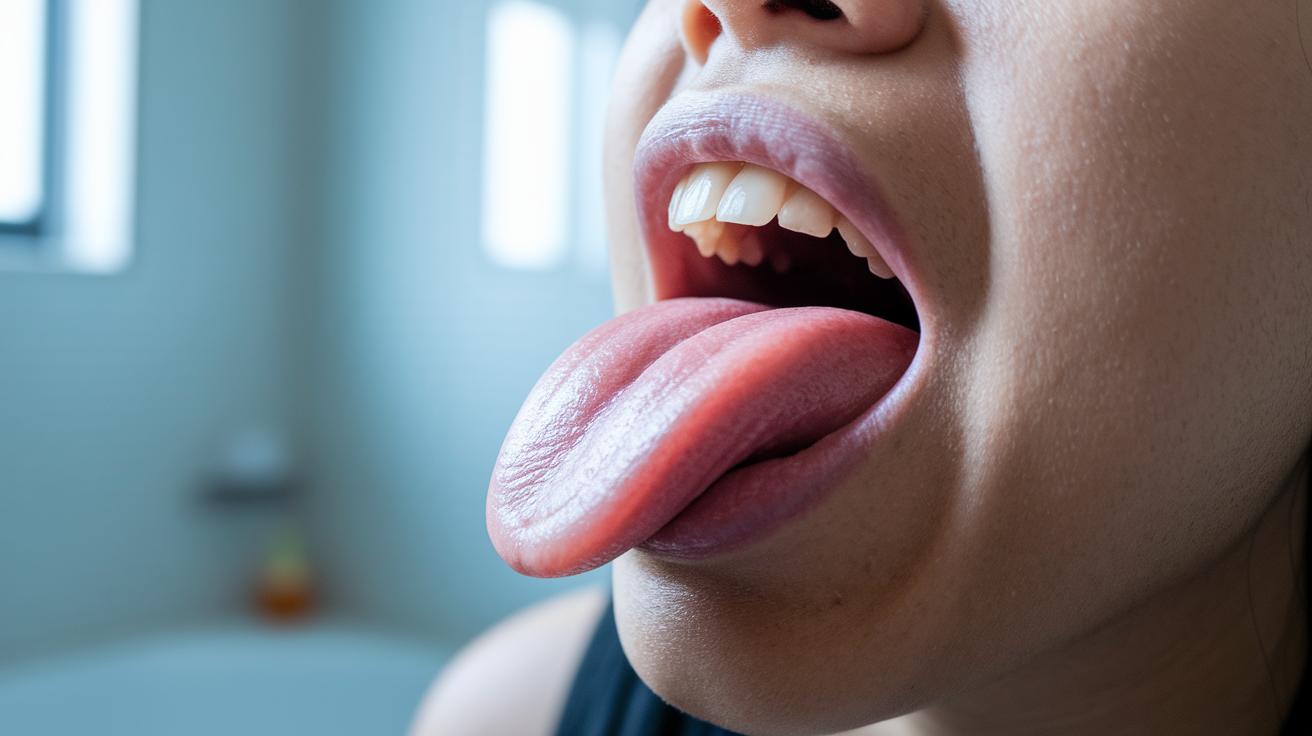
One tiny habit that changes breathing and posture is fixing your tongue’s resting position. Say 'onion' and pause at the first 'n' , that’s the spot your tongue should touch the roof of your mouth. When you close your mouth there, the tongue tends to stick to the palate, supporting nasal breathing, proper jaw alignment and airway space. Practicing this posture quietly during the day can improve swallow pattern, encourage nasal breathing and reduce mouth-breathing related issues. If it feels odd, do short daily drills: hold the tongue there for 30 seconds multiple times, then build duration. Combine with diaphragmatic breathing for best effect.
Cut Through the Noise: Spotting Grifters and Building Real Habits

After years of DIY experiments you learn to spot the difference between useful habits and marketing. A lot of influencers sell 'systems' or low-effort guides that cost $50 or more while offering no measurable benefits. Prefer low-risk, low-cost interventions you can test yourself: allergy testing, blood tests, magnesium, simple dietary shifts, and behaviour changes like more barefoot time and breathwork. Use N‑of‑1 trials: introduce one change, track symptoms and metrics for weeks, then decide. If a product promises a miracle or requires you to buy multiple expensive supplements, be skeptical. Good advice is simple, transparent and repeatable.
Mind Your Soundscape: Music, Frequencies and Your Body
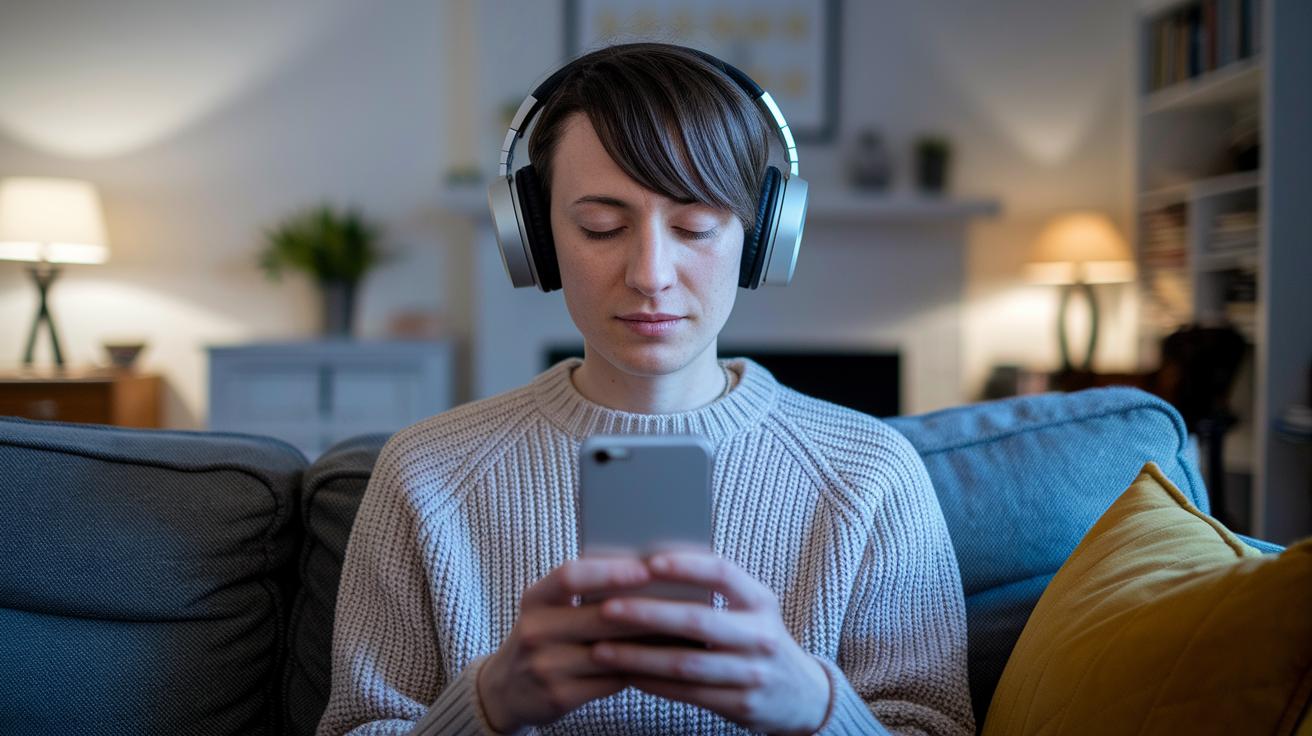
Soundscapes shape mood and physiology. Your body is mostly water and responds to vibration; some music frequencies and repetitive lyrical themes can affect stress, sleep and even hormonal states. Be mindful of what you play: limit music that has aggressive or repetitive messages, choose calming instrumental or natural soundscapes for focused work, and experiment with frequency-based tracks (but be wary of claims). Remember your subconscious absorbs lyrics , curate playlists intentionally. Silence is underrated: periods without music help reset sensitivity. Treat music like food for the nervous system: quality over quantity, and notice how different tracks change your breathing, heart rate and focus.