
Ever wonder if your backpack meals just aren’t enough? Our meal plan serves up flavorful, calorie-packed dishes to keep you energized on any outdoor adventure.
Think of it like topping up your car’s gas tank before a long drive, you need the right fuel for every twist on the trail. We mix hearty meals with quick snacks so your energy stays steady all day long.
Ready for outdoor feasts that feel both smart and satisfying? Enjoy every bite on your journey.
Detailed 7-Day Backpacking Meal Plan Breakdown
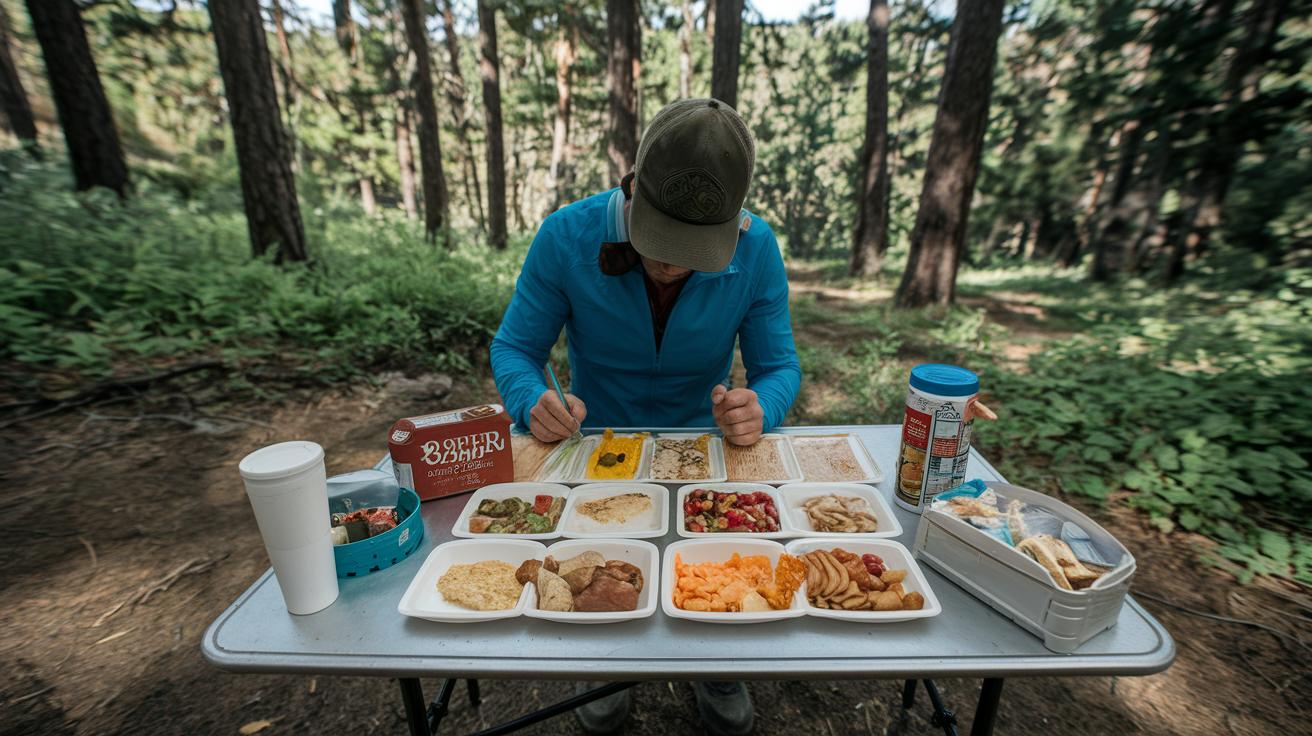
This meal plan is built around hitting 3500 calories each day, so you have plenty of energy for your outdoor adventure. Picture it like keeping your car’s tank full on a long trip, you’re ready for any twist or turn on the trail. This steady supply of calories helps keep you sharp and strong, even when the path gets tough.
We break down each day into breakfast, lunch, dinner, and handy snacks. Start your morning with a hearty breakfast to clear your head and fuel your body for the day ahead. Lunch comes in around midday to give you a boost, and dinner helps you recover after hours of hiking. Between meals, grab snacks like protein bars, nuts, or fruit slices to quickly recharge your energy. Imagine pairing a savory 6-ounce piece of cheddar cheese with some crisp apple slices, you get a change of pace and a little pick-me-up for your taste buds.
By mixing big, filling meals with little, energy-packed snacks, you keep your body running smoothly. This spread of calories, split among proteins, fats, and carbs, gives you a constant flow of nutrients. It not only staves off hunger, but also delights your senses on every leg of your adventure.
Calorie and Portion Planning for a 7-Day Backpacking Meal Plan
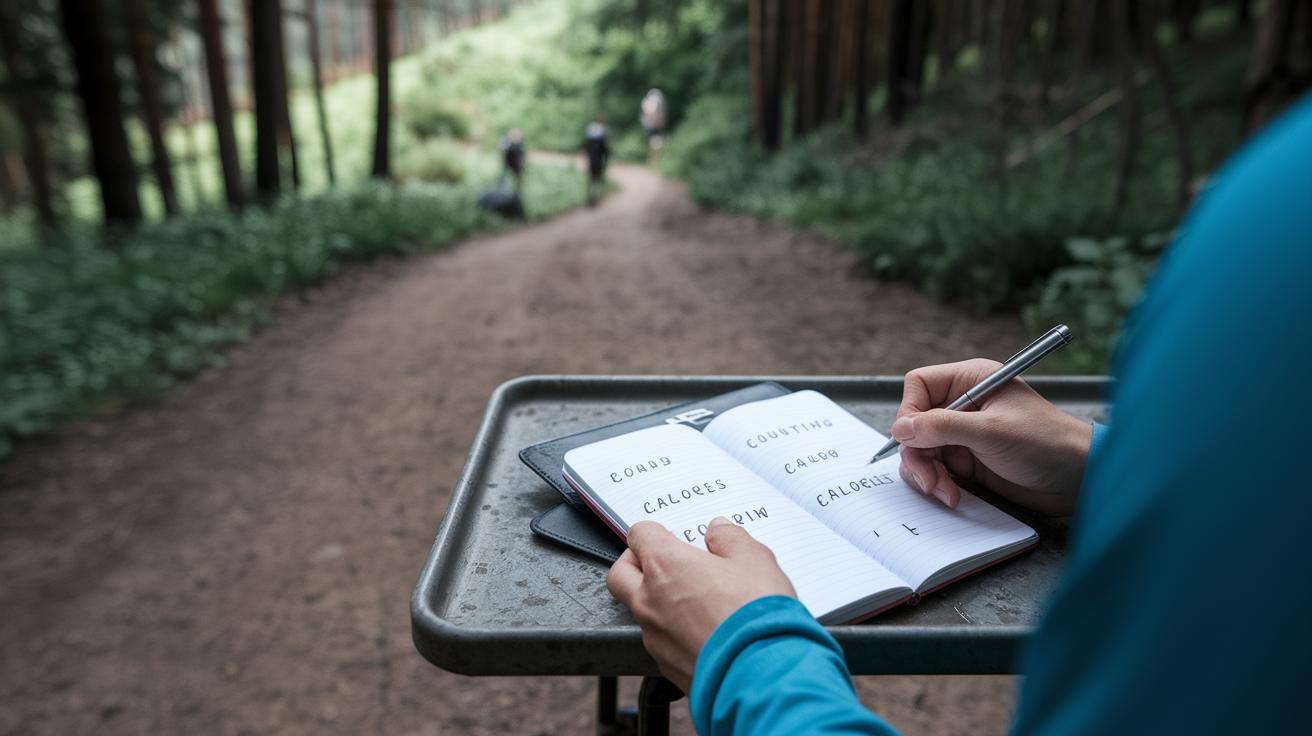
Keeping track of calories is key when every bite matters on long hikes. A steady tally ensures your body gets just the right mix of fuel to keep you going strong. This simple plan helps you avoid running low on energy and makes sure your meals are both tasty and efficient.
Start by planning your main meals, breakfast, lunch, and dinner, around your usual routine. If you enjoy a special drink or dessert, add that in too. Next, figure out how many calories these items bring in and subtract that number from your daily goal. Finally, fill the remaining calorie gap with nutrient-packed snacks.
Adjust your portions along the way to match the energy you need for each part of your trek. A reliable calorie tracker, like a food calorie counter (https://healthlystats.com?p=2337), gives you live feedback on your progress. This way, you'll know if you’re hitting your 3500-calorie target each day or if you need a little extra boost here and there. Tweaking portion sizes also means you can enjoy a range of flavors while staying fueled for the adventure.
Selecting Lightweight, Nutrient-Packed Ingredients for Your 7-Day Backpacking Meal Plan
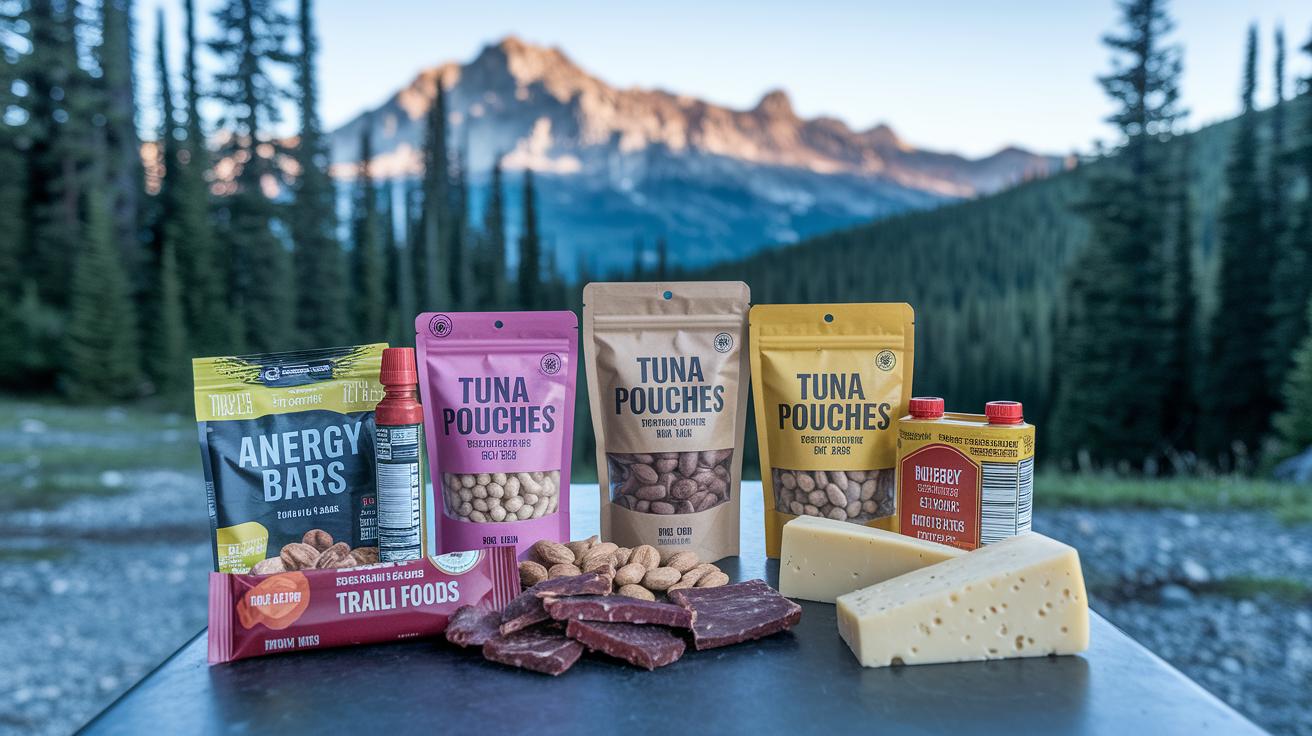
When choosing protein, go for foods that are easy to pack and still full of nutrients. Energy bars, tuna in squeezable pouches, and jerky are great choices. With around 40 kinds of protein bars and 20 varieties of tuna flavors out there, mixing them up keeps things fun and helps you get the steady protein boost your body craves.
For fats, pick light and energy-packed options. Nuts, small blocks of cheese, and nut-butter packets work well. For example, a 6-ounce piece of cheddar gives you a tasty, rich flavor without adding too much weight. These fats provide important calories and help balance your meal plan. You might even check out a balanced diet chart for extra ideas on nutrient details.
Carbohydrates are the fuels that keep you moving. Tortillas, dehydrated grains, and dried fruits are easy to prepare and give you quick, lasting energy. They add a nice variety to your meals and help you feel energized when you need it most on the trail.
Also, keep an eye on the total weight of your pack. For instance, you could modify a meal pack that weighs 10.25 lbs, originally made for eight days, to suit a seven-day journey. Planning carefully like this means every ingredient works hard to give you the nutrients you need while keeping your load light.
7-Day Backpacking Meal Plan: Daily Menu and Recipe Table
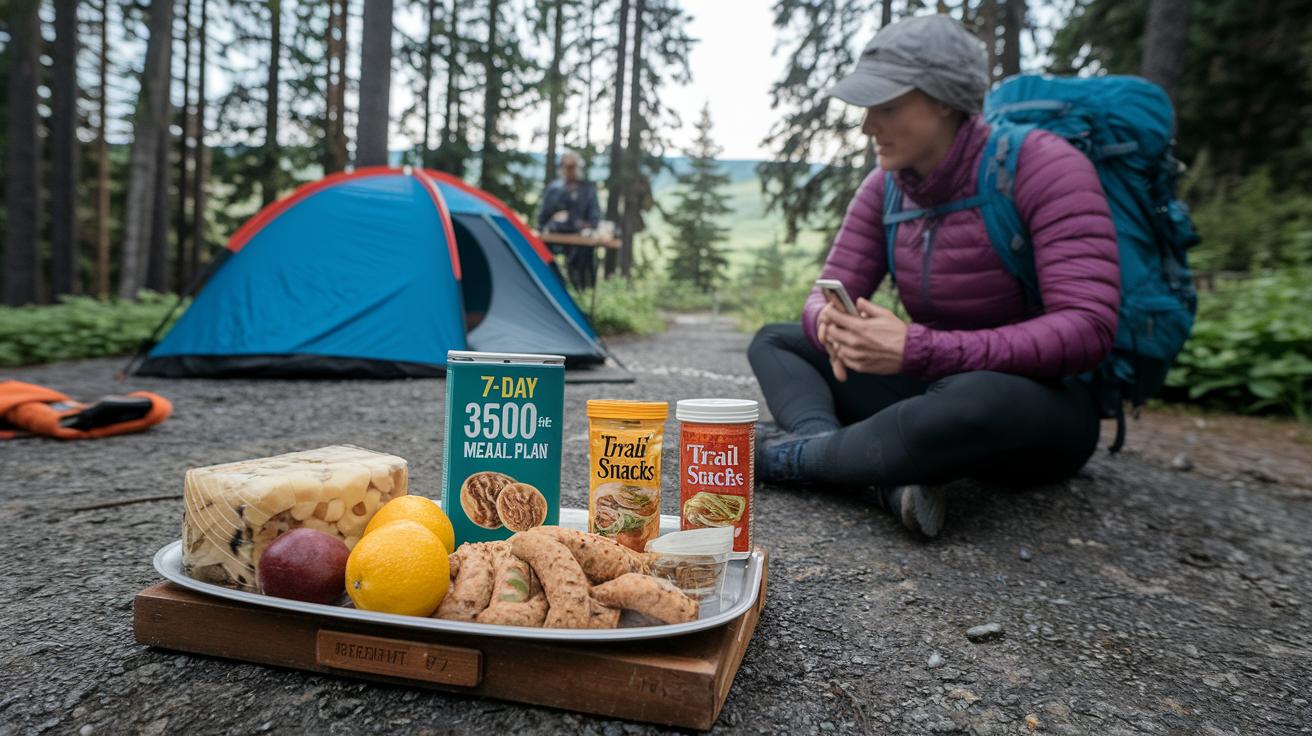
Imagine setting out on a trail knowing exactly what nutritious meals will fuel your adventure. The table below outlines a sample plan designed to help you hit a 3500-calorie target each day. Each meal – breakfast, lunch, dinner, and snacks – comes with an approximate calorie count and key ingredients so you can easily plan your trail nutrition.
This guide is meant to inspire you. Feel free to adjust the meals, swap out ingredients or shift the calories, to match your taste or meet the needs of your journey, whether the weather is warm or cool. Experiment with fresh, local finds and tasty flavor twists to keep your outdoor feasts both nourishing and fun.
| Day | Breakfast – cal & ingredients | Lunch – cal & ingredients | Dinner – cal & ingredients | Snacks – cal & items |
|---|---|---|---|---|
| Day 1 | 700 cal: Oatmeal with raisins & nuts | 800 cal: Tuna wrap with whole grain tortilla & veggies | 1200 cal: Pasta with tomato sauce, cheese & jerky | 800 cal: Protein bar, dried fruit, trail mix |
| Day 2 | 700 cal: Granola with powdered milk & dried berries | 800 cal: Peanut butter & jelly sandwich on flatbread | 1200 cal: Rice with dehydrated chicken curry & veggies | 800 cal: Energy gels, mixed nuts, fruit leather |
| Day 3 | 700 cal: Instant scrambled eggs with dehydrated veggies | 800 cal: Cured salami wrap with hard cheese and crackers | 1200 cal: Bean stew with quinoa & spices | 800 cal: Protein shake powder, granola bar, fresh fruit |
| Day 4 | 700 cal: Muesli with nuts and dried apple slices | 800 cal: Hummus with pita and sun-dried tomatoes | 1200 cal: Dehydrated chili con carne with rice | 800 cal: Cheddar cubes, dried apricots, energy bar |
| Day 5 | 700 cal: Instant oatmeal with honey and almonds | 800 cal: Vegetable and tuna salad in a wrap | 1200 cal: Lentil stew with spices & dehydrated meat | 800 cal: Mixed nuts, protein bar, fruit strips |
| Day 6 | 700 cal: Bagel with peanut butter & dried banana chips | 800 cal: Dehydrated pasta salad with veggies and tuna | 1200 cal: Stir-fried rice with dehydrated chicken & veggies | 800 cal: Energy bites, trail mix, protein shake |
| Day 7 | 700 cal: Porridge with dried cranberries & walnuts | 800 cal: Wrap with hummus, salami, & spinach | 1200 cal: Dehydrated risotto with mushrooms & cheese | 800 cal: Granola, nut butter packets, fruit leather |
Food Storage and Packing Strategies in Your 7-Day Backpacking Meal Plan
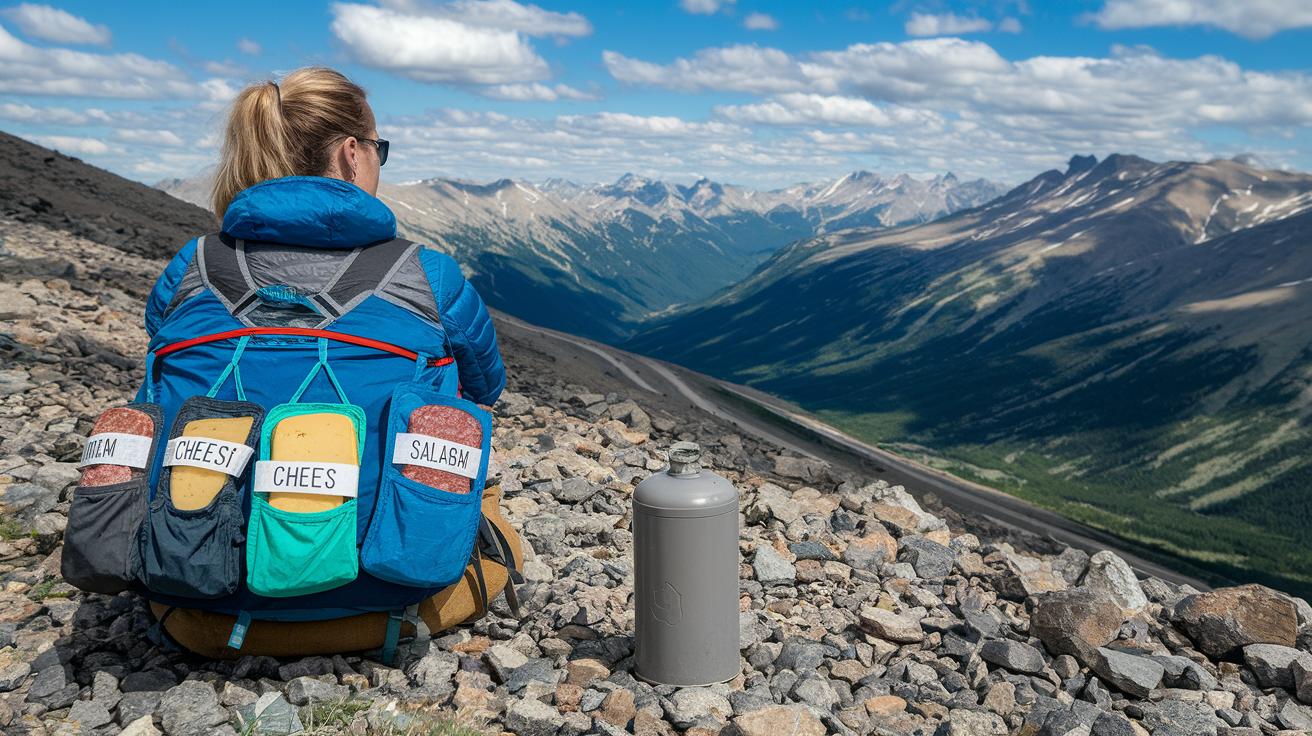
When you're out on the trail, keep your dehydrated meals in sealed, lightweight bags so they stay fresh and ready to eat. Using resealable plastic bags cuts down on air and moisture, which helps keep your freeze-dried food tasting great, just like wrapping your favorite snack to enjoy later.
For cheeses and salami, pack each in its own resealable pouch. This way, you stop the flavors from mixing and protect them from temperature swings or accidental squishing, much like keeping your sandwich ingredients separate until you're ready to dig in.
Sort your snacks by day in small, clearly labeled bags. This helps you quickly grab energy bars, nuts, or fresh fruits without any fuss, almost like finding that perfect bite just when you need it.
When wildlife is around, use bear canisters or odor-proof sacks to keep your food safe. These storage options help hide scents that might attract curious critters, so you can explore nature with one less worry on your mind.
Cooking Techniques and Gear Tips for a 7-Day Backpacking Meal Plan
No-Cook Meal Methods
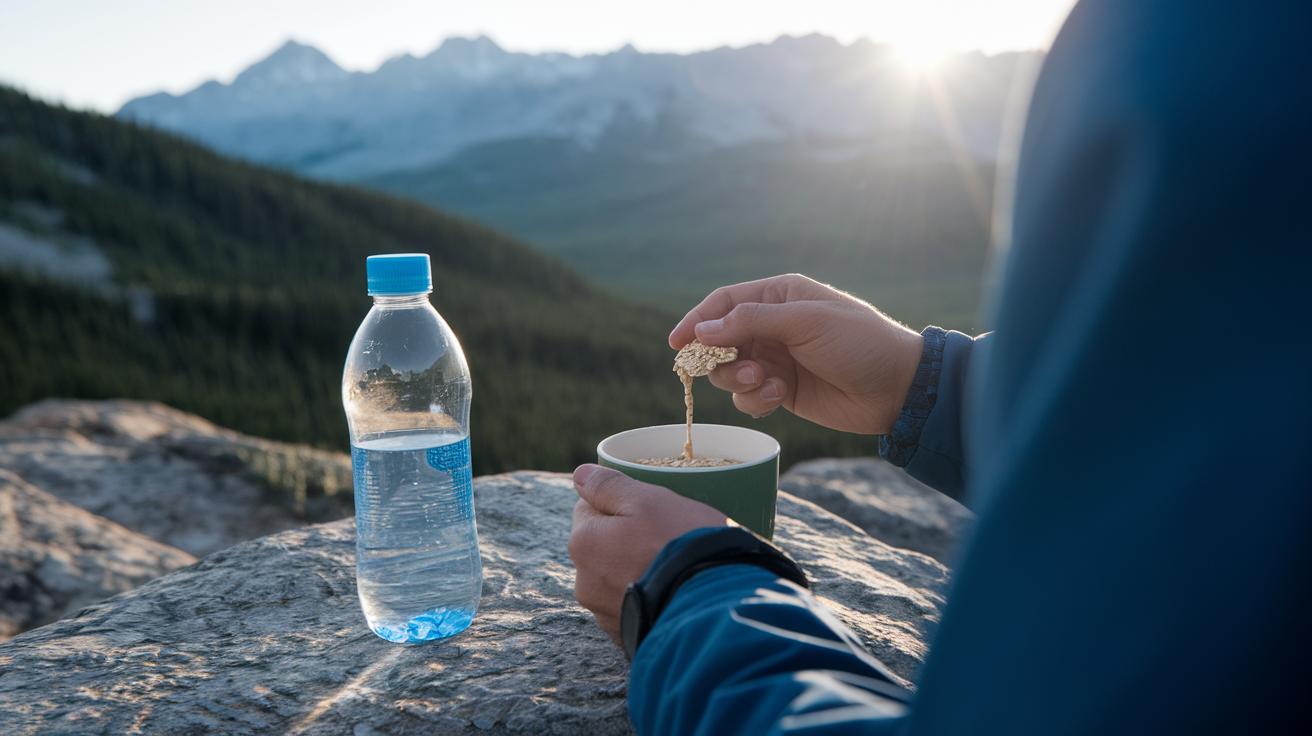
When you're on the trail and don't feel like heating up your food, try no-cook meal ideas. Imagine mixing oats or chia seeds that you've soaked overnight with water or juice for a cool, ready-to-drink breakfast. You can also grab cured meats, energy bars, or dried fruits that are ready to eat. It’s a quick and easy way to enjoy healthy food without heating things up.
One-Pot Hot Meals
After a long day of walking, a warm dinner can feel amazing. One-pot meals work great here. You just need a light backpacking stove to boil water for dehydrated meals. Add just enough water to bring pasta, rice, or stews back to life in one single pot. This way, you get a comforting meal with less fuss and a lot less cleanup.
Rehydration and Quick-Prep Strategies
Getting your meals ready quickly is all about the right water ratios and a bit of waiting time. A good tip is to use about two cups of water for most dehydrated ingredients and let them sit for five to ten minutes. Using cookware that works for both boiling and rehydrating is smart, it saves space in your pack and keeps things simple.
Before you hit the trail, it’s a smart idea to try out your cooking gear at home. Test your fuel, pack a few extras, and get comfortable with each step so you can whip up your meals with confidence when you’re outdoors.
Pre-Trip Shopping and Meal Prep for a 7-Day Backpacking Meal Plan
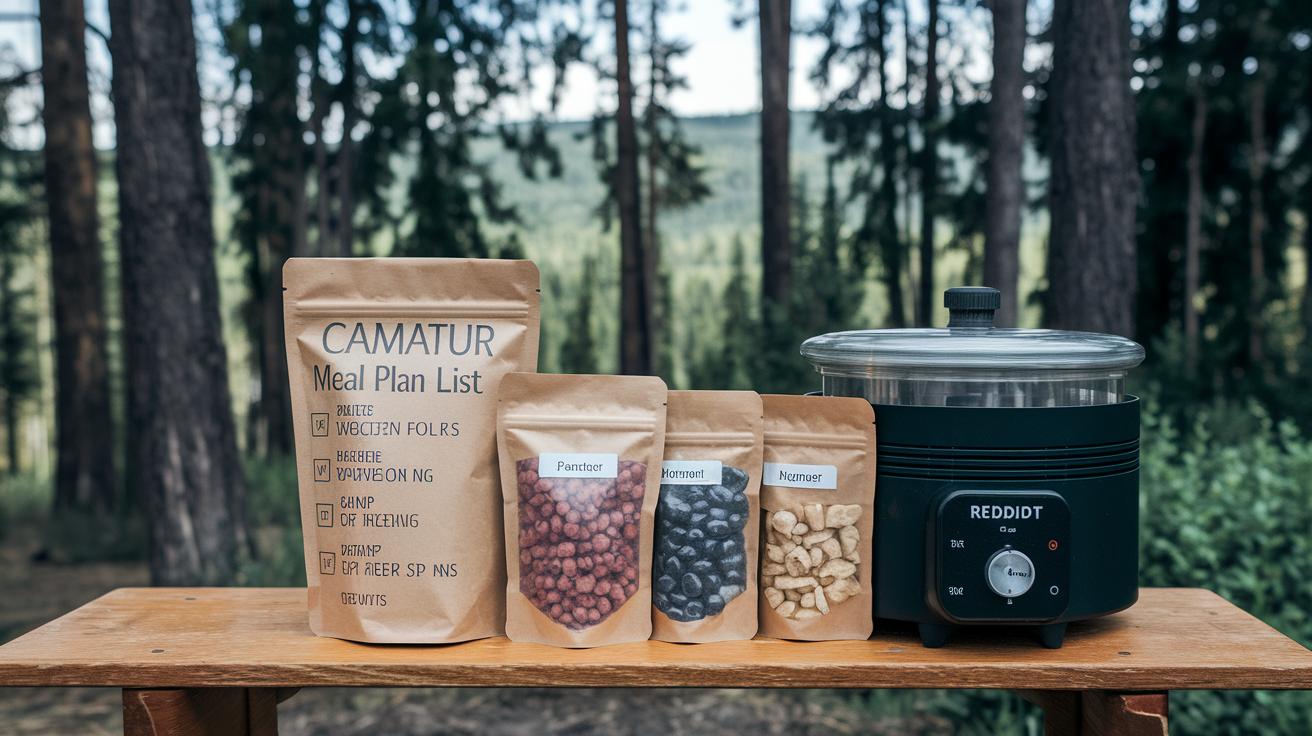
Start by making a shopping list sorted by meal time. Divide your list into sections for breakfast, lunch, dinner, and snacks. Write down items like oats, dried fruits, cheese, and energy bars to cover your meal needs. Grouping them together helps you check everything off easily and keeps your planning simple.
Next, try batch-drying or pre-assembling meals using a dehydrator or oven. Follow a Menu Planning & Food Drying guide that gives you step-by-step directions. For example, you can dry vegetables and meats in batches so you can rehydrate them later for a quick meal. This way, preparing your meals ahead reduces last-minute stress and makes sure you always have ingredients ready.
Finally, portion your pre-assembled meals into labeled pouches for each day. Keep these in your freezer or a sturdy duffel bag until it’s time to hit the trail. Labeling each pouch by day helps you stay organized so you can easily grab the right meal without any extra hassle.
Final Words
In the action, this article explained how a 7-day backpacking meal plan can keep energy levels high with a balanced mix of calories, proteins, carbohydrates, and fats. You got a clear breakdown, from meal types and portion sizes to food storage and efficient cooking techniques, that makes setting up an outdoor eating plan simple. The guide also offered practical shopping and pre-trip prep tips. Embrace these easy steps, and enjoy creating a secure, nutritious meal plan that leaves you fueled and ready for any trail.
FAQ
Q: What duration options exist for backpacking meal plans?
A: The backpacking meal plans come in various durations—from 2-day to 7-day options. Each plan offers structured menus that balance meals and snacks to fuel your outdoor trips, whether short or extended.
Q: What free backpacking meal plan resources are available, such as on Reddit?
A: The free backpacking meal plan resources include community-shared guides on Reddit and similar sites. They offer detailed menus and calorie targets that help you prepare for sustained energy during your trips.
Q: How do I use a backpacking meal planning spreadsheet or meal planner?
A: The backpacking meal planning spreadsheet and meal planner help you organize meals, calculate calories, and track ingredients. They simplify your prep by allowing you to set daily menus and ensure each meal supports your energy needs.