
Ever thought back workouts were a waste of time? Think again. A strong back supports your spine and helps you stay steady every day. This routine mixes tough lifts, like rack pulls that challenge your back muscles, with steady exercises that work your lats, traps, and lower back. It’s a smart way to build strength, improve your posture, and feel more powerful overall. Curious how a focused workout plan can boost your muscles and make daily tasks easier? Read on to find out.
Comprehensive Back Day Workout Routine with 9 Key Exercises
Building a strong back is important for staying upright and moving freely. This workout targets large back muscles like the lats, traps, rhomboids, lower back (the erector spinae), and the back shoulder muscles (posterior delts). Every move helps keep your shoulder blades in check and builds balanced strength.
The routine mixes horizontal and vertical pulling moves. Three exercises work together in a circuit to build overall power, while six isolation moves focus on one muscle at a time with careful technique. You’ll get a mix of heavy rack pulls (just 1–3 reps at 90–95% effort) paired with controlled sets (12–15 reps). This approach makes sure your entire back gets a good workout and builds steady strength over time.
- Rack Pulls – 3 sets of 1-3 reps. Cue: Keep a firm grip and pull your shoulder blades back before you start.
- Chin-Ups (underhand grip, shoulder-width) – 3 sets of 12-15 reps. Cue: Keep your shoulders down and lift slowly.
- T-Bar Rows – 3 sets of 12-15 reps. Cue: Push your elbows back to really work your lats.
- Lat Pulldowns – 3 sets of 12-15 reps. Cue: Pull in a smooth motion while squeezing your back muscles.
- Single-Arm Dumbbell Rows – 3 sets of 12-15 reps. Cue: Use a full range of motion and keep your back straight.
- Front Barbell Shrugs – 3 sets of 12-15 reps. Cue: Shrug your shoulders upwards without straining your neck.
- Face Pulls (rope attachment) – 3 sets of 12-15 reps. Cue: Focus on squeezing your rear delts at the peak of the move.
- Cable Reverse Flyes – 3 sets of 12-15 reps. Cue: Keep a slight bend in your elbows so the movement stays smooth.
- Back Extensions – 3 sets of 12-15 reps. Cue: Align your hips and tighten your core to support your back.
This balanced plan helps you build a strong and functional back by working different muscle groups and using simple, clear techniques to keep your form in check. Enjoy your workout and the benefits of a healthier back!
Structured Programming and Progressive Overload for Your Back Day Workout Routine

Mapping out your workout over six weeks is a smart move for making solid strength gains. By planning each stage, you set clear goals that keep your progress steady while your muscles keep adapting. During this time, break your back exercises into two groups: horizontal pulls like rows and vertical pulls such as pulldowns or chin-ups. This approach balances your back muscles and helps prevent strains from overworking any one area.
Try adding a bit more weight each week to keep things fresh. In the first part of your program, focus on three key moves, rack pulls, bent-over rows, and chest-supported T-bar rows. Start with heavy sets of just 1 to 3 reps at 90–95% of your limit. As the weeks progress, gradually add small amounts of weight while always keeping your form precise. The rest of your exercises use lighter sets of 12–15 reps to help isolate and grow your muscles. Think of each week as a step towards a stronger back, like slowly stacking more weight on the bar.
Integrating this focused back workout into a wider training plan is easy when you follow a split routine. A push-pull-leg schedule, for example, can provide great balance. Check out this link for ideas on how to build your workout routine and another for more push-pull-leg workout plans.
Essential Warm-Up and Mobility Drills for Back Day Workout Routine
Start your session by waking up your back muscles with a light resistance-band warm-up. Instead of trying a dead hang, use a band to perform scapular retractions. Hold each pull for 5 to 10 seconds so you can feel your shoulder blades working.
Next, do banded straight-arm pulldowns for 10 to 12 reps. Imagine gently brushing your ceiling with every pull to keep the move smooth and controlled.
Then, shift to simple dynamic rowing moves to prepare your back even more. Whether you use your own body weight or add a band for support, do 10 to 15 slow, deliberate rows. Picture yourself rowing a calm lake as you pull; this helps open up your back and sets a steady pace for the full workout.
Proper Form and Injury Prevention in Your Back Day Workout Routine

When you hit your back workout, remember to use the cues from your plan. Start each pulling move by pulling your shoulder blades together and slowly extending your shoulders. For chin-ups or pull-ups, try slight changes in grip. A shoulder-width underhand grip works your arm muscles, while a wider overhand grip puts more focus on your back. Keep your hips hinged and your chest lifted on bent-over rows, and choose light resistance for face pulls to protect your shoulder muscles. Think of your shoulder blades as anchors, steady like the base of a bridge.
Keep your back safe by staying mindful of your spine. Brace your core and keep your spine neutral during lifts like deadlifts or rack pulls. Begin with a gentle warm-up that lets your spine twist a little and wakes up your core. For example, stand tall, squeeze your shoulder blades together, and picture your spine as a strong column holding you steady with every movement.
Advanced Techniques and Variations to Intensify Your Back Day Workout Routine
Using advanced training methods can really push your muscles beyond their usual limits. These techniques add a focused burst to every rep, helping you build muscle and get stronger if you’re already into lifting. You might try using controlled tempos, changing your range of motion, or mixing supersets with one-sided moves to make your workouts feel fresh and challenging.
Time-Under-Tension
A neat trick is to slow down the lowering part of your exercise. For rows and pulldowns, try taking 3 to 5 seconds to lower the weight gradually. This slower phase makes your muscles work harder, engaging every fiber along the way. Imagine taking a deep, slow breath as you lower the weight, feeling each muscle tighten, it's a great way to connect with your workout.
Range-Of-Motion Training
You can also use lighter weights to stretch and contract your muscles fully. It’s like slowly stretching a rubber band until it becomes firm before letting go. This method helps make sure every part of the muscle gets worked out, leading to a more complete workout experience.
Supersets & Tri-Sets
Try combining exercises in one go. For example, pair a heavy T-bar row with a vertical pulldown and finish with high-rep face pulls or reverse flyes. These paired moves boost your workout intensity without adding more time. It’s like switching between sprints in a race, keeps your heart pumping and muscles active.
Unilateral Variations
Working one side at a time can make a big difference. Single-arm dumbbell rows build strength evenly and help improve your core stability by correcting any imbalances. Focus on driving your elbow slowly back, really connecting with your muscles as you go. It’s similar to taking turns so that each part of your back gets its fair share of the work.
Mix these advanced techniques into your routine gradually. Adding one or two of these ideas per session can help you challenge your back muscles steadily, making each workout a step forward in strength and balance.
Equipment Selection and Home-Based Alternatives for Your Back Day Workout Routine
Getting the right gear is really important when you want a strong back. In the gym, you might work with tools like an Olympic barbell for bent-over or landmine rows, a pull-up bar or rings for chin-ups, a T-bar attachment for focused rows, a cable machine for reverse flyes, or even an extension bench for back extensions.
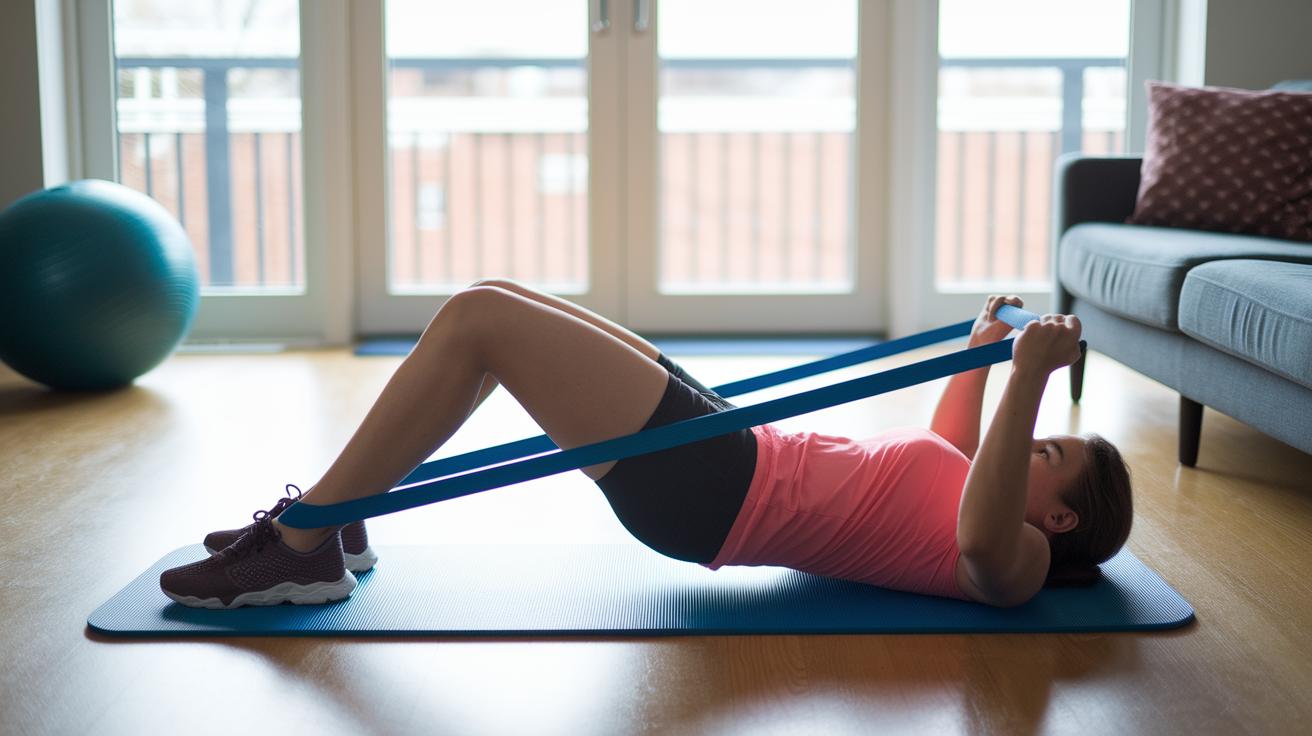
At home, you can still get a great workout using simple equipment. You might try resistance-band rows or do inverted rows with a towel or TRX. You could also perform prone "Y" raises on the floor or use a chair or stability ball for single-arm dumbbell rows. Each of these choices helps target your back muscles effectively, even if your equipment options are limited.
| Equipment | Ideal Exercise | Alternative |
|---|---|---|
| Barbell | Bent-over rows | Resistance band rows |
| Pull-up Bar | Chin-ups/Pull-ups | TRX inverted rows |
| T-Bar Attachment | T-Bar rows | Single-arm dumbbell rows |
| Cable Machine | Reverse flyes | Towel rows |
| Bands | Straight-arm pulldowns | Floor back extensions |
| Bodyweight | Scapular push-ups | Prone “Y” raises |
Pick your equipment based on what you want to achieve and how much room you've got. If you’re working out in a gym, go ahead and use the heavier tools for building strength. But if you’re at home, you can use these creative alternatives to work your back safely and effectively.
Final Words
In the action from start to finish, the article broke down a comprehensive back day workout routine with nine essential exercises, clear rep ranges, and vital form cues. We dug into programming nuances, warm-up drills, injury prevention, advanced techniques, and smart equipment choices, making it easy for anyone to follow.
By integrating these expert-backed tips, your back day workout routine becomes a powerful part of your overall well-being routine. Keep testing new moves and refining your form, every rep brings you closer to the strength you deserve!
FAQ
What is a good back workout routine?
The good back workout routine targets mass, strength, and balance. It can be adapted for beginners, women, gym setups, or home environments using exercises like rack pulls, chin-ups, rows, and pulldowns.
Are 4 exercises enough for a back day?
The four-exercise routine can work for some, but a balanced back day usually includes more moves to properly activate all muscle groups and support scapular stability for overall back strength.
What is the 3-3-3 rule gym?
The 3-3-3 rule in the gym explains a method of balancing three horizontal pulls, three vertical pulls, and three core exercises, promoting symmetry and even muscle development in your back workouts.
What is the 6 12 25 rule?
The 6 12 25 rule refers to varying rep ranges in back training—using heavy sets with low reps for strength and higher reps for isolation. This mix engages different muscle fibers to boost overall growth.
What are the key benefits of exercises like the bent-over row, seated cable row, Roman Chair Back Extension, deadlift, pull-down, and row?
The key exercises work diverse back muscles—bent-over rows and pull-downs target the lats and traps, while Roman Chair Back Extensions and deadlifts strengthen the lower back. These moves build a complete and sturdy back.