
Have you ever wondered what a naturopath is all about? Naturopathy is a kind of health care that uses natural tools like herbs, gentle massage, and simple food guidance to help your body heal itself. Think of it as a friendly boost that helps your mind, body, and spirit feel more in tune.
Instead of just making problems feel a little less bothersome, a naturopath looks deeper to figure out why you’re feeling off in the first place. By understanding what naturopathy really means, you might discover a natural, refreshing way to care for yourself and feel more in charge of your well-being.
Defining a Naturopath: Core Meaning and Definition

Naturopathic medicine is a whole-body approach that helps your body heal naturally. A naturopath uses simple remedies like herbs, massage, acupuncture, exercise, and nutritional advice to keep your mind, body, and spirit in balance. It’s like giving your body the boost it needs to tap into its own strength.
This way of caring for your health focuses on the whole person. Instead of just easing symptoms, naturopathic medicine tries to find out what is really causing an issue. Imagine a friendly coach who fixes a broken piece of equipment and then shows you how to avoid the problem in the future.
You can meet naturopaths in hospitals, clinics, community centers, and private offices. They work in many different places and tailor natural treatment plans to help you feel well and truly understand what holistic health means.
Historical Development of Naturopathic Principles

Back in the 1800s, people began to question harsh treatments that often made patients feel even worse. At a time when many medicines and procedures were invasive, naturopathy emerged as a gentle, natural option that lets the body heal itself. Imagine walking into a quiet space after a long day of stressful treatments, where soothing, natural remedies replace aggressive interventions.
Over time, respected groups like the World Health Organization gave naturopathy their stamp of approval. This meant that practitioners followed strict educational and safety rules, turning naturopathy from a fringe idea into a trusted system. It’s like choosing a well-tested, natural remedy over a quick chemical fix, you’re taking a more thoughtful route to healing.
At its core, naturopathy focuses on prevention, natural treatments, and caring for the whole person. Instead of just treating symptoms, it digs deeper into what might be causing the problem. Think of it as tending to a garden where every element, from the soil to the sunlight, helps the plant thrive. In this way, your body is treated like a garden, and natural therapies like herbs, nutrition advice, and simple remedies help it flourish and stay balanced.
naturopath meaning: Pure Health Insights
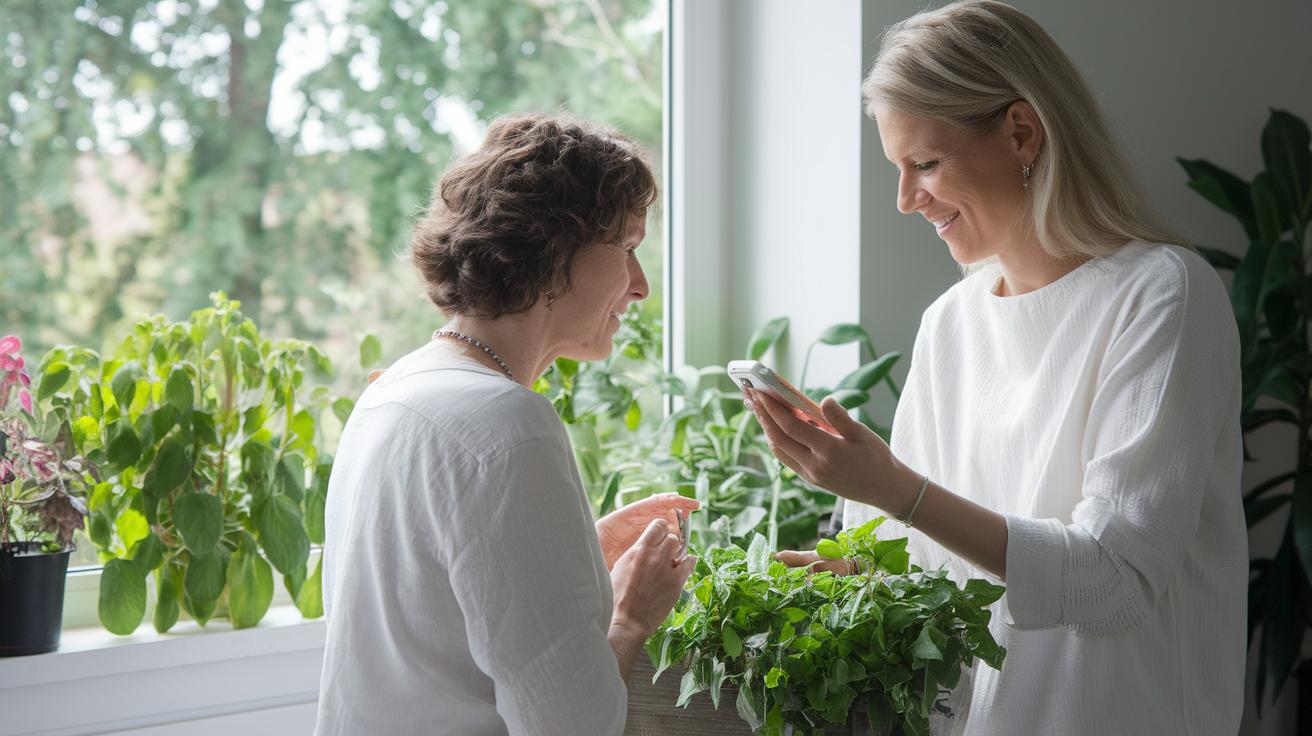
Naturopathy is a gentle, nature-based way to help your body heal on its own. Instead of relying on harsh chemicals or surgery, it focuses on simple lifestyle tweaks, gentle treatments, and natural remedies that support balance in your body, mind, and spirit.
Studies show that natural interventions, like certain plant extracts and mindfulness practices, can boost your body's strength. By blending these techniques, you create a plan that works with your body’s own healing power.
-
Herbal Medicine
Herbal medicine uses specific plants to give your body a boost. Research suggests that some herbs can strengthen your immune system and enhance overall well-being. -
Massage Therapy
Massage therapy provides hands-on relief by easing muscle tension and encouraging better circulation. Observations indicate that regular massage may help lower stress levels and promote a sense of calm. -
Acupuncture
Acupuncture involves inserting fine needles to stimulate energy flow and restore balance. Recent findings show that it might help adjust nerve signals and reduce discomfort. -
Exercise Therapy
Exercise therapy encourages physical movement to build strength and improve flexibility. Ongoing studies point out that even moderate exercise can boost mobility and lift your mood. -
Nutritional Counseling
Nutritional counseling guides you in choosing meals that nourish and energize your body. New research emphasizes that eating balanced, wholesome foods supports your natural healing process. -
Mind-Body Practices
Mind-body practices, like meditation and mindful breathing, help reduce stress and enhance overall well-being. Emerging studies note that these techniques can lower stress markers and bring a sense of mental calm.
Naturopath vs Conventional Doctor: Role and Practice Differences

Conventional doctors usually help you feel better fast by using medications and surgeries. They treat the problem like fixing a leaky pipe with a quick repair. Naturopaths, on the other hand, work to find what is really causing the issue. They look at your daily habits, what you eat, and even your surroundings. It’s like renovating a house from the inside instead of just covering up a leak.
Naturopaths might use treatments that have side effects, so they always suggest you keep your regular doctor in the loop. They often work with other health experts to make sure you get well-rounded advice. This teamwork means if you have an unexpected reaction, someone will be there to help you out.
Naturopaths also take extra time to explain how your food, exercise, and stress levels affect your health. They share simple tips to help you feel better over time rather than only treating a crisis. This focus on education and everyday living can help you see the long-term benefits of natural healing.
Training, Certification, and Regulation of Naturopaths

Naturopathic professionals start their journey by earning degrees at approved schools. They study the basics like how our bodies work (anatomy and physiology) and explore naturopathic ideas. This is where they learn the foundation of using natural remedies to boost health. For instance, a student might dive into the world of plants and herbs, learning how they can be used in natural treatments.
After their classroom studies, real-life practice comes next. Through internships in places like clinics, hospitals, or community centers, they get hands-on experience. They apply what they learned by helping patients with natural treatments, whether that means using herbal remedies or massage therapy. Working closely with experienced mentors, they learn to stay safe and respect the body’s natural healing process.
Once the academic and practical training is done, aspiring naturopaths must pass strict licensing exams. These tests prove they meet important standards, much like guidelines set by big health organizations. Passing the exams shows they can safely manage natural therapies and builds trust with the community they serve.
Even after they start working, naturopaths keep learning. They often join workshops, refresher courses, and seminars to stay updated with new research and techniques. This commitment to ongoing education helps them offer the best natural care possible, ensuring that their methods remain both current and reliable.
Benefits and Risks of Naturopathic Treatments
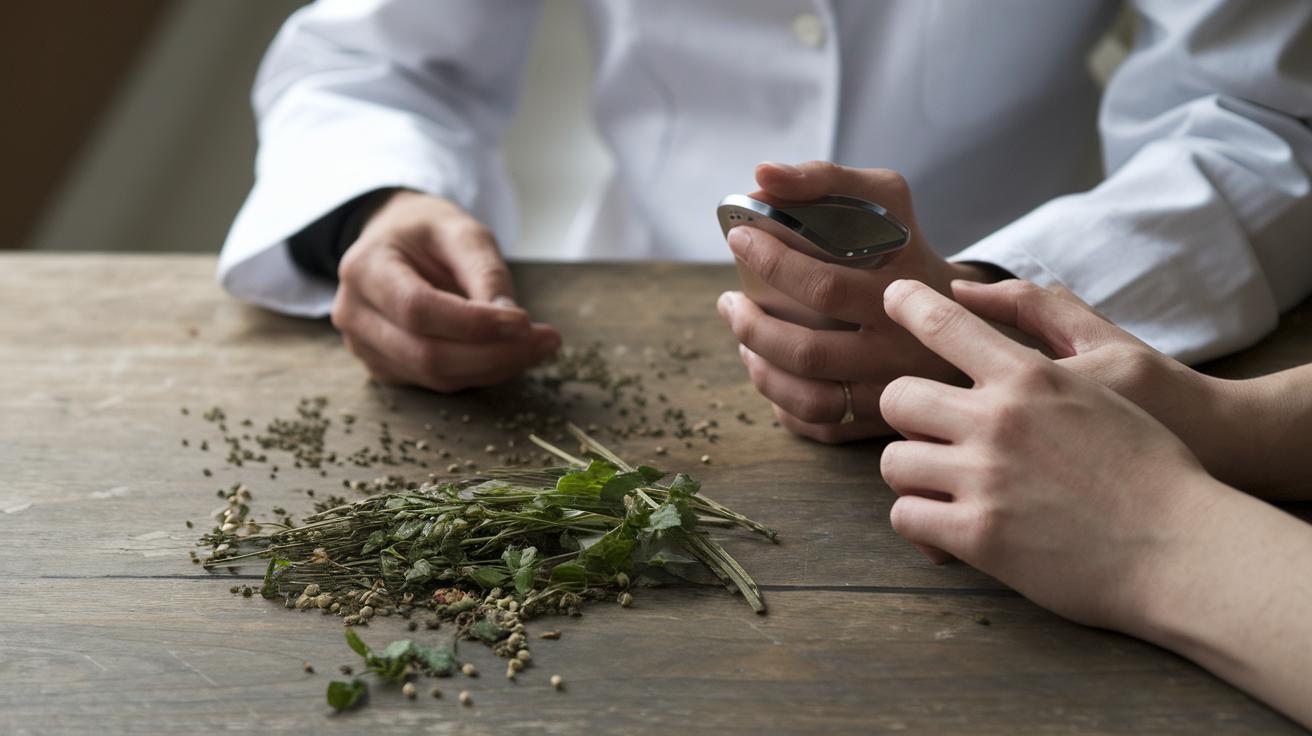
Naturopathic treatments use natural approaches to help the body feel its best while getting to the root of health challenges. Many people try these methods for a range of issues, from heart problems like atrial fibrillation and easing the side effects of breast cancer care to managing stress, caring for skin, and improving diet habits. The idea is all about keeping our body, mind, and spirit in balance by preventing problems before they start. Some studies show that these treatments can lower stress and build resilience. At the same time, it’s important to remember that even natural remedies can come with risks. For example, certain herbal treatments or physical therapies might have side effects or even interfere with traditional medicines.
| Condition/Application | Benefits | Potential Risks |
|---|---|---|
| Heart Health (Atrial Fibrillation) | Gives gentle support to your heart. | May mix with heart medicines you’re already taking. |
| Breast Cancer Support | Helps ease side effects and boosts overall strength. | Could conflict with standard cancer treatments. |
| Mental Health | Promotes mood balance and relieves stress. | Might delay the start of important clinical care. |
| Skin Issues | Supports natural skin repair and brings soothing relief. | Some herbs could cause allergic reactions. |
| Diet Management | Helps create nutritional balance and better lifestyle habits. | There’s a chance of misusing herbal dosages. |
If you’re thinking about trying naturopathic treatments, it’s a good idea to talk with your doctor about any natural remedies you want to use. Working with a licensed naturopath who relies on proven methods can help you combine these natural approaches with your usual care, ensuring that you move toward better health safely and confidently.
Common Myths and Misconceptions About Naturopathy

Some folks believe that naturopathy lacks scientific support, thinking natural remedies can never be proven through research. But many studies have shown that herbal and nutritional methods can help our bodies work better. For example, some plant extracts have been linked to feelings of more energy and improved well-being.
Another common belief is that naturopathy only uses herbs. While herbs do play a part, naturopathy also uses physical treatments, one-on-one talks with a professional, and changes in daily habits. This mix aims to take care of both the body and the mind in a balanced way.
Some people also think that naturopathy should replace conventional medical care. In fact, many choose naturopathic treatments to complement regular care. This means these natural methods work alongside the care you already get, adding extra support instead of replacing important medical treatments.
Lastly, there is a misconception that all natural remedies are completely risk-free. The truth is that even natural treatments need supervision, since they may cause side effects or interact with other medicines if not used correctly.
Final Words
In the action, this article broke down what naturopath meaning is and how it shapes a natural approach to health. It detailed the roots of naturopathy, explained its core healing methods, and compared its role against conventional care. The piece also touched on education, regulation, and safety, clearing up common myths along the way. Each section painted a straightforward picture of natural care, making it easier to understand and apply wellness advice every day. Keep embracing natural health with a positive spirit and an open mind.
FAQ
What does naturopathy treatment involve?
The naturopathy treatment uses natural remedies like herbal medicine, nutritional counseling, and simple therapies to help your body heal itself. It works to address root causes, not just symptoms.
What does a naturopathic doctor do?
A naturopathic doctor uses natural therapies such as herbal remedies, massage, and acupuncture to support your overall health. They focus on treating the whole person while often working with other health professionals.
What are the benefits of naturopathy?
The benefits of naturopathy include a whole-person approach that targets underlying causes of health issues. This method offers preventive care and natural treatments that may have fewer side effects compared to standard treatments.
What is the typical salary of a naturopathic doctor?
The salary of a naturopathic doctor varies by experience and location. They earn competitive wages that reflect their specialized training and the growing demand for holistic, natural treatment options.
How can I find a naturopathic doctor near me?
You can locate a naturopathic doctor near you by checking local health directories, asking for referrals, or using online searches. This helps you find trusted professionals who offer natural and preventive care.
How do I become a naturopathic doctor?
To become a naturopathic doctor, you must complete an accredited degree, gain clinical experience through internships, pass licensing exams, and continue your education. This training prepares you for a career in holistic healthcare.
Why would someone see a naturopath?
People consult a naturopath when they want a natural, holistic approach to health that addresses the underlying issues. Naturopaths offer preventive advice and natural treatments to support overall well-being.
Is a naturopathic doctor considered a real doctor?
A naturopathic doctor is a licensed professional who has specialized training in natural medicine. They work in clinical settings and often collaborate with conventional doctors to provide comprehensive health care.
What differentiates a functional doctor from a naturopath?
The difference lies in their approach; functional doctors use lab tests and targeted treatments for specific issues, whereas naturopaths focus on natural healing, preventive care, and treating the whole person.