
Ever get caught in a swirl of thoughts even when everything feels calm? Mindfulness helps you hit pause and focus on the present. It invites you to notice your feelings and body sensations without judging them. Imagine watching a cloud drift by, you simply see it without trying to grab it.
This simple practice gives your mind a break from constant worry. It clears up your thoughts and lets you enjoy even small, everyday moments. With mindfulness, every simple action can become a moment of true self-care and fresh focus.
what is mindfulness practice: Enjoy Calm Clarity
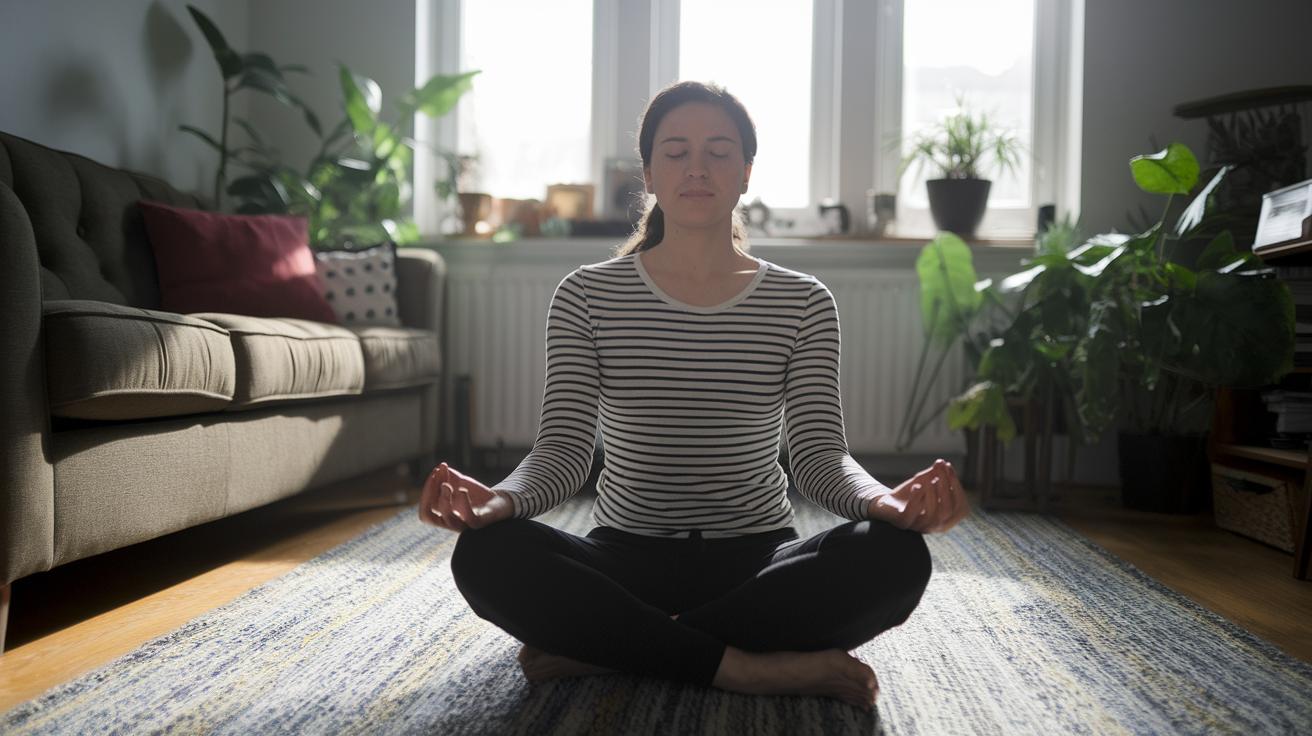
Mindfulness practice is simply being right here, right now. It means you give your full attention to what you're doing instead of worrying about what happened before or what might come next. When you practice mindfulness, you watch your thoughts, feelings, and even how your body feels without being hard on yourself. It’s like noticing clouds gently floating by rather than getting tangled up in each one.
For instance, think about a researcher who once spent years learning to calm her busy mind with easy mindful breathing. This shows that mindfulness isn’t about being perfect; it’s about living life as it comes.
This practice helps you become more aware of yourself as each moment unfolds. When you focus on what's happening now, you give yourself a break from overthinking and feeling stressed. Everyday things like eating, walking, or even driving can turn into chances to feel calm and clear. By using mindfulness, you can choose to respond thoughtfully instead of snapping into action when challenges arise.
Basic Mindfulness Techniques: Posture, Breath, and Awareness
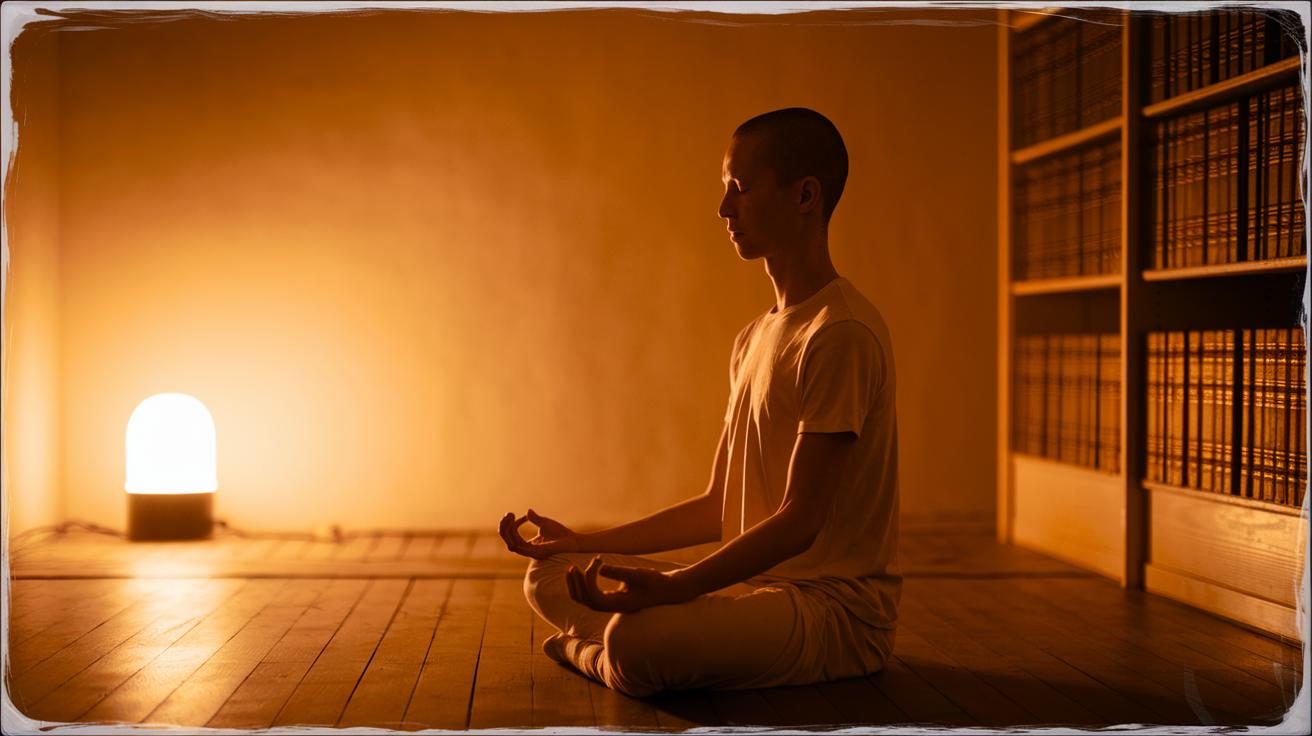
Start by finding a spot where you feel at ease. Sit on a firm surface with your feet flat on the ground or with your legs crossed and keep your back straight while letting your shoulders drop naturally. This simple stance helps you feel grounded and ready for meditation. Think of it like sitting as solid as a tree with deep roots, steady and calm.
Next, turn your attention to your breathing. Try a 5-minute breathing meditation by sitting quietly, closing your eyes, and noticing each breath as it goes in and out. If you're short on time, a quick 3-minute breathing break works too. Imagine every breath filling you with calm, much like watching soft waves roll onto a quiet shore. These exercises help calm your mind and sharpen your focus by keeping you in the moment.
Lastly, add an awareness practice like a body scan. Gradually shift your attention from the top of your head down to your toes. Pay attention to any feelings or sensations without trying to change them. Picture yourself taking a gentle stroll through your body, noticing each feeling the way you might admire different colors in a painting. This simple exercise helps you see your thoughts and emotions as they pass by without judgment.
- Proper posture in meditation exercises
- Breathing techniques in mindful meditation
- Concentration and meditation exercises
Bringing these techniques together lays a strong foundation for mindfulness. They help you find calm clarity and a more centered state of mind.
Benefits of Mindfulness Practice for Well-Being and Stress Reduction
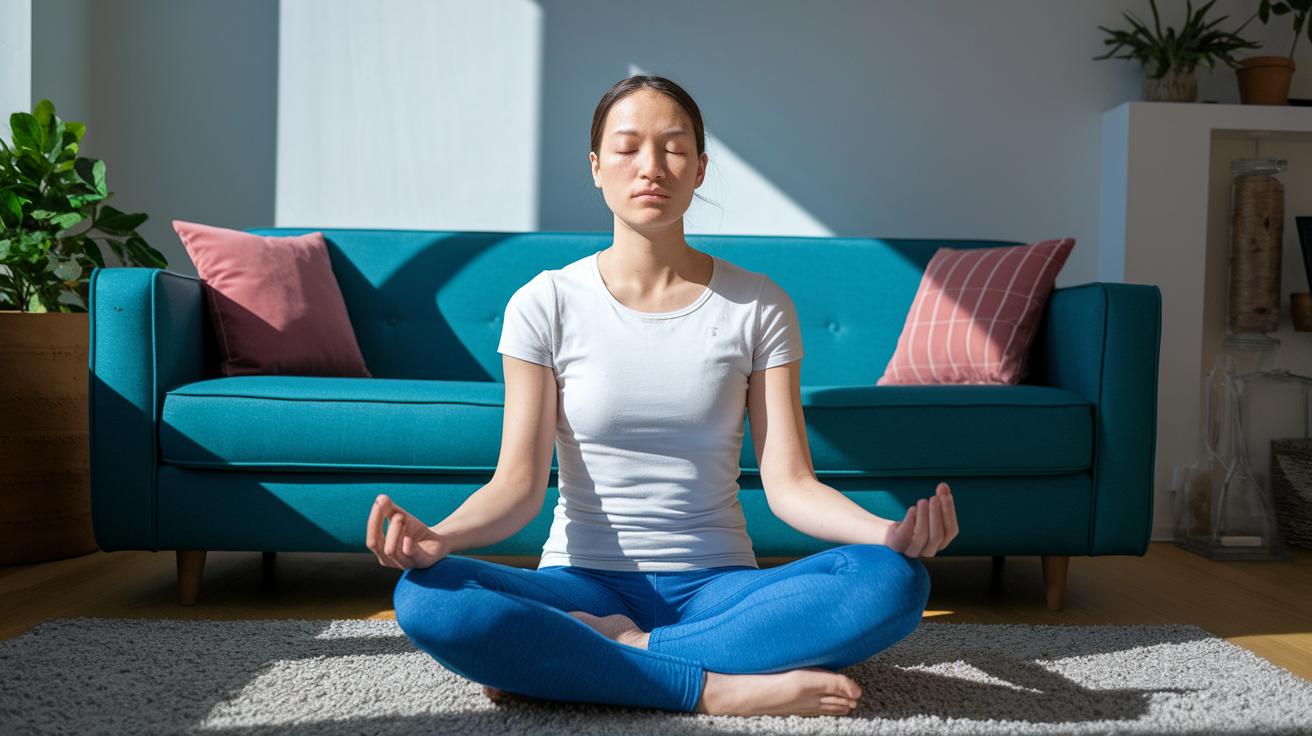
Mindfulness practice can do great things for both your mind and body. By staying focused on the here and now, you can lower stress by cutting down on stress hormones (the chemicals your body releases when you're tense). It feels a bit like easing into a calm rhythm where each breath is as gentle as a small wave on a quiet shore.
Studies show that this simple practice helps you relax deeply and keep your emotions steady. When you notice your thoughts and feelings without judging yourself, you’re more likely to make clear, thoughtful choices instead of snapping reactively in tough times.
For those dealing with ADHD symptoms, simple exercises like deep breathing or a quick body scan can really help. Even a short, guided session can clear away the clutter in your mind, making it easier to focus on your daily tasks.
Mindfulness can also help you sleep better. By calming your mind and reducing anxiety, it creates a space for a peaceful night’s rest. When you swap out racing thoughts for a focus on the present moment, you open up the door for deeper, uninterrupted sleep.
| Benefit | Description |
|---|---|
| Stress Reduction | Helps cut down stress hormones and calms your nerves |
| Emotional Balance | Helps manage your feelings and responds calmly |
| Improved Sleep | Creates a relaxed state for better sleep at night |
| Better Focus & Decisions | Makes it easier to stay clear-headed and avoid snap choices |
All these benefits show that mindfulness can help you live more thoughtfully and feel better overall.
Everyday Mindfulness Exercises for Focus and Calm

Try fitting these simple exercises into your day to help clear your mind and relax your body. Each one is a little invitation to bring calm and focus, even when your day feels busy.
-
5-4-3-2-1 senses exercise: Look around and name five things you can see, listen for four different sounds, feel three textures nearby, sniff two distinct smells, and notice one taste. For example, you might spot a bright red apple on a table or hear the quiet hum of a fan.
-
Mindful eating: While you eat, take a moment to really notice your food. Look at its color, breathe in its scent, feel its texture, and enjoy its taste. Imagine pausing between bites to truly savor each flavor.
-
Mindful walking: As you walk, pay close attention to each step. Feel the ground under your feet and notice small details like the whisper of leaves. It’s a bit like slowly filling a glass with water, each step adds a little more calm.
-
Body scan meditation: Sit in a comfortable spot and slowly shift your attention from the top of your head to the tips of your toes. Notice any areas of tightness and then gently let them relax.
-
Gratitude list and mindful listening: Write down three things you’re grateful for today or try giving someone your full attention during a chat. This simple act can bring a sense of calm and help you feel more connected to the world around you.
Evolution of Mindfulness Practice: From Therapy to Modern Methods
Mindfulness started long ago in ancient meditation traditions but has grown and adapted for today's busy lives. In the 1990s, a therapy called Dialectical Behavioral Therapy added simple mindfulness skills to help people notice, describe, and gently engage with their feelings. This approach taught them to use their "wise mind," a calm state where you look at your thoughts and body sensations without feeling overwhelmed.
Think of it like finding a handy tool for self-reflection, much like a painter mixing colors to create something beautiful, people learned to blend mindfulness into their everyday routine.
By 2007, group therapy using these DBT mindfulness techniques showed it could ease social anxiety just as well as traditional methods like cognitive-behavioral therapy. This breakthrough led to more research and a wider acceptance of mindfulness in clinical settings. Over time, mindfulness has become a practical method not only for therapy but also for everyday life, offering a flexible way to bring calm and clarity to daily experiences.
Building a Regular Mindfulness Practice: Getting Started Guide
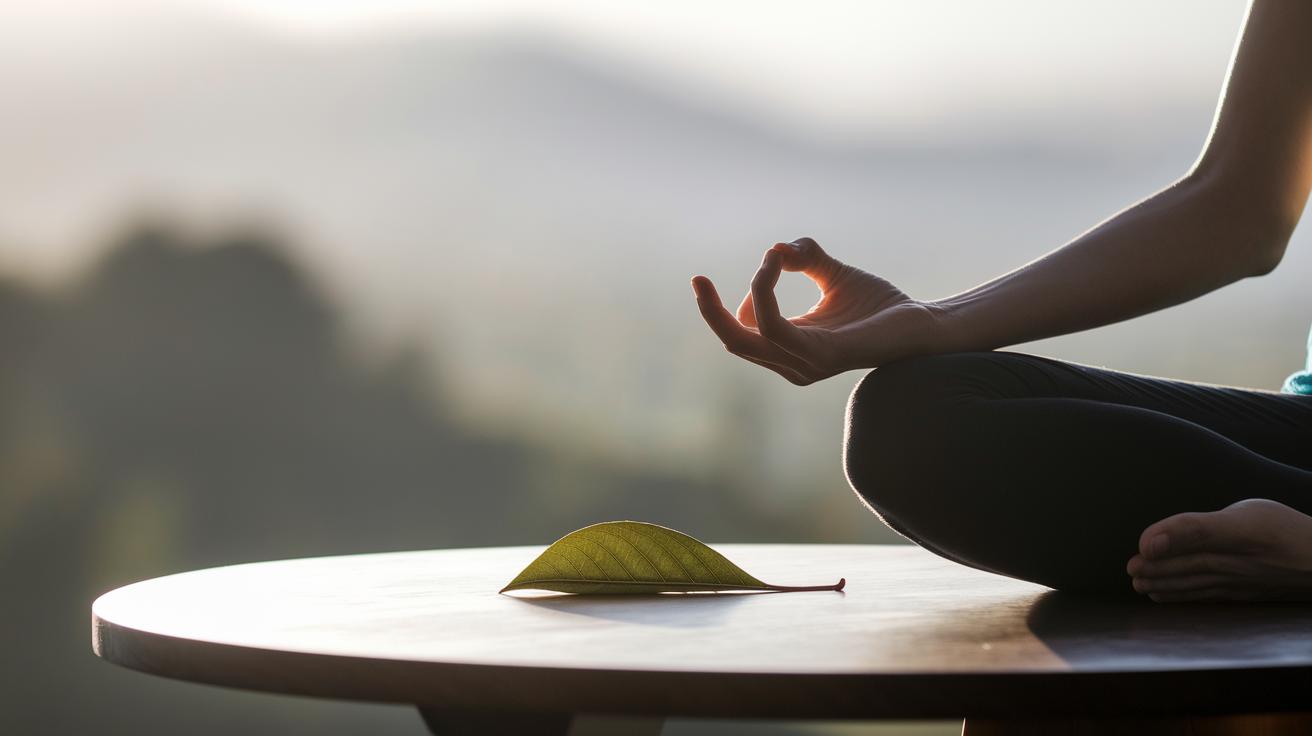
Start your mindfulness routine with short, simple sessions. Try a 3-minute breathing exercise or spend five minutes focusing on a single leaf. Imagine taking a slow breath and feeling the cool air at your nostrils before it fills your lungs, that little moment can bring calm without overwhelming you.
Make a habit of setting aside a few minutes each day. You might combine your practice with a daily ritual, like enjoying a quiet moment with your morning coffee or unwinding after work. A phone reminder can nudge you to pause, breathe, and be in the moment.
Experiment with different methods until you find what feels right. Look into mini-courses, local workshops, or free guided meditations to mix things up. For some extra ideas, you could listen to tips from a short meditation podcast. Variety keeps your routine fresh and engaging.
- Try brief sessions such as a 3-minute breathing exercise or a focused leaf meditation.
- Pair meditation with a daily activity to help build consistency.
- Explore options like courses or workshops to see what works best for you.
As you keep up with your practice, revisit helpful tools like stress management techniques for anxiety or journal prompts for mental health. With just a few mindful moments each day, you'll create a lasting habit that brings steady calm and clarity to your life.
Final Words
In the action, we explored what is mindfulness practice by showing how it means staying present and fully engaged with each moment. We broke down simple techniques like proper posture and deep breathing while explaining how these methods lower stress and boost focus.
We also looked at everyday exercises that bring calm and traced mindfulness’s shift from ancient methods to modern routines. Keep practicing, and remember that even small steps can lead to a brighter, more relaxed life.
FAQ
Q: What are the 5 basics of mindfulness practice?
A: The five basics of mindfulness practice include focusing on the breath, keeping a comfortable posture, gently noticing thoughts, accepting feelings with kindness, and engaging in simple exercises to remain present.
Q: How do you practice mindfulness in daily life?
A: The approach to practicing mindfulness in daily life involves integrating brief pauses, mindful walking, focused breathing, and paying attention to everyday activities to stay present and aware throughout the day.
Q: What are the benefits of mindfulness?
A: The benefits of mindfulness include reducing stress, improving sleep, balancing emotions, enhancing focus, and encouraging more thoughtful, calm responses to everyday challenges.
Q: Can you share some mindfulness exercises for adults?
A: The examples of mindfulness exercises for adults include the 5-4-3-2-1 senses activity, mindful eating, mindful walking, and the body scan meditation, all designed to boost awareness and calm.
Q: What types of mindfulness practices exist?
A: Different types of mindfulness practices include focused attention meditation, open monitoring meditation, and guided meditation, each offering unique ways to cultivate being fully present in the moment.
Q: What are 5 ways to practice mindfulness?
A: Five ways to practice mindfulness are by focusing on one’s breath, doing a body scan, engaging in mindful walking, using the senses exercise, and practicing mindful eating during meals.
Q: What is the meaning of mindfulness practice?
A: The meaning of mindfulness practice is about being fully present and aware of your thoughts, feelings, and sensations without judgment, which nurtures a calm and clear state of mind.
Q: What are the 5 R’s of mindfulness?
A: The 5 R’s of mindfulness involve recognizing your feelings, reflecting on them, responding intentionally, relaxing tension, and reframing thoughts to maintain a balanced, gentle perspective.
Q: How do I start practicing mindfulness?
A: Starting mindfulness practice means setting aside a few minutes each day for guided breathing or meditation, gradually building a simple routine that fits naturally into your daily schedule.