
Have you ever wondered if your meals could really boost your mood? A whole-diet approach isn’t just about planning meals, it means treating food as full nourishment for your body, mind, and heart. By choosing fresh, natural foods that work for you, you get the energy to truly feel vibrant every day. When you listen to your body, you lay a solid foundation for a life that feels as good as it looks.
Holistic Diet: Radiant Living Naturally

A holistic diet is more than just a meal plan. It’s a lifestyle that feeds your body, mind, and heart. This way of eating is built around whole, fresh foods like crisp fruits, colorful vegetables, whole grains, lean proteins, and healthy fats. It’s all about matching your food choices to your own unique needs so you can feel energetic and live vibrantly.
- Balance and Quantity: A smart mix of carbohydrates, proteins, fats, vitamins, and minerals that powers your day.
- Natural Alignment and Quality: Picking foods in their simplest form, without too much processing.
- Customization: Shaping your eating habits to fit your own health goals rather than following a one-size-fits-all plan.
- Sustainability: Choosing eating habits that are not just healthy but also practical and affordable in the long run.
These key ideas work together to create a full picture of wellness. When you pay attention to quality ingredients and the right blend of nutrients, you lay down a solid base for clear, steady energy and a healthier life. Personalizing your diet makes sure you get exactly what your body needs, while sustainable choices mean you can stick with it every day. Embracing this approach helps you see food as true nourishment, a simple way to add more vibrancy and joy to your life.
Nutritional Components of a Holistic Diet

A holistic diet combines big nutrients like carbohydrates, proteins, and fats with smaller ones such as vitamins, minerals, antioxidants, and amino acids. Carbs are your body’s fuel when you wake up, proteins help fix and build your muscles and tissues, and fats help your cells and hormones work right. Vitamins and minerals support your immune system and keep your brain alert.
When you fill your plate with foods like fresh fruits, vegetables, whole grains, lean proteins, and healthy fats, you’re giving your body a full mix of essentials. This blend helps power you through daily activities, boosts your immune system, and keeps your energy even throughout the day.
| Nutrient | Primary Function | Top Food Sources |
|---|---|---|
| Carbohydrates | Fuel your body | Whole grains, fruits, vegetables |
| Proteins | Build and repair tissues | Lean meats, beans, tofu |
| Fats | Keep cells working | Nuts, olive oil, avocados |
| Vitamins/Minerals | Control body processes | Leafy greens, dairy, legumes |
| Antioxidants | Protect cells | Berries, dark chocolate, green tea |
This well-rounded mix of nutrients lays a solid foundation for keeping you active, healthy, and full of energy every day.
Designing Integrative Holistic Diet Meal Plans for Daily Living

A meal plan that is both structured and flexible sets you up for a healthier day. It helps you figure out when to eat your meals and snacks while still leaving room for changes based on how you're feeling. This mix of routine and flexibility makes eating well easy and enjoyable.
- Prepare fresh fruits and veggies ahead of time to save time on those busy mornings.
- Try to eat your meals and snacks at the same times every day to keep your energy steady.
- Switch up nutrient-packed foods to add new flavors and keep things interesting.
- Watch your portion sizes to help maintain a steady boost of energy.
- Use seasonal ingredients to naturally vary your meals.
Making your own holistic meal plan means you can adjust tried-and-true ideas to fit your everyday life. For example, you might try a free one-day sample plan, a 7-day low-FODMAP recipe collection, or a 7-day CSID diet guide for inspiration. Keeping a food journal for a week or two is a smart idea, it lets you see how different foods affect your mood, energy, and digestion. By watching these trends, you can make thoughtful changes that keep your plan both practical and truly nourishing over time.
Mind-Body Connections in Holistic Diet Practices

Mindful eating means really noticing what you eat and how it makes you feel. When you take time to enjoy each bite, you pay attention to the textures, flavors, and that warm feeling that comes from a wholesome meal. Food isn't just fuel, it ties us to our emotions, family memories, and social moments. Many people find that eating slowly lets them fully appreciate each meal and tune into their body's own signals about hunger and being full. For instance, you might feel calmer after enjoying a plate of crisp vegetables and lean proteins.
Keeping a food journal can really boost this mind-body connection. By jotting down what you eat along with how you feel, like your energy levels or mood, you can start to notice patterns. This simple record helps you see which foods lift your spirits and which might cause discomfort. Over time, this self-awareness can guide you to fine-tune your eating habits, leading to a balanced and enjoyable relationship with food.
Sourcing and Selecting Whole Foods and Organic Ingredients for Your Holistic Diet

When you build a healthy diet, it’s best to pick foods that are close to their natural state. Fresh fruits and vegetables, raw nuts, and whole grains keep their full goodness when they aren’t heavily processed. This means you get more of the vitamins and minerals your body needs, just as nature intended.
Organic foods might cost a little more, but they bring extra benefits. Foods grown without synthetic chemicals, like glyphosate, a substance banned in many places, help you avoid unwanted additives. Choosing organic is an investment in your future health and supports sustainable farming practices. For example, tips from the Balanced Diet for Longevity show that eating nutrient-rich, chemical-free foods can make a big difference in how you feel.
It also helps to choose seasonal foods. Local produce often bursts with flavor and packs more nutrients. By opting for seasonal items, you enjoy fresher meals, support local growers, and keep your budget in check.
Practical Tips and Recipes for Holistic Diet Meal Preparation

Protein-Rich Legumes and Grains
Beans like black beans, chickpeas, and lentils pack a serious protein punch and are full of B vitamins and fiber to keep your muscles strong and your digestion on track. Whole grains, such as brown rice and quinoa, give you long-lasting energy and extra fiber. Think of it like this: every spoonful of hearty lentils supports your body and rewards you with a satisfying chew. Imagine enjoying a warm bowl of quinoa mixed with black beans on a hectic day, it’s fuel that feels both good and comforting.
Healthy Fats and Sweeteners
Avocado, nuts, and extra virgin olive oil are nature’s treats for boosting flavor and health. Avocado adds a creamy texture along with healthy fats that help your cells work well. Nuts bring a satisfying crunch and natural oils that support your brain. Extra virgin olive oil mixes everything together smoothly. Natural sweeteners like maple syrup, dates, or coconut sugar are a tasty switch to processed sugar, giving a touch of sweetness without the wild blood sugar spikes. Picture drizzling a little olive oil over a fresh salad and finishing it off with a dash of maple syrup, it’s a light, balanced burst of flavor.
When these ingredients come together, they create a menu that’s fun and well-rounded. By blending protein-packed beans and whole grains with nutritious fats and natural sweeteners, you can put together meals that feel satisfying, boost your overall well-being, and celebrate creativity in flavor.
Long-Term Strategies for Sustained Holistic Diet Practices

Sticking to a healthy, all-around diet means making good food choices a part of your everyday life. Keeping a simple food journal, like jotting down what you eat and how you feel afterward, can show you which foods lift your energy, brighten your mood, or help your digestion. It’s a bit like watching the sunrise and noticing how it changes the day! Over time, this log can help you fine-tune your meals. And if you’re unsure, chatting with a nutrition expert can offer tailored advice as your needs shift. They might help you see small hints your body gives, so you can adjust your portion sizes or when you eat.
Take a moment now and then to check how you source your food, and think about the personal and cultural connections you share with what you eat. Short, weekly reviews can reveal patterns that make your meals even more satisfying. If you ever need a bit more guidance, why not ask a trusted health advisor? There are plenty of lifestyle tips out there, like those at How to Live a Healthy Lifestyle, to help you keep your eating habits practical, budget-friendly, and flexible as you grow.
Health Benefits and Scientific Evidence of a Holistic Diet
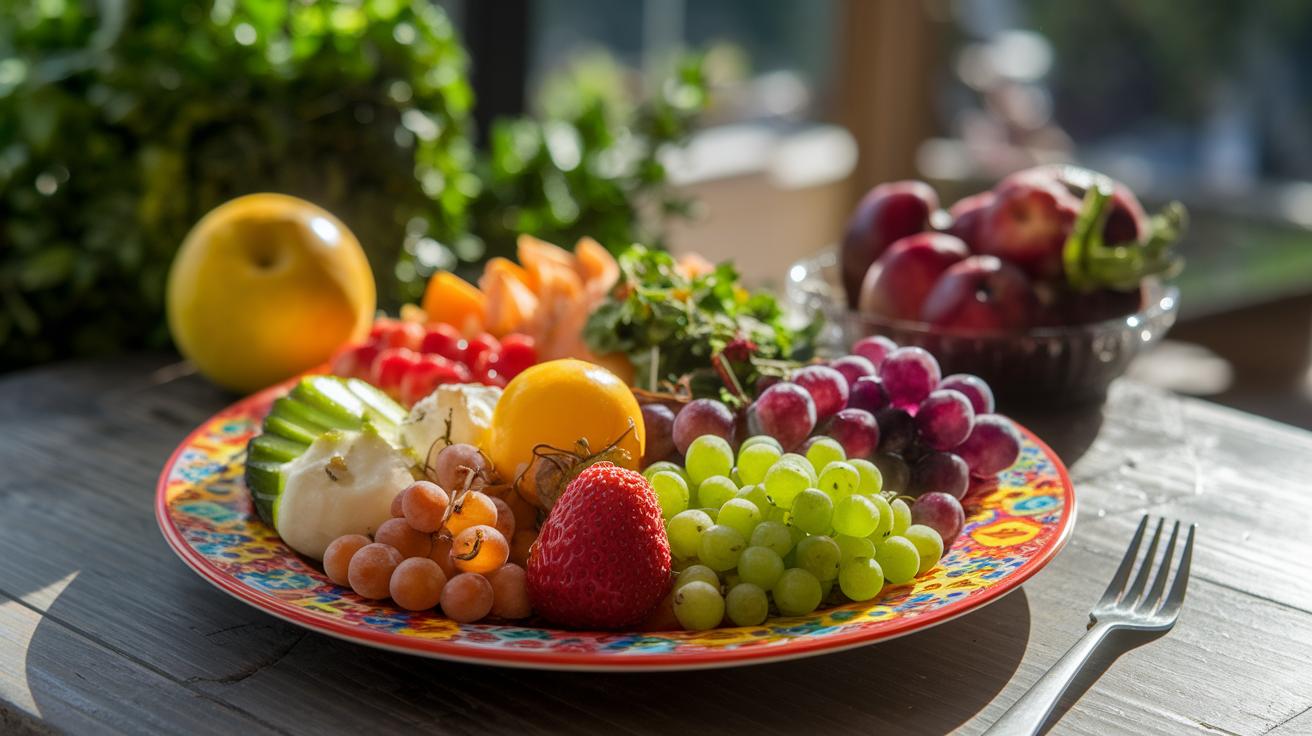
Many studies show that choosing whole foods and carefully sourced nutrients can do much more than just fill you up. A diet filled with natural foods gives you a boost of energy and helps keep your weight in check. This happens because balanced carbs, proteins, and fats work together to keep your blood sugar steady. Fruits and vegetables offer antioxidants, these are natural helpers that fight off harmful substances in your body, which can clear your mind and lower the risk of long-term illnesses. Think about a bright plate of food that not only makes you feel refreshed, but also brings back memories of sunlit family meals.
Research has also confirmed that eating a variety of natural, nutrient-packed foods can really improve how you feel day to day. When your body gets a mix of vitamins, minerals, and essential fatty acids (fats that help your body function properly), it runs more smoothly. This smoother running can help you think more clearly and even strengthens your immune system, making everyday tasks feel easier. In short, sticking to whole foods can give you immediate energy and build a foundation for long-lasting health.
Final Words
In the action of exploring how a holistic diet boosts mind, body, and spirit, we saw how whole foods, balanced nutrients, and mindful meal plans work together for lasting wellness. We examined meal customization, the value of organic choices, and even simple tips that make healthy routines fun and achievable. Every section highlights how practical steps can lead to improved energy, mental clarity, and overall well-being. Embracing this holistic diet can truly make our lives brighter and healthier.
FAQ
What foods are in a holistic diet?
The foods in a holistic diet include fresh fruits, vegetables, whole grains, quality proteins, and healthy fats that naturally nourish your body, mind, and spirit.
What is an example of holistic nutrition?
An example of holistic nutrition is a well-balanced meal made with unprocessed, organic foods that provide both macronutrients and micronutrients, supporting overall physical and emotional wellness.
What are the 8 pillars of holistic health?
The 8 pillars of holistic health typically cover balanced nutrition, regular physical activity, good sleep, stress management, emotional wellbeing, environmental factors, personal spirituality, and preventive healthcare.
Where to start with holistic nutrition?
Starting with holistic nutrition means focusing on whole, unprocessed foods and simple meal planning. It encourages you to explore balanced meals and mindful eating habits for lasting well-being.
What is a holistic diet food list?
A holistic diet food list includes nutrient-rich ingredients like leafy greens, colorful fruits, lean proteins, whole grains, and healthy fats that work together to promote body balance and energy.
What does holistic eating for beginners involve?
Holistic eating for beginners involves gradually replacing processed foods with whole foods, keeping a simple meal log, and experimenting with balanced recipes to easily build a healthier lifestyle.
What is a 14-day holistic diet?
A 14-day holistic diet is a structured plan that introduces nutrient-dense meals over two weeks. It helps you adjust to a balanced eating routine that nurtures both body and mind.
How does a holistic diet plan for weight loss work?
A holistic diet plan for weight loss focuses on balanced, portion-controlled meals rich in whole foods. It supports metabolism and promotes gradual, sustainable weight management paired with overall well-being.
What are holistic diet recipes like?
Holistic diet recipes emphasize simple, fresh ingredients and balanced macros, giving you flavorful meals that satisfy hunger while nourishing your body, mind, and spirit effectively.
What can you expect from a holistic diet book?
A holistic diet book typically offers clear natural eating guidelines, practical meal plans, and insights into how whole foods and mindful nutrition can enhance overall health and energy.
What does a holistic diet for dogs include?
A holistic diet for dogs includes natural, unprocessed ingredients that mirror a canine’s ancestral diet, promoting better digestion, improved energy levels, and overall health.
What is the role of a holistic dietitian?
A holistic dietitian tailors nutrition advice to your unique needs by combining whole-food principles with lifestyle strategies, ensuring your eating habits support overall wellness and vibrant energy.