
Have you ever paused during a busy day to notice what you're thinking and feeling? Imagine a clear space in your mind where you accept every moment without any judgment. That's what mindfulness is all about. It means paying close attention to what’s happening right now without worrying if it’s good or bad. Just think about how a few simple mindful minutes could ease your mind and bring a sense of calm into your daily life.
Understanding Mindfulness in Plain English
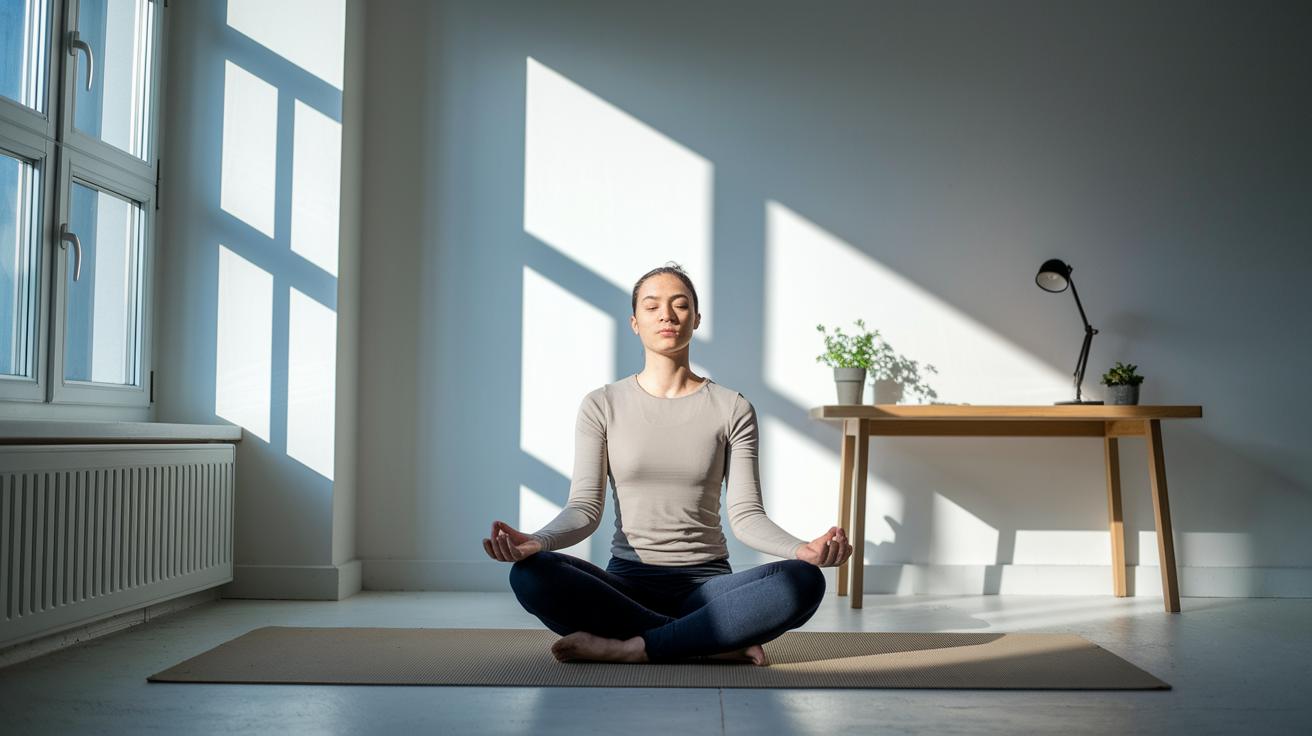
Mindfulness means noticing your thoughts, feelings, and body sensations without judging them. It’s about observing what’s happening right now without labeling anything as good or bad. This simple idea comes from old teachings in the Pali Canon, where early guides taught people to step away from the habits of constantly craving or resisting things that cause stress.
It’s explained in plain language so anyone can try it out. The goal is to experience the moment directly, without getting trapped in automatic thoughts. When you see things clearly, you can handle stress better.
For instance, if you notice a little stress building up, just take a moment to observe it without reacting immediately. This simple act helps keep your mind calm during busy times. It’s much like the approach in Mindfulness-Based Stress Reduction, where small moments of awareness become part of everyday life. Over time, focusing solely on the present lays the groundwork for a more balanced, peaceful mind.
Try incorporating this practice into your daily routine to ease everyday stress.
Basic Practice Steps for Mindfulness in Plain English

Begin with a quick mindfulness practice that fits right into your day. Try a few minutes, 5 to 10 at most, to gently build a habit and help your mind learn to focus. Even a short session can set you up for a calmer, clearer headspace.
- Sit comfortably with your back straight yet relaxed, imagine your spine is like a soft, supportive pillar.
- Close your eyes or keep them softly focused, and notice your slow, natural breaths.
- Pay attention to the way each breath feels as it enters and leaves your body, just like watching gentle ripples in a pond.
- Slowly scan your body from your head down to your feet, noticing any feelings you experience along the way.
- If your mind starts wandering or you feel a bit restless, simply bring your attention back to your breathing, like resetting a clock that's slowly drifting.
Regular short sessions remind you that just a few mindful minutes can ease your thoughts and help make every day flow more peacefully.
Mindful Awareness Fundamentals in Plain English

Mindful awareness is inspired by the Theravada tradition and practical tips from back in 1997. It invites you to simply notice your thoughts, feelings, and physical sensations as they happen, without trying to change them. This way, you can start to recognize patterns in your mind and body.
Picture this: you’re focusing on your breath, just letting it flow like the gentle push of a calm tide along the beach. This simple practice strengthens beginner techniques while nodding to the deep roots of ancient traditions.
If you keep practicing, you might find that mindful awareness helps uncover the cultural habits behind your reactions. Regular sessions can bring more inner calm and clearer insights, helping you feel balanced and clear-minded.
| Key Point | Description |
|---|---|
| Historical Insight | Rooted in the Theravada tradition and tips from 1997, offering a rich cultural background. |
| Simple Practice | Involves watching your thoughts, feelings, and body sensations without interference. |
| Advanced Applications | Helps reveal deep cultural influences and automatic reaction patterns. |
Simple Techniques Overview for Mindfulness in Plain English

Start with a few small exercises that help you practice mindfulness even on your busiest days. These quick practices last only 2 to 5 minutes and help you feel calmer and more focused.
- Breath awareness: Watch your breath as you breathe in and out. It is like noticing gentle ripples on water. You can learn more about mindful breathing and deep breathing at https://worthykaws.com?p=1253.
- Body scan: Slowly move your attention over your body from head to toe. Notice any feelings as if you are tuning into quiet signals from your muscles.
- Walking meditation: Pay attention to every step you take. Feel the ground under your feet and notice the rhythm in your stride.
- Mindful listening: Listen to the sounds around you. Let each noise for a moment be your focus.
- Mini pause practice: Take a short break during your day to sit quietly and check in with how you feel. This helps bring you back to the present.
Regular, short sessions like these give you simple tools to clear your mind and manage stress throughout the day.
Vipassana Explained Simply in Plain English

What is Vipassana?
Vipassana is a kind of insight meditation that comes from ancient Buddhist texts known as the Pali Canon. It shows you how to watch your thoughts, feelings, and body sensations without judging them. Imagine watching gentle ripples on a calm pond, each one is seen and then slowly fades away.
Core Principles
At its heart, Vipassana reminds us that every feeling and thought is temporary. By paying close attention to each moment, you can break free from the habit of chasing after only pleasant feelings or pushing away the uncomfortable ones. It’s a simple way to see the truth of life by recognizing that nothing lasts forever.
Beginner Tips
If you’re just starting out, try setting aside 5 to 10 minutes each day. Sit comfortably with your back relaxed and focus on your natural breathing. If your mind wanders, gently guide it back, like resetting a timer. Think of your mind as a calm lake, when a small ripple appears, let it pass and return your gaze to the still water.
Practical Guide to Inner Calm: Everyday Mindfulness in Plain English

Start your morning with a few quiet moments that easily fit into your routine. Try sitting comfortably before breakfast, letting your shoulders relax while you take slow, steady breaths as you sip your drink. This little break can clear your mind and set a bright tone for the day. Later, before meals, take a short pause to really notice the taste and texture of your food, it brings you right back to the present.
During your drive or while waiting at red lights, use those few extra seconds to be mindful. Even a tiny pause can ease away distractions and cut through stress. Planning a few mini-breaks during a busy day can help you stay sharp. You might even use a soft meditation cushion or an eco-friendly yoga mat to make these moments feel special. When you want a little extra guidance, listen to a friendly audio session on your phone. For more ideas, check out Meditation for anxiety (https://siluk.net?p=134) or Mindful breathing for emotional regulation (https://worthykaws.com?p=1278).
Small, regular steps like these build a simple routine that gently nurtures inner calm.
Final Words
In the action, we explored mindfulness in plain English, breaking down its core idea of bare attention and its ancient roots, yet modern appeal. We outlined simple steps to start with short sessions, be it mindful breathing, a body scan, or a walking meditation, and explained how Vipassana offers clear insight into our thoughts and feelings. Each tip is designed to help manage stress, safeguard your personal data, and fit seamlessly into your daily routine. Embrace mindfulness and take those small steps toward a brighter, healthier life.
FAQ
Where can I find different formats and online discussions for Mindfulness in Plain English?
Finding Mindfulness in Plain English in various formats such as PDF, EPUB, and audio is common online. Many readers discuss it on platforms like Reddit and Goodreads, sharing insights and recommendations.
What does Vipassana mean in Mindfulness in Plain English?
Vipassana in Mindfulness in Plain English refers to insight meditation. It focuses on non-judgmentally observing your thoughts, sensations, and feelings to recognize their changing nature and ease everyday stress.
What is mindfulness in simple terms as described in Mindfulness in Plain English?
Mindfulness in plain English means paying close attention to your thoughts, feelings, and body sensations without criticism. This clear, open awareness helps break stress cycles and promote calm throughout the day.
How can I practice mindfulness every day?
Practicing mindfulness daily involves brief, consistent sessions like mindful breathing, body scans, and walking meditation. These short practices integrate awareness into daily tasks, fostering inner calm even in busy routines.