
Ever thought that a little movement might give your heart a boost? It’s natural to feel like age slows things down, but even light exercise, like a slow walk or gentle stretches, can add some new energy to your day.
Picture each step as laying a small brick for building a stronger heart. Experts say that aiming for 150 minutes of moderate exercise a week can help improve strength, movement, and even your mood.
Whether you try simple seated warm-ups or enjoy a bit of rhythmic dance, taking things at your own pace today could pave the way for a healthier, more active tomorrow.
Senior Cardio Workout Foundations for Heart Health and Mobility

US guidelines suggest that older adults get between 150 and 300 minutes of moderate aerobic exercise each week. This helps keep your heart and lungs strong and lowers risks that come from sitting too long. Think of your exercise routine as building a wall one pebble at a time, each little bit makes a big difference.
When you work out, choose a pace where you can easily chat. Try doing each move for 30 seconds to two minutes and slowly increase your time as you feel more energized. This steady pace helps boost your heart and lung strength while keeping the workout safe. Start with simple exercises that let your body adjust naturally, much like enjoying a light stroll with a friend.
- Seated warm-up
- Standing circuits
- Rhythmic dance
- Interval walking
- Chair-based moves
Remember, progress comes gradually. As you grow more comfortable, try extending each activity a little or mix in gentle variations to challenge your body. Many experts recommend adding light resistance or balance exercises to help keep you steady and lower your risk of injury. Listen to your body, if a move starts feeling too easy, you can go a bit faster or hold it a bit longer. Small changes today can lead to a healthier heart and improved mobility tomorrow.
Home-Based Low-Impact Cardio Exercises for Seniors

Staying active at home can be fun and great for your heart. These simple, low-impact exercises need no equipment and can help improve your balance, boost circulation, and brighten your mood. You should work at a pace where you can easily chat, without getting too out of breath. For example, imagine a seated march that feels like a soft, steady drum beat in your chest. As you get more comfortable, try stretching each exercise from 30 seconds up to 2 minutes or more.
Marching in Place
Stand tall and gently lift your knees as if you were walking in place. Swing your arms lightly to build core strength and support your balance. If it feels too fast, slow down a bit; or, if you're ready for a challenge, lift your knees a little higher.
Side Step with Toe Tap
Step to one side and softly tap your toe next to you. This move helps to strengthen your hip muscles and build stamina. Begin with smaller, comfortable steps, and gradually widen them as you feel stronger.
Step-Back Jack
Stand with your feet together. Step one foot back while moving your arms gently. This exercise helps raise your heart rate without putting too much strain on your joints. If needed, slow down the pace or add a gentle arm swing as you improve.
Modified Jumping Jack
Step one foot out at a time with controlled arm movements, similar to a jumping jack. This move gives you a heart-pumping benefit while being gentle on your joints. For extra support, try doing it near a stable surface or counter, and increase your speed as you feel more confident.
Dancing Routine
Pick a song you love and let yourself move freely for about three minutes. Dancing is a fun way to boost your heart rate and lift your spirits. If you need extra support, dance while seated or near a counter.
| Exercise | Duration | Primary Benefit |
|---|---|---|
| Marching in Place | 30 sec – 2 min | Core strength, balance, circulation |
| Side Step with Toe Tap | 30 sec – 2 min | Hip strength, stamina |
| Step-Back Jack | 30 sec – 2 min | Gentle heart rate boost |
| Modified Jumping Jack | 30 sec – 2 min | Joint-friendly heart rate increase |
| Dancing Routine | 3 min | Heart rate lift, mood boost |
Interval and Circuit Cardio Routines Tailored for Seniors
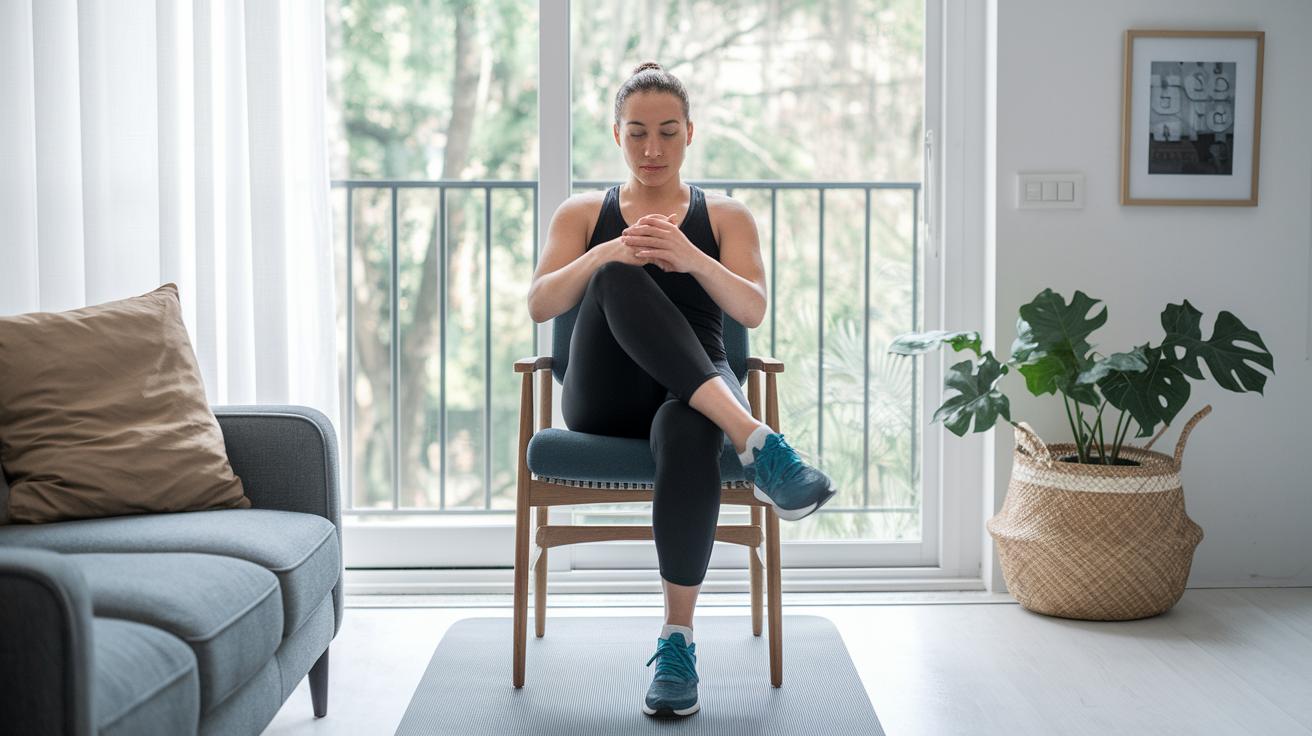
A 30-minute circuit workout is a smart way to boost your heart health while keeping exercise fun and simple. Think of it as a chance to work hard for a little bit and then lightly catch your breath in friendly bursts, a bit like chatting comfortably with a friend while on a walk.
Start with a 5-minute warm-up. You might try a gentle march or a few easy stretches to wake up your muscles. Next, do five intervals. In each interval, work at a moderate pace for 2 minutes. After each burst, take a 1-minute break. During this break, slow your pace with a light walk or simple movements that help your heart settle a bit before you start again. Add in a few gentle strength moves during these bursts to keep your muscles active without overloading your joints.
Finish with a 5-minute cool-down to slowly lower your heart rate. Try some calm walking or relaxing stretches. Aim to repeat this routine three times a week. As you get stronger, you can tweak the work and rest times a little. Remember, it’s all about listening to your body. Even small changes in pace can make each session just a bit more challenging, helping you build balanced strength and endurance in a stress-free, enjoyable way.
Seated and Chair-Based Cardio Workouts for Stability and Comfort
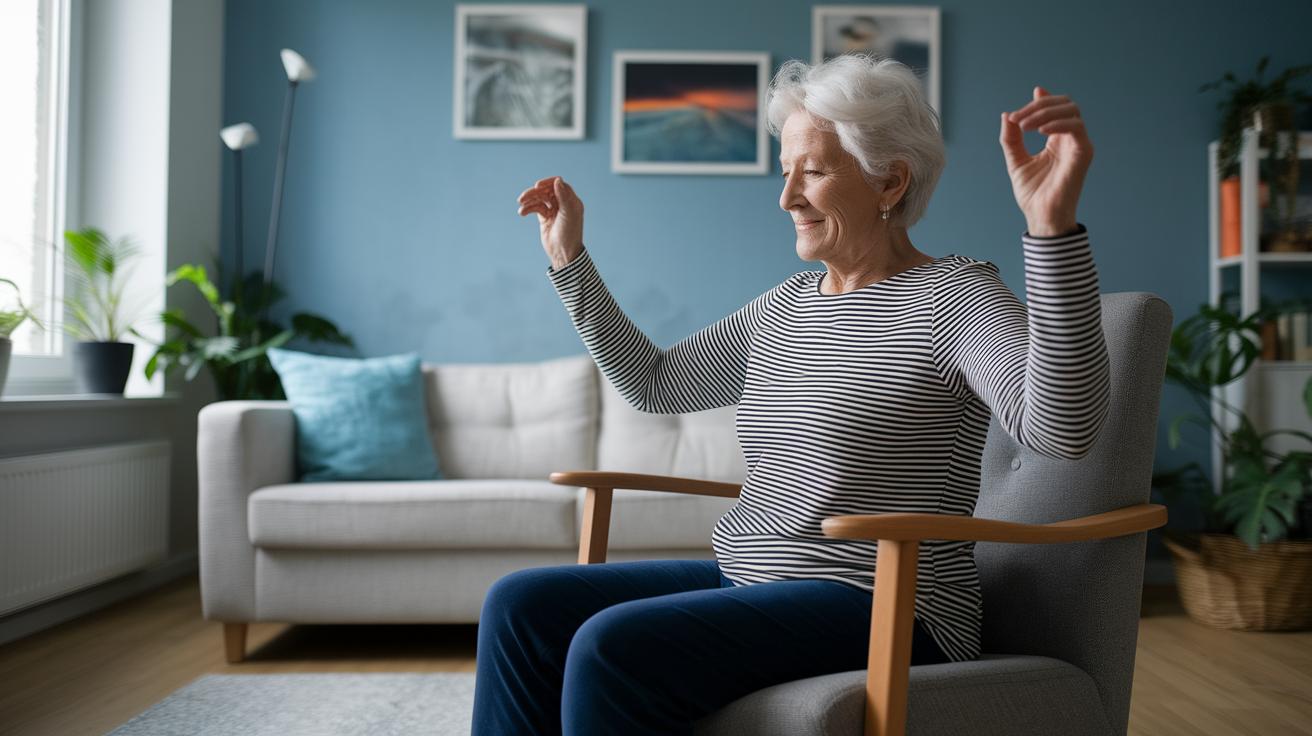
For many seniors, chair exercises are a friendly way to keep your heart active while feeling safe and steady. These workouts are made to match your mobility, letting you exercise while sitting down. You can even chat easily while moving, so you’re less likely to overdo it and more likely to help your blood move smoothly.
Try seated marching. As you gently lift your knees one at a time, keep your back straight to stay balanced. Another great move is chair jacks. Here, you open your arms and legs in a controlled way, working both your upper and lower body to get your blood flowing all over. You can also add upper-body punches and arm circles. Imagine throwing punches slowly, like you’re pushing away stress, for about 30 to 60 seconds per set. Aim for two or three sets of each exercise to build up your energy little by little.
Always check your posture. Sit up tall, relax your shoulders, and keep your feet flat on the floor. If you can comfortably hold a conversation while you work out, you’re doing it right. Enjoy the movement as it boosts both your stability and your heart health.
Precautions and Safety Tips for Cardio Workouts in Seniors
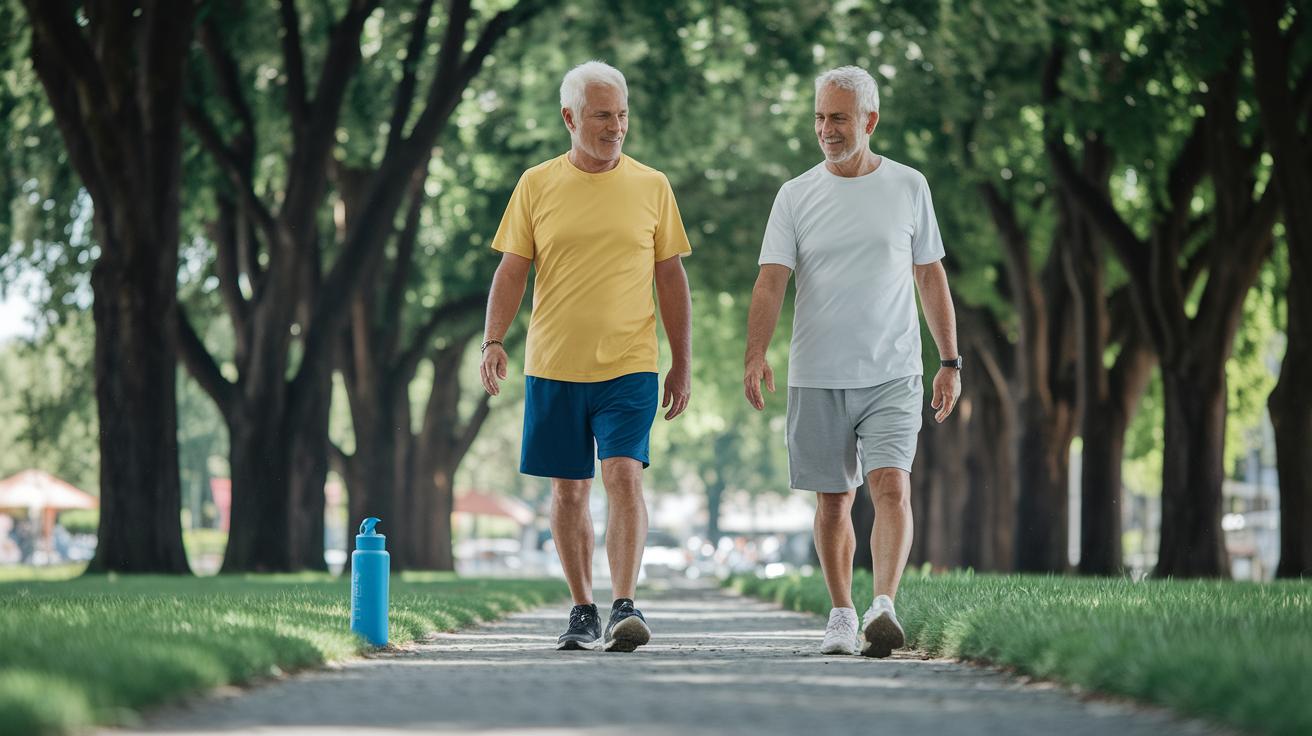
Before you start any exercise program, check in with your doctor and review any medications you're taking. This simple step helps prevent health issues and ensures your workouts match your current needs. Think of it like checking your car's engine before a long trip, you want everything in proper shape.
When you're exercising, aim to keep your heart rate between 50% and 70% of your maximum (that’s 220 minus your age). This range keeps things gentle on your joints while giving your heart a safe workout. Begin slowly, one senior shared, “I took gentle steps, and slowly my heart became more confident with each beat.”
Spend 5 to 10 minutes warming up and cooling down with some easy stretches. These routines get your muscles ready to move and help lower the risk of injury. Keeping a light pace at first helps your body gradually shift gears into movement and then back to calm.
Always keep water nearby to stay well-hydrated, and pay attention to how you feel. If you ever feel dizzy, get chest tightness, or have trouble catching your breath, stop immediately and take a short break before getting back to your workout.
Tracking Progress and Staying Motivated with Senior Cardio Workouts

Keep a simple log of your workout time and heart rate to see your progress over time. You can use a pedometer or your smartphone timer to track how many minutes you’ve exercised each week, and note how your heart feels during each session. It’s a bit like writing down fun moments in a journal, this way, you get to see how far you’ve come. For example, you might jot down, "I reached 150 minutes this week, and my steps went up by 500 from last week." This helps you recognize your achievements and adjust your routine to get even more active.
Set small, step-by-step goals to keep your motivation up. Aim for an extra 500 steps a week or celebrate wins like three days in a row of workouts. Try mixing up your routine with fun changes, such as following a new online video series. These little tweaks make each workout feel special and help you look forward to your next session, making every active minute count.
Final Words
In the action, this post walks you through senior cardio workout foundations, home-based low-impact moves, safe interval routines, and easy chair-based options. We touched on proper warm-ups, pacing, and tracking progress, all to build a routine that’s safe and effective.
The guidance shared here brings together key tips for a cardio workout for seniors that boosts heart health and everyday mobility. Stay active, enjoy a routine built for you, and keep smiling as you take each step forward.
FAQ
Q: What is the best type of cardio exercise for seniors?
A: The best type of cardio exercise for seniors is one that feels gentle and safe. Low-impact activities like brisk walking, dancing, or chair-based moves can keep the heart healthy while relieving joint stress.
Q: How can seniors enjoy a 30-minute cardio workout?
A: A 30-minute cardio workout for seniors can mix seated warm-ups, standing circuits, and rhythmic movements. This balanced session helps boost heart health and mobility without overwhelming the body.
Q: What cardio exercises can seniors perform at home?
A: Cardio exercises for seniors at home include marching in place, step-back jacks, modified jumping jacks, and short dancing routines. These moves are designed to strengthen the heart and improve balance right in your living room.
Q: Can seniors incorporate weights into their cardio workouts?
A: A cardio workout for seniors with weights can blend light resistance moves with aerobic activities. This combination gently raises heart rate while also building muscle strength over time.
Q: What cardio options work best for seniors with bad knees?
A: Cardio for seniors with bad knees works best when using low-impact exercises like chair routines or gentle walking. These moves support heart health while minimizing knee strain and discomfort.
Q: How many days a week should seniors do cardio workouts?
A: The best approach has seniors doing cardio workouts at least three days a week. This frequency aligns with health guidelines to steadily improve heart function and overall well-being without overexertion.
Q: Are there free cardio workout options available for seniors?
A: Free cardio workout options for seniors abound online. Many video guides offer home-friendly routines that require no equipment and focus on safe, low-impact exercises for lasting heart health.