
Ever thought about how a little change in your meal could boost your health? As we get older, the food we choose can shape how strong we feel and lift our mood. A balanced meal isn’t just about filling your plate, it’s about savoring every bite. Imagine a dish filled with bright vegetables, hearty grains, and lean protein, with just the right hint of refreshing fruit and water. This simple way of eating helps keep your body active and your energy up, proving that small steps can lead to big improvements.
Essential Components of a Balanced Diet for Elderly
A balanced diet for elderly folks means planning meals using a simple plate method. Fill half your plate with bright, colorful veggies, one-quarter with whole grains, and the last quarter with lean protein. Imagine starting your day with a fun fact, once you hit 60, your body burns fewer calories, so each bite really matters. This approach helps you keep your calories in check while boosting the nutrients you need as your metabolism slows down.
Research shows that seniors who stick to plant-based eating patterns, like those suggested in the Alternative Healthy Eating Index, Mediterranean, or DASH diets, are 1.86 to 2.24 times more likely to enjoy good health into their seventies. The key ingredients are fresh fruits and vegetables, whole grains, lean proteins such as wild-caught salmon and eggs, plus low-fat dairy. These foods pack the vitamins and minerals aging bodies need.
It’s also important to steer clear of ultraprocessed foods, trans fats, and too much salt, keeping your sodium below 2,300 mg a day is a good goal for heart and overall health. Staying well-hydrated plays a big role too. Try to drink about one ounce of water for each pound you weigh each day and add hydrating produce like watermelon, celery, or bell peppers to your meals.
By sticking with these basics for aged nutrition, older adults can help support their mind, body, and spirit while adapting to changing energy and nutrient needs.
Optimizing Macronutrients in a Balanced Diet for Elderly
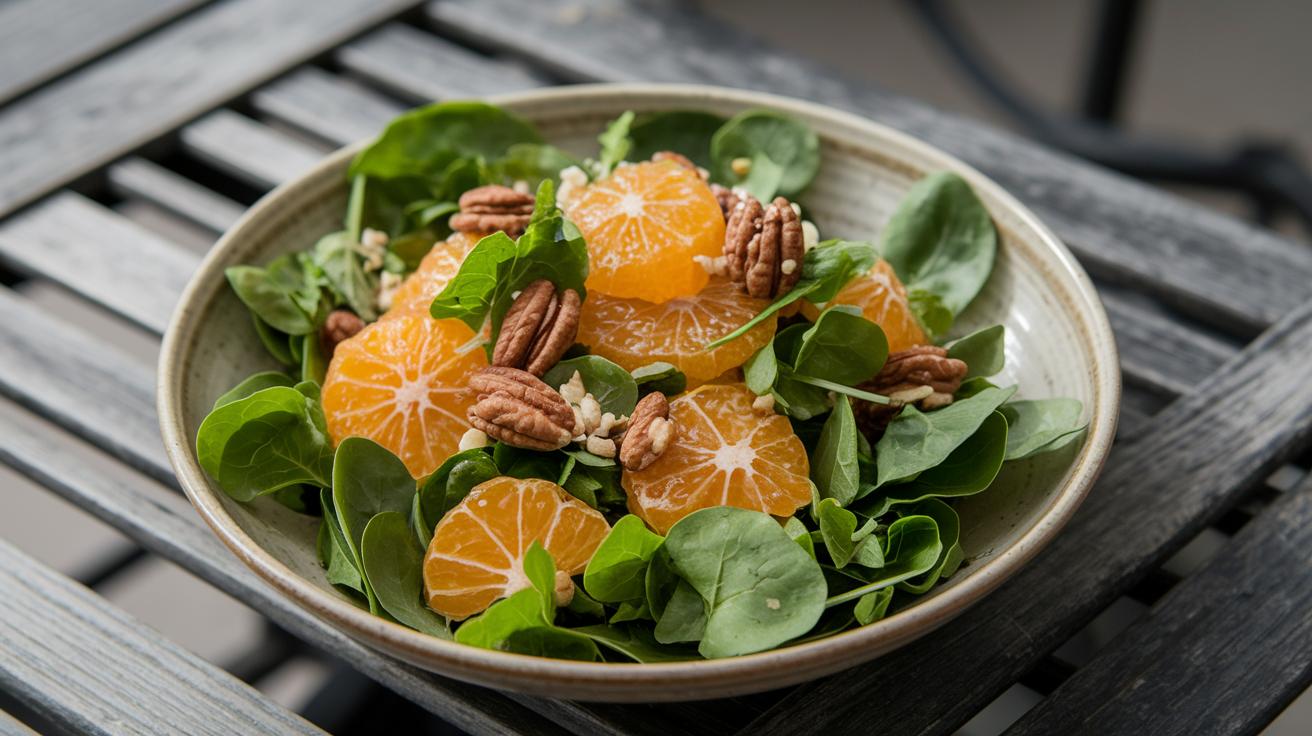
Proteins are key for building and repairing your body, especially as you age. It’s helpful to aim for about 1.0 to 1.2 grams of protein per kilogram of body weight using lean choices. Imagine a plate filled with wild-caught salmon, eggs, beans, or nuts. For example, you could grill salmon and toss it with a crisp, fresh salad for a delicious high-protein dinner.
Carbohydrates give you steady energy and fiber, which helps keep your blood sugar in balance. Choosing whole grains like oats, unprocessed wheat, or brown rice can keep you energized longer and support smooth digestion. Picture a warm bowl of oatmeal sprinkled with chopped nuts on a cool morning, it’s hearty, filling, and comforting.
Fats play an important role, too. Healthy fats from unsaturated oils, nuts, and seeds support your heart and provide essential nutrients while adding a tasty richness to your meals. At the same time, cutting back on red or processed meats, sugary drinks, and highly processed snacks helps you avoid extra calories and unwanted additives.
A balanced diet for older adults means mixing proteins, carbs, and fats in just the right way. This blend turns each meal into a celebration of taste and nourishment while meeting your changing nutritional needs.
Vital Vitamins and Minerals in a Balanced Diet for Elderly
As we get older, getting the right vitamins and minerals is more important than ever. Calcium, which you can find in milk, plain yogurt, and cheese, helps keep your bones strong and fights off osteoporosis. For example, you might add a serving of yogurt to your breakfast, it’s a tasty way to boost your calcium. Vitamin D works hand-in-hand with calcium to build strong bones, so choosing fortified dairy products is a smart move.
Other key minerals, like potassium and magnesium, help keep your heart healthy and your blood pressure steady. Leafy greens such as spinach, kale, chard, and arugula are rich in these minerals along with antioxidants that protect your cells. Imagine a fresh salad full of these greens, it’s as comforting as a gentle breeze on a warm day while taking care of your heart.
Citrus fruits, like oranges and grapefruits, give you a good dose of vitamin C along with potassium, brightening your day and supporting overall health. Dark berries such as blueberries, raspberries, and cherries are packed with natural flavonoids that ease inflammation and boost your immune system.
Legumes like chickpeas, black beans, and lentils are also great because they provide a mix of essential nutrients and help reduce inflammation. They’re hearty and versatile, making them a perfect addition to soups, salads, or stews. Combining these foods into your daily meals can help you meet the extra nutritional needs that come with aging.
Meal Planning Strategies for a Balanced Diet for Elderly
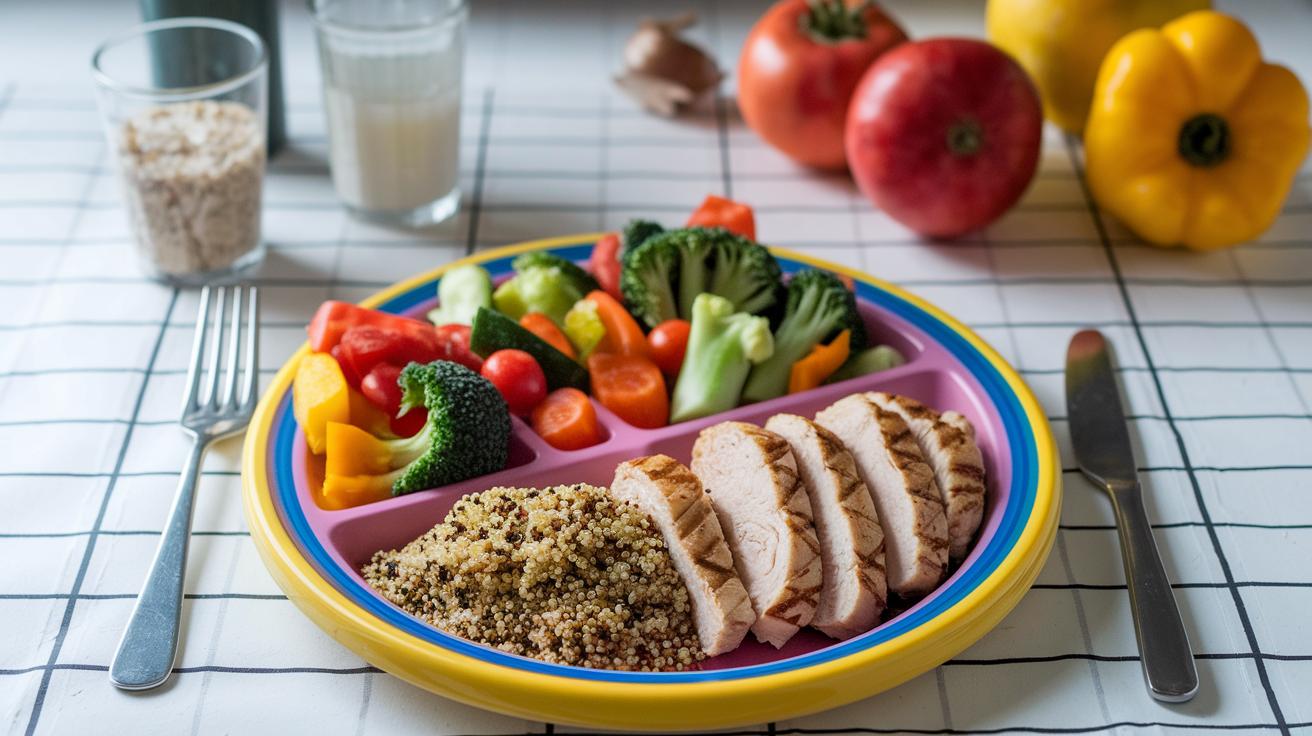
Start your week off with a simple meal plan that makes eating well a breeze. Try using a plate method: fill half your plate with colorful veggies, one-quarter with whole grains, and the remaining quarter with lean protein like chicken or fish. Sketching out your meals for the week can help you stay organized and make grocery shopping much easier. After you’ve set your schedule, check out a weekly meal planner to inspire your menu.
Imagine waking up to a burst of energy. A Greek yogurt parfait mixed with oats and berries can get your day started right. For lunch, picture a fresh salad full of mixed greens, chickpeas, quinoa, and a drizzle of light vinaigrette. Then at dinner, enjoy a tasty serving of grilled salmon alongside steamed broccoli and a side of brown rice, each bite packed with lean protein, fiber, and important vitamins.
Snacks are an important part of keeping your energy steady too. Go for easy options like apple slices paired with a bit of nut butter or crunchy carrot sticks dipped in hummus. These choices help curb sudden cravings and keep you feeling satisfied between meals.
When you make your grocery list, focus on high-fiber foods like lentils and leafy greens that help with digestion. Adding water-rich produce such as watermelon, celery, and bell peppers can also remind you to drink plenty of water. You might even consider setting daily water goals or scheduling little hydration breaks throughout your day.
If getting to the store feels like a lot, meal delivery services that accept SNAP EBT might be just what you need. They can bring fresh, nutritious ingredients straight to your door, making it simple to enjoy balanced meals, even on busy days or if you’re dealing with limited mobility.
Plan, prepare, and enjoy each meal that fuels your body with both great taste and good nourishment.
Managing Common Health Conditions with a Balanced Diet for Elderly
A balanced diet can really help manage common health issues as you get older. It works like a friend that supports you every day.
If you have high blood pressure, for example, keeping your daily sodium (the salt in your food) under 2,300 mg can make a big difference. Instead of reaching for salt, try fresh herbs and spices like rosemary or basil. They bring tasty flavors without adding extra salt.
For seniors dealing with diabetes, whole grains like brown rice or barley, which are low on the glycemic index (a way to measure how food affects blood sugar), can help keep your blood sugar steady. Skip the sugary drinks and consider a cool, unsweetened iced herbal tea that hydrates and refreshes without spiking your sugar levels. If cholesterol is a concern, start your morning with oats, grab a small handful of nuts as a snack, or add wild-caught salmon to your meals. These foods lower unhealthy fats while adding nutrients that are good for your heart.
Keeping a healthy weight is easier when you control your portion sizes and eat foods rich in fiber. Lentils and leafy greens not only fill you up but also help your digestion. If you often deal with constipation, aim for 25 to 30 grams of fiber each day. And if you need a little extra help, a fiber supplement might be a good idea.
Cutting back on fast food and alcohol can also lead to steadier blood pressure and fewer issues with medications. Small changes to the way you eat can work hand in hand with healthy nutrition to make sure you feel your best as you age.
Easy Cooking Tips and Recipe Ideas for a Balanced Diet for Elderly
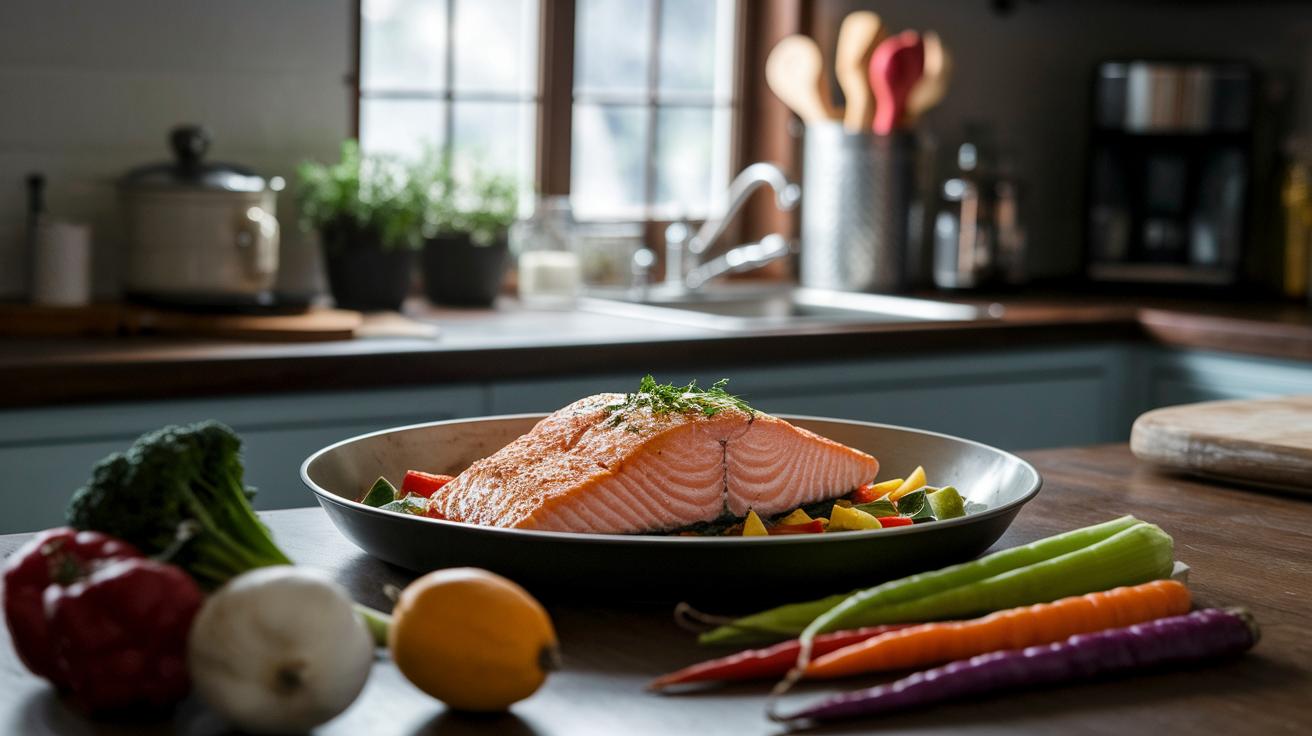
Cooking at home doesn't have to be a hassle. Quick recipes can turn mealtime into a fun and relaxing experience. One idea is a one-pan meal: think of delicious salmon roasted with fresh, seasonal vegetables all in one go. It’s a cost-effective dish that leaves you with less cleanup, and more time to enjoy your meal.
If you or someone you know has trouble with tougher foods, blended soups are a great option. A smooth vegetable soup is both nutritious and easy to chew. And for a snack, try microwave-steamed frozen veggies. They keep a little crunch but are soft enough for sensitive mouths.
Remember to practice safe food handling. Pre-chop fruits and veggies and freeze them in individual portions to save time later. Always cook poultry to an internal temperature of 165°F to keep meals safe.
Here are some quick tips:
| Tip | Details |
|---|---|
| One-Pan Meals | Simple recipes that cut down on prep and cleanup |
| Blended Soups | Smooth, nutritious meals that are gentle on the teeth |
| Pre-Chopped Produce | Freeze small portions to reduce cooking time |
These easy, budget-friendly recipes can make every meal feel like a cozy, home-cooked delight. Enjoy the process, and maybe even invite a friend to share in the cooking fun!
Final Words
In the action of exploring healthy food choices, we walked through how a balanced diet for elderly can boost overall health. We touched on smart meal planning, optimized macronutrients, vital vitamins, and easy cooking tips. The discussion highlighted daily habits and proven approaches, pairing nutritious food ideas with simple, safe preparation methods. Every step reinforces the magic of small, steady changes that support vibrant aging. Enjoy the process of trying out these ideas to make each meal a moment of wellness.
FAQ
Q: What is a balanced diet for the elderly?
A: A balanced diet for the elderly means using a plate method—half vegetables, one‑quarter whole grains, one‑quarter lean protein—with an emphasis on nutrient density, hydration, and fewer processed foods for overall health.
Q: What are 5 foods that seniors should eat every day?
A: Five everyday foods include leafy greens, citrus fruits, whole grains, lean proteins like fish, and low‑fat dairy to support bone strength, heart health, and a well‑balanced diet.
Q: What is the number one fruit that seniors should eat everyday?
A: The one fruit seniors might benefit from is an orange, which offers vitamin C and hydration benefits, supporting immune health and overall vitality.
Q: What should a 2 week menu include for an elderly person?
A: A two‑week menu should include balanced meals using the plate method, with varied vegetables, whole grains, lean proteins, and healthy snacks, while ensuring proper hydration each day.
Q: How can I plan a 7‑day meal plan or diet plan for seniors, including older women and 70‑year‑olds?
A: A 7‑day meal plan for seniors may feature meals like a Greek yogurt parfait with berries for breakfast, mixed salads with lean proteins for lunch, and grilled fish with vegetables for dinner—designed to meet nutrient needs.
Q: What are effective strategies to improve nutrition in the elderly?
A: Effective strategies include using a plate‑based approach, scheduling meals and snacks with nutrient‑rich foods, focusing on hydration, and choosing whole foods over highly processed options.
Q: Where can I find a balanced diet for elderly PDF?
A: A balanced diet for elderly PDF typically provides detailed meal plans, food lists, and portion guidelines, serving as a handy resource to help seniors make informed, healthy eating choices.