
Have you ever thought that your meal could act like a personal shield for your health? A balanced plate works like a team where every food has a job. Fresh fruits, colorful vegetables, lean proteins, whole grains, and healthy fats each add their own strength, building up your natural defenses from the inside.
When these foods come together, they make you feel strong and ready for the daily challenges. It’s like turning your everyday meals into a little army of wellness that keeps you energized and resilient.
Core Components of a Balanced Immune-Boosting Diet
Eating a balanced diet is a simple way to keep your immune system strong. It means filling your plate with different nutrient-packed foods that work together to keep you feeling good and ready for daily challenges. When you mix fruits, vegetables, lean proteins, whole grains, and healthy fats, it’s like assembling a team where every player has a unique role to help your body work its best.
No single food can do the job alone. Instead, combining foods loaded with antioxidants, immune-boosting vitamins, and protective minerals gives you a natural defense that helps keep you sharp and energetic.
For example:
- Citrus fruits: Packed with vitamin C, they help spark white blood cell production to support your body’s defense.
- Leafy greens: Full of antioxidants that soothe stress on your cells.
- Lean proteins: Provide amino acids needed for repairing tissues and making new immune cells.
- Whole grains: Deliver fiber that offers a steady release of energy and keeps your digestive system happy.
- Healthy fats: Make it easier for your body to absorb fat-soluble vitamins.
- Fluids: Staying well-hydrated helps move immune cells to where they’re needed most.
Bringing these foods together creates a plate that not only fuels you but also builds a strong, balanced system. Every color and texture plays its part in helping your body repair, recharge, and stay ready to take on the day.
Role of Vitamin C Sources and Hydration’s Impact on Immune Health
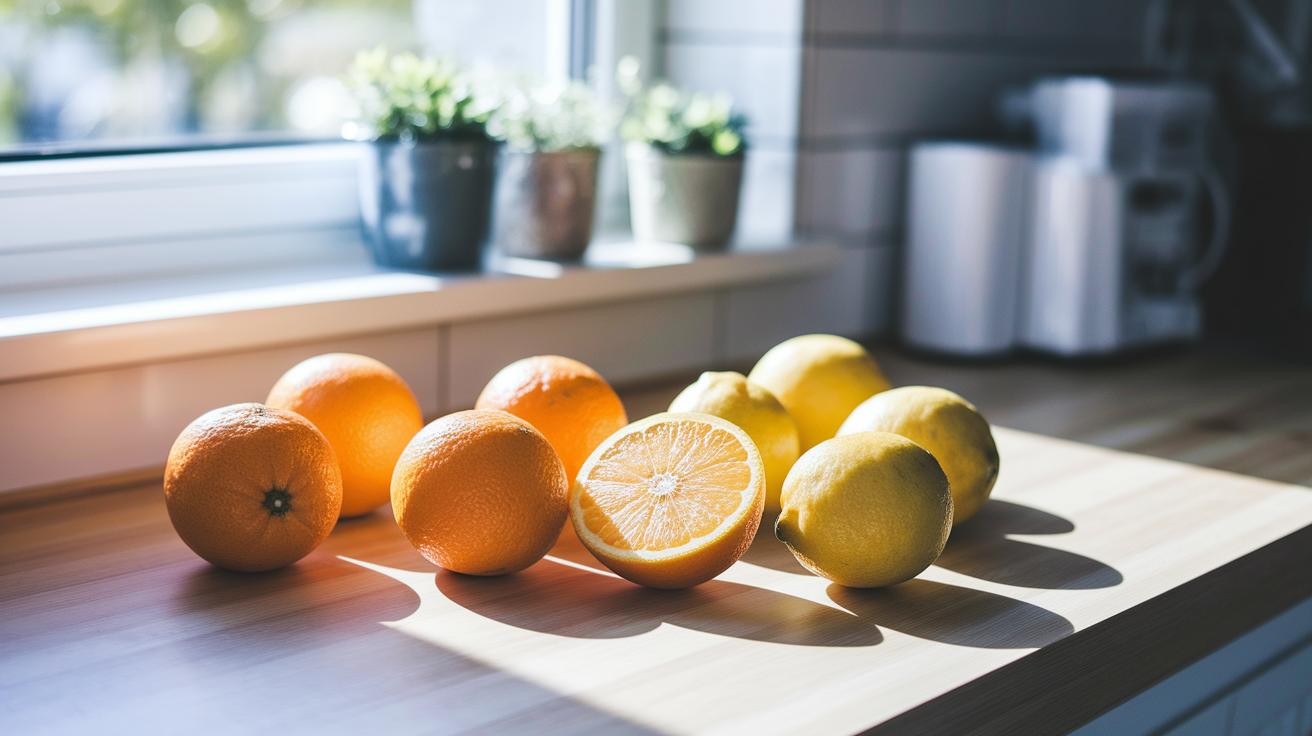
Vitamin C is a must-have nutrient that helps boost your white blood cells, these are the little defenders that keep you healthy by fighting off sickness. This vitamin kick-starts the process of making more of these cells, so your body can ward off infections more effectively.
For a quick look at the vitamin C levels in different fruits, check out this table:
| Fruit | Vitamin C (mg per serving) |
|---|---|
| Orange | 70 |
| Lemon | 30 |
| Grapefruit | 38 |
| Tangerine | 26 |
Drinking plenty of water is just as important because it helps your body make lymph, the fluid that carries these immune cells exactly where they’re needed. Try setting a few water breaks during your day, start with a glass right when you wake up and keep a refillable bottle nearby to sip throughout. A little squeeze of citrus in your water not only adds a refreshing twist but also gives you an extra boost of vitamin C, helping your immune system stay in top shape.
Leveraging Seasonal and Local Produce for Immune Resilience
When fruits and vegetables are in season, they pack the most nutrition. They grow under perfect conditions, which means they naturally contain more vitamins and minerals. This fresh, local produce really fits what your body needs at different times of the year. Imagine biting into a crisp apple picked from a nearby orchard rather than one that's been stored for months.
Colorful vegetables like deep reds, bright oranges, and vibrant greens are nature’s way of telling you they’re full of antioxidants and other good-for-you plant compounds. These natural helpers work together to protect your cells, ease stress on your body, and keep you feeling energetic. They not only make your plate look beautiful but also boost your overall health.
Organic options add another layer of defense. When you choose locally grown organic produce, you’re getting food with fewer pesticides. Clean ingredients help reduce inflammation in your body, which in turn supports a strong immune system. It's a tasty way to keep your diet balanced and nutrient-packed.
Building Consistent Dietary Habits for Long-Term Immune Support

Changing the way you eat for good takes time and patience. It usually means at least two months of sticking to a plan with balanced meals. When you choose foods that are full of good nutrients, you not only fill up but also help strengthen your immune system. Over time, your body gets used to these healthy routines, giving you steady energy and better protection every day.
Eating on a regular schedule is key for recovery and keeping your immune system strong. When you eat at set times, your body gets a constant flow of nutrients it needs to rebuild cells. For instance, grabbing a snack high in protein after a workout gives you amino acids, tiny building blocks that help fix your muscles and boost your immune power. By planning your meals during busy or hard times, you're helping your body stay resilient and heal naturally.
It’s also smart to talk with a health expert about your diet. Getting advice that’s just right for you ensures that your meal plan matches your own needs and goals. For more ideas on blending nutrition with overall wellness, you might want to check out the holistic guide to wellness at Siluk.net.
Practical Resources and Recipe Ideas to Strengthen Your Immune Diet
Cooking classes and recipe demos are a fun way to boost your immune diet. In these hands-on sessions, you learn to create dishes that help keep you healthy. You’ll practice making meals packed with good nutrients and get creative ideas to brighten up your kitchen.
Try these three types of recipes to add flavor and vitamins to your week:
- Meals: Imagine a warm vegetable and lentil stew that fills you with lasting energy.
- Smoothies: Picture a smoothie made with sweet berries, banana, and a handful of spinach to pack in vitamins.
- Snacks: Think of little energy bites crafted from dates, almonds, and a touch of honey, perfect when you’re on the go.
Using a weekly meal planner can help you keep your diet strong and balanced. This handy tool helps you set out recipes, smoothies, and prepped meals so that you always have a mix of healthy options lined up. By planning your week, you ensure that your dishes support your immune system. You might even join a cooking demo and then add your own twist to fresh recipes. Planning ahead not only boosts your nutrition but also makes your daily routine smoother and more exciting.
Final Words
In the action, we explored the core components that build a solid foundation for your immune system. We touched on nutrient-rich foods, vitamin C sources, proper hydration, and the benefits of seasonal, local produce.
We also shared practical recipe ideas and highlighted how consistent dietary habits contribute to long-term resilience. All these elements combine for a balanced diet for immune system that supports both physical strength and overall well-being. Embrace each step with confidence and enjoy feeling empowered every day.
FAQ
Q: What are some of the best immune-boosting foods?
A: The best immune-boosting foods often include citrus fruits for vitamin C, leafy greens for antioxidants, lean proteins for building blocks, whole grains for energy, and healthy fats for nutrient absorption.
Q: How can you boost your immune system naturally and quickly, even within 24 hours?
A: Boosting your immune system quickly involves staying hydrated, eating nutrient-rich foods, getting enough sleep, and managing stress to promptly support your body’s natural defenses.
Q: What can you drink to boost your immune system?
A: Drinking warm water, green tea, or freshly squeezed citrus juice provides hydration, antioxidants, and vitamins to help support and enhance your immune function.
Q: What is the Nutrition and Immunity PDF?
A: The Nutrition and Immunity PDF is a guide that explains how balanced eating and nutrient-rich foods support your immune system through clear steps and easy-to-understand data.
Q: How does eating healthy improve your immune system?
A: Eating healthy improves your immune system by supplying essential vitamins, minerals, and antioxidants that promote white blood cell production and help protect your body from infections.
Q: What is a balanced diet or the best diet for the immune system?
A: A balanced immune diet combines fruits, vegetables, lean proteins, whole grains, and healthy fats to provide vital nutrients that work together to keep your immune system resilient.
Q: What are five common signs of a weak immune system?
A: Five common signs include frequent infections, slow wound healing, persistent fatigue, ongoing digestive issues, and having frequent colds, each suggesting that your immune system may need extra support.
Q: Is it true that 70% of your immune system is in your gut?
A: Yes, most of your immune system is linked to gut health, where beneficial bacteria play a key role in fighting infections and maintaining overall immune strength.