
Ever notice how some people always seem so full of energy? It all starts with a plate packed with fresh fruits, crunchy vegetables, lean proteins, and whole grains. Eating well not only fuels your busy days but also helps lower the risk of heart problems, diabetes, and other health issues. Imagine swapping out processed snacks for a bowl of colorful, nourishing foods that keep you feeling good at work, during play, and while exercising. In short, a balanced diet gives you a steady boost of vitality and keeps you ready for whatever comes your way.
How a Balanced Diet Bolsters Overall Health
Eating a balanced diet means giving your body the right fuel for all it does. When you enjoy a mix of fruits, vegetables, whole grains, lean proteins, and healthy fats, you're helping to lower your risk of health problems like heart disease, type 2 diabetes, and certain cancers. Did you know that a simple bowl of mixed berries and spinach can pack in a burst of vitamins and antioxidants to protect your body naturally?
When most of your meals come from nutrient-rich foods, every part of you benefits, from the energy to walk and run, to the focus needed for work or play. It’s like filling up on high-quality fuel that keeps you strong and ready for whatever the day brings.
A colorful plate with a mix of different foods also makes sure your body gets the right vitamins, minerals, fiber, and antioxidants. Imagine starting your day with a meal that feels like a burst of morning energy, smoothing out those energy dips later on. Every bite you take builds up your immunity, giving you the strength to live fully and feel your best.
Disease Prevention Through a Balanced Diet

Eating well can truly change how you feel. One study with 460 overweight adults over 11 weeks found that meals low in saturated fat and cholesterol but high in potassium, magnesium, calcium, fiber, fruits, vegetables, whole grains, and low-fat dairy helped lower blood pressure without even changing weight. Imagine switching a salty snack for a bowl of fresh berries and leafy greens. That small change can boost your heart health.
Replacing some carbohydrates with healthier fats or proteins can also lower bad fats like triglycerides and LDL cholesterol. This means that every balanced meal supports your heart right away while building a strong foundation for long-term well-being. Research, like the nutritional weight wellness findings, shows that nourishing meals are key in keeping chronic conditions at bay.
Balanced Diet and Weight Management
Eating meals packed with good nutrients, like a big plate of colorful vegetables, whole grains, and lean proteins, helps you keep your calorie intake in check. When you listen to your body’s hunger and fullness signals, you naturally pick portions that satisfy without overeating. For instance, swapping a sugary snack for a bowl of mixed berries with low-fat yogurt is a simple, smart switch.
Cutting back on processed foods and refined carbs is another practical way to limit empty calories. Foods such as white bread or sugary treats might give you quick energy, but they also bring extra calories that could lead to weight gain. Instead, choosing whole foods loaded with fiber and nutrients helps keep your appetite steady and lowers obesity risks. Here are a few ideas:
- Replace refined carbs with whole grains.
- Opt for lean proteins like chicken or beans to curb hunger.
- Choose low-fat dairy to get a creamy taste without the extra fat.
For personalized advice on weight management, check out this balanced diet for weight loss link.
Choosing foods that naturally fuel your body creates a balanced approach to weight control. Each healthy choice adds up, turning weight management into a positive lifestyle change. Mindful eating habits make it easier to see steady improvements in your overall wellness.
Mental Clarity and Emotional Well-Being From Balanced Nutrition
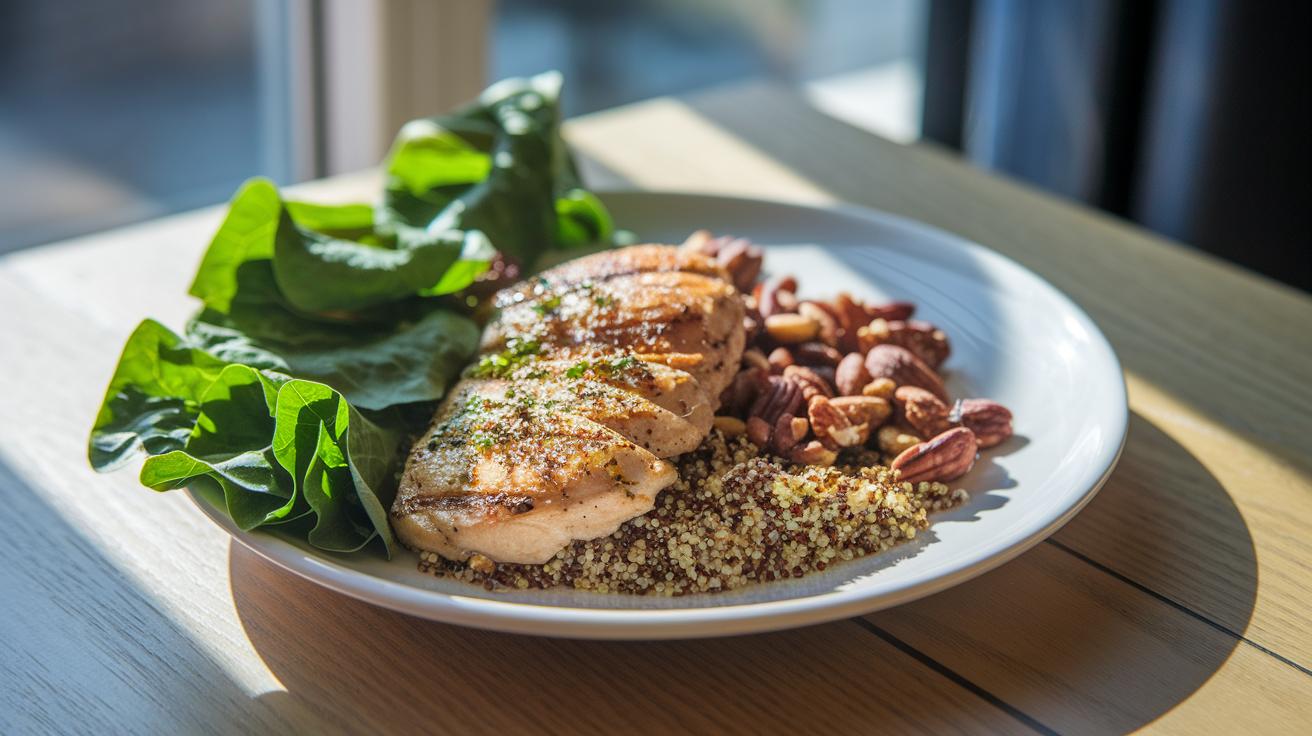
Eating a balanced diet does more than just give you energy, it also helps keep your mind clear. Did you know most of your serotonin receptors, which help regulate your mood, live in your gut? That means the foods you choose can really affect how you feel. Picture a plate filled with crisp leafy greens, hearty whole grains, lean meats or fish, a handful of nuts, and a drizzle of olive oil. This kind of meal not only builds your body but also supports a calm, focused mind.
When you make room for foods rich in vitamins and minerals every day, it’s like giving your brain a steady dose of premium fuel for clear thinking and emotional balance. Imagine starting your morning with a warm bowl of whole-grain cereal, sprinkled with nuts and finished off with a splash of low-fat milk. That simple routine can help set a balanced mood, giving you the clear headspace you need to tackle the day with a relaxed and confident spirit.
Benefits of Eating a Balanced Diet: Boost Vitality
Balanced meals help keep your energy steady throughout the day. Foods like oats, sweet potatoes, and whole grains, when paired with enough water, slowly release energy so you don’t feel a crash later on. Ever notice how a warm bowl of oatmeal with a little milk can kick start your morning without that sudden dip in energy?
Adding fiber and protein into your meals makes a big difference too. They help keep your blood sugar levels stable, so you avoid the quick ups and downs that come from eating foods that digest too fast. Imagine a lunch filled with quinoa, mixed greens, and grilled chicken that keeps you energized through the afternoon without any crashes.
Plus, whole foods bring vitamins, minerals, and natural compounds (phytonutrients, which help your body recover and perform well) that support not only energy but also your workout recovery and overall endurance. Picture finishing a workout and feeling truly refreshed because your body got just what it needed to rebuild and recharge. Every balanced meal acts like a mini power-up, keeping your metabolism on track and your vitality vibrant all day long.
Practical Meal Planning for a Balanced Diet
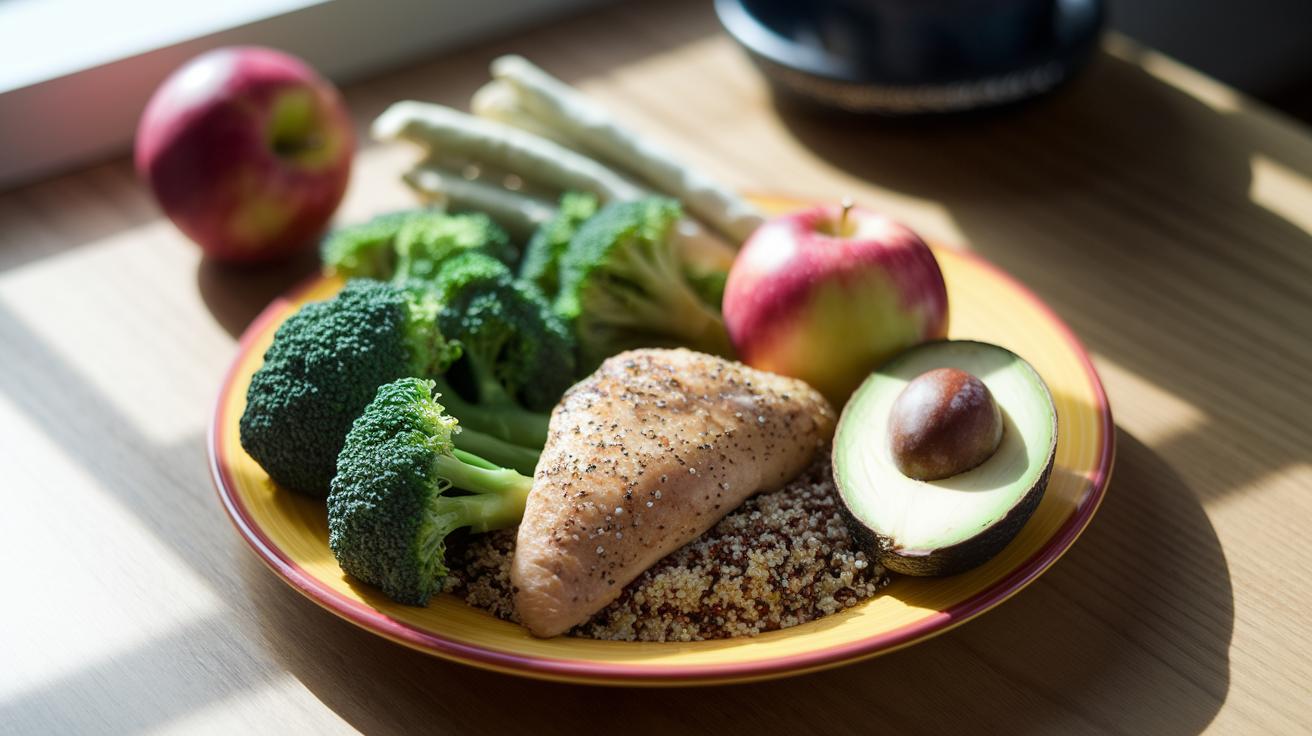
A thoughtful meal plan lays the groundwork for healthy eating. Start by including at least five servings of fruits and vegetables every day. Imagine filling your plate with the bright hues of apples, berries, broccoli, and carrots, a simple reminder to choose natural, colorful foods. Along with these, add whole grains like brown rice, quinoa, or whole-wheat bread, lean proteins such as chicken, fish, beans, or tofu, and healthy fats from olive oil, avocado, or sunflower oil. Keeping processed foods and refined carbs at a minimum helps your body digest food more easily. Watching your portion sizes is important too, as it means you balance proteins, grains, and vegetables perfectly.
| Food Group | Daily Servings |
|---|---|
| Fruits | 2 |
| Vegetables | 3 |
| Whole Grains | 3 |
| Lean Proteins | 2 |
| Healthy Fats | 2 |
Use this guide when planning your meals. For instance, you might begin your morning with a smoothie rich in fruits and add a bowl of oatmeal to get some whole grains. Later, you could enjoy a salad bursting with mixed vegetables, lean protein, and a splash of olive oil. Come mealtime, refer to this chart or use a weekly meal planner to keep your dishes exciting and nutrient filled. This simple, organized way of planning not only makes preparing meals easier but also ensures your body gets the right balance of nutrients.
Final Words
In the action, balanced diets help us feel strong and focused. From lowering risks of chronic conditions to keeping our energy steady, eating right has clear benefits. Every simple meal plan supports our physical and mental well-being.
Taking care of what you eat feeds both body and mind. The benefits of eating a balanced diet shine through every part of our daily routine, making health accessible and uplifting for everyone.
FAQ
What are the benefits of healthy eating and a balanced diet?
The benefits of healthy eating and a balanced diet include improved energy, mood, and concentration, along with a decreased risk of chronic conditions. Such meals offer essential nutrients for heart health, weight management, and academic performance.
What are the key items in a balanced diet food list?
A balanced diet food list is built on fruits, vegetables, whole grains, lean proteins, low-fat dairy, and healthy fats. These groups supply the vitamins, minerals, and fiber your body relies on every day.
How do I eat healthy food every day?
Eating healthy every day means planning meals with a variety of nutrient-rich foods like fruits, vegetables, lean proteins, and whole grains. Simple meal planning and portion control help make healthy choices routine.
What is a balanced diet?
A balanced diet means including a mix of food groups that deliver the nutrients your body needs. It features plentiful fruits, vegetables, whole grains, lean proteins, and healthy fats in proper servings.
Why is eating a balanced meal important?
Eating a balanced meal supports steady energy, mental clarity, and overall health. It helps manage weight, stabilizes blood sugar, and lowers risks of chronic conditions while keeping you satisfied.