
Have you ever wondered how to boost your energy without a gym membership? Many people once thought only intense gym workouts could keep your heart healthy and build strong muscles.
Even a small room can become your personal workout space with moves like jumping jacks and burpees. In this post, we'll show you how simple home cardio exercises can get your heart pumping, brighten your mood, and help you shed extra weight.
Get ready to ignite your energy and discover just how powerful a home workout can be!
Achieve Your Fitness Goals with a Cardio Workout at Home
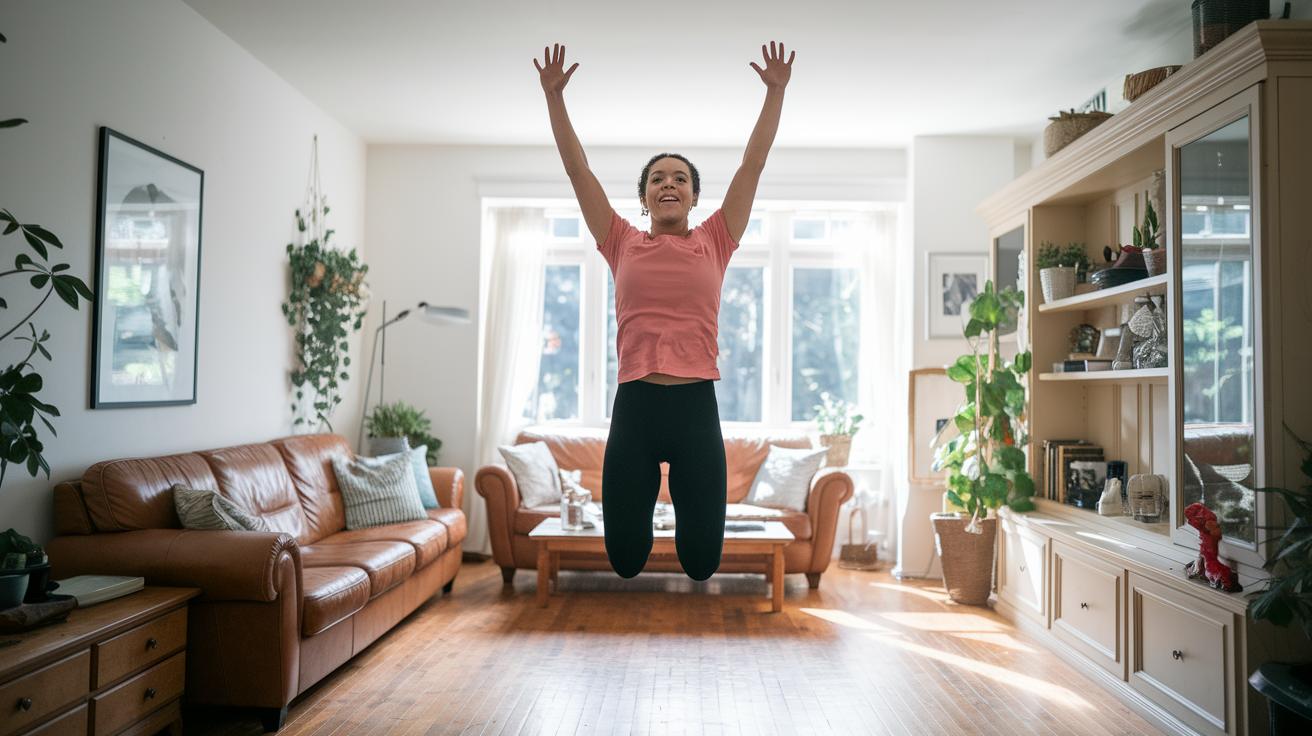
Cardio exercise means working out so your heart beats fast and your lungs stay busy. When you add HIIT, a form of quick, intense bursts of exercise, you get an excellent mix to help lose weight and boost overall fitness. Even at home, you can get a workout that feels like the gym, without needing pricey equipment. Imagine doing a routine with rapid moves like jumping jacks or burpees that get your heart racing and muscles engaged.
Did you know many folks once believed only gym workouts built endurance and strength? Turns out, even a simple home routine can completely transform your energy levels.
Home aerobic sessions help strengthen your heart, build endurance, and tone muscles. They also keep your blood pressure and blood sugar in check while releasing natural, mood-lifting endorphins to ease stress. Best of all, you use your own body weight for resistance, which makes it a breeze to work out regardless of your space or budget. With the right moves, you can create a balanced and effective fitness plan right in your living room.
Essential Warm-Up and Cool-Down in Your Cardio Workout at Home

Warming up gets your body ready for a safe, smooth workout. Start with simple moves like marching on the spot or gently swinging your arms for about three to five minutes. These actions help slowly raise your heart rate and warm up your muscles, setting you up nicely for more active exercises.
After your high-energy workout, take some time to cool down. Slow down with gentle stretches such as calf stretches or light quad pulls. This easing of your muscles helps lower your heart rate and keeps blood flowing evenly. Picture ending your session with a calm walk and a few stretches that give each major muscle group the attention it needs.
A proper warm-up and cool-down not only help prevent injury but also improve your performance during home cardio workouts. By preparing your body and then easing it back to a resting state, you make each workout both safe and effective.
Key Bodyweight Moves for an Effective Cardio Workout at Home
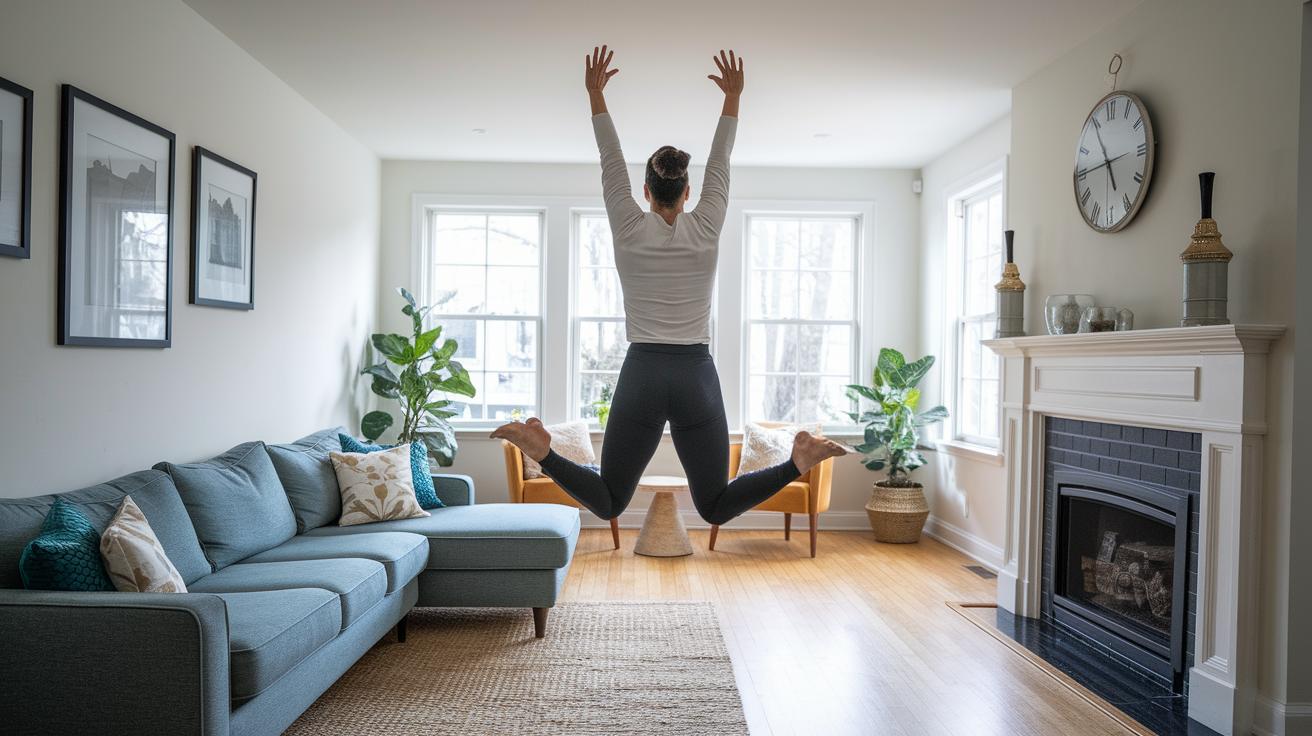
Jumping Jacks are a fun way to start your workout. They get your heart beating faster while working your arms, legs, and tummy. If jumping feels like too much, try step-outs by tapping your feet one at a time. Picture yourself dancing slowly at first, then pick up the pace when you feel ready.
Skip is another move that really wakes up your body. With high knees and arm pumps, it works your calves, bottom, tummy, and hip muscles. If you're just starting, go slowly until you build up strength and balance.
Ice Skaters help you move smoothly from side to side. Glide with a slight bend in your knees, like you're skating over soft ice. If you're new to this, make your hops shorter and focus on keeping steady.
Jump Squats mix a squat with a little jump to work your legs, bottom, and core. Not ready for the jump? Do just the squat until you gain strength and then try adding the jump gradually.
Burpees challenge your whole body. You start in a squat, drop into a push-up, and then jump up with energy. For a lighter version, skip the push-up step but keep your form strong.
Mountain Climbers get many muscles moving by bringing your knees up toward your chest from a strong plank position.
Single-Leg Hops and Side-to-Side Hops are great for balance and help tone your leg muscles. If you want an extra boost, try doing Single-Leg Hops on a step or stairs.
High Knees let you choose how hard you work. You can run in place and lift your knees as high as you feel comfortable, adjusting the speed to match your energy.
Crafting Beginner-Friendly HIIT in Your Cardio Workout at Home

If you're just starting with high-intensity interval training, it’s best to ease in with short bursts of activity. Begin with 20 to 30 seconds of exercise and gradually increase to 45 or 60 seconds as your strength grows. This step-by-step approach helps you build stamina safely without overdoing it.
Imagine reaching about 80% of your maximum heart rate, when your breathing gets heavier but you’re still able to push through. That’s your cue that you’ve hit your anaerobic threshold. It might feel challenging at first, but each session builds your endurance bit by bit.
For example, try doing 30-second bursts for your endurance drills. When you feel more comfortable, extend those bursts to 45 seconds and notice your stamina growing. You can also add quick sets of 8 to 15 repetitions focused on muscle strength before you settle into a full 30-minute routine that mixes practice with a solid cardio challenge.
Curious about diving deeper into HIIT? Look for detailed guides that walk you through every interval step by step. Keep each session structured by starting at a pace that feels manageable and gradually nudging the intensity upward. With regular practice, you’ll lay the groundwork for a safe and effective at-home HIIT workout.
Sample Daily and Weekly Cardio Workout at Home Plans
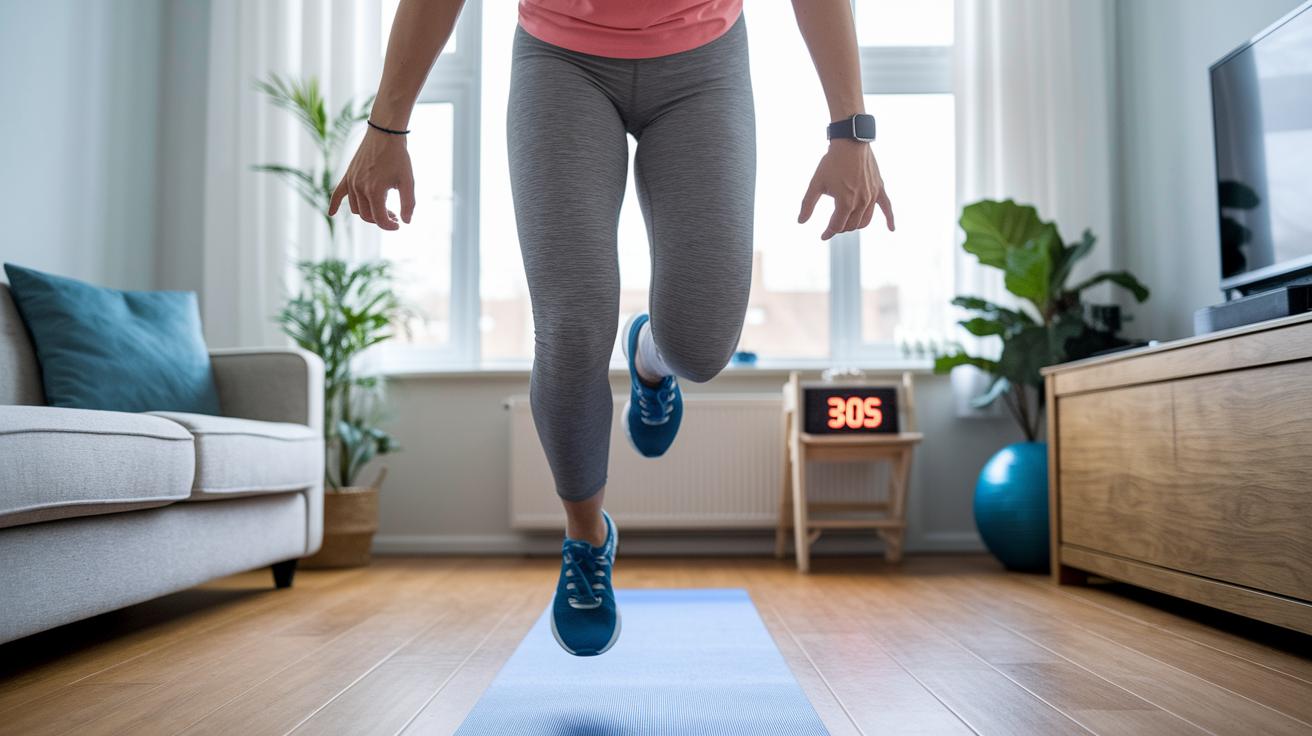
Start your week with a fun, simple exercise routine that lifts your spirits and builds your endurance. On Monday, try a 30-minute circuit made up of six exercises, each done for 30 seconds. You might begin with jumping jacks, then a steady burpee, and finish with high knees to get your heart racing and boost your calorie burn.
Wednesday brings a twist with stamina intervals. In this session, each exercise lasts 45 seconds, pushing your body to keep up the effort a bit longer. It’s like turning up the volume on your workout, helping you maintain energy and build lasting strength.
Friday shifts the focus to muscle strength. Choose exercises like push-ups or squats that you do for 8 to 15 repetitions each. These moves work your muscles hard while keeping your heart in the game.
Then on Sunday, wrap up your week with a 30-minute performance session that blends everything: endurance, stamina, and muscle strength. This final workout ties together your progress, giving you a balanced boost in energy and overall fitness.
| Day | Focus | Format |
|---|---|---|
| Monday | Endurance | 30s per exercise, 6 moves |
| Wednesday | Stamina | 45s per exercise |
| Friday | Muscle Strength | 8–15 reps per exercise |
| Sunday | Performance | Complete 30-minute session |
Cardio Workout at Home: Ignite Your Energy
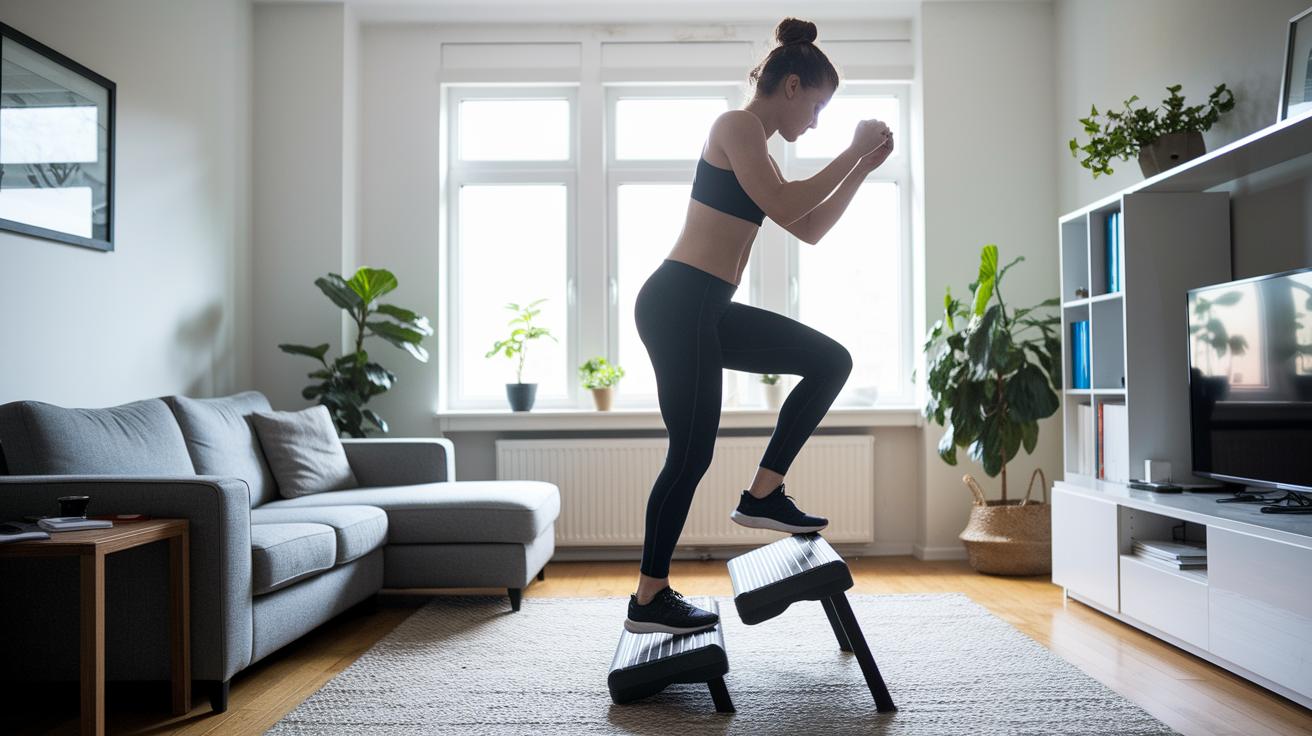
Programs like INSANITY and INSANITY MAX:30 let you work out using just your body in quick, Tabata-style sessions that don’t need any special gear. CORE DE FORCE and FOCUS T25 deliver a punchy 25-minute workout every day, while 22 Minute Hard Corps brings a fun boot camp vibe right into your living room.
These routines show that you don't need expensive equipment to work up a sweat. You can adjust each move easily, for example, try a step instead of a jump or skip the push-up in a burpee if you're just starting out. Changing how long you work and rest lets you set the perfect pace for your level.
Peloton instructors, like Camila Ramón, say that regular and focused home workouts can be just as effective as gym sessions. With these simple modifications, anyone, whether you're new or a pro, can keep pushing their limits and boost their energy at home.
Imagine swapping a high jump for a careful step-up or turning a full burpee into a simpler squat sequence. Every little tweak helps you work hard while keeping injuries at bay. Start with basic intervals and slowly build up to longer, tougher rounds to get the most out of your workout.
Tracking Progress and Enhancing Your Cardio Workout at Home

It’s important to watch how you’re doing during your workouts. Using simple tools like wearables and heart rate monitors lets you know when you’re working at about 80% of your max heart rate, a clear sign you're in the right zone. These devices help you see how many calories you burn, build up endurance, and keep your form in check, even when you’re doing exercises without any equipment.
Video tutorials step you through each drill, making it easy to follow along at home while keeping you both motivated and safe. Trusted workout apps offer tips from certified coaches, so you get expert advice without needing extra gear. This way, every session feels engaging, and you can watch your progress in real time, for example, noticing your stamina grow after a set of varied moves.
Using these tools turns your home workout into a truly rewarding routine.
Final Words
In the action, our guide showed how a cardio workout at home can boost your energy, strengthen muscles, and elevate your mood. We explored careful warm-ups, targeted bodyweight moves, and smart HIIT intervals that work even without equipment. Regular sessions, whether using structured plans or simple modifications, offer real benefits like improved endurance and stress relief. With every rep and stretch, you're investing in a healthier future. Keep moving, stay secure, and enjoy the refreshing power of a well-crafted at-home session.
FAQ
What does a cardio workout at home without equipment involve?
A cardio workout at home without equipment uses bodyweight exercises like jumping jacks, burpees, or high knees to boost heart rate and improve endurance and overall fitness.
What does a cardio workout at home for weight loss and belly fat burning include?
A cardio workout aimed at weight loss and belly fat burning involves high-intensity moves such as burpees and jump squats. These exercises ramp up metabolism and help shed stubborn fat.
What defines a full body cardio workout at home?
A full body cardio workout at home engages multiple muscle groups through exercises like mountain climbers, jump squats, and ice skaters, enhancing both cardiovascular health and overall muscle strength.
What should beginners know about a cardio workout at home?
A beginner-friendly home cardio session starts with low-impact moves like step-outs and modified jumping jacks, gradually increasing intensity to safely build heart health and endurance.
Is a 20 minute cardio workout enough to see benefits?
A 20 minute cardio session, when done at a high intensity, can effectively boost heart rate and burn calories, making it a practical option for improving cardiovascular health on a tight schedule.
What is the 12 3 30 cardio rule?
The 12 3 30 cardio rule involves walking on a treadmill at a 12% incline, moving at 3 mph for 30 minutes. This routine challenges the heart and legs with a steady, moderate pace.
How do aerobics, HIIT, anaerobic exercise, and circuit training differ in cardio workouts?
Aerobics uses rhythmic, continuous movements; HIIT alternates intense bursts with rest; anaerobic exercise focuses on short, maximal efforts; and circuit training cycles through varied exercises for a full-body challenge.
What might be considered the best home cardio workout?
The best home cardio workout mixes HIIT with bodyweight moves and low-impact exercises, offering flexibility and efficiency to boost heart health, endurance, and strength through regular practice.
How do home cardio workouts compare to those at the gym?
Home cardio workouts can be as effective as gym routines when performed consistently. They use bodyweight and interval training to elevate heart rate and build endurance without needing expensive equipment.
How do step aerobics and push-ups contribute to a balanced cardio routine?
Step aerobics elevates the heart rate with rhythmic stepping, while push-ups add strength training. Together, they create a balanced routine that improves endurance, muscle tone, and overall fitness.