
Ever notice your pulse speeding up while you run? When your heart beats faster during exercise, it shows your body is working smart. That quickened beat boosts energy, improves blood flow, and helps build a stronger heart.
Here, we share simple tips to energize your pulse so every beat works hard for you. Stick with us, and you'll see how every workout can bring you one step closer to a healthier life.
cardio workout heart rate: Power Up Your Pulse
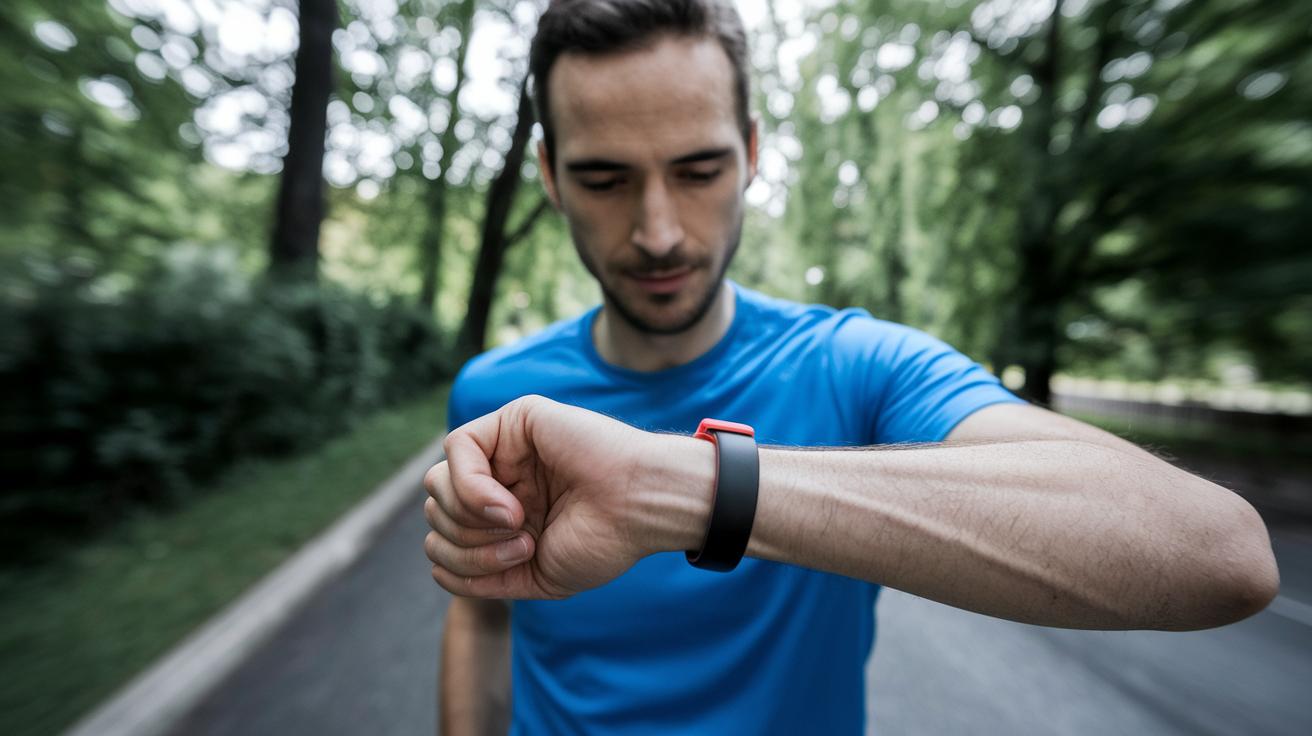
Cardio workouts give you a burst of energy by making your heart beat faster. When you take a brisk walk, go for a jog, or hop on your bike, your heart pumps harder to send more blood to your muscles. This means your workout heart rate, the number of beats per minute, rises as your body asks for extra fuel. At rest, your heart usually beats between 60 and 100 times per minute. But during exercise, it's perfectly normal to see that number jump. Ever notice your pulse hitting around 110 bpm after a quick 10-minute walk? That's your body working hard.
This quick bump in your heartbeat helps strengthen your heart muscle, improves blood flow, and even boosts your HDL (the "good" cholesterol) while lowering LDL (the "bad" cholesterol). It also helps clear away plaque in your arteries. And if you're exercising in hot or humid weather, your heart may pump even faster to help cool you down.
You can check your heart rate by counting your pulse at your wrist or using a wearable tracker. This way, you know you’re working at the right pace for burning fat and building overall heart strength. Here’s a simple guide with typical bpm ranges for different activities:
| Activity | BPM Range |
|---|---|
| Brisk Walking | 80-110 |
| Jogging | 110-140 |
| Running | 140-170 |
Use these numbers as a guide to adjust your workout intensity and enjoy the benefits of a stronger heart and better overall health.
Calculating Your Target Heart Rate Zones for Cardio Workouts

To figure out your maximum heart rate, simply subtract your age from 220. For instance, if you’re 40, your maximum heart rate is 180 beats per minute (bpm). This number is key to finding the best range for your cardio efforts.
A common recommendation is to exercise using 50–85% of your maximum heart rate during a regular workout. So if your max is 180 bpm, try to keep your heart rate between 90 bpm and 153 bpm. If you’re doing high intensity interval training (HIIT), you’ll want to hit 85–95% of your max, which means around 153 to 171 bpm for someone who’s 40. For more details on HIIT, check out the link what is hiit workout.
Knowing your ideal workout bpm helps you see how hard your heart should work. Beginners might want to start at the lower end of the target zone and slowly work up. This gradual increase lets your body adjust safely without overdoing it.
| Step | Calculation |
|---|---|
| Maximum Heart Rate | 220 minus your age (e.g., 220 – 40 = 180 bpm) |
| Steady-State Zone | 50% to 85% of maximum (e.g., 90 bpm to 153 bpm) |
| HIIT Zone | 85% to 95% of maximum (e.g., 153 bpm to 171 bpm) |
Tracking your progress with a heart rate monitor or by counting your pulse can help you stick to the right zone. This way, you give your heart the right challenge while keeping your workouts safe.
Practical Methods to Measure and Track Heart Rate During Cardio
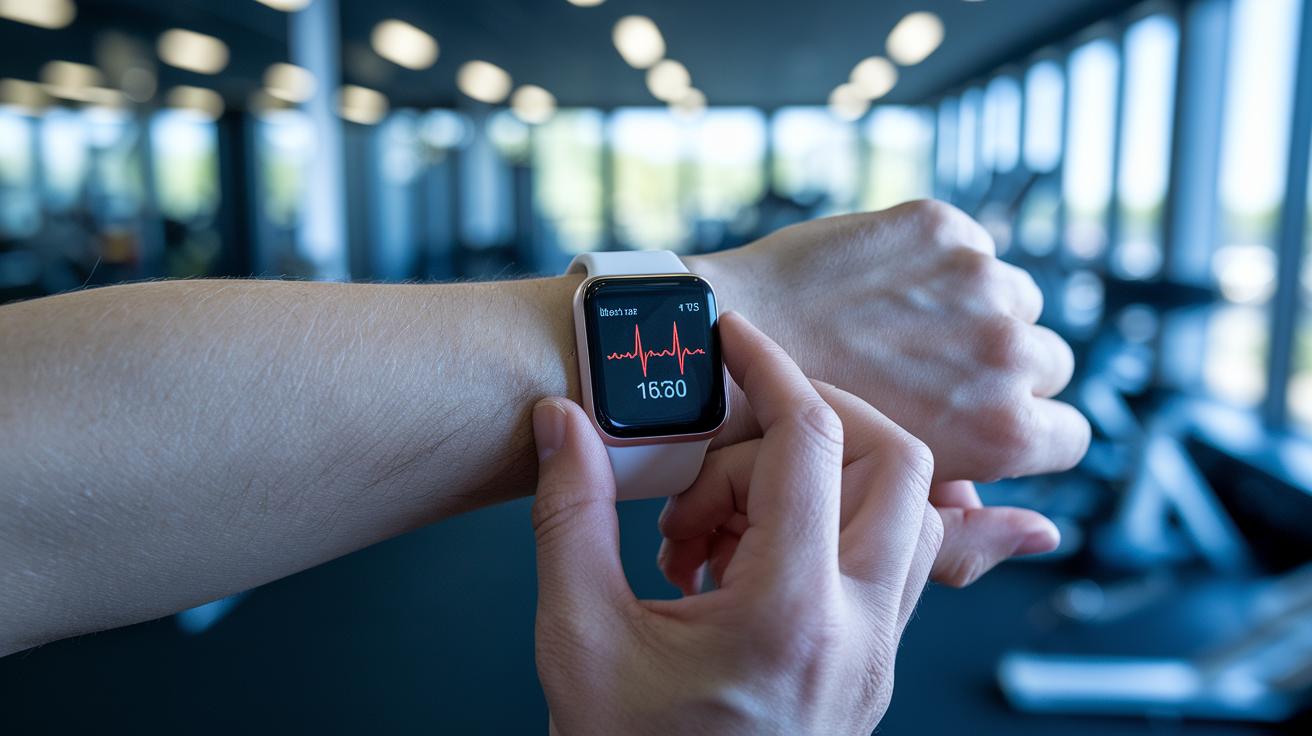
One simple way to check your heart rate is by feeling your pulse at your wrist. Gently press your index and middle fingers on the side of your wrist where you feel a beat. Count the beats for 10 seconds and then multiply by 6. So, if you count 16 beats in 10 seconds, your heart is beating about 96 times per minute. This quick method is great for keeping an eye on your heart rate during or after a workout.
If you’d rather not use your fingers, there are many gadgets available. Wearable activity trackers, smartwatches, and chest-strap monitors can measure your heart rate digitally. These devices keep track of your beats continuously, so you can see changes during different parts of your activity, like when you're pushing hard in a sprint or taking a break.
For anyone with health concerns like heart issues or diabetes, using a smartwatch may be a gentler and more consistent option. Keeping track of your heart rate this way can help you adjust your workout intensity. It ensures that you stay in a safe and effective zone each day, so you can feel confident and secure while exercising.
Age-Based Heart Rate Charts and Guidelines for Cardio
Your age matters when figuring out the right heart rate for exercise. Younger folks, like someone who's 20, can usually hit about 100 to 170 beats per minute while working out. As you get older, your maximum heart rate tends to drop. Using age-based numbers can help you create a safe plan for burning fat, boosting endurance, or doing high-intensity workouts.
When you’re relaxing, your heart usually beats between 60 and 100 times a minute. As you start moving, like going for a brisk walk or a light jog, your heart rate goes up. For instance, if you notice your pulse climbing to around 110, you’re likely just warming up. A faster pace might bring you near your target number, letting you know when to push a bit more or take it easy.
A simple heart rate chart keeps you working out in a safe zone while you get the most out of your exercise. For example, a person in their 30s might aim for 95 to 165 beats per minute, and someone in their 40s might try 90 to 155 BPM. Tweaking your heart rate range for exercise helps you reach your goals without putting too much strain on your body.
| Age Range | Target Heart Rate (BPM) |
|---|---|
| 20-29 | 100-170 |
| 30-39 | 95-165 |
| 40-49 | 90-155 |
| 50+ | 85-145 |
Leveraging Heart Rate Zones to Optimize Cardio Workout Performance
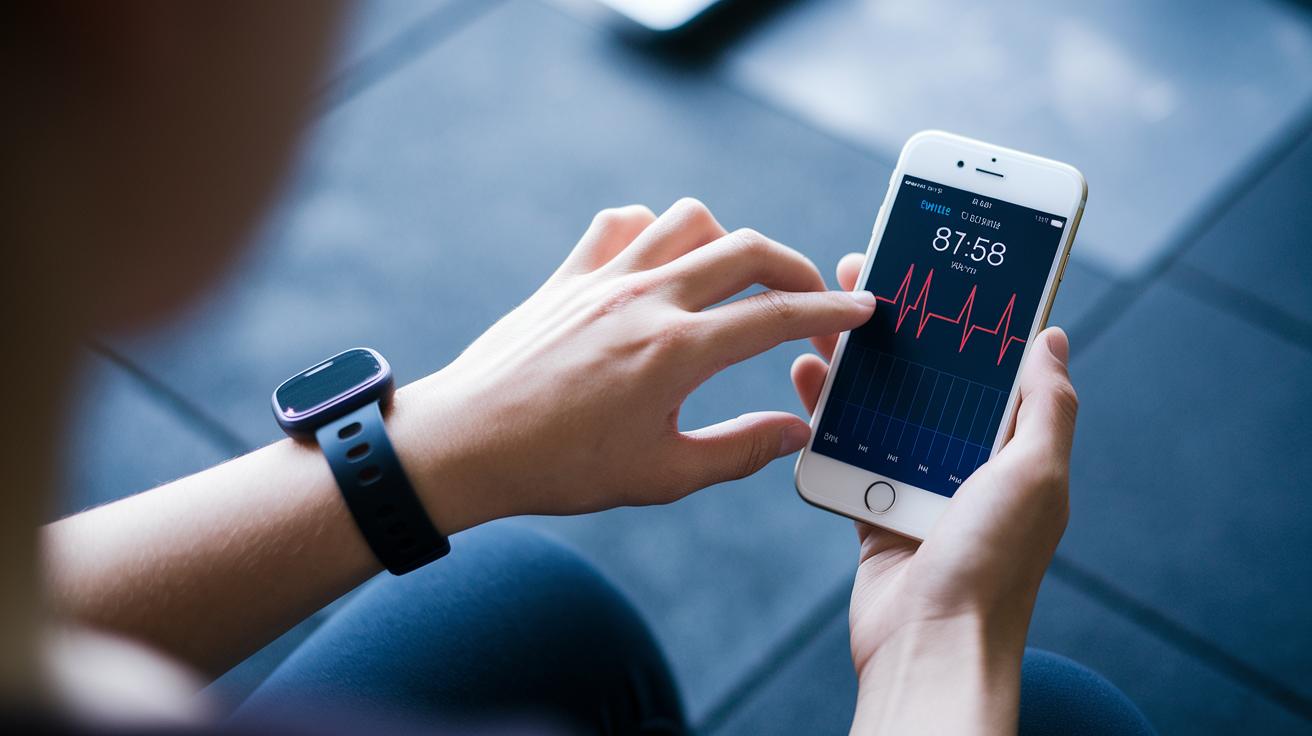
If you’ve been following our tips on calculating your target heart rate and using age-based pulse charts, you're already on the right track. Now, let’s dive into how the five heart rate zones work. At lower speeds, your body burns mostly fat, and as you push harder, it switches to using carbs and protein for extra energy.
Steady-state cardio, which is about 50–70% of your max heart rate, builds your endurance by keeping a steady rhythm. Then, there’s interval training. This means you mix short bursts of high effort, like sprinting hard for 30 seconds, with a minute of slow walking to recover. It’s a great way to boost both power and recovery.
A BPM chart that shows different exercise segments along with target pulse ranges can really help you keep track of your effort. It ties in with our earlier guidance but gives you clear, zone-specific details without repeating what you already know.
Using a heart rate monitor or checking your pulse manually lets you adjust your workout in real time. For more about high-intensity intervals, check out this link: are hiit workouts good.
Safety Guidelines and Professional Advice for Cardio Heart Rate Training

Before starting any new cardio routine, it’s a good idea to talk with your doctor, especially if you’re on heart medications. Knowing your health history helps you set safe exercise limits and avoid surprises. If you ever feel a strange beat or a heartbeat that's too fast, treat it as your body’s way of asking for a closer look.
Using a simple tool like the Physical Activity Readiness Questionnaire (PAR-Q) can help you decide if you’re ready for more intense activity or if you should ease into it. It’s an easy way to check if your body is prepared for a change.
After you finish your workout, keep an eye on how quickly your heart returns to a normal pace. A quick recovery generally shows that your body is adjusting well to exercise, while a higher rate for too long might mean you need to take it slower and get some advice from a professional.
Also, be sure to notice any unusual heart patterns , whether your heart feels too fast, too slow, or irregular. If that happens, reach out to your healthcare team to stay safe and keep your progress on track.
Final Words
In the action, we explored how your heart responds during cardio sessions, detailing target zones, pulse tracking methods, and age-based guidelines. We broke down the basics of manual and device-based heart rate monitoring while keeping safety a top priority. By understanding your body's beats per minute and checking in on recovery, you can shape workouts that suit your needs. Embracing a balanced approach to cardio workout heart rate monitoring sets you up for a healthier and happier future.