
Ever thought about how a short burst of high-intensity cardio might boost your endurance? Quick exercises like burpees and squat jumps, mixed with brief rests, make your heart and muscles work hard in just a few seconds.
This simple workout style gets your body’s energy systems moving, which helps build stamina and burn calories. Keep reading to see how these fast-paced routines can reshape your fitness plan and give your day a boost.
High-Intensity Cardio Workout Essentials and Quick Routines
High-intensity cardio workouts are all about quick bursts of exercise followed by short rests. You might, for instance, do burpees at a fast pace for 20 seconds and then rest for 10 seconds. This kind of routine not only burns calories during your workout but also keeps your metabolism fired up long after you finish.
Imagine powering through 20 seconds of mountain climbers, then taking a 10-second break. Each round builds endurance and gives you that satisfying burn. Simple moves like jumping jacks, squat jumps, and sprint intervals keep things moving without a hitch due to their short, powerful bursts and brief rests.
This style of training means you spike your heart rate with efforts lasting anywhere from 10 to 60 seconds, and then you catch your breath with a quick rest before jumping back in. By engaging both your aerobic (heart and lungs) and anaerobic (muscle energy) systems, a 30-second work and 30-second rest circuit over 10 to 15 minutes can turn an ordinary session into a fat-burning powerhouse.
Mixing in these focused exercises creates a fun and effective workout that builds endurance and boosts cardiovascular health. It’s a straightforward way to energize your body while keeping your routine exciting and efficient.
Advanced Metabolic Boost Cardio Workout Circuits

If you're ready for a challenge, try this workout circuit that mixes different moves to fire up your metabolism. You work hard with 4 to 6 exercises, doing each one for about 30 to 40 seconds before taking a short break of 15 to 20 seconds. This quick burst of effort not only burns calories during the workout, but it also keeps your body working afterward.
Imagine starting with burpee tuck jumps, an exercise that blends strength and speed to get you moving fast. Then, switch to plank shoulder taps to really work your core. Next, add alternating lunge jumps to keep your legs strong and active. Finish it all off with fast feet drills that make your heart race. These moves together create a powerful afterburn effect, where your body continues to burn calories long after you've finished exercising.
You can also try a Tabata-style workout, working for 20 seconds and resting for 10 seconds. This pattern can boost your metabolism for almost a whole day, making it a perfect way to improve endurance while torching extra calories.
Fat-Burning Sprint Sessions for High-Intensity Cardio
Give sprint intervals a try by running hard for 30 to 45 seconds, then slowing down with 60 seconds of active recovery. This simple drill fires up your metabolism and makes your heart work close to its full speed. Picture yourself sprinting at your fastest for 40 seconds and then taking a brisk, easy walk for a minute. This routine not only boosts your endurance but also helps melt away fat.
Mix in exercises like shuttle runs and hill sprints for a fun challenge that makes you work against different levels of resistance. If you’re more into indoor workouts, treadmill incline sprints work just as well. These bursts of high energy followed by easy recovery teach your muscles and heart to switch gears quickly.
Even if you’re working out at home, there are plenty of simple moves to try. High-knee sprints in place or quick ladder drills can keep you moving. For example, give it a go by doing high knees for 35 seconds, then easing into a light jog for 60 seconds. Repeat this cycle to help boost your speed and endurance.
| Workout Element | Details |
|---|---|
| Sprint Intervals | 30–45 seconds of full effort |
| Recovery | 60 seconds of walking or light jogging |
| Drills | Shuttle runs, hill sprints, high-knee sprints, ladder drills |
Every session not only burns calories during the workout but also creates an afterburn effect, keeping you energized well after you finish. It’s an easy and effective way to strengthen your endurance and give your metabolism a healthy boost.
No-Equipment High-Intensity Cardio Circuit Workouts
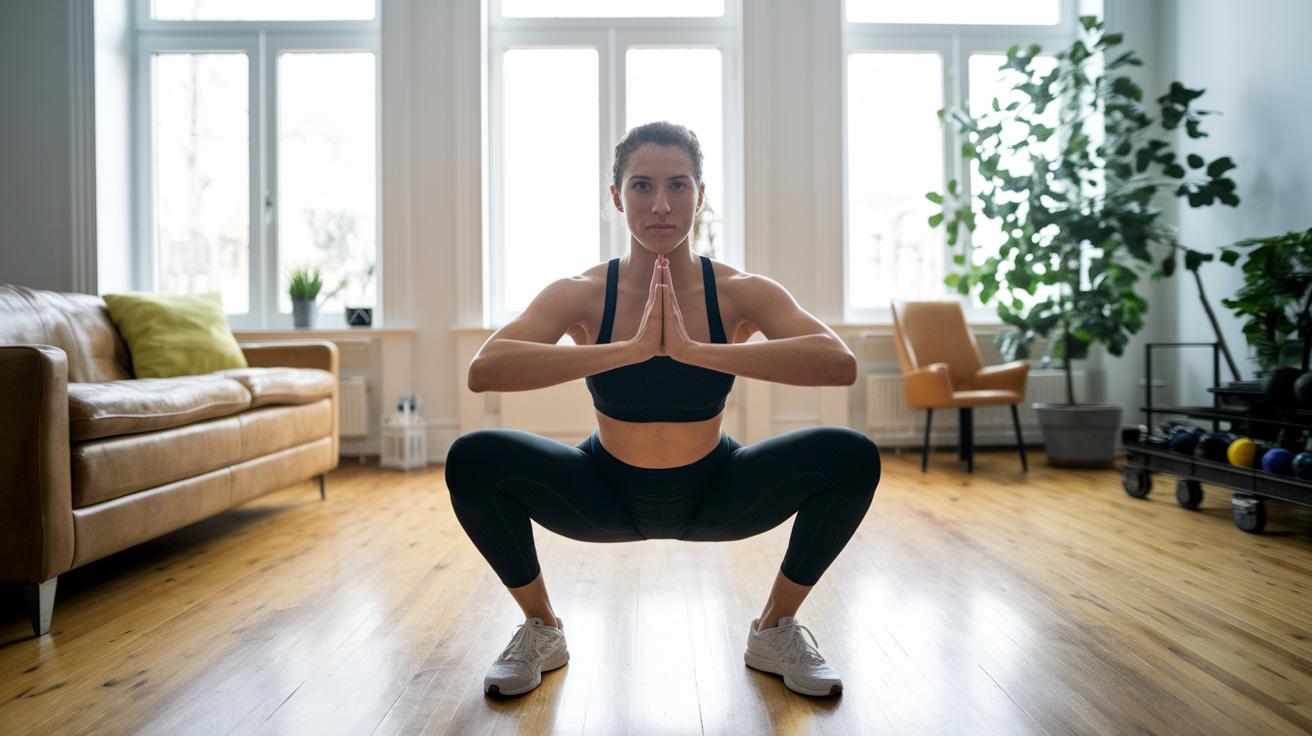
These workouts give you a fantastic way to push your body without needing any equipment. You begin with simple moves and then gradually shift to tougher ones as you build strength. For example, start with regular squats and later add a jump to make them more challenging. If mountain climbers feel tricky, slow them down until you can do them comfortably.
Here's a tip: try doing one move slowly at first, then speed it up as you feel more confident. It’s interesting to note that moving from basic moves to harder ones, step by step, can really boost your endurance and strength, much like following a simple recipe to create a delicious dish.
These circuits also improve your balance and coordination by using the power of your own body. They allow you to adjust how long you work and rest based on your energy. If a full circuit feels too hard, try giving yourself a few extra seconds of rest or cut down the rounds until you’re ready to step it up.
| Exercise | Beginner Variation | Advanced Variation |
|---|---|---|
| Squats | Standard Squats | Squat Jumps |
| Mountain Climbers | Slow Pace Climbers | Explosive Climbers |
| High Knees | Marching in Place | Rapid High Knees |
Work for 30 seconds, then rest for 15 seconds. Adjust the rounds to suit how you feel.
Try mixing these moves into your routine to keep things fresh and always give yourself a new challenge.
Scaling High-Intensity Cardio: From Beginner to Stamina Training
Before you jump into a tough workout, take 5 to 10 minutes for a gentle warm-up. This helps your body get ready. If you're just starting out, try working hard for 15 seconds and then taking a 45-second break. You could do simple moves like step-touches or even march in place. For example, march for 15 seconds, then pause for 45 seconds to let your heart rate climb slowly without overloading your joints.
As you get more comfortable, work on boosting your stamina by lengthening your exercise time. You might switch to a 30-second work and 30-second rest cycle, or even try exercising for 45 seconds followed by a quick 15-second pause. These small tweaks not only give your heart and lungs a good challenge but also let you practice quick recovery with short breaks of 60 to 90 seconds between sets.
This flexible approach means you can adjust your workout based on how you feel each day. Gradually increasing your work periods keeps your routine safe and energizing. Try adding these changes to build your endurance and develop a routine that grows with you.
Safety and Proper Form for High-Intensity Cardio Workouts

Start your workout with a simple warm-up of 5 to 10 minutes, maybe light jogging or some easy stretches, to get your body ready for an elevated heart rate. Think of your warm-up as the first step to a safe and fun session. It prepares your muscles and helps lower the chance of injuries.
As you move into the more intense part of your workout, try to keep your heart rate between 70% and 90% of its maximum. You can check your pulse by counting manually or using a tracker. For example, after a quick sprint, take a brief pause to see if you’re reaching that right zone.
Keep your form in check the whole time. Make sure your knees stay aligned, your back remains neutral, and you land lightly when jumping. These pointers help you work hard without over-stressing your muscles. Plus, sipping water throughout and taking enough breaks between bursts can really help your muscles recover and keep every session safe and effective.
Final Words
In the action, we've covered dynamic high-intensity routines. We explored burst energy intervals, advanced circuits for metabolic boost, and no-equipment circuits you can do anywhere.
We also emphasized scaling moves safely from beginner-friendly options to workouts that push your limits. Stick to proper form and always warm up and cool down.
A solid cardio workout high intensity not only torches calories but also builds stamina. Keep moving, stay safe, and enjoy every energetic step.
FAQ
What is the best high intensity cardio?
The best high intensity cardio combines fast, powerful movements and brief rests. For example, a HIIT workout with burpees, sprint intervals, or jumping jacks burns calories quickly during and after exercise.
What is high intense cardio?
High intense cardio is exercise that rapidly increases your heart rate through short bursts of strenuous activity followed by rest. A HIIT routine, for example, pushes your body and boosts metabolism effectively.
How long should a high intensity cardio workout be?
A high intensity cardio session typically lasts between 15 to 30 minutes. These brief, powerful bursts keep your workout efficient while maximizing calorie burn and fitness gains.
What is the most cardio intensive exercise?
The most cardio intensive exercise varies by person, but burpees or jump squats often rank high. They engage multiple muscles and keep your heart pounding, offering a challenging, calorie-torching workout.
How can beginners start high intensity cardio workouts?
Beginning with a high intensity cardio routine means starting slowly. Try low-impact moves like step-touches or marching in place with longer rest periods to build endurance before increasing intensity.
How can I do a high intensity cardio workout at home without equipment?
You can easily work out at home using bodyweight moves. Exercises like squat jumps, mountain climbers, and jumping jacks create an effective no-equipment circuit to raise your heart rate and burn calories.
Where can I find a HIIT workout plan PDF or exercise list?
A HIIT workout plan PDF and detailed exercise list are available on reputable fitness sites. These resources outline routines featuring burst energy moves to help you design an effective high intensity cardio session.