
Ever thought that a good cardio session might help you shed some weight? Many folks feel stuck until they try exercises that get their heart rate up. Running, cycling, or even jumping rope can burn lots of calories while boosting your energy. Imagine the thrill of a workout that not only melts away extra fat but also makes you feel great almost instantly. This guide walks you through simple routines that mix fast-paced moves with easier ones to help you lose weight gradually and build strength.
Cardio Workout Options for Maximum Fat Burn

If you're ready to torch extra calories and feel energized, cardio can be a great pick. When you get your heart pumping, you naturally burn more calories, helping you create a calorie deficit for weight loss.
Take running, for instance. For a 155-pound person, a quick run can burn between 600 and 800+ calories in just an hour. And if running isn’t your favorite, don’t worry. Other workouts like using the elliptical, cycling, or rowing also do the trick. Running quickly lifts your heart rate, while the elliptical offers a gentler option that's kind to your knees.
Imagine feeling the cool breeze on your face during a brisk jog, it’s like a burst of energy that carries you through the day. These workouts not only burn fat but also boost your overall stamina and strength.
| Exercise | Calories Burned per Hour (155-lb person) | Impact Level |
|---|---|---|
| Running | 600–800+ | High |
| Elliptical | 450–600+ | Low |
| Cycling | 400–750+ | Moderate |
| Rowing | 400–700+ | Moderate |
| Jump Rope | ~600 | High |
| Stair Climbing | ~550 | Moderate |
Each workout offers its own special benefits based on your goals. The table above makes it easy to see how many calories you might burn and the level of impact each exercise has. For a fun and effective routine, try mixing up high-intensity moves like jump rope with lower-impact ones like the elliptical.
By blending intense and moderate sessions, you keep your body guessing and steadily support your weight loss journey while building strength. Enjoy the process, and let your workouts bring a refreshing boost to your day!
HIIT Cardio Workouts for Rapid Weight Loss

High-Intensity Interval Training (HIIT) mixes short bursts of hard work with brief breaks to let your body recover. This method burns calories fast and even keeps you burning extra energy after you finish, a process known as the afterburn that helps melt more fat. Curious about HIIT? Check out our guide to see what a HIIT workout is all about. It’s a smart and quick way to raise your heart rate and burn calories much faster than regular steady exercises. For example, the assault bike can burn 20 to 30 calories per minute when you pedal at a moderate to fast pace, making it a great tool for serious workouts.
- 5-minute warm-up to get your body moving
- 30-second high-intensity sprint
- 90-second rest period to catch your breath
- Repeat the sprint and rest 10 times
- 5-minute cool-down to ease out the intensity
This HIIT session not only burns calories quickly but also builds your endurance and helps your body use energy more efficiently. When you push yourself during short, focused bursts, you work many muscle groups and spark fat burning. With its clear structure, HIIT fits right into even the busiest schedule, helping you feel great fast while keeping each workout fresh and exciting.
Low-Impact Cardio Workouts for Joint-Friendly Fat Loss

Low-impact cardio exercises offer a gentle way to raise your heart rate without putting too much strain on your joints. These workouts are great if you want to steadily lose fat while avoiding knee or hip pain. They let you work up a sweat and boost your endurance without overworking your body.
You have a few options to try, like elliptical machines, stationary bikes, and rowing workouts. For instance, an elliptical workout can burn between 450 and 600 calories an hour while being easy on your joints. Stationary biking can help you burn from 400 up to 750 calories per hour, and it doesn’t strain your body much. Even rowing machines use about 85% of your muscles and can burn about 400 to 700 calories an hour. Cross trainer sessions are another low-impact choice that supports your weight loss goals smoothly.
When you choose these joint-friendly exercises, you set yourself up for a workout routine that can last over time. Low-impact workouts reduce the risk of injury, making it easier for you to stay active without painful setbacks. This balanced approach not only helps with weight management but also builds your overall endurance in the long run.
Beginner-Friendly Cardio Workout Plan for Fat Loss

Start by setting a goal of 150 to 300 minutes of moderate cardio each week. For example, a brisk 30-minute walk can slowly raise your heart rate and ease you into a more active lifestyle. These regular, manageable sessions build a solid foundation for steady fat loss and help kick your day off on a positive note.
At-home workouts can keep you on track, too. Try adding exercises like jumping jacks, bodyweight routines, or even climbing stairs. Aiming for 8,000 to 10,000 steps daily not only burns extra calories but also strengthens your heart. If you’re looking for more ideas, check out the workout routines for beginners at home for easy, no-equipment sessions that fit a busy schedule.
As you build up your endurance, gradually extend your workout time or mix in new exercises to keep things interesting. Keeping track of your progress lets you see the gains you’re making, and small tweaks along the way ensure that your routine stays effective without feeling too overwhelming.
Advanced Cardio Workout Strategies for Faster Fat Loss

If you're ready to push past your fitness plateau, you might explore some advanced cardio moves to help burn fat faster. Imagine doing your cardio twice a day, first thing in the morning on an empty stomach, and then later when you can really rev up your energy. This approach not only changes up your routine but also gives your body a fresh challenge, keeping it on its toes.
Mixing strength work with aerobic exercise can make your workouts more exciting. Think about a quick circuit where you do a set of burpees followed by a fast sprint on an assault bike, which might burn around 20–30 calories each minute. By combining these tougher moves with intervals of rest, you can help keep your muscles strong while you burn those extra calories.
Some experienced athletes split their sessions into two parts during the day. For example, you might start with a light, fasted workout to help your body tap into stored fat, then later add a mix of cardio bursts and strength exercises. This method can boost your energy use and break through training plateaus, offering a creative way to lose fat quicker.
At-Home vs Gym-Based Cardio Workout Plans for Weight Loss
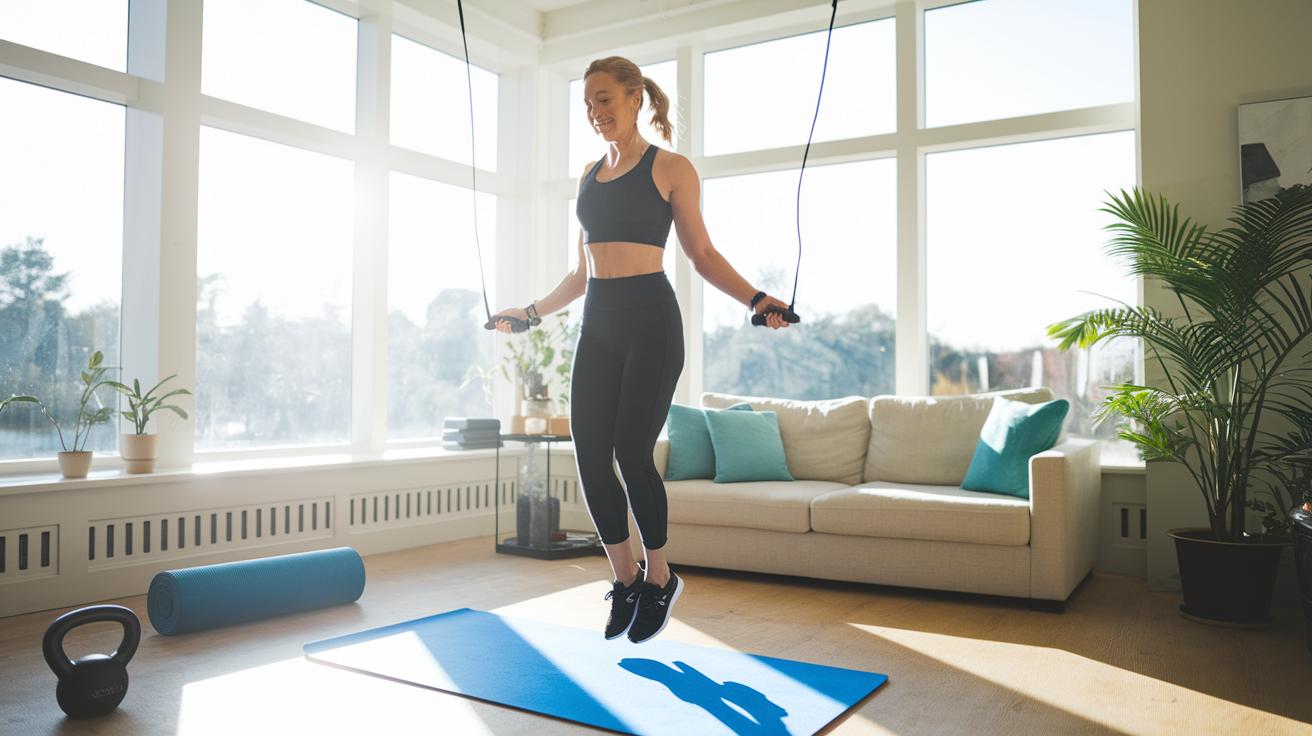
Cardio workouts easily fit into your routine whether you're at home or at the gym. Your choice depends on your goals, daily schedule, and the equipment available to you. Both options get your heart pumping and help burn calories for faster fat loss. This guide shares flexible at-home routines alongside structured gym sessions to keep your workout plan steady.
At-Home Cardio Workout Options
Working out at home usually means you only need your body weight and a few inexpensive tools. Simple routines like jump rope sessions or running outside can boost your energy and burn calories effectively. You might even try adding kettlebell exercises to increase the intensity – check out some kettlebell workout ideas at https://healthlystats.com?p=2023 if you’re looking for variety. This way, you get to work out on your schedule and build a fat loss plan right in your living room.
Gym-Based Cardio Workout Options
Gyms offer a variety of machines that make it easy to track and adjust your progress. Treadmills, ellipticals, and rowing machines help you fine-tune your routine with clear resistance settings and performance data. Stationary bikes, with their programmed intervals, add a fun and challenging twist to your workout.
In truth, at-home workouts provide flexible convenience while gym sessions offer structure and measurable progress. Pick the option that suits your needs and lifestyle, and enjoy every step toward feeling great fast.
Tracking Cardio Workouts for Optimal Weight Loss
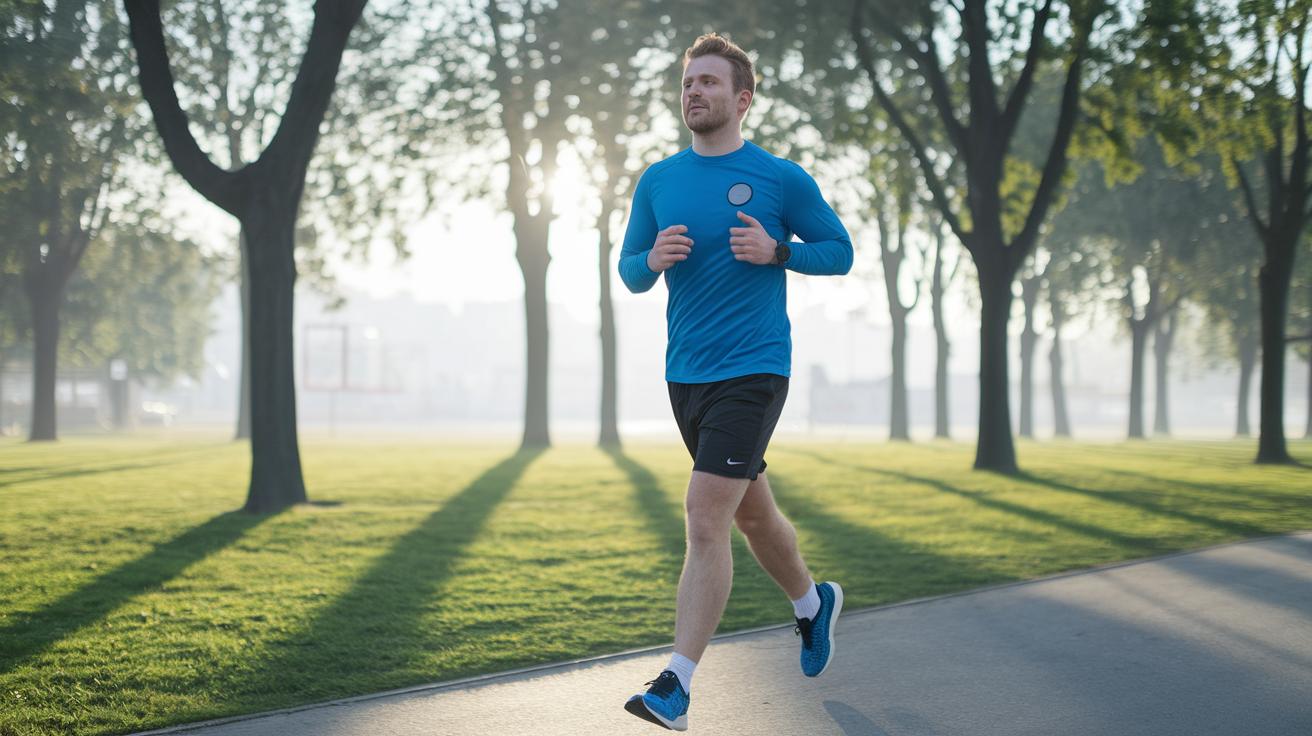
Aim to clock 150 to 300 minutes each week doing moderate-paced cardio or 75 to 150 minutes of a more intense session. This kind of plan keeps your body in a steady fat-burning mode and builds up your stamina bit by bit. Whether you enjoy a brisk walk, a casual bike ride, or mixing up different activities, sticking to these time goals will give you a solid base to help shed extra pounds. It’s like having a friendly reminder throughout the week to keep moving.
Keeping an eye on your heart rate is a smart trick to make sure you're exercising at just the right intensity. A heart rate monitor works like a simple dashboard gauge, showing you if you're pushing hard enough to burn fat without overdoing it. Trust your body’s signals and adjust your pace as needed. It’s similar to checking your speed while driving, it helps keep you in that sweet spot for effective calorie burning.
Tracking how you do isn’t just about noticing changes on the scale. Write down your workout details, and note changes in your body fat or overall performance. There are handy apps that can guide you on how to log your health metrics, which makes it easier to tweak your workouts and stay on track with your goals.
Nutrition, Hydration, and Recovery After Cardio Workouts for Weight Loss

Before you head out for your cardio workout, try having a snack with twice as many carbs as protein about 30–60 minutes ahead. For example, a bowl of oatmeal with a spoonful of yogurt works well. Don’t forget to drink 16–20 ounces of water a couple of hours before exercising, and take small sips of 7–10 ounces every 10–20 minutes during your session. This simple plan boosts your energy and keeps you well-hydrated so you can stay alert and engaged.
After your workout, it’s time to refuel with a balanced meal that includes both protein and complex carbohydrates to help your muscles repair. Imagine a plate filled with lean grilled chicken, quinoa or sweet potatoes, and a variety of steamed vegetables. A turkey wrap on a whole-grain tortilla paired with a side salad is another great option. Keep drinking water during this time to replace lost fluids and support your recovery.
A good exercise routine also includes a warm-up and cool-down. Start with a dynamic warm-up, light jogging, arm swings, or leg lifts, to get your muscles and joints ready for the effort ahead. Then, finish your session with gentle static stretches to lower your heart rate and reduce the risk of injury. This simple cool-down helps set you up for lasting fitness and weight loss success.
Final Words
In the action, we explored a range of cardio routines, from high-intensity sessions and gentle, joint-friendly exercises to at-home and gym-based plans. We also unpacked how tracking your progress and keeping up with nutrition and recovery can boost your fat-loss efforts.
Each tip feeds into a well-rounded strategy that makes it easier to stick with your workouts. Remember, a focused cardio workout to lose weight can transform your routines into rewarding health habits. Enjoy each step and feel the positive energy build.
FAQ
What are effective cardio workouts for females looking to lose weight?
The question about cardio for females means choosing routines like jump rope, brisk walking, or cycling. These exercises boost heart rate and burn calories in a joint-friendly way, making them perfect for at-home workouts.
What full-body cardio workouts help lose weight effectively?
The question regarding full-body cardio points to workouts like rowing, kickboxing, or stair climbing. These activities work multiple muscles simultaneously to raise energy expenditure and promote overall fat loss.
How does doing 1 hour of cardio a day support weight loss?
The question about 1-hour cardio highlights that sustained exercise creates a calorie deficit. One hour of consistent cardio raises your heart rate and burns enough calories to help shift energy balance toward weight loss.
What are some beginner-friendly at-home cardio workouts for weight loss?
The question on beginner at-home cardio suggests options like brisk walks, jumping jacks, or step exercises. These simple routines gradually increase heart rate and calorie burn while being easy to follow and low risk.
Which cardio workouts are best for burning belly fat and overall weight loss?
The question on the best cardio for belly fat indicates that high-intensity routines such as HIIT, running, or cycling can be very effective. They target abdominal fat and boost overall metabolism for lasting results.
Which type of cardio exercise burns the most fat overall?
The question asking which cardio burns the most fat points to high-intensity interval training and activities like assault biking. These exercises rapidly elevate heart rate and burn calories quickly, maximizing fat loss.
Is doing 30 minutes of cardio enough to lose weight?
The question about 30-minute cardio means that while it can kickstart weight loss, adding more minutes or mixing in different activities may help achieve faster progress and improved endurance.
What is the 30/30/30 rule for weight loss?
The question on the 30/30/30 rule explains a technique where you alternate 30 seconds of high-intensity effort, 30 seconds of moderate intensity, and 30 seconds of lower intensity recovery, optimizing calorie burn.