
Ever thought that a simple breath might help ease those anxious thoughts? Deep breathing may sound basic, but it can really help reduce stress and relax your body.
By taking slow, mindful breaths, you can shift your mood and find calm even when things get tough. In this post, we’ll walk you through simple steps for deep belly breathing.
You’ll discover how a steady rhythm of breaths can quickly lower your stress levels. Get ready to turn everyday breaths into your secret tool against anxiety.
Deep Breathing for Anxiety: Steps to Practice and Immediate Benefits
Deep breathing can be a gentle tool to help calm your body and quiet your mind when anxiety strikes. Breathing from your belly, sometimes called diaphragmatic breathing, wakes up the part of your body that helps slow your heart and lower your blood pressure. Think about it: we take around 23,000 breaths every day, so using the right kind of breath can really help you relax.
To start, sit up straight in a comfy spot. Place one hand on your stomach so you can feel it move as you breathe. Slowly breathe in through your nose until your belly rises, and then slowly breathe out through your mouth until your belly falls. It’s a bit like gently filling and then emptying a balloon.
If you need a fast way to calm down, try taking three slow, deep belly breaths. This mini exercise can quickly shift your body from a state of stress to one of calm. Imagine pausing everything for a moment and focusing just on the gentle rise and fall of your belly.
Another idea is to count your breaths. For example, breathe in for four counts and then breathe out for four or more counts. This simple, steady rhythm sends gentle signals to your brain to relax. And if you’re looking for more tips, you can always explore other stress relief techniques.
With each mindful breath, you’re training your body to find calm even in challenging moments. Over time, this practice not only soothes anxiety right away but also builds resilience to help you manage everyday stress.
Deep Breathing for Anxiety: Calm Your Mind

Try the 4-4-4 box breathing technique to set a calm pace. Inhale slowly for 4 seconds, hold the air for 4 seconds, and then exhale for another 4 seconds. Picture your breath as filling a small, secure container that helps keep you steady.
Another easy method is the 4-7-8 breath. Breathe in gently for 4 seconds, hold it for 7 seconds, and let it out slowly for 8 seconds. Imagine a gentle tide rolling in and out, easing your stress with each cycle.
Alternate nostril breathing helps balance both sides of your brain. Breathe in through one nostril, then switch and exhale through the other. Think of it as a balancing act that steadies your thoughts with every turn.
Pursed-lip breathing puts you in charge of your exhale. Inhale normally through your nose, then purse your lips and let the air escape slowly. Picture yourself gently blowing on a delicate dandelion puff to melt away tension.
Resonance breathing focuses on a steady rhythm, aiming for five full breaths each minute (about 12 seconds per breath). Imagine syncing your breath with a calm metronome that soothes your body with its regular beats.
The long exhalation method is another way to relax. Breathe in for 4 seconds and then slowly exhale for at least 6 seconds. Visualize yourself releasing built-up stress with every long, calming exhale.
With Lion's breath, take a deep, fast inhale through your nose and then forcefully exhale with your mouth open. Picture yourself roaring out all your stress and feeling a refreshing sense of release.
Research shows these simple techniques can help shift your nervous system into a state of ease, giving you real-time relief and a calmer mind.
Deep Breathing for Anxiety: Calm Your Mind
Place a hand gently on your belly. Breathe in slowly and notice your stomach rising as you count "one, two, three" in your mind. Then exhale smoothly, watching your belly fall. This easy exercise of three mindful breaths helps calm racing thoughts by drawing your focus to the gentle movement of your hand. Fun fact: before a tough day, taking just three deep breaths can ease tension and reset your mind.
Another way to try it is to breathe in for three seconds, hold for three seconds, and then exhale for three seconds. Picture this count as a soft, steady beat guiding you to a state of calm. This variation is great for those busy moments when you need a quick pause to regain focus.
Repeat this cycle three times to give your body and mind a break from anxiety. Focusing on both the physical sensations and the counting rhythm can bring quick relief and help keep you grounded during stressful times.
The Science Behind Deep Breathing for Anxiety
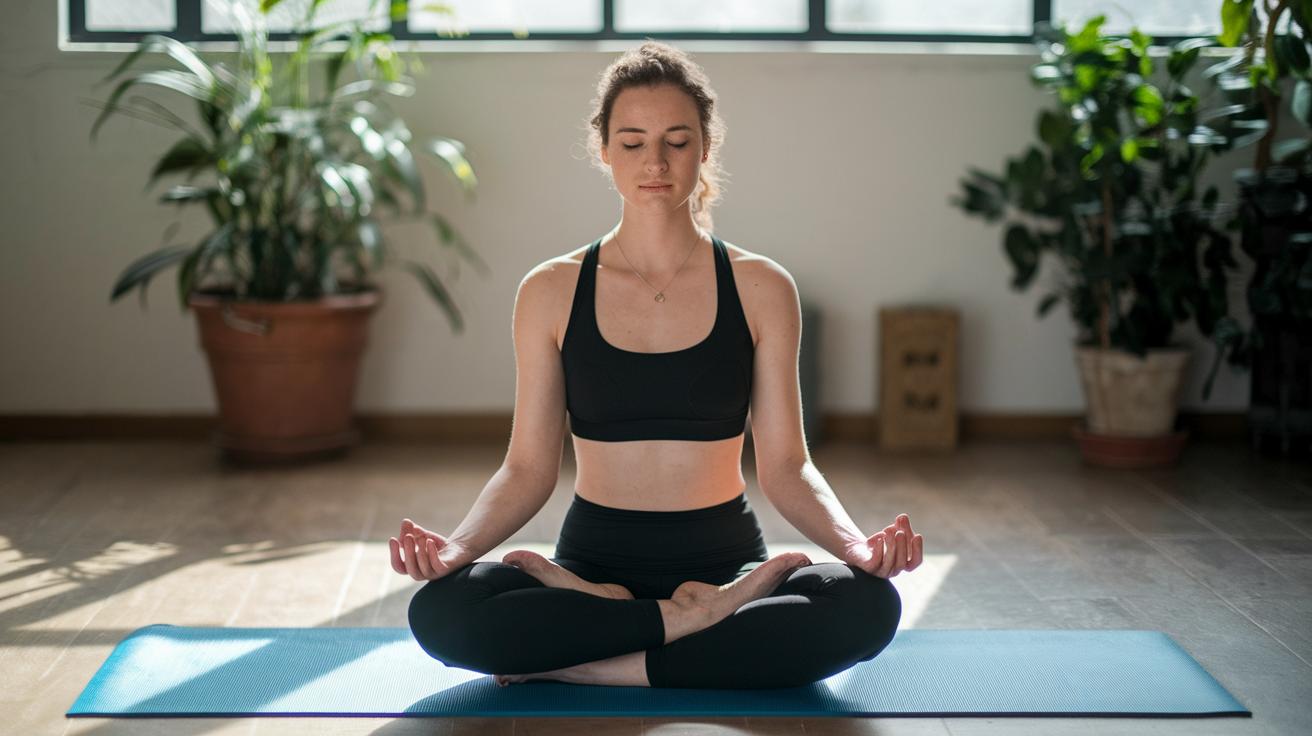
When you take a slow, deep breath, it turns on a part of your body called the vagus nerve. This gentle signal tells your body to move from feeling on high alert to being calm and balanced. Deep breaths help slow your heart and lower your blood pressure. Studies even show that using your diaphragm (the muscle below your lungs) this way can help your heart bounce back from stress.
Bigger breaths bring more oxygen into your body, which can clear your mind and steady your mood. Think of it as hitting a reset button for your nervous system. With each mindful breath, your body shifts from a state of alarm to feeling relaxed and ready to face the day.
| Component | Effect |
|---|---|
| Vagus Nerve Activation | Starts a relaxation response |
| Heart Rate Variability | Helps your body handle stress better |
| Oxygenation Efficiency | Boosts focus and calm |
| Nervous System Regulation | Keeps your body’s signals in balance |
Keep noticing how your body feels as you breathe deeply. With regular practice, these simple techniques can change the way you handle everyday stress. Each calm breath is a tiny step toward a more peaceful, balanced mind.
Building a Daily Deep Breathing Routine for Anxiety Management
Deep breathing can feel like a little vacation for your mind. Try taking out just 5 minutes in the morning, another 5 at lunchtime, and 5 before bed. In these short moments, breathe slowly and steadily, feeling your belly gently rise and fall. Over several weeks, you'll notice that stressful moments lose some of their sting, and your body starts to relax naturally.
Keeping a journal or using a mobile app can really help you track how you're doing. Note how you feel before and after each session. For example, you might write, "Before: Tense and jittery; After: Calm and clear." These simple notes make it easy to see your progress and tweak your routine if needed.
Here are a few tips to get into the habit:
| Tip | Suggestion |
|---|---|
| Schedule | Set a consistent time for your 5-minute sessions each day. |
| Reminder | Use a timer or app alert so you don’t forget. |
| Record Feelings | Write down how you feel before and after breathing. |
| Adjust Technique | If one method feels better, try changing your breathing count. |
By making deep breathing a daily habit, you're building a tool that can really help you manage anxiety. It’s amazing how a simple act of breathing can reduce stress and help you feel more in control. Enjoy these moments of calm, they're your mini escapes in a busy day.
Integrating Deep Breathing for Anxiety with Mindfulness and Relaxation
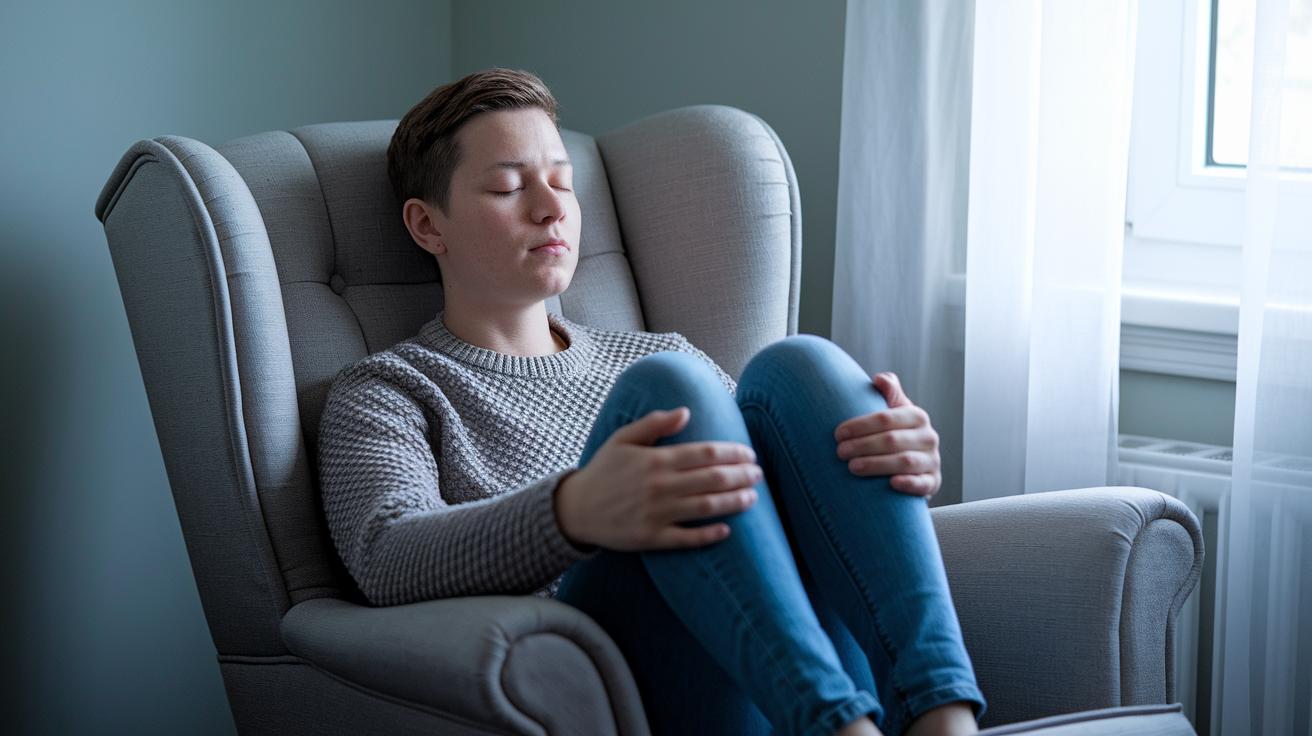
Imagine sitting in your favorite chair, taking slow, deep breaths as your mind finds a calm space. Mixing deep breathing with mindfulness can help sharpen your focus and steady your emotions. With each slow breath, feel how your belly gently rises and notice the soft rhythm of your breathing. This simple act grounds you in the present, easing tension and smoothing your emotional responses.
Try adding a little guided imagery into your breathwork. With every exhale, picture a quiet, peaceful scene that brings you comfort. You can add a bit of muscle relaxation too, tighten and then slowly let go of the tension in your hands and arms. This way, your body and mind start to move together in a calming rhythm.
Think of it like listening to your favorite song where every note flows perfectly into the next. This mix of deep breathing, gentle imagery, and muscle relaxation can help lift your mood and deepen your sense of calm. In time, this blend of meditation and breath control may lead to clearer thoughts and a more balanced, peaceful heart.
Final Words
In the action of managing anxiety, deep breathing for anxiety shows its immediate impact. We explored simple belly breathing, quick three-breath mini strategies, and even the 3-3-3 rule to shift our mind from stress to calm. Along the way, we saw how these techniques aid our body's relaxation response and support overall well-being. Regular practice along with mindfulness can transform everyday moments into opportunities for calm. Embrace these steps and let each breath become a building block for a calmer, healthier you.
FAQ
How does deep breathing help ease anxiety?
The deep breathing helps ease anxiety by calming the nervous system, lowering the heart rate, and shifting the body from a high-stress state to a relaxed one through controlled, mindful breaths.
What is the 4-7-8 breathing technique for anxiety?
The 4-7-8 breathing technique for anxiety involves inhaling for 4 seconds, holding the breath for 7 seconds, and exhaling for 8 seconds, which helps soothe nerves and ease anxious feelings effectively.
What is the 5-5-5 method for anxiety?
The 5-5-5 method for anxiety entails inhaling for 5 seconds, holding for 5 seconds, and exhaling for 5 seconds, offering a quick and balanced way to calm your body during stressful moments.
Can deep breathing get rid of anxiety?
The deep breathing can reduce anxiety symptoms by interrupting stress responses and promoting relaxation, though it works best when practiced regularly alongside other healthy coping strategies.
How long should I deep breathe for anxiety relief?
The deep breathing for anxiety relief typically lasts several minutes per session, while a quick three-breath mini strategy can provide instant relief during acute stress, making it adaptable to different needs.
How do breathing exercises help during an anxiety attack?
The breathing exercises during an anxiety attack help by refocusing the mind on slow, controlled breaths, easing the intense stress response, and allowing the body to return to a calmer state quickly.
Are there CBT breathing techniques for anxiety?
The CBT breathing techniques for anxiety combine mindful breath control with cognitive strategies, helping individuals shift negative thoughts and focus on calming their physical responses during stressful times.
Where can I find resources like PDFs or videos on breathing exercises for anxiety?
The deep breathing resources, including PDFs and videos, are available from reliable health sources online and offer clear, step-by-step guides to help you practice calming breath techniques effectively.
What does deep breathing do for anxiety and depression?
The deep breathing for anxiety and depression helps by activating the relaxation response, improving oxygen flow to the brain, and reducing stress, which can help stabilize mood and ease symptoms over time.
Can deep breathing ever make anxiety worse?
The deep breathing usually calms anxiety, but if done incorrectly or too rapidly, it might lead to lightheadedness or hyperventilation. Learning and practicing the proper technique is key for a positive effect.