
Do you ever feel like life is just too noisy? Imagine finding a quiet spot where all your worries slowly drift away like soft clouds. Guided mindfulness meditation is a simple way to clear the clutter and bring you a sense of calm. It helps you learn easy steps to ease your mind and let tension melt away, like taking a small break during a hectic day. In this post, you’ll discover how to turn any space into a peaceful retreat that helps you relax and sharpen your focus.
Step-by-Step Guided Mindfulness Meditation Practice for Stress Relief and Focus
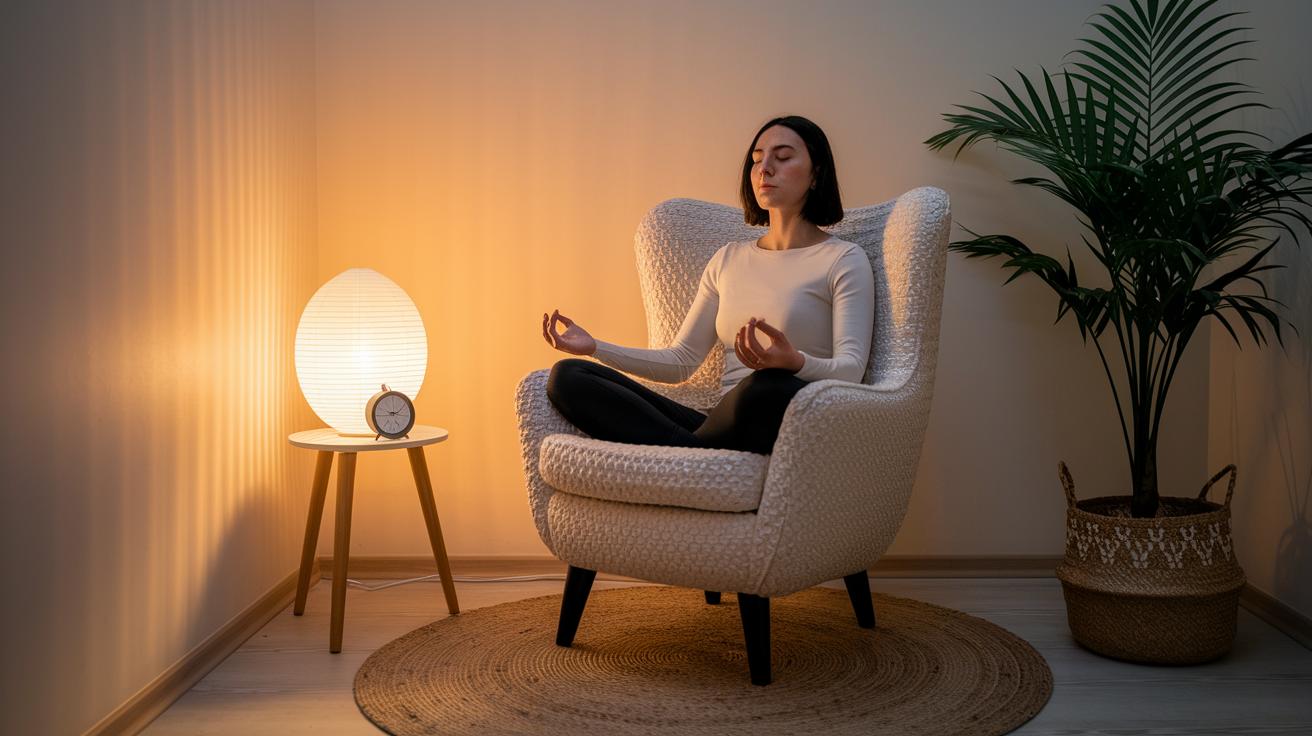
Start by getting your space ready. Look for a quiet corner where you can sit comfortably or lie down. Adjust your body so your back stays straight and you feel at ease. Imagine this spot as your little retreat, much like a calm stream that soothes your mind. This setup sends a gentle signal that it’s time to relax and focus.
- Find a quiet spot with a cozy chair or a soft place to rest.
- Choose your meditation time and set a timer.
- Slowly scan your entire body from your toes to your head, noticing every little sensation without trying to change anything.
- Turn your focus to your breathing. Notice how you naturally breathe in and out, like the steady rhythm of a favorite song.
- When thoughts drift in, see them as fluffy clouds passing by without judgment.
- Finish by widening your awareness. Soften your focus and gently open your eyes when you’re ready.
This simple meditation practice can help ease stress and clear your mind. As you finish, feel the tension melting away and notice how your focus sharpens. With regular practice, you may find yourself feeling calmer and more centered every day.
Core Techniques in Guided Mindfulness Meditation

Pick a meditation method that matches how you're feeling today. You might choose a gentle body scan or follow the steady rhythm of your breath, letting your focus change as you need without doing the same steps over and over.
Body Scan Meditation
Sit or lie down comfortably with your eyes closed. Slowly shift your attention from your toes upward, noticing any feelings or sensations in each part of your body. For example, you might feel a cool, light sensation as your foot muscles relax. Take your time with this process, usually for about 8 to 12 minutes.
Awareness of Breath
Turn your focus to your natural breathing. Notice each inhale and exhale, letting your breath serve as a gentle anchor in the moment. When your mind wanders, simply bring your attention back to your breathing. It’s like feeling a soft, steady pulse that guides you back to the present. For more tips, you can explore mindful breathing techniques for your daily routine at this link: mindful breathing techniques for daily routine.
Designing Your Daily Mindful Relaxation Routine

Begin by choosing how long each session will be and when you'll do them. Even a short five-minute break each day can help make mindfulness a regular habit. Maybe try a gentle body scan in the morning to wake up your senses or a calming breath focus in the evening to settle down. Having a set time can make it easier to stick to your routine without much fuss.
Try to weave meditation into everyday activities. For example, take quick mindful breaks at work by pausing to feel your breath or doing a little stretch. This small habit gives you a refreshing moment of calm that can clear your mind, even during a busy day.
Keep track of your progress over time and feel free to adjust your routine. Perhaps write down how you feel or notice small changes in your mood and tension. These notes can help you see your improvements and encourage you to keep nurturing your calm, steady practice.
Choosing Guided Mindfulness Meditation Audio and Scripted Materials

When you’re exploring guided meditation, it can help to mix both audio recordings and written guides. Audio meditations often play gentle music and warm voices that can ease your stress and boost your focus. A calm reading with the right pace sets a peaceful mood that lets you drift into relaxation.
Scripted guides, on the other hand, let you move at your own speed. You can pause and reread parts to catch details like posture or hand positioning. Each method has its own charm, audio can feel more like you’re in the moment, while text lets you clearly see each step.
When choosing your meditation tool, think about a few key points. Check if the session’s length fits your schedule, whether it’s a quick break or a longer relaxation period. Listen for a clear and friendly voice and consider sessions with soft, natural background sounds that make the experience even more calming.
2. guided mindfulness meditation: Pure Calm

Try a body scan for sleep that guides your attention from your toes up to your head. This gentle practice helps both your mind and body get ready for rest by simply noticing how each part feels, without trying to change anything. It feels like a soft lullaby soothing your nerves after a hectic day.
In another 12-minute session, loving-kindness meditation helps you turn self-criticism into self-trust. Gentle prompts encourage you to replace harsh judgment with warm acceptance. As kind words echo in your mind, you start treating yourself with the same care you show to others, easing emotional tension and bringing a sense of balance.
Mindful walking turns an everyday stroll into a chance to be truly present. With every step, feel the ground beneath your feet and notice the movement in your body. This simple practice not only reduces stress but also helps you stay connected with the world around you.
A meditative visualization session invites you to picture calming scenes like soft lights, gentle waves, or a quiet forest clearing. These images clear away everyday stress and create an inner space for peace and balance to grow.
Overcoming Common Challenges in Guided Mindfulness Meditation
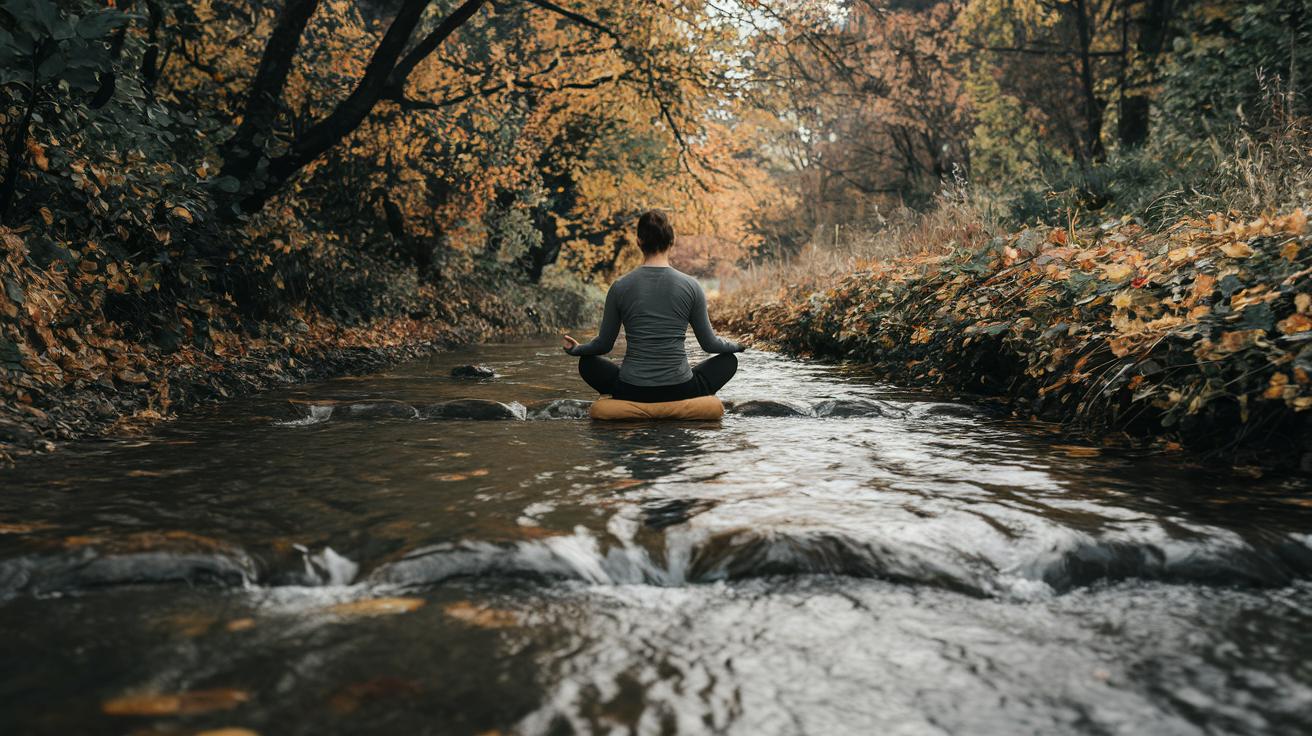
When you sit to meditate, your busy mind might wander and pull your attention away from your breathing. It can feel like your thoughts are racing around, making it tough to keep your focus. The first step is simply noticing this and gently bringing yourself back.
Managing a Wandering Mind
When your thoughts start drifting, try softly steering your attention back to your breath. Picture your thoughts as leaves floating on a stream, observe them as they pass by without holding on to any one leaf. You might even whisper to yourself, “Back to the breath,” to help guide you home.
Adjusting Posture for Comfort
Sometimes sitting for meditation can become uncomfortable. If you feel aches or strain, try shifting your position. Use a cushion or a rolled-up towel to support your back until you find a spot that lets you relax while staying awake and alert.
Avoiding Sleepiness
It’s normal to feel a bit sleepy when you meditate, especially during longer sessions. If you start to nod off, try shortening your practice or sitting up straighter. Even a few minutes of mindful breathing can boost your energy and keep you engaged.
Remember, each of these challenges is part of your growing practice. With patience and gentle reminders, you can learn to manage distractions, ease discomfort, and stay awake, building a calm and steady mind over time.
Final Words
In the action of putting these techniques into practice, you set up a calm space, adjust your posture, and follow a step-by-step process, from scanning your body to focusing on natural breath. The guide breaks everything down clearly so you can manage distracting thoughts and build calm.
This guided mindfulness meditation helps ease stress while sharpening focus. Every session feels like a small reset. Keep practicing and embrace each moment with a renewed sense of calm and clarity.
FAQ
What is a guided mindfulness meditation?
The guided mindfulness meditation is a session that uses audio or a script to lead you step-by-step into a state of calm and focus, helping you tune into your breath and body.
Where can I find guided mindfulness meditations and free audio downloads?
You can find guided mindfulness meditations on platforms like YouTube and trusted health websites, where free audio downloads and video sessions cater to beginners and experienced users alike.
What is the best guided meditation option for beginners?
The best guided meditation for beginners offers clear, simple instructions, often in a short 10-minute format, making it easy to start and build a regular practice.
How does guided mindfulness meditation help with anxiety?
Guided mindfulness meditation for anxiety works by gently shifting your focus to breathing and bodily sensations, which helps ease worried thoughts and promotes a calming mental space.
What is 5-4-3-2-1 mindfulness meditation?
The 5-4-3-2-1 mindfulness meditation uses your senses by having you name five things you see, four you touch, three you hear, two you smell, and one you taste to ground yourself in the present moment.
What are the 8 rules of meditation?
The 8 rules of meditation typically include setting an intention, choosing a quiet space, sitting comfortably, focusing on breath, gently observing thoughts, maintaining consistency, practicing self-kindness, and ending the session mindfully.
Is guided mindfulness meditation suitable for kids?
Guided mindfulness meditation for kids features simple language and friendly prompts that help youngsters calm their minds, improve focus, and enjoy a playful introduction to meditation practices.
Why is YouTube a popular platform for guided meditations?
YouTube offers a range of guided meditations with friendly visuals and clear narration, making it easy and free for users to access sessions designed for stress relief, focus, and beginner-friendly practice.