
Have you ever thought about how little habits can make a big difference? Even simple things like getting enough sleep or drinking water throughout the day can lift your energy and mood. Writing down a moment of gratitude, even just a quick note, helps build a solid base for a healthier life.
In this article, we share easy daily routines to help keep your body and mind in balance. These small changes can brighten your day and make you feel healthier and more alive.
Essential Daily Habits for a Healthy Lifestyle
Tiny daily actions can truly change how you feel over time. When you follow simple routines each day, you're building a plan that boosts your energy, sharpens your mind, and strengthens your body. Every small effort leads to lasting benefits.
Every step you take matters. Each healthy choice reduces your risk of chronic illness, keeps your heart happy, and lifts your mood. These actions also help your body repair itself and keep your mind steady.
- Sleep for 7 to 9 hours each night, it helps your brain stay clear and gives your immune system a boost.
- Drink plenty of water. Water keeps you cool, aids digestion, and helps flush out toxins.
- Eat a mix of fruits, vegetables, whole grains, and lean proteins to fuel your body with what it needs.
- Exercise regularly. Moving around helps your heart, lowers disease risks, and brightens your mood.
- Cut back on screen time before bed so your body can produce melatonin for better sleep.
- Keep a gratitude journal each day. Writing down what you’re thankful for can ease stress and lift your spirits.
- Spend time outside. Fresh air and natural light can lower stress and make you feel refreshed.
- Track your habits daily. Jotting down your progress helps you stay consistent and ward off future issues.
By adding these eight simple habits into your day, you're investing in a healthier future. Each one helps balance your body, mind, and emotions, building the strength you need to feel vibrant and ready for whatever comes your way.
Building a Balanced Nutrition Regime
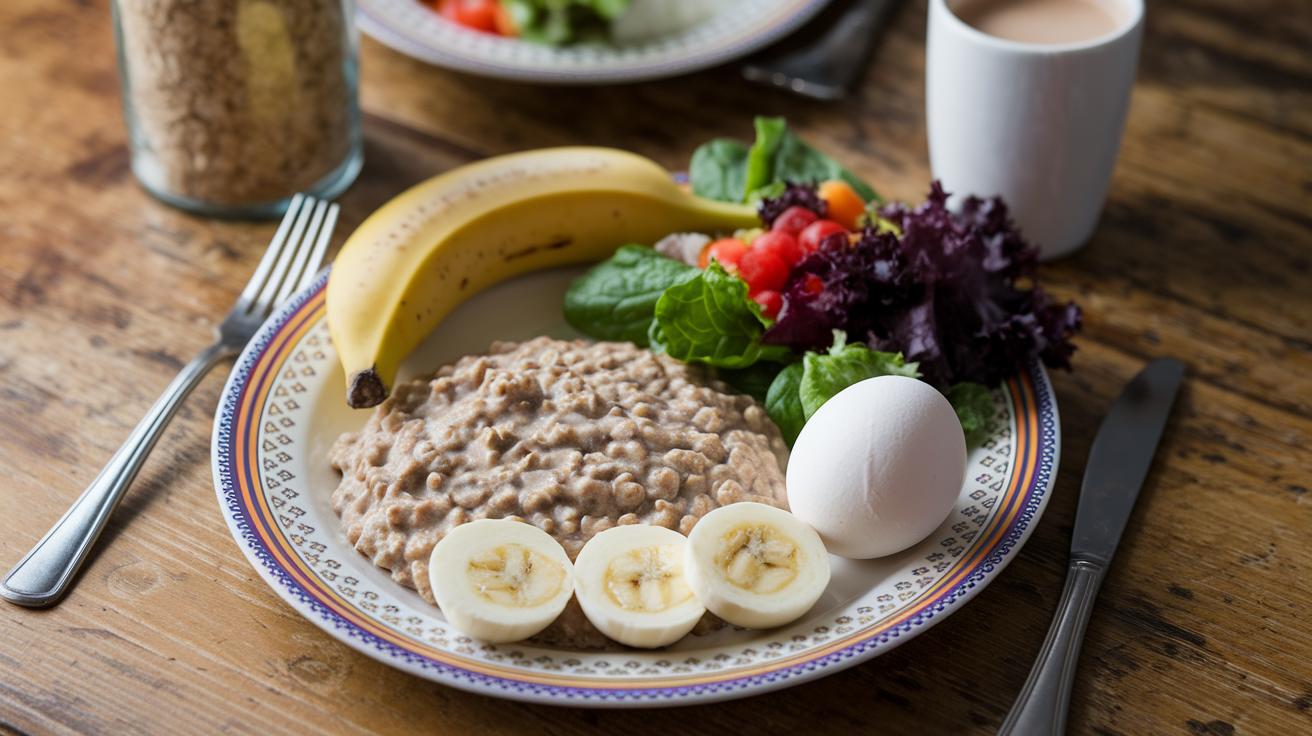
Balanced meals help keep your body and mind strong. When you fill your plate with whole foods like fresh fruits, crisp vegetables, hearty whole grains, and lean proteins, you're fueling your body the right way. This style of eating boosts your energy, helps your body soak up nutrients better, and can even lower the risk of issues like heart disease and type 2 diabetes.
Here's a simple guide to planning your meals:
| Meal | Food Components | Portion Guide |
|---|---|---|
| Breakfast | Whole grains, fruit, and lean protein | One serving each (imagine a bowl of oatmeal with banana slices and a boiled egg) |
| Lunch | Vegetables, lean protein, whole grains | Fill half your plate with veggies, one-quarter with protein, and one-quarter with grains (like a sandwich paired with a side salad) |
| Snack | Nuts, yogurt, or fruit | A small handful or one serving cup |
| Dinner | Mixed vegetables, lean protein, and whole grains | Evenly divided portions across your plate |
Keeping an eye on your portions is a smart way to maintain a healthy weight and a happy heart. Using simple cues, like picturing half a plate filled with veggies, can make it easier to judge your serving sizes. Enjoying balanced meals and watching your portions not only keeps you full of life but also helps steer you clear of too many processed foods.
Integrating Active Fitness Regimens
Regular exercise keeps your heart strong and helps boost your mood. It lowers your risk for heart disease, strokes, and type 2 diabetes. Even a short burst of movement can lift your energy and keep your body feeling balanced.
Cardiovascular Workouts
Try fitting in 20 to 30 minutes of moderate cardio most days. Activities like brisk walking, cycling, or swimming make your heart beat faster and get your blood flowing. Imagine a brisk walk that leaves you a little out of breath but refreshed and alert.
Strength and Resistance Training
Plan on doing muscle-strengthening exercises two to three times a week. Simple moves using your body weight or light free weights, think push-ups, squats, or light dumbbell workouts, can really make a difference. These exercises help build strength and support your joint health.
Flexibility and Mobility Drills
Add in some stretching or gentle yoga every day to keep your body flexible. Simple movements, like easy forward bends or side stretches, can relieve tension that builds up from sitting too long. Picture wrapping up your day with a few slow yoga poses, helping you relax and feel more tuned in to your body.
Mixing these different exercises throughout your week builds a balanced routine that keeps you active and supports overall wellness.
Practicing Mindful Sleep Techniques

Aim for 7 to 9 hours of sleep each night. Sleep acts like a reset button for your body, when you’re well-rested, you feel ready to take on the day. I’ve often found that a full night’s sleep gives me the energy to face any challenge.
Keep your bedroom cool, dark, and quiet to create a calming sleep space. Try turning down the volume, dimming the lights, and setting a comfortable temperature so you can relax. Picture settling into a serene room where every detail helps you sink into deep, uninterrupted rest.
Before bedtime, build a screen-free wind-down routine. Turning off devices 30 to 60 minutes before sleep can help boost your body’s natural melatonin production (a hormone that helps regulate sleep). Consider reading a book or doing some gentle stretches, simple habits that ease your mind and tell your body it’s time to relax.
Effective Stress Relief Approaches
Chronic stress slowly wears you down by making your body produce more cortisol, a stress hormone that, when high, can weaken your immune system. When stress builds up over time, you might start feeling sick and overwhelmed. Imagine carrying a heavy load that makes even simple tasks feel much tougher.
When left unchecked, stress can lower your mood, mess with your sleep, and make it hard to focus. High stress can create a loop where anxiety and tension feed off each other. It can feel like a never-ending roller coaster where each bump seems to make things worse.
There are easy ways to manage stress without needing any fancy tools. Try deep breathing for a few minutes during breaks in your day. Even a simple five-minute pause can help ease the tension. Spending time outdoors, where you can enjoy nature, might also help lower your cortisol levels and clear your mind. A bit of mindfulness or writing down a few things you're thankful for can also lift your mood and calm your nerves. These small habits offer a practical way to relieve stress and bring a lasting sense of balance to your life.
Morning Power Rituals and Evening Relaxation Methods
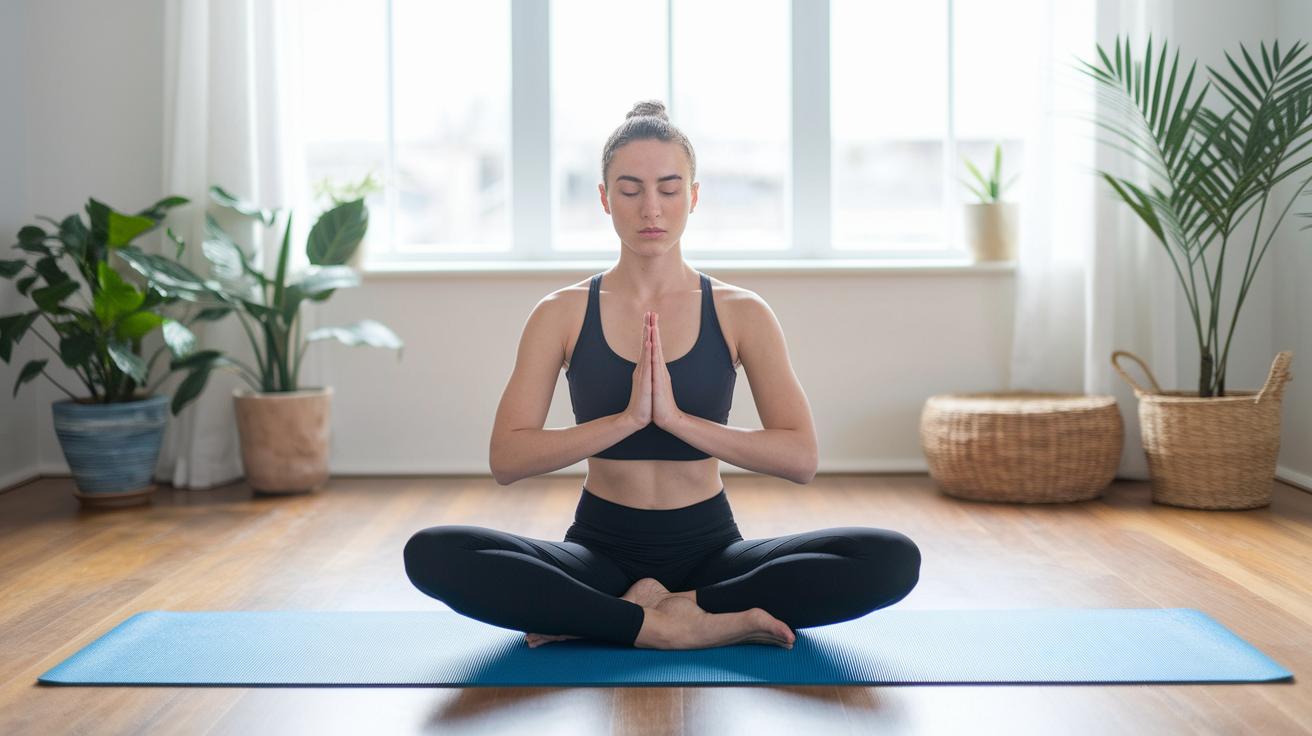
Start your day with simple habits that boost your energy. When you wake up, drink a glass of water, enjoy some sunlight, and do a few gentle stretches. Take about 10 minutes to jot down your thoughts, maybe write, "Today, I'm ready to shine."
As the day winds down, prepare your body and mind for a good night's sleep. Try some light yoga and slow down with a few deep breaths. Turn off your screens a little before bedtime and spend a quiet moment thinking about what you’re grateful for. Picture yourself in a softly lit room, where every thought becomes a step toward calm.
Mixing these morning and evening rituals can help you feel alert when you need to be and relaxed when it’s time to rest. It’s all about setting the tone for a day that feels balanced from start to finish.
Forming and Tracking Healthy Habits
Starting new habits can feel a lot like planting a seed. With some care and time, these little seeds grow into routines that stick. Research tells us that adding just one or two habits at a time makes it easier to keep up without feeling swamped by too many changes all at once.
Setting SMART Goals
When you set SMART goals, you are making plans that are clear and reachable. SMART stands for Specific, Measurable, Achievable, Relevant, and Time-bound. For example, you might decide, "I will take a 15-minute walk at 8 AM on weekdays." This clear plan helps you see your progress and know exactly when you’ve met your goal. It’s like drawing a simple map that guides you along your health journey.
Using Tracking Tools
Tracking your habits doesn’t have to be complicated. You can use a paper checklist, a calendar, or even a mobile app to mark your progress. Each time you check off a day, it’s a little reminder of how far you’ve come. Keeping a daily record not only shows your improvement but also helps you stay accountable.
It’s also a good idea to set aside a few minutes each week to review how you’re doing. Take a moment to see what’s working and where you might want to make a change. This simple weekly check-in keeps your routine fresh and just right for your lifestyle.
Final Words
In the action of putting simple yet consistent routines into play, you blend balanced nutrition, movement, mindful sleep, stress relief, and habit tracking to support your overall well-being. These actions are building blocks that help you form habits of a healthy lifestyle while backing your physical, mental, and emotional health.
Each small step you take adds momentum toward lasting vitality. Keep embracing these daily practices, and enjoy the positive changes that come with every choice you make.
FAQ
What are 10 healthy habits to follow everyday?
The 10 healthy habits include getting enough sleep, staying hydrated, eating balanced meals, exercising regularly, limiting screen time, practicing gratitude, spending time outdoors, connecting socially, tracking habits, and managing stress.
What are the 7 components of a healthy lifestyle?
The 7 components include quality sleep, balanced nutrition, regular physical activity, effective stress management, proper hydration, social connections, and mindful routines that support overall well-being.
How do daily habits improve life?
Daily habits improve life by establishing consistent routines that boost energy, mood, and overall health, making each small action a building block for long-term wellness.
How can I change my lifestyle to be healthy?
Changing your lifestyle to be healthy involves gradually adopting proven habits like better sleep, balanced nutrition, regular exercise, stress reduction techniques, and tracking your progress to build lasting change.
What healthy habits can kids and students adopt?
Kids and students can adopt healthy habits such as eating balanced meals, staying active with play or exercise, keeping a regular sleep schedule, managing screen time, and engaging in positive social and mindful activities.