
Health 'flexes' are subtle, often-overlooked signals that your body is running smoothly. This list collects easy-to-spot markers people sometimes use to gauge hydration, circulation, digestion, hormonal balance and nervous-system health. Think painless periods, a flat pink tongue, the ability to hold your breath for over a minute, fully pink lips, nails that grow quickly, bright white sclera, waking hungry, two bowel movements a day, visible veins in the arm crease, straw-colored urine, almost never burping, falling asleep quickly, even facial skin tone, odorless sweat and even being able to feel an egg during ovulation. How many do you have?
The Subtle Health 'Flexes' To Notice

Health 'flexes' are subtle, often-overlooked signals that your body is running smoothly. This list collects easy-to-spot markers people sometimes use to gauge hydration, circulation, digestion, hormonal balance and nervous-system health. Think painless periods, a flat pink tongue, the ability to hold your breath for over a minute, fully pink lips, nails that grow quickly, bright white sclera, waking hungry, two bowel movements a day, visible veins in the arm crease, straw-colored urine, almost never burping, falling asleep quickly, even facial skin tone, odorless sweat and even being able to feel an egg during ovulation. How many do you have?
Hazel Eyes and Iridology: A Complementary Take
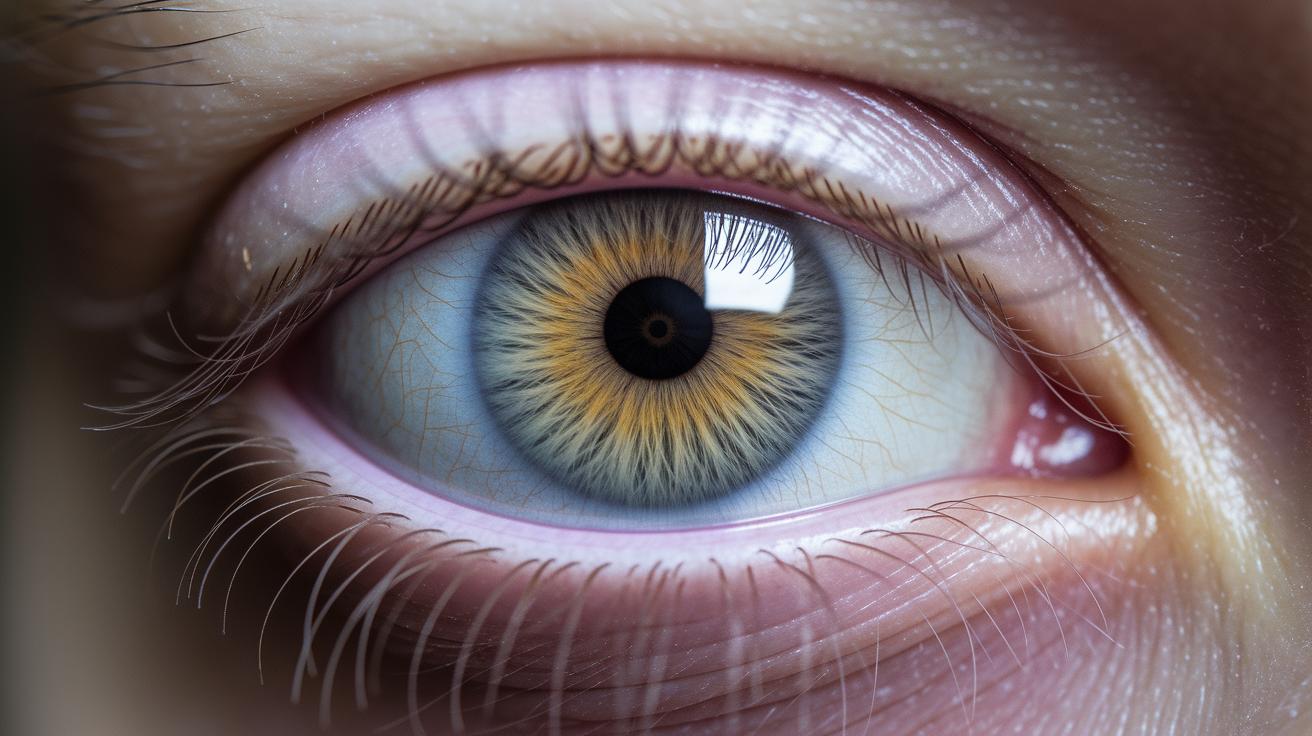
Some alternative practitioners, especially those practicing iridology, interpret hazel or mixed-colored irises as a sign that the liver or lymphatic system could use attention. The theory is that pigment patterns, rings or a hazel overlay might reflect toxin load or chronic sluggish drainage. Remember: iridology has limited scientific backing, so consider it a complementary viewpoint rather than diagnosis. If you see hazel shades and are curious, gentle, evidence-based steps like improving hydration, prioritizing whole plant foods, reducing alcohol, and checking liver markers with your healthcare provider are sensible first moves rather than jumping into aggressive cleanses.
Green Eyes: Blue Base, Brown Overlay , What It Could Mean
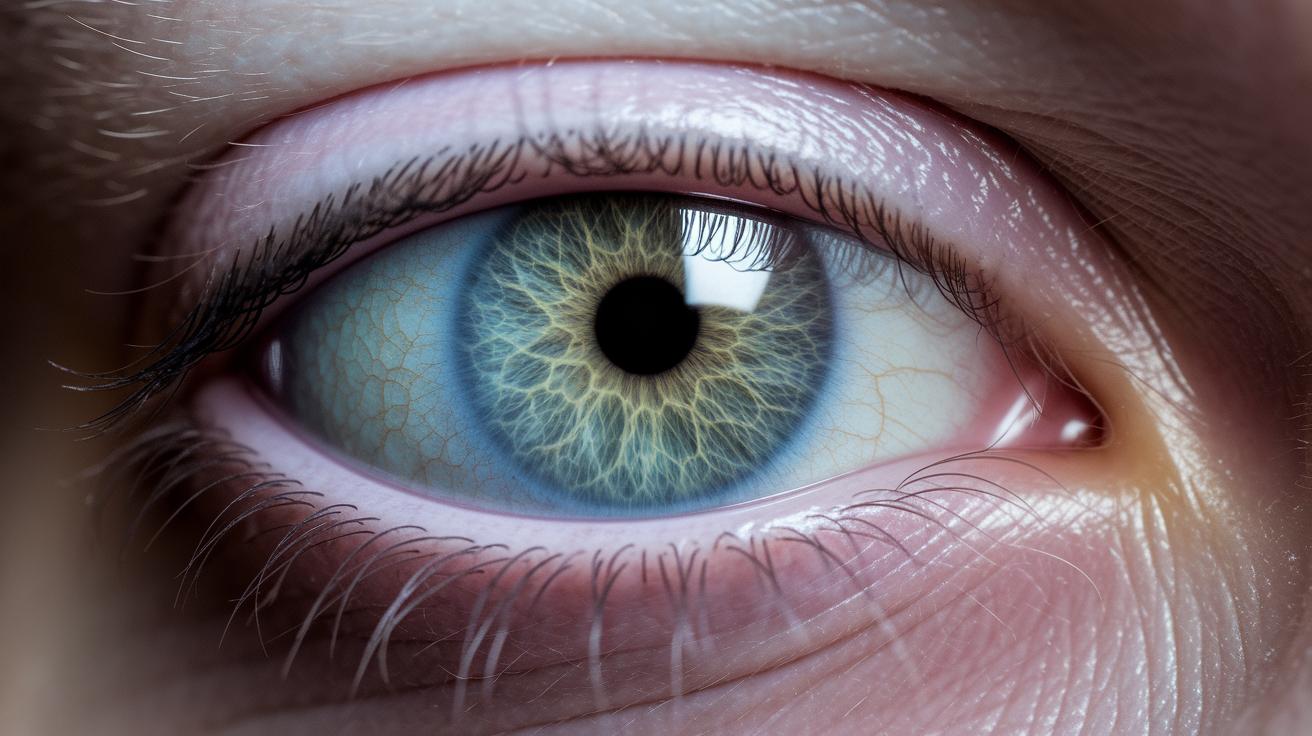
Green eyes often result from a structural blue base with a top layer of brownish pigment; visually it can look like a green overlay. Some natural‑health practitioners link that top layer to liver or lymphatic burden , a superficial 'coat' that could benefit from detox-supportive habits. Biologically, eye color is mainly genetic and structural; pigment deposition is not a diagnostic test. If your eyes appear layered or you notice sudden changes, get a medical check-up. Otherwise, maintaining hydration, antioxidants from fruits and vegetables, and periodic medical screening will support overall clearance pathways and may improve skin, mucous membranes and eye whites.
Practical Ways to Support These Markers: Hydration, Diet & Thyroid

The thread suggested practical lifestyle moves to preserve or restore these so-called health flexes: emphasize hydration, prioritize fruits and vegetables to keep a more alkaline dietary balance, support thyroid health, and reduce or cycle high-fat intake and alcohol. Some people also advocate occasional anti‑parasitic food cycles (like garlic or pumpkin seeds) but these approaches should be evidence-based and supervised by a clinician. In short: consistent hydration, a whole-foods-forward plate, limited alcohol, sensible fat balance, and routine thyroid screening if symptoms arise are low-risk, high-reward ways to support digestion, circulation, skin and energy.
Circulation and Skin-Tone Signals: Bright Whites, Pink Lips and Visible Veins

Several markers in the original list reflect circulation and tissue oxygenation: bright white sclera, visible veins in the fold of the arm, pink lips and a flat pink tongue, rosy soles of the feet, fast-growing nails, and clear lunulae at the nail base. These can indicate adequate iron and hemoglobin, good peripheral circulation, sufficient protein and micronutrient intake, and proper hydration. Visible veins and good capillary refill often point to efficient blood flow and low subcutaneous fat. While attractive, they're not a substitute for lab checks, if you lose color, bruise easily, or notice new changes, consult a clinician to rule out anemia or vascular issues.
Digestive and Urinary Clues: Straw-Colored Urine, Regular Bowels and Minimal Bloating

Digestive and urinary patterns tell a lot: straw-colored urine generally signals good hydration and liver function, two bowel movements per day suggest a healthy transit time, minimal burping and no bloating point to balanced digestion and microbiome, and waking hungry plus needing to pee first thing can reflect normal metabolic cues. Odorless sweat often means fewer metabolic byproducts or balanced gut flora. These signs together suggest efficient digestion, bile flow and hydration. If you experience sudden changes , dark urine, constipation, frequent bloating, or odorous sweat , get checked for gallbladder, liver, or microbial imbalances before assuming it's a normal variation.
Neuromuscular and Reproductive Flexes: Breath, Balance and Hormones

Extras like holding your breath over a minute, falling asleep instantly, steady non‑shaky hands, the capacity to squat, spreading all ten toes, full eyebrows, quick pupil constriction to light, feeling an egg during ovulation and morning erections are markers of nervous system resilience, neuromuscular coordination and balanced hormonal ecosystems. Strong breath-hold and motor control often reflect cardio‑respiratory fitness and parasympathetic tone; quick sleep onset can signal healthy sleep pressure. Reproductive signals like morning erections or perceiving ovulation are tied to hormonal balance. If you notice sudden loss of these functions , tremors, insomnia, erectile dysfunction, or changes in ovulation , seek medical evaluation.
ivermectin pharmacokinetics
ivermectin pharmacokinetics
minoxidil women’s structured guide
minoxidil women’s structured guide
vardenafil 20 mg tablet information
vardenafil 20 mg tablet information
vardenafil vs sildenafil tolerability
vardenafil vs sildenafil tolerability
amoxicillin clinical guide
amoxicillin clinical guide
augmentin vs amoxicillin effectiveness
augmentin vs amoxicillin effectiveness
amoxicillin immune reactions
amoxicillin immune reactions
Drug Duration Knowledge Base
Drug Duration Knowledge Base
Tmax Learning Resource
Tmax Learning Resource
Sildenafil vs Cialis Onset Duration Context
Sildenafil vs Cialis Onset Duration Context