
Ever imagined that a brief but powerful workout could change your fitness journey? HIIT cardio gives you a quick burst of exercise that burns calories and strengthens your heart. In just a few intense intervals, you fire up your metabolism, which keeps working even after you're done. It turns every minute of effort into a step toward better fitness. Ready to try a heart-pumping routine that lifts both your body and spirit? Let's take a look at how HIIT can spark real change in your health.
Core HIIT Cardio Workout Guide: Definition, Benefits, and Calorie Burn
HIIT workouts mix short bursts of fast, hard exercise with quick breaks or lighter moves. This style really challenges your body in short spurts, then gives you a moment to catch your breath. It’s a fun way to rev up your metabolism like few other routines do. Want to know more about exactly what HIIT is? Check out this link: what is hiit workout.
A quick 20-minute session can burn anywhere from 150 to 400 calories. How many calories you burn depends on things like your weight and the kind of exercises you pick. Imagine it like this – instead of a long, steady run, spending 20 minutes going all out can jump-start your calorie burn, even after the workout ends, thanks to the afterburn effect, often called EPOC (excess post-exercise oxygen consumption).
Not only do HIIT workouts help drop calories while you’re moving, they also help keep your muscles strong and shrink body fat. They boost your heart and lung health without needing fancy equipment, so you can do them at home or at the gym.
It works best if you do it three times a week. Pushing too hard too often can strain your body, so listen to your body and add recovery days for your muscles and tissues to mend.
| Key Benefit | Description |
|---|---|
| Calorie Burn | Short, high-intensity bursts help you burn 150–400 calories in just 20 minutes. |
| Metabolic Boost | The EPOC effect keeps your metabolism revved up even after the workout. |
hiit cardio workout: Energizing Quick Burn
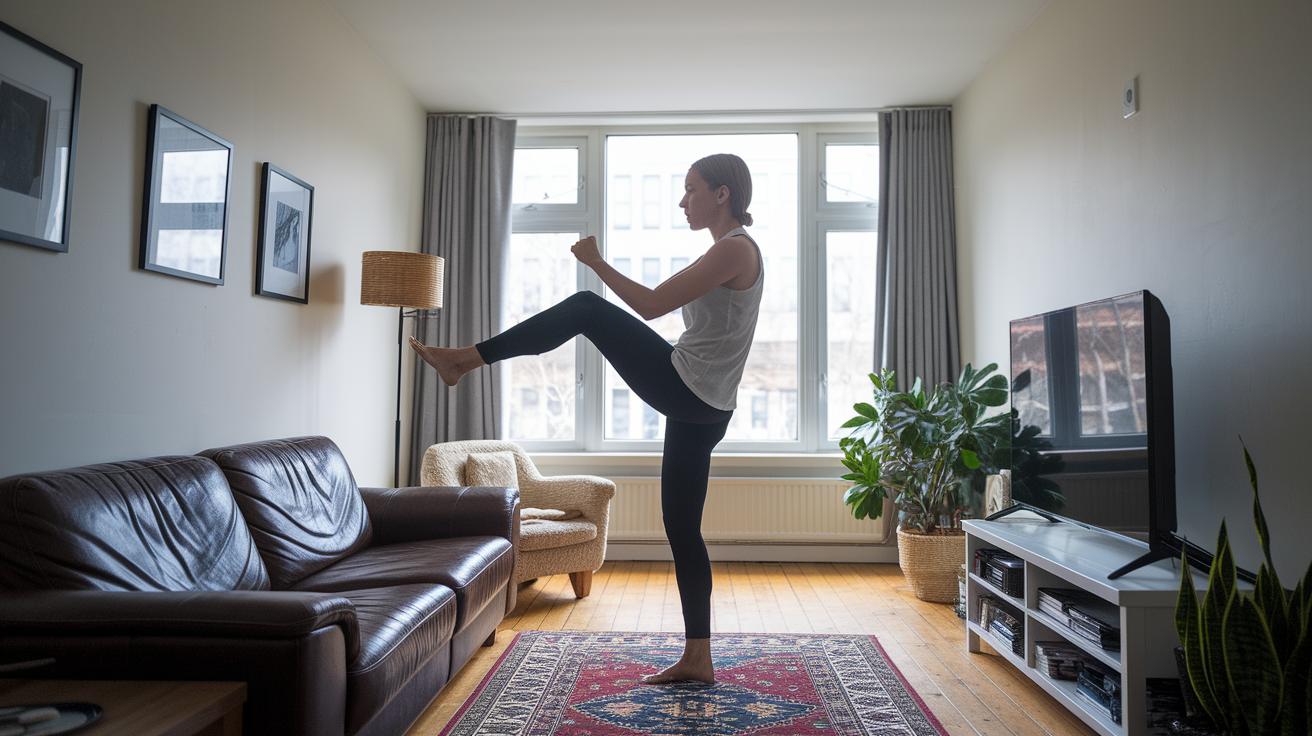
If you're looking for a quick way to get your heart pumping, try this simple 10-minute workout. It’s made for beginners who want to build endurance and boost their metabolism, all while keeping it safe for your body.
Here’s how it works: You give it your all for 30 seconds and then take a 15-second break. These short bursts keep your heart rate high, and the breaks help protect your joints.
Pick from these easy moves:
- High knees: Jog in place and lift your knees high to work your core and legs.
- Marching jacks: A gentler version of jumping jacks where you lift your arms and legs slowly, great if you're just starting.
- Modified burpees: Instead of jumping, simply step back to get a good sweat without stressing your joints.
- Side-to-side steps: Move quickly from left to right to improve your balance and feel more anchored.
Do each move for 30 seconds, resting 15 seconds between them. This burst of action in just 10 minutes can help you build confidence and boost your energy. Best of all, you can do it right at home. For more support, check out these beginner-friendly routines at https://siluk.net?p=273.
Stick to a regular schedule too, aim for three sessions a week. This routine is perfect if you’re just starting out or need a fast, effective way to add more movement into your day.
Advanced HIIT Cardio Workout: 20-Minute High-Pace Intervals
This advanced interval training is a 20-minute session that swaps 30 seconds of all-out effort with 30 seconds of active recovery. In other words, you push hard and then let your body catch a breath. Your heart races and your body burns calories fast, kind of like sprinting to catch the last bus.
The workout includes four different HIIT techniques that mix short sprints with exercises like burpees and mountain climbers. Burpees combine a squat, jump, and push-up in one smooth move to work your entire body. Mountain climbers fire up your core and keep your heart rate up. If you find yourself working longer than the 30 seconds, it might be a sign to push even harder during the work period.
This setup is shown to burn up to 400 calories in just 20 minutes. It makes the most of the afterburn effect, where your body continues burning calories after the exercise. The strict 30-second work-and-rest pattern creates quick bursts of effort followed by a short recovery.
Here’s a friendly tip: Set your timer for 30 seconds of full effort followed by 30 seconds of light movement, like a brisk walk or a slow jog. Picture yourself running for that last bus, quick, powerful bursts, then a brief moment to catch your breath before jumping back in.
Treadmill HIIT Cardio Intervals: Speed and Incline Variations

For a solid treadmill workout, set your machine for alternating bursts of activity. Start by sprinting for one minute at about 8 to 10 mph to get your heart racing. Then, ease off by walking for one minute on a 3 to 4% incline. This setup helps burn fat while giving your joints a friendly break.
Begin with eight to ten rounds. This routine is a great way to ease into tougher treadmill sessions if you’re just starting out. As you get stronger, try bumping up the speed or the incline every couple of weeks. For instance, if 8 mph feels just right during your sprint, try nudging it a bit higher. A small change like that can take your workout to the next level and boost your heart health.
A treadmill helps you keep an eye on your form and fine-tune your settings as you need. Each well-timed interval keeps your body busy, even after the session ends. Plus, the cushioned belt cuts down on joint stress, making it a safe choice when you're building endurance. Think of each round as a stepping stone, crank through the one-minute sprint and then use the slow minute to catch your breath. It’s similar to switching gears in your favorite car, mixing fast-paced bursts with smooth breaks to burn calories effectively and strengthen your heart.
Picture yourself stepping on the treadmill, setting the pace just right, and feeling in full control. This blend of speed and recovery keeps your workout fresh and effective every time.
No-Equipment Full-Body HIIT Cardio Circuit Training
This workout shows you how to use your own body weight to get a great sweat in without any extra equipment. It’s a circuit of five moves that challenge your entire body over a quick, 15-minute session. You'll perform each move for 45 seconds, then take a 15-second break before moving on.
Here’s what you’ll do:
- Jumping jacks: Stand tall, jump while spreading your legs, and clap your hands over your head.
- Squat jumps: Lower yourself into a squat, then push up quickly with a jump.
- Mountain climbers: Start in a push-up position and rapidly bring your knees toward your chest, alternating sides.
- Plank jacks: Get into a plank and jump your feet out wide before bringing them back together.
- Burpees: Drop into a squat, kick your feet back into a quick plank, then jump up to finish.
Imagine kicking off with jumping jacks and feeling that rush of energy, almost like a mini celebration in your body that reminds you it’s time to get moving.
This session blends bodyweight moves and quick cardio to boost your heart rate while strengthening your muscles. Not only does it help burn fat, but it also builds up your endurance and balance. Best of all, you don’t need much space at all, whether you’re on your living room floor or in a quiet corner at the park.
Curious to learn more? Check out this link for extra benefits of bodyweight training: benefits of bodyweight training.
With its short, high-intensity bursts, this circuit gives you a fat-burning workout that is both challenging and easy to fit into your day.
HIIT Cardio Session Structure: Warm-Up, Intervals, and Cooldown
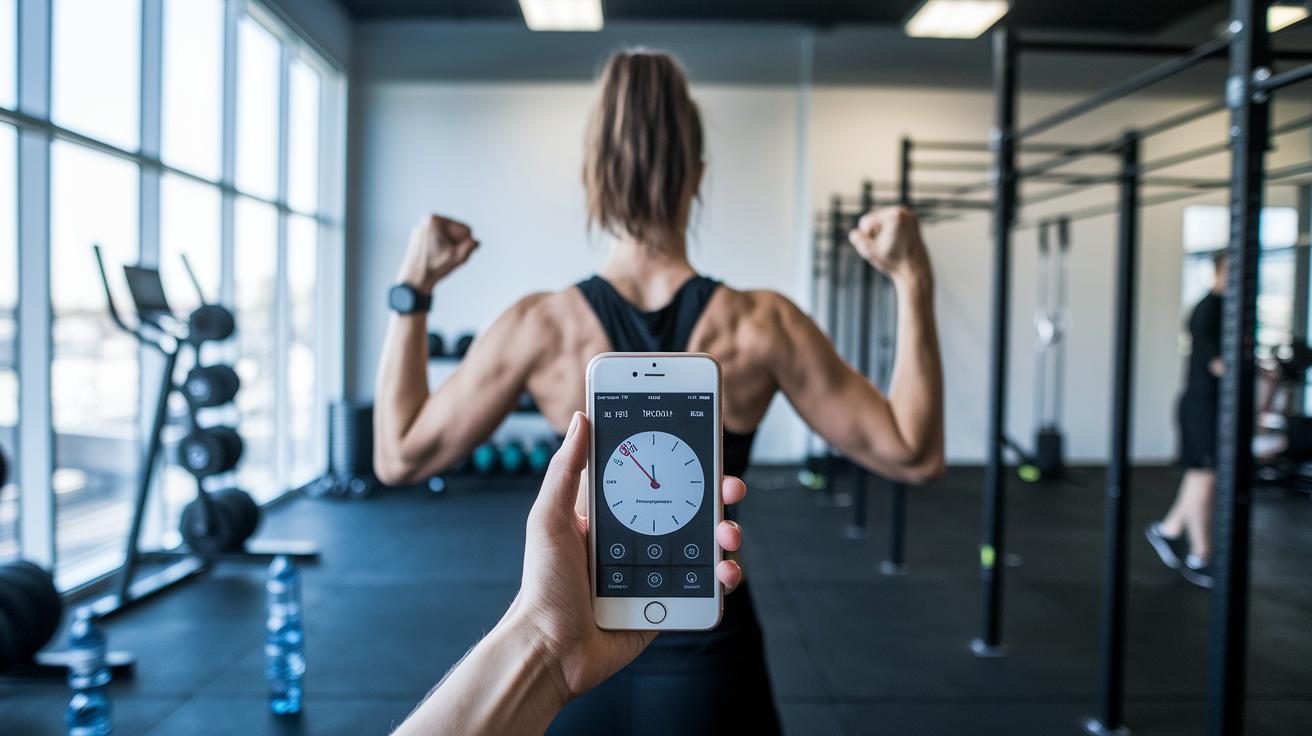
Start by spending five minutes on a simple warm-up to get your muscles moving and your body ready for action. Try doing arm circles or leg swings to boost your blood flow and ease any tight spots.
Next, jump into your intervals. Here, you switch between 20-40 seconds of fast, high-energy exercise and an equal time to rest. Imagine it like a short sprint followed by a gentle walk. Tell yourself, "Push hard for 30 seconds, then take a 30-second break so my body can get ready for the next burst."
After finishing the intervals, cool down for another five minutes. Light jogging or walking paired with a few gentle stretches for your legs and chest will gradually lower your heart rate. Think of it as slowing down after a busy day, a nice way to bring some calm back in.
Try to limit your HIIT sessions to no more than three times a week. This helps keep your body challenged while also giving it enough time to heal and get stronger.
Safety, Modifications, and Recovery Tips for HIIT Cardio Workouts
When you’re doing HIIT workouts, listen to your body and adjust the moves to match your current fitness level. For example, if high-impact jumps feel too harsh, try a gentle stepping move that still boosts your heart rate without putting too much strain on your knees. This change works well for beginners and seniors. You can also shorten the high-intensity bursts. If 30 seconds feels too much, try 20 seconds instead and slowly build your endurance over time.
Remember, it’s best to limit high-intensity sessions to three times a week so your muscles can properly recover. Here are a few pointers for a balanced training routine:
- Focus on exercises that improve your mobility and include low-impact aerobic bursts. These keep your heart working without overdoing it.
- Swap a few high-intensity drills for gentler versions, especially if you need a lower-impact option.
- Pay attention to signs of overtraining like long-lasting fatigue or sharp muscle soreness.
- Support your recovery with active rest days, plenty of water, good sleep, and a healthy dose of protein after workouts.
Following these tips can help prevent injuries and set a steady pace for progress, all while giving your body the rest it needs to stay strong.
Tracking Progress and Customizing Your HIIT Cardio Plan

Start by using a wearable device to check your heart rate zones. Make sure you hit around 85-95% of your max heart rate during your sprints. Keeping track of your calories burned and how your heart responds will show you what works best for your body. For instance, if you see your heart is beating about 170 times per minute during a sprint, you know you’re really giving it your all.
Keep a simple workout journal. Write down how long each interval lasts and how long you rest. When you notice the bursts of effort becoming easier, it’s a clear signal to adjust your routine. You might try making your work phase a bit longer or cutting your rest period slightly.
Setting SMART goals can really help. Write down small targets, like adding one more cycle every two weeks or gradually increasing your workout intensity. One idea is: “I added five extra seconds to my intervals and really noticed my endurance improve.” Using a printable interval guide can help you stick to your plan and keep you on track.
- Record your daily heart rate and calories burned.
- See how different intervals affect your performance.
- Adjust your routine with personalized fat loss drills and pace tweaks based on your progress.
By tracking these key numbers and tweaking your plan along the way, your HIIT routine will continue to evolve, matching your growing fitness level and helping you make steady progress.
Final Words
In the action of boosting your health, we explored different workouts and tips. We broke down what a hiit cardio workout is and how its fast bursts of energy torch calories while preserving strength. We shared both beginner and advanced routines, from simple moves you can do at home to treadmill intervals and no-equipment circuits.
We also highlighted safety, modifications, and how to track progress. Keep up the energy and enjoy steering your well-being in a positive direction.
FAQ
What is a HIIT cardio workout?
A HIIT cardio workout is an exercise routine that mixes short, intense bursts of activity with recovery periods, keeping your heart rate high and burning calories efficiently.
How long should a HIIT cardio workout be?
A HIIT cardio workout typically lasts between 10 and 30 minutes, offering a quick, intense session that boosts metabolism and burns calories effectively.
Is HIIT cardio good for weight loss?
HIIT cardio is good for weight loss by burning many calories in a short time and triggering an afterburn effect that helps your body continue burning calories after your workout.
What is the best HIIT cardio workout?
The best HIIT cardio workout varies by fitness level—beginners might start with lower-impact routines at home, while experienced users can try full-body circuits or treadmill intervals for greater intensity.
How can I do a HIIT cardio workout at home without equipment?
A HIIT cardio workout at home without equipment uses bodyweight moves like jumping jacks, mountain climbers, and squat jumps, allowing you to get an effective session without any gear.
Where can I find a HIIT workout plan PDF?
A HIIT workout plan PDF is available online and usually includes session breakdowns, interval timings, and progress tracking tips to help you stay motivated during your workouts.
What does a full-body HIIT cardio workout involve?
A full-body HIIT cardio workout involves exercises that target multiple muscle groups such as burpees, plank jacks, and mountain climbers to maximize calorie burn and improve overall strength.
How can I try a 30-minute HIIT cardio workout?
A 30-minute HIIT cardio workout alternates intense exercise bursts with active recovery periods, providing a balanced session that boosts cardiovascular health and efficiently burns calories.
What is a HIIT cardio workout for beginners?
A HIIT workout for beginners is tailored with shorter intervals and low-impact moves to ease you into high-intensity training safely, making it a great option for starting at home.